When it comes to feeding your furry friend, you always want the best. You might wonder about giving them chicken bones.
After all, dogs in the wild gnaw on bones all the time, right? But what about your precious pet at home? Is it safe to feed dogs chicken bones? This question might have crossed your mind more than once as you watched those eager eyes follow your every move in the kitchen.
We'll dive into the nitty-gritty of feeding chicken bones to dogs. You'll discover the surprising truths and common myths surrounding this topic. You might be shocked by what you learn, and it could change how you think about your dog's diet forever. Stick around, because your dog's health and happiness could depend on it.

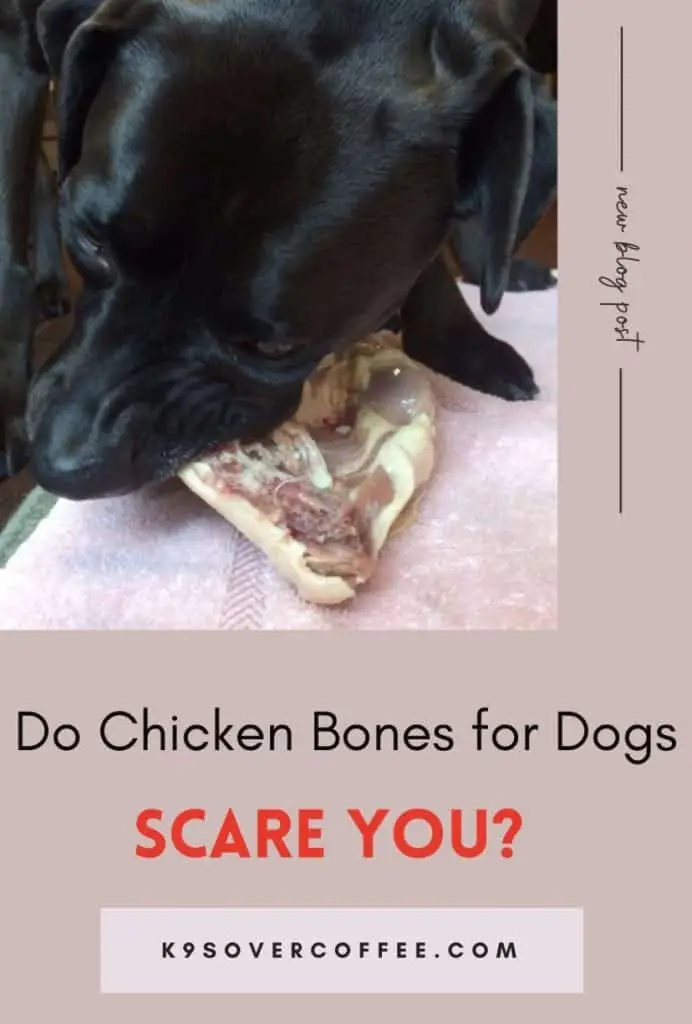
Credit: www.k9sovercoffee.com
Risks Of Feeding Chicken Bones
Feeding chicken bones to dogs might seem harmless, but it carries significant risks that every dog owner should understand. These risks can lead to serious health problems, some requiring emergency veterinary care. Knowing what can go wrong helps you make safer choices for your furry friend’s diet.
Bone Splintering Dangers
Chicken bones are brittle and can easily break into sharp pieces when chewed. These splinters can puncture or tear your dog’s mouth, throat, or intestines. I once saw a friend rush their dog to the vet after a chicken bone splinter caused a painful injury that needed stitches.
Choking Hazards
Small chicken bones or fragments can get stuck in your dog’s throat, causing choking. This is especially risky for smaller breeds or dogs that gulp their food quickly. Have you noticed your dog swallowing food too fast? This habit makes choking on bones more likely.
Digestive Blockages
Swallowed bone pieces can cause blockages in the stomach or intestines. These blockages prevent normal digestion and often require surgery to fix. Watch for signs like vomiting, constipation, or lethargy after your dog eats bones—they could indicate a dangerous blockage.
Types Of Chicken Bones To Avoid
Chicken bones vary a lot. Some types are risky for dogs. Knowing which bones to avoid helps keep your dog safe. Some bones can splinter, causing harm. Others can block the throat or stomach.
Understanding the difference between cooked and raw bones is important. Size matters too. Small bones can easily get stuck. Processed bone products often contain additives that may harm dogs.
Cooked Vs. Raw Bones
Cooked chicken bones are brittle. They break into sharp pieces easily. These sharp fragments can cut a dog’s mouth or digestive tract. Raw chicken bones are softer and less likely to splinter. Some raw bones can be safe but still carry bacteria risk. Always handle raw bones with care and hygiene.
Small Vs. Large Bones
Small bones can choke dogs quickly. They also can cause blockages in the stomach or intestines. Large bones are less likely to be swallowed whole. Yet, very hard large bones can damage teeth. Choose bones that are big enough to prevent swallowing but not too hard.
Processed Bone Products
Processed bones include treats with added flavors or preservatives. These additives can upset a dog’s stomach. Some products contain chemicals harmful to dogs. Avoid giving your dog processed bones from unknown sources. Natural, plain bones are safer choices for dogs.
Signs Of Bone-related Injuries
Feeding dogs chicken bones can lead to serious injuries. These bones can splinter and cause harm inside your dog’s mouth, throat, or digestive tract. Knowing the signs of bone-related injuries helps you act quickly. Early detection can prevent severe damage and save your dog’s life.
Symptoms To Watch For
- Drooling more than usual
- Difficulty swallowing or gagging
- Coughing or choking sounds
- Vomiting or retching
- Loss of appetite or refusal to eat
- Whining or showing signs of pain
- Swelling around the mouth or neck
- Constipation or blood in stool
- Restlessness or unusual behavior
When To Contact A Vet
Contact a vet immediately if your dog shows any symptoms above. Prompt care reduces risks of infections or blockages. Do not wait for symptoms to worsen. If your dog swallows a chicken bone, watch closely for any changes in behavior. Emergency vet visits can save lives in these situations.
Safe Alternatives To Chicken Bones
Chicken bones can be risky for dogs. They may splinter and cause injuries. Safe alternatives provide enjoyment without harm. Choose options that keep dogs happy and healthy.
Commercial Dog Chews
These chews are made specifically for dogs. They come in different sizes and flavors. Designed to be safe and long-lasting. Help clean teeth and reduce boredom. Always check the label for quality and ingredients.
Vegetable And Fruit Options
Fresh vegetables and fruits are healthy treats. Carrots, apples, and cucumbers are popular choices. They are crunchy and good for teeth. Avoid toxic foods like grapes and onions. Cut them into small, manageable pieces.
Rawhide And Synthetic Bones
Rawhide chews offer a safe chewing experience. Synthetic bones mimic real bones without risks. Both help satisfy natural chewing urges. Choose products made from non-toxic materials. Supervise dogs to prevent choking or swallowing large bits.
Preventive Measures For Bone Safety
Keeping your dog safe while feeding chicken bones requires careful attention and clear rules. Bones can pose risks, but with the right steps, you can reduce dangers and make the experience safer for your furry friend. Let’s look at some practical ways to protect your dog during bone time.
Supervision During Chewing
Always watch your dog closely when they have a chicken bone. Dogs can quickly break bones into sharp pieces that cause choking or internal damage. Your presence lets you intervene if your dog starts choking or chewing too aggressively.
Have you noticed how some dogs can swallow large chunks without chewing properly? That’s a red flag. If your dog tends to gulp food, it’s best to skip bones altogether or offer safer alternatives.
Proper Bone Preparation
Not all chicken bones are created equal. Raw bones are generally safer than cooked because cooking makes bones brittle and easier to splinter. Always choose raw chicken bones if you decide to give them, but avoid small bones like chicken wings or necks that can easily break into dangerous pieces.
Before giving a bone, rinse it well to remove excess fat and small fragments. Fat can upset your dog’s stomach, causing pancreatitis or diarrhea. Also, consider freezing the bone first to make it harder and less likely to splinter.
Portion Control
Giving your dog too many bones can lead to constipation or blockages. Limit bone treats to once or twice a week, depending on your dog’s size and digestive health. Small dogs need smaller portions, while bigger dogs can handle larger bones.
Think about your dog's overall diet and weight. Bones should be a treat, not a meal replacement. How often do you give your dog treats? Adjust bone servings accordingly to keep your pet balanced and healthy.

Credit: www.youtube.com

Credit: www.k9sovercoffee.com
Frequently Asked Questions
Can Dogs Safely Eat Cooked Chicken Bones?
No, cooked chicken bones can splinter and cause choking or internal injuries. Avoid feeding dogs cooked bones to ensure their safety.
Why Are Chicken Bones Dangerous For Dogs?
Chicken bones can splinter easily, leading to mouth injuries, choking, or digestive tract blockages. This makes them unsafe for dogs.
Are Raw Chicken Bones Safer For Dogs?
Raw chicken bones are less likely to splinter but still pose risks. Always supervise your dog and consult a vet before feeding raw bones.
What Should I Do If My Dog Eats Chicken Bones?
Monitor your dog for signs of distress like vomiting or difficulty breathing. Contact a veterinarian immediately if symptoms appear.
Conclusion
Feeding dogs chicken bones can cause serious health problems. Bones can splinter and hurt your dog’s mouth, throat, or stomach. Small pieces might block their intestines, leading to emergency visits. Instead, choose safe, dog-friendly treats made for chewing. Always watch your dog while they eat.
Keeping your pet safe means avoiding risky foods like chicken bones. Caring for your dog means making smart food choices every day. Stay informed and protect your furry friend’s health.