When it comes to your dog's health, you want to ensure you're providing the best nutrition possible. One key component of a balanced diet for your furry friend is crude protein.
But how much crude protein should be in dog food? Understanding this is crucial for your pet's overall well-being, energy levels, and muscle health. You'll discover exactly why crude protein is essential, how to determine the right amount for your dog's unique needs, and what to look for in quality dog food.
By the end, you'll be equipped with the knowledge to make informed decisions, ensuring your dog thrives with every meal. Keep reading to unlock the secrets to optimal canine nutrition.

Credit: www.becopets.com
Protein Basics For Dogs
Understanding the basics of protein is key to choosing the right dog food for your furry friend. Protein is more than just a nutrient; it's a building block that supports many vital functions in your dog’s body. Let’s break down what crude protein means, why it matters, and where it comes from in dog food.
What Is Crude Protein?
Crude protein is a term used on pet food labels to show the total amount of protein present. It’s measured by estimating the nitrogen content in the food, which comes mostly from protein. However, crude protein doesn’t tell you about the quality or digestibility of the protein, only the quantity.
Think about it like counting bricks in a wall without checking if they are solid or crumbly. You want protein that your dog can actually use, not just a high number on the label.
Role Of Protein In Dog Health
Protein supports muscle growth, repairs tissues, and helps maintain a strong immune system. Dogs use protein to produce enzymes and hormones that regulate their body functions. Without enough protein, your dog may lose muscle mass, become weak, or have a dull coat.
Have you noticed your dog’s energy dropping or coat looking less shiny? It might be a sign to check their protein intake. Protein also plays a role in keeping your dog’s brain sharp and aiding in recovery from injuries.
Sources Of Protein In Dog Food
Not all proteins are created equal. Animal-based proteins like chicken, beef, fish, and eggs provide all the essential amino acids your dog needs. Plant-based proteins, such as peas and lentils, can be part of the mix but often lack some essential amino acids.
- Chicken and Turkey:Common, highly digestible proteins.
- Beef and Lamb:Rich in iron and amino acids.
- Fish:Adds omega-3 fatty acids along with protein.
- Eggs:Considered a gold standard for protein quality.
- Plant Proteins:Good for variety but usually combined with animal proteins.
Choosing dog food with the right protein sources can improve your dog’s health and happiness. What protein sources does your dog’s food include, and how do you think they affect your pet's vitality?
Protein Needs By Life Stage
Understanding your dog’s protein needs changes as they move through different stages of life. Protein is essential for building and repairing tissues, supporting the immune system, and providing energy. But the amount your dog requires varies depending on whether they are a growing puppy, an active adult, or a senior dog.
Puppies And Growing Dogs
Puppies need a higher protein intake compared to adult dogs. Their bodies are in a rapid growth phase, building muscles, organs, and bones. A diet with around 22-32% crude protein helps support this critical development.
If your puppy doesn’t get enough protein, they might experience stunted growth or weak muscles. Have you noticed your puppy’s energy levels dipping? It might be time to check their protein intake.
Adult Dogs
Adult dogs require less protein than puppies but still need enough to maintain muscle mass and support overall health. Typically, 18-25% crude protein is enough for most adult dogs with normal activity levels.
Active or working dogs, however, may need protein at the higher end of that range to keep up with their energy demands. Are you adjusting your dog’s food to match their daily activity?
Senior Dogs
Senior dogs often need slightly less protein, but quality matters more than quantity. Around 18-22% crude protein with easily digestible sources helps prevent muscle loss and supports aging joints.
Older dogs may struggle to process protein as efficiently, so focus on high-quality options. Have you noticed your senior dog losing muscle or slowing down? Their diet might need a protein tune-up.
Protein Requirements By Activity Level
Protein needs in dog food change a lot depending on how active your dog is. Dogs that lounge around all day don’t need as much protein as those who spend hours running or working. Understanding these differences helps you pick the right food and keep your dog healthy and happy.
Inactive And Sedentary Dogs
If your dog spends most of its time resting or sleeping, their protein needs are lower. Too much protein can even lead to unnecessary weight gain or strain on their kidneys. Aim for dog food that contains about 18-22% crude protein to maintain muscle without overloading their system.
Think about your older dog or a pup recovering from surgery—both benefit from moderate protein to support healing but don’t require heavy muscle-building nutrients.
Active And Working Dogs
Dogs that get regular exercise or have jobs like herding or guarding need more protein to repair and build muscle. Their food should provide around 25-30% crude protein. This supports endurance and keeps energy levels steady throughout the day.
If your dog is out in the field or on long walks daily, you’ll notice they bounce back faster with the right protein balance. Are you tracking your dog’s energy and muscle tone to see if their diet fits their activity?
Sport And Performance Dogs
Dogs involved in intense sports, agility, or search and rescue need the highest protein levels. Their meals should contain 30% or more crude protein to fuel muscle growth and quick recovery. These dogs push their bodies harder and demand top nutrition.
Think about the agility dog you’ve seen leaping and sprinting—without enough protein, their performance and health can quickly decline. Have you ever adjusted your dog’s food after seeing changes in their stamina or muscle condition?
Breed And Size Influence
Breed and size play a major role in determining a dog’s protein needs. Different breeds have different energy levels and growth rates. Size affects how much protein supports healthy muscles and overall body functions. Understanding these differences helps provide the right nutrition for each dog.
Small Breed Protein Needs
Small breeds burn energy faster than larger dogs. Their metabolism demands more protein per pound of body weight. Protein helps maintain their muscle tone and supports quick energy use. Small dogs often need at least 22% crude protein in their diet. This level keeps them active and healthy throughout the day.
High protein also supports their immune system. Small breeds can be picky eaters, so quality protein sources matter. Look for dog foods with meat as the first ingredient. Avoid fillers that add little nutritional value.
Large And Giant Breed Considerations
Large and giant breeds grow slower but need strong muscles and joints. Their protein needs differ from small breeds. These dogs benefit from moderate protein levels, around 18% to 22%. Too much protein can stress their kidneys during growth. Balanced protein helps build lean muscle without overloading organs.
Large breeds also need nutrients that support bone and joint health. Protein combined with calcium and glucosamine works well. Feeding large dogs the right protein level reduces risks of growth disorders. It helps them live longer, healthier lives.
Signs Of Protein Deficiency
Protein is vital for a dog’s health. It supports muscles, skin, and overall growth. A lack of protein can cause serious problems. Spotting signs early helps protect your dog’s well-being. These signs show how the body reacts to missing nutrients.
Physical Symptoms
- Thin or weak muscles from poor protein intake
- Dull, dry fur that lacks shine and softness
- Slow wound healing and frequent infections
- Swelling or fluid buildup in the abdomen
- Weight loss without changes in diet or exercise
- Fatigue and low energy levels throughout the day
Behavioral Changes
- Increased irritability or unusual aggressiveness
- Reduced interest in playing or socializing
- Difficulty focusing or slower response to commands
- More frequent rest or reluctance to move
- Signs of anxiety or discomfort without clear reason
Risks Of Excess Protein
Feeding your dog too much protein might seem like a harmless way to boost their energy and health. However, excess protein can bring hidden risks that affect your dog’s well-being over time. It’s important to understand how too much protein impacts vital organs and overall health to make the best choices for your furry friend.
Kidney And Liver Impact
Your dog’s kidneys and liver work hard to process protein waste. Overloading them with excess protein forces these organs to work overtime, which can lead to long-term damage. Dogs with pre-existing kidney or liver conditions are especially vulnerable to this strain.
Think about your dog’s lifespan and quality of life. Would you want to risk early kidney failure just by overfeeding protein? Many vets recommend monitoring protein intake carefully, especially for older dogs or those with health issues.
Weight Management Issues
Too much protein can contribute to weight gain if your dog’s calorie needs aren’t balanced. Excess protein calories often convert into fat, making it harder for your dog to maintain a healthy weight. Overweight dogs face increased risks of joint problems, diabetes, and heart disease.
Have you noticed your dog gaining weight despite regular exercise? It might be time to review their diet and protein levels. Adjusting protein intake can support better weight control and improve your dog’s overall energy levels.
Choosing The Right Dog Food
Choosing the right dog food is more than just picking a brand off the shelf. It involves understanding what your dog truly needs to stay healthy and active. Protein is a key part of that equation, but how do you ensure your dog gets the right amount?
Reading Protein Labels
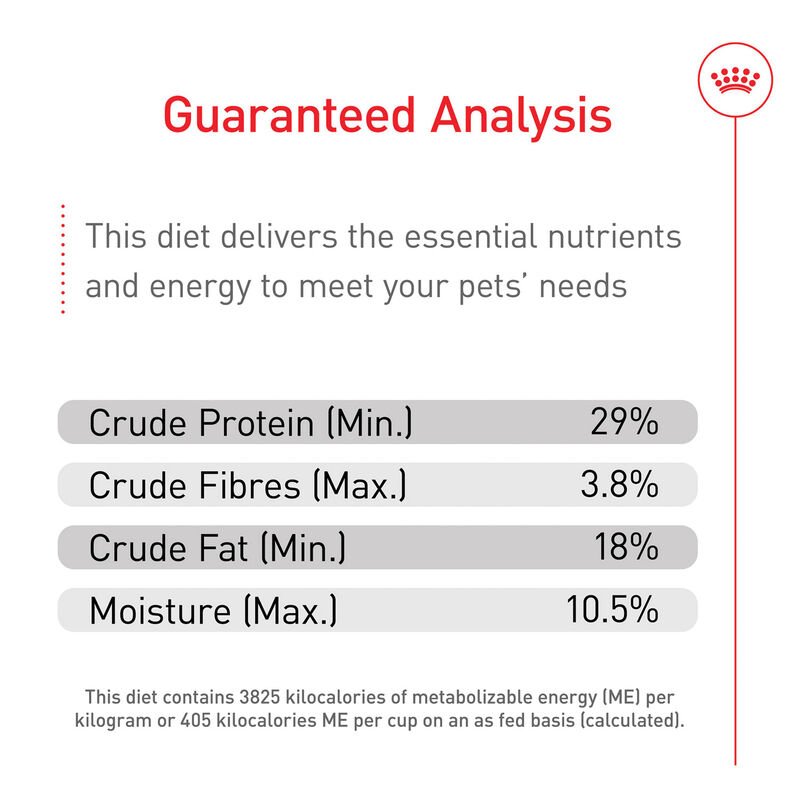
Protein content on dog food labels is usually listed as a percentage. Look for a guaranteed analysis section to find this information easily. Keep in mind that the percentage is based on dry matter, so foods with higher moisture may seem lower in protein.
Pay attention to the source of protein too. Ingredients like chicken, beef, or fish meal are better than vague terms like “meat by-products.” Your dog’s body needs high-quality protein to build strong muscles and support overall health.
Balancing Protein With Other Nutrients
Protein is important, but it shouldn’t overshadow other nutrients. Dogs need a balance of fats, carbohydrates, vitamins, and minerals to thrive. Too much protein without enough fats can strain their kidneys over time.
Think about your dog’s age, activity level, and health conditions. Puppies and working dogs usually require more protein, while older or less active dogs need less. Have you checked if your dog’s food matches these specific needs?
Credit: www.dogster.com
Special Diets And Protein
Special diets require careful attention to protein levels in dog food because your dog’s health depends on it. Different health issues or lifestyle choices can change how much protein your dog needs. Understanding these needs helps you pick the right food to keep your pet strong and happy.
Hypoallergenic And Sensitive Stomach Diets
Dogs with allergies or sensitive stomachs often need protein sources that won’t trigger reactions. Limited ingredient diets usually contain novel proteins like duck or venison instead of common ones like chicken or beef. These proteins still provide enough amino acids but reduce the risk of allergies.
Protein content in these diets typically ranges from 18% to 25%. Too little protein can weaken your dog’s immune system, while too much might worsen digestive problems. Have you checked if your dog’s food balances protein carefully for their specific condition?
Homemade And Raw Diets
Homemade and raw diets give you full control over protein levels, but that’s also a challenge. You need to ensure the diet includes high-quality proteins like lean meats, eggs, or fish. A balanced protein percentage usually falls between 22% and 30%, depending on your dog’s age and activity.
Many pet owners find that tracking protein helps avoid deficiencies or excesses that could harm their dog. Do you measure protein in your homemade recipes, or do you rely on guesswork? Remember, a well-planned diet supports muscle health and energy every day.
Credit: pupford.com
Frequently Asked Questions
What Is The Ideal Protein Percentage In Dog Food?
The ideal crude protein in dog food ranges from 18% to 30%. Puppies and active dogs need higher protein. Adult dogs require moderate protein for maintenance and health.
How Does Protein Affect My Dog’s Health?
Protein supports muscle growth, repair, and overall energy. It boosts immune function and keeps your dog’s coat shiny and healthy.
Can Too Much Protein Harm My Dog?
Excess protein can strain kidneys, especially in older dogs. Balanced protein levels are key for health and longevity.
Should Protein Needs Vary By Dog Breed?
Yes, larger and active breeds need more protein. Smaller or less active breeds require lower protein for optimal health.
Conclusion
Choosing the right crude protein level supports your dog’s health well. Puppies need more protein for growth, while adults require moderate amounts. Too little protein can cause weakness, and too much may strain kidneys. Always check your dog food labels for protein content.
Consult your vet to find the best protein amount for your dog’s age and activity. Proper protein helps your dog stay strong and active every day. Keep your furry friend happy with balanced nutrition. Simple steps lead to better health and longer life.