Watching your furry friend struggle with an autoimmune disease can be heart-wrenching. You want to help, but where do you start?
You're not alone in this. Many pet owners face the same challenge, feeling overwhelmed by the complexity of the condition. But here's the good news: understanding the right steps can make a world of difference for your dog. Imagine seeing your pet regain energy, wagging their tail with joy, and living a full, happy life again.
This guide will walk you through exactly how to treat a dog with autoimmune disease, offering practical advice that brings real relief to your beloved companion. Dive into the article and discover the simple yet powerful ways to support your dog’s health and happiness.
Recognizing Autoimmune Diseases In Dogs
Recognizing autoimmune diseases in dogs can be challenging because symptoms often mimic other health issues. Yet, catching these signs early is crucial to managing your dog’s condition effectively. Understanding what to look for helps you act quickly and get your dog the care it needs.
Common Symptoms To Watch For
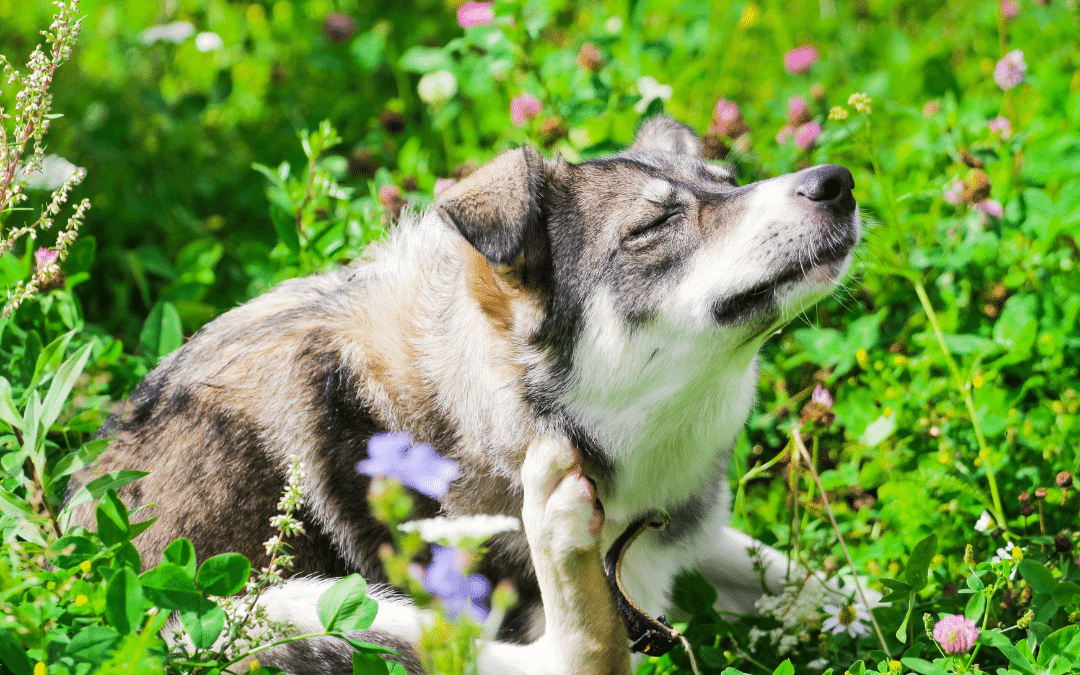
Autoimmune diseases can cause a range of symptoms that might seem unrelated at first. Watch for persistent fatigue, unexplained weight loss, or changes in appetite. Your dog might also develop skin problems like redness, itching, or hair loss.
Other signs include joint pain or swelling, which can make your dog hesitant to move or play. Keep an eye on unusual behaviors such as increased thirst or urination, which might hint at internal organ involvement. If you notice any of these symptoms, a vet visit is essential.
Types Of Autoimmune Disorders
Autoimmune diseases in dogs cover several types, each affecting different parts of the body. For example, immune-mediated hemolytic anemia (IMHA) attacks red blood cells, leading to severe anemia and weakness.
Another common disorder is immune-mediated thrombocytopenia (ITP), where the immune system destroys platelets, causing bleeding issues. Skin conditions like pemphigus cause blisters and sores due to immune attacks on skin cells.
Knowing these types helps you understand your dog’s specific condition. Have you noticed symptoms that don’t add up? Tracking them carefully could provide clues to your vet and speed up diagnosis and treatment.
Credit: drbillspetnutrition.com
Veterinary Diagnosis And Tests
Diagnosing autoimmune disease in dogs requires precise veterinary testing. Early and accurate diagnosis helps guide effective treatment plans. The veterinary team uses several tests to understand the disease's impact and rule out other conditions. These tests provide essential information about your dog's health status and immune system activity.
Blood Work And Imaging
Blood tests are vital for detecting autoimmune diseases in dogs. They check for abnormal immune responses and inflammation. Common tests include:
- Complete blood count (CBC)
- Blood chemistry panel
- Autoantibody tests
- Serum protein electrophoresis
Imaging studies like X-rays or ultrasounds help assess organ health. These tools detect damage caused by the autoimmune disease. Imaging also identifies infections or tumors that may mimic autoimmune symptoms.
Specialist Consultations
Referral to a veterinary specialist may be necessary. Specialists like veterinary immunologists or internal medicine experts provide advanced care. They offer detailed evaluations and recommend specialized tests. Their expertise improves diagnosis accuracy and tailors treatment plans. Working with specialists ensures your dog receives the best care for autoimmune disease.
Medications And Treatment Options
Treating a dog with autoimmune disease requires a careful balance of medications and therapies tailored to your pet’s unique condition. The goal is to manage symptoms, reduce immune system attacks, and maintain your dog’s quality of life. Understanding the available treatment options will help you make informed decisions alongside your veterinarian.
Immunosuppressive Drugs
Immunosuppressive drugs are the backbone of treating autoimmune diseases in dogs. These medications reduce the immune system's activity to prevent it from attacking the body’s own tissues.
Common drugs include corticosteroids like prednisone, which are often the first choice. However, long-term use can lead to side effects such as increased thirst and weight gain, so veterinarians may add other drugs like azathioprine or cyclosporine to lower steroid doses.
Monitoring your dog closely during this treatment is crucial. Have you noticed any changes in your dog’s behavior or appetite since starting medication? Reporting these can help adjust dosages and improve outcomes.
Supportive Therapies
Besides medications, supportive therapies play a vital role in helping your dog feel better every day. These therapies focus on enhancing overall health and easing symptoms.
- Dietary adjustments:Feeding a balanced diet rich in antioxidants and omega-3 fatty acids can reduce inflammation and support immune health.
- Physical therapy:Gentle exercises or hydrotherapy may improve mobility and reduce stiffness.
- Supplements:Adding vitamins like E or herbal supplements, under your vet’s guidance, can support healing.
Have you tried any supportive therapies with your dog? Sometimes, small lifestyle changes make a big difference in managing autoimmune disease.
Credit: wagwalking.com
Diet And Nutrition Strategies
Diet plays a crucial role in managing your dog's autoimmune disease. What you feed your dog can either help reduce inflammation or make symptoms worse. Adjusting nutrition to support the immune system is one of the most practical steps you can take at home.
Anti-inflammatory Diets
Feeding your dog an anti-inflammatory diet helps calm the immune system and reduce flare-ups. Foods rich in omega-3 fatty acids, like fish oil or flaxseed, are known to lower inflammation. You can add these through supplements or by including fatty fish such as salmon in your dog's meals.
Vegetables like sweet potatoes and green beans provide antioxidants that protect cells from damage. Avoiding grains and artificial additives is also key, as they can trigger immune responses in some dogs. Have you noticed your dog's symptoms worsen after certain treats or foods? That might be a sign to rethink their diet.
Supplements For Immune Support
Supplements can give your dog’s immune system an extra boost. Probiotics, for example, improve gut health, which is closely linked to immune function. Adding a high-quality probiotic powder to your dog's food might help balance their immune response.
Other beneficial supplements include vitamin E and zinc, which support skin health and immune regulation. Always check with your vet before starting new supplements to ensure they are safe and appropriate. How often do you review your dog's supplement routine with a professional?
Managing Stress And Environment
Managing stress and your dog's environment plays a crucial role in supporting a dog with an autoimmune disease. Stress can worsen symptoms and slow down recovery, so creating a peaceful and stable space helps your dog feel safe and secure. Small changes in daily life can make a big difference in your dog's health and happiness.
Creating A Calm Space
Set up a quiet area in your home where your dog can relax without interruptions. Use soft bedding and keep the space free from loud noises or sudden activity. Adding familiar toys or blankets with your scent can comfort your dog and reduce anxiety.
Think about lighting too—soft, natural light is usually better than harsh overhead lights. You might notice your dog retreats to a particular spot when feeling stressed; try to make that place as comfortable as possible. How does your dog behave when they need to unwind? Observing this can guide you in arranging their calm space.
Exercise And Routine
Regular exercise helps reduce stress and boosts your dog's immune system. Tailor the activity to your dog’s energy levels and health condition—gentle walks or slow play sessions often work best. Avoid overexertion, which can trigger flare-ups.
Consistency in daily routines also provides a sense of security. Feeding, walks, and rest times should happen at roughly the same time every day. This predictability helps your dog know what to expect, lowering stress and improving overall well-being.
Have you noticed how your dog responds to changes in routine? Even small disruptions can affect their mood and symptoms. Keeping a steady schedule may be one of the simplest ways to support your dog’s health.
Monitoring Progress And Adjusting Care
Managing a dog with an autoimmune disease is an ongoing process that requires careful attention and flexibility. Monitoring your dog's progress closely helps you spot changes early and adjust care to fit their evolving needs. This active approach can make a real difference in your pet’s comfort and quality of life.
Tracking Symptoms
Keeping a daily log of your dog’s symptoms is essential. Note any changes in appetite, energy levels, skin condition, or behavior. Even small shifts can indicate how well the treatment is working or if side effects are developing.
You might find it helpful to use a simple chart or app to track these signs consistently. This record becomes a powerful tool during vet visits, providing clear data rather than relying on memory alone. Have you noticed patterns in your dog's symptoms after certain activities or medications?
Regular Vet Checkups
Scheduling regular checkups with your vet is crucial for adjusting your dog’s care plan. These visits allow for blood tests and physical exams that reveal how the autoimmune disease is progressing beneath the surface. Your vet can then tweak medications or suggest new therapies based on these findings.
Don’t hesitate to discuss any concerns or observations from your symptom tracking during these appointments. Open communication ensures your dog’s treatment stays aligned with their current condition. How often does your vet recommend follow-ups? Sometimes more frequent visits are necessary early on.
Preventing Complications
Preventing complications in dogs with autoimmune disease is vital for their health. Autoimmune conditions can weaken the immune system. This makes dogs more prone to infections and other health problems. Careful monitoring and early action help avoid serious issues. Owners must understand how to manage risks and spot warning signs early.
Infection Control
Dogs with autoimmune disease have weaker defenses against germs. Keeping their environment clean reduces infection risks. Wash bedding and toys regularly. Avoid crowded places where infections spread fast. Groom your dog often to check for skin issues or wounds. Promptly clean any cuts or scratches with antiseptic. Follow the vet’s advice on medications that protect against infections.
- Use gentle shampoos to avoid skin irritation.
- Keep nails trimmed to prevent scratching injuries.
- Maintain good oral hygiene to stop mouth infections.
- Ensure vaccinations are up to date, as advised by your vet.
Recognizing Emergency Signs
Autoimmune diseases can cause sudden health problems. Early detection of emergencies can save your dog’s life. Watch for signs like:
- High fever or chills
- Severe weakness or collapse
- Difficulty breathing or rapid breathing
- Excessive bleeding or bruising
- Swelling or severe pain
- Loss of appetite and vomiting
If any of these signs appear, seek veterinary help immediately. Keep your vet’s emergency contact handy. Quick response prevents worsening of your dog’s condition.

Credit: drjudymorgan.com
Frequently Asked Questions
What Are Common Autoimmune Diseases In Dogs?
Common autoimmune diseases in dogs include lupus, pemphigus, and autoimmune hemolytic anemia. These conditions cause the immune system to attack the body. Early diagnosis is essential for effective treatment and management.
How Is An Autoimmune Disease Diagnosed In Dogs?
Veterinarians diagnose autoimmune diseases through blood tests, physical exams, and sometimes biopsies. These tests help identify immune system abnormalities. Accurate diagnosis guides proper treatment plans.
What Treatments Are Available For Autoimmune Diseases In Dogs?
Treatments include immunosuppressive drugs, steroids, and supportive care. Diet and lifestyle adjustments may also help. Early intervention improves outcomes and quality of life for affected dogs.
Can Diet Affect A Dog’s Autoimmune Condition?
Yes, a balanced diet rich in antioxidants and omega-3 fatty acids supports immune health. Avoiding allergens can reduce flare-ups. Proper nutrition complements medical treatments effectively.
Conclusion
Treating a dog with autoimmune disease takes patience and care. Follow your vet’s advice closely. Give your dog the right medicine on time. Watch for any changes in health or behavior. Keep your dog’s environment calm and clean. Good nutrition helps your dog feel stronger.
Regular check-ups catch problems early. Your love and attention make a big difference. Small steps can improve your dog’s life greatly. Stay hopeful and keep caring every day.