
If you're a dog owner, your furry friend's health is likely one of your top priorities. You've probably heard about diatomaceous earth and its many uses, but is food grade diatomaceous earth safe for dogs?
This question might have crossed your mind more than once, especially when you're looking for natural ways to protect your pet from pests or to improve their overall health. We're diving deep into the world of diatomaceous earth to uncover the facts you need to know.
We'll explore what it is, how it works, and most importantly, whether it's a safe option for your beloved canine companion. Keep reading to discover how this ancient powder could potentially benefit your dog and help you make informed decisions about their well-being.

Credit: hillsidewealth.ca
What Is Food Grade Diatomaceous Earth
Food grade diatomaceous earth (DE) is a naturally occurring substance made from the fossilized remains of tiny aquatic organisms called diatoms. These diatoms have silica-based shells that crush into a fine, powdery form. You might wonder what makes this powder suitable for consumption and safe around your pets.
Unlike industrial-grade diatomaceous earth, which contains harmful chemicals, food grade DE is processed to meet strict safety standards. It’s commonly used as a natural additive in foods, supplements, and even pest control. But what exactly is inside this powder, and why is it considered safe for dogs?
Composition And Characteristics Of Food Grade Diatomaceous Earth
Food grade DE is primarily made up of silicon dioxide, a mineral found in many foods and the human body. This powder is abrasive yet gentle enough to be used in health products. Its microscopic sharp edges help trap and remove parasites and pests without harming mammals.
How Food Grade Diatomaceous Earth Is Produced
The production process involves mining natural deposits and then carefully cleaning and grinding the diatoms. This ensures the final product is free from harmful contaminants. The result is a white or off-white powder that’s safe for both internal and external use.
Common Uses Of Food Grade Diatomaceous Earth
- Natural insect control in homes and gardens
- Supplement to support digestive health in humans and animals
- Food additive to prevent clumping in powders
- Ingredient in toothpaste and cosmetics
Knowing what food grade diatomaceous earth is helps you understand why it might be a safe option for your dog’s health needs. Have you considered how natural products like this could fit into your pet care routine?

Credit: www.doba.com
Why Use It For Dogs
Food grade diatomaceous earth (DE) offers several benefits for dogs that make it a popular choice among pet owners. Understanding why you might want to use DE for your dog can help you decide if it's the right addition to their care routine. It’s not just about pest control; DE can support your dog's overall health in various ways.
Natural Parasite Control
DE works as a natural way to reduce internal and external parasites in dogs. Its microscopic, sharp particles can damage the exoskeletons of fleas, ticks, and other pests, helping to keep your dog free from irritation.
This method avoids harsh chemicals, which is safer for your pet and the environment. Have you ever worried about the side effects of chemical treatments? DE gives you a safer alternative.
Improves Digestive Health
Adding a small amount of food grade DE to your dog’s diet may help improve digestion. The silica content can act as a gentle detoxifier, binding with toxins and helping to remove them naturally.
Many dog owners notice better stool consistency and less bloating after using DE. How often do you think about your dog’s gut health and its impact on their energy?
Supports Skin And Coat Condition
DE can also benefit your dog’s skin and coat by reducing parasites and promoting a cleaner environment. This can lead to less itching and fewer skin irritations.
Using DE externally on your dog's coat might help maintain a shinier, healthier look. Would you like a simple, natural way to improve your dog’s comfort and appearance?
Safe And Easy To Use
Food grade DE is non-toxic and safe when used correctly, making it a convenient option for dog owners. You can sprinkle it on your dog’s food or apply it directly to their coat without worry.
Its versatility and safety make it a practical addition to your pet care supplies. Are you ready to try a natural product that supports your dog’s health in multiple ways?
Safety Aspects To Consider
Food grade diatomaceous earth (DE) is popular among dog owners for natural pest control and digestive health. Understanding safety aspects is vital before use. Proper knowledge helps prevent harm and ensures benefits.
Always consider dosage, possible side effects, and warning signs. These factors keep your dog safe and healthy while using DE.
Proper Dosage Guidelines
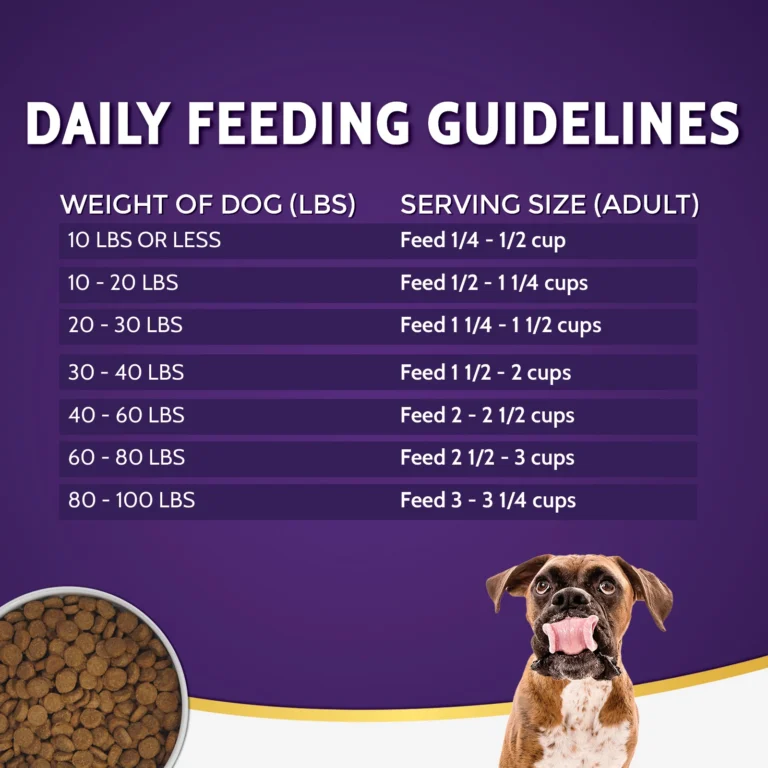
Correct dosage depends on your dog's size and weight. Follow product instructions carefully. A common dose is about 1 teaspoon per 10 pounds of body weight daily.
Mix DE with food for easy ingestion. Avoid giving large amounts at once. Start with a small dose and watch your dog’s reaction.
Potential Side Effects
- Dry mouth or throat irritation
- Coughing or sneezing if inhaled
- Upset stomach or diarrhea
- Skin dryness or irritation on contact
Side effects are rare when used correctly. Avoid inhaling dust to protect your dog’s lungs.
Signs Of Adverse Reactions
- Excessive coughing or sneezing
- Vomiting or diarrhea lasting more than a day
- Skin redness or itching
- Loss of appetite or unusual behavior
Stop DE use immediately if any signs appear. Consult a veterinarian for advice and treatment.
Health Benefits For Dogs
Food grade diatomaceous earth offers several health benefits for dogs. It supports their overall wellness naturally. Many pet owners use it to maintain their dog's health safely and effectively. Let's explore how it helps with parasites, digestion, and skin care.
Parasite Control
Diatomaceous earth helps eliminate internal and external parasites. It works by damaging the protective layer of insects and worms. This causes them to dry out and die. It is safe for dogs in small doses. Regular use may reduce fleas, ticks, and intestinal worms without harsh chemicals.
Improved Digestion
This natural powder supports the digestive system. It can absorb toxins and improve gut health. Some dogs show better stool quality and less bloating. Diatomaceous earth may help balance gut bacteria. This leads to better nutrient absorption and overall digestion.
Skin And Coat Health
Using food grade diatomaceous earth can improve skin and coat condition. It may reduce itching and irritation caused by parasites. The silica content helps strengthen hair and nails. Dogs often have shinier coats and healthier skin after use. It acts gently and supports natural healing.
How To Administer Diatomaceous Earth
Administering food grade diatomaceous earth to dogs requires care and proper technique. The right approach ensures safety and effectiveness. This section covers simple ways to give diatomaceous earth to your dog.
Mixing With Food
Mix diatomaceous earth with your dog’s regular meal. Use a small amount to start, about 1 teaspoon for small dogs. Larger dogs can have up to 1 tablespoon. Stir the powder well into wet or dry food. This method masks the taste and makes it easy to consume.
Topical Application
Apply diatomaceous earth directly to your dog’s coat for flea control. Lightly dust the powder on the fur, avoiding the eyes and nose. Use a brush or your hands to spread it evenly. The powder helps to dry out pests on contact. Always wear gloves and avoid inhaling the dust during application.
Frequency And Duration
Administer diatomaceous earth daily for best results. For internal use, continue for 1 to 2 weeks. For topical use, apply every 3 to 4 days until pests clear. Observe your dog for any reactions. Stop use if irritation or discomfort occurs and consult a vet.
Precautions And Risks
Using food grade diatomaceous earth (DE) for your dog might seem safe, but there are important precautions you need to take. While it offers benefits, ignoring the risks can lead to health issues for your furry friend. Understanding these precautions helps you use DE effectively and safely.
Avoiding Inhalation
One major risk with diatomaceous earth is inhaling the fine dust particles. These particles can irritate your dog's lungs and even cause respiratory problems. Always apply DE in a well-ventilated area and try to minimize dust clouds.
When I first used DE on my dog, I noticed a cough after a dusty application. That experience taught me to sprinkle it gently and avoid creating airborne dust. You should also keep your dog calm during application to prevent them from breathing in the powder.
Choosing The Right Product
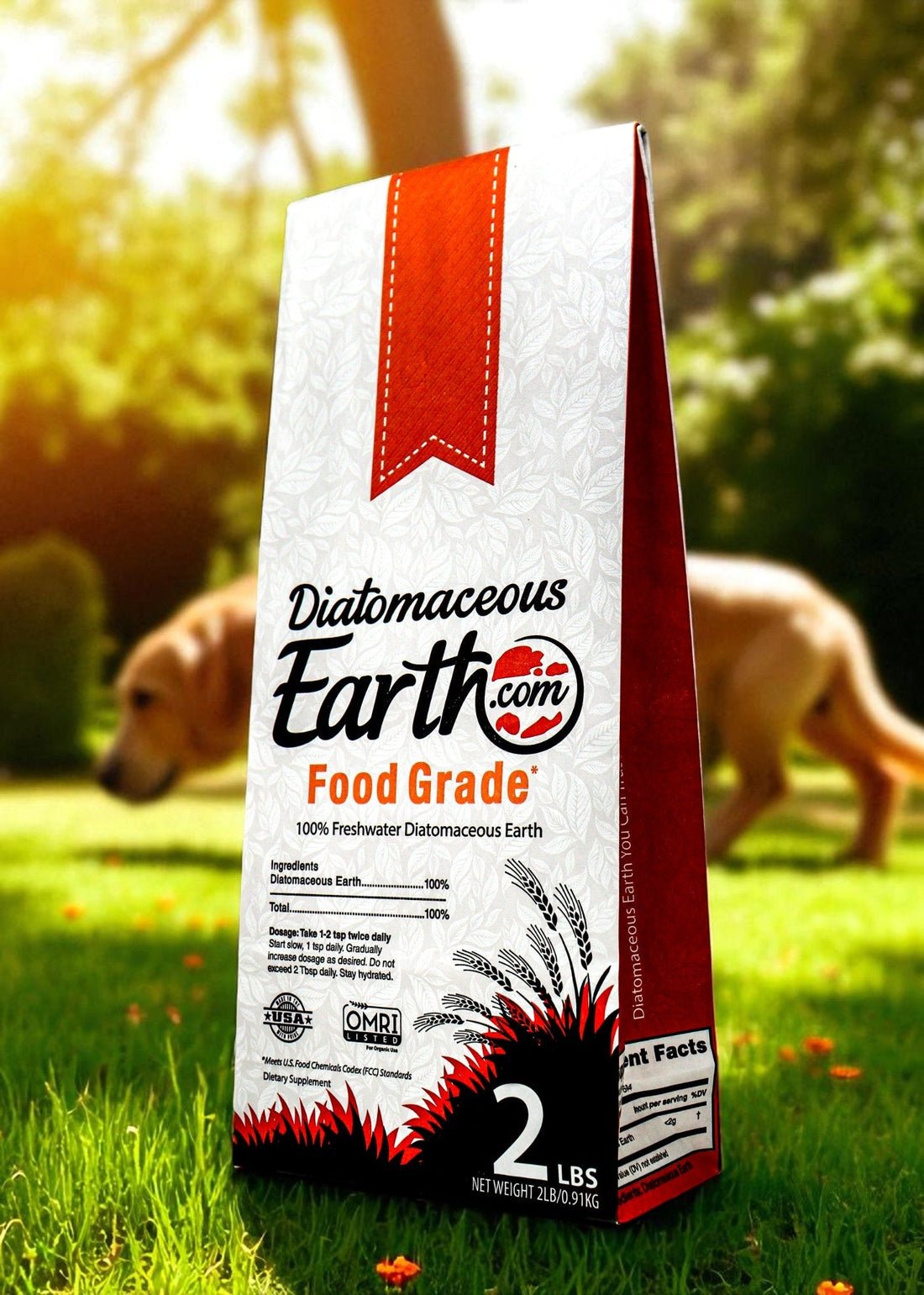
Not all diatomaceous earth is safe for pets. Only use food grade DE because other types contain harmful chemicals. Check the label carefully to make sure it’s labeled “food grade” and avoid products meant for pools or insect control.
Think about the source too—some brands add fillers or impurities that can harm your dog. Have you ever bought a product that looked similar but wasn’t suitable? That’s why selecting a trusted brand is crucial.
Consulting A Veterinarian
Before adding diatomaceous earth to your dog’s routine, talk to your vet. They can advise if DE suits your dog’s health condition and suggest the right dosage. Your vet might also help monitor your dog for any side effects.
Even if DE is natural, your dog’s body reacts uniquely. Have you considered how your dog’s age, breed, or existing health issues might affect its safety? A quick vet consultation can save you from unintended problems.
Comparing Food Grade Vs Non-food Grade
Diatomaceous earth comes in two main types: food grade and non-food grade. Understanding their differences helps you choose the safest option for your dog. Both types look similar but have different uses and safety levels.
Food grade diatomaceous earth is safe for pets and humans. It undergoes strict testing to meet health standards. Non-food grade is often used for industrial purposes and may contain harmful chemicals.
What Makes Food Grade Diatomaceous Earth Safe?
Food grade diatomaceous earth is pure and free from harmful substances. It contains silica, which is safe in controlled amounts. This type is often used in pet care for flea control and digestion support.
Risks Of Non-food Grade Diatomaceous Earth
Non-food grade diatomaceous earth may have chemical additives. It can contain sharp particles that irritate your dog’s skin and lungs. Using this type on pets can cause health problems.
How To Identify Food Grade Diatomaceous Earth
- Look for clear labeling that states "Food Grade."
- Check if the product meets FDA or similar safety standards.
- Avoid products meant for pool filters or industrial use.
Summary Of Differences
| Feature | Food Grade | Non-Food Grade |
|---|---|---|
| Purity | High, safe for consumption | Low, may contain contaminants |
| Usage | Pet care, food additive | Industrial, filtration |
| Health Risk | Low when used properly | High, toxic to pets |
Real User Experiences
Real user experiences offer valuable insights into the safety of food grade diatomaceous earth (DE) for dogs. Hearing from pet owners who have tried it can help you decide if it's right for your furry friend. Their stories reveal practical effects, potential benefits, and any concerns you should watch for.
Positive Effects Noticed By Dog Owners
Many dog owners report that adding food grade DE to their pet’s diet improved coat shine and reduced flea problems. One user shared that their dog’s itching stopped within a week of using DE as a supplement. Others noticed better digestion and fewer stomach issues after consistent use.
These real-life results suggest DE can offer natural support for your dog’s health. However, results vary depending on the dog’s size, breed, and overall health. What improvements have you observed after introducing new supplements to your dog’s routine?
Concerns And Side Effects Shared By Users
Some users mention mild side effects like temporary digestive upset or dry skin when they first started giving DE to their dogs. A few reported coughing or sneezing if the powder was inhaled during application. This highlights the importance of careful handling and dosage.
One pet owner found that mixing DE into wet food instead of sprinkling it dry helped reduce irritation. It’s crucial to monitor your dog’s reaction closely and consult a vet if you notice any discomfort. How will you ensure your dog’s safety when trying new products?
Tips From Experienced Dog Owners
- Start with small doses to observe how your dog reacts before increasing the amount.
- Use food grade DE only, as other types may contain harmful additives.
- Mix DE well with food to prevent inhalation and avoid respiratory issues.
- Keep fresh water accessible to help flush out toxins naturally.
Following these tips can make the experience safer and more comfortable for your dog. Have you tried any natural remedies that required special precautions?

Credit: www.k9sovercoffee.com
Frequently Asked Questions
Is Food Grade Diatomaceous Earth Safe For Dogs?
Yes, food grade diatomaceous earth is safe for dogs when used correctly. It helps control fleas and parasites naturally without harmful chemicals.
How Does Diatomaceous Earth Benefit Dogs?
Diatomaceous earth eliminates fleas, ticks, and internal parasites in dogs. It also supports skin health and improves coat condition naturally.
Can Dogs Ingest Food Grade Diatomaceous Earth?
Dogs can ingest small amounts of food grade diatomaceous earth safely. It aids in parasite control and promotes digestive health when given properly.
What Is The Proper Dosage For Dogs?
The dosage depends on your dog’s weight and health. Always follow product guidelines or consult your vet before use.
Conclusion
Food grade diatomaceous earth can be safe for dogs if used correctly. Always follow the recommended dosage from a vet. Avoid using it near your dog's eyes and nose to prevent irritation. Watch your pet for any signs of discomfort or allergies.
Natural does not always mean risk-free. Use it as a part of a balanced care routine. Consult your veterinarian before starting any new treatment. Safety and care should always come first for your furry friend.