Are you puzzled about how much wet food to feed your furry friend? You're not alone.
As a loving dog owner, you want to ensure your pet is healthy and happy. But finding the perfect balance can be tricky. Feeding too little can leave your dog hungry, while too much can lead to weight issues. Understanding the right amount can transform your pet's life and give you peace of mind.
In this guide, we'll dive into all you need to know about feeding your dog wet food, helping you make informed choices tailored to your dog's unique needs. Let's get started on discovering the perfect portion for your beloved companion!
Factors Affecting Wet Food Amount
Determining the right amount of wet food for your dog involves more than just checking the package label. Several factors influence how much your furry friend needs daily. Understanding these can help you avoid overfeeding or underfeeding, keeping your dog healthy and happy.
Dog's Weight And Age
Your dog's weight is a key factor in deciding the quantity of wet food. A small 10-pound dog requires much less food than a 70-pound dog. Age also plays a crucial role—puppies need more calories for growth, while older dogs often need fewer calories to maintain their weight.
I once fed my senior dog the same amount as when he was young, which led to unwanted weight gain. Adjusting his portions based on his age helped him stay fit and energetic.
Activity Level
Active dogs burn more calories and need more food to sustain their energy. A working dog or one that spends hours playing outside will require larger portions compared to a mostly sedentary pet. Watch your dog’s daily activity and adjust feeding amounts accordingly.
Have you noticed your dog’s energy drop or weight change when you don’t adjust food for their activity? Keeping track can be simple but makes a huge difference.
Health Conditions
Health issues like diabetes, kidney problems, or food allergies affect how much and what type of wet food your dog should eat. Some conditions require special diets with controlled portions. Always consult your vet to tailor feeding amounts to your dog’s health needs.
Ignoring these factors can worsen your dog’s condition or cause nutritional imbalances, so don’t skip this step.
Breed Considerations
Different breeds have varying metabolism rates and body structures, influencing their food needs. For example, a high-energy Border Collie needs more calories than a low-energy Bulldog. Breed-specific traits can guide you in choosing the right portion size and food type.
Think about your dog’s breed traits—does your dog match the typical energy level and size? This insight helps you fine-tune their diet for optimal health.
Credit: www.petco.com
Reading Wet Food Labels
Understanding wet food labels is essential to feeding your dog the right amount. Labels can seem overwhelming at first, but they hold the key to making informed choices about your pet's nutrition. Knowing what to look for helps you avoid overfeeding or underfeeding and ensures your dog gets a balanced diet.
Calories Per Serving
Calories tell you how much energy your dog will get from each serving. Wet foods often list calories per can or per cup, but serving sizes vary by brand. Check the label carefully and compare it with your dog’s daily calorie needs.
For example, if a can contains 300 calories and your dog requires 600 calories per day from wet food, you know to feed two cans. Don’t guess—use a kitchen scale or measuring cup to get accurate portions.
Recommended Feeding Guidelines
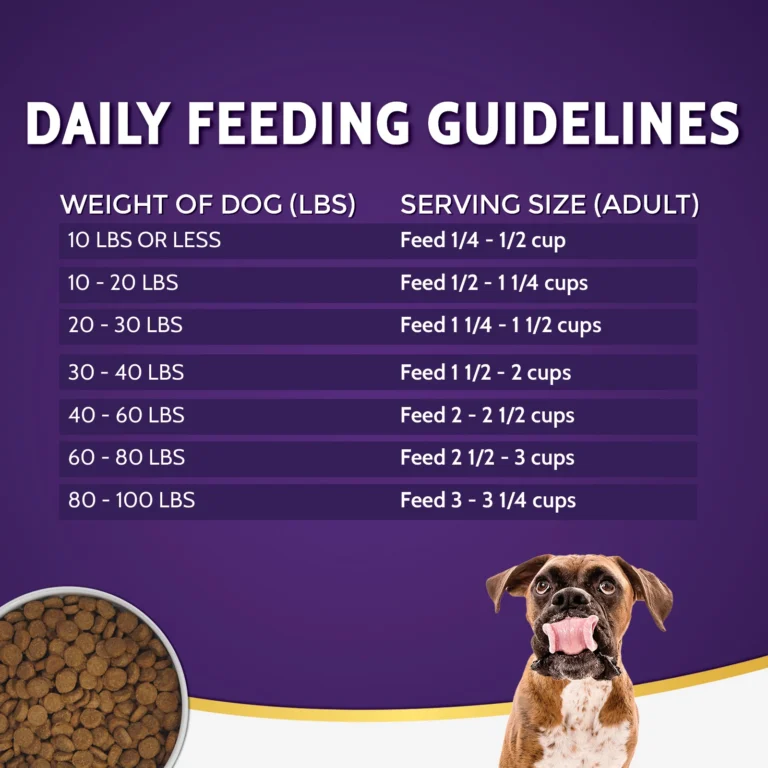
Labels usually include feeding recommendations based on your dog’s weight. These guidelines give you a starting point but aren't one-size-fits-all. Your dog’s age, activity level, and health can change how much they need.
Watch your dog’s weight and energy to adjust portions. If your dog gains weight, reduce the amount. If they seem hungry or lose weight, increase it slightly. Feeding guidelines are helpful, but tuning in to your dog is just as important.
Ingredient Quality
Good ingredients matter for your dog’s health and digestion. Look for named meat sources like “chicken” or “beef” as the first ingredients, not vague terms like “meat by-products.”
Check for fillers like corn or soy, which add calories but little nutrition. High-quality ingredients support your dog’s energy and coat health. Have you noticed a difference when switching to better wet food? Many owners see improved digestion and vitality quickly.
Calculating Daily Wet Food Intake
Calculating the right amount of wet food for your dog ensures they stay healthy and happy. Each dog needs a unique amount based on weight, age, and activity level. Feeding too much or too little can cause problems. Use simple guidelines to find the correct daily wet food intake.
Using Calorie Needs
Start by knowing your dog’s daily calorie needs. This depends on their weight and activity. Most wet foods list calories per can or pouch. Divide the total daily calories by the calories per serving. This gives you the amount of wet food to feed.
For example:
| Dog Weight | Daily Calories | Wet Food Calories per Can | Daily Wet Food Amount |
|---|---|---|---|
| 20 lbs | 600 | 200 | 3 cans |
Adjusting For Treats And Supplements
Treats and supplements add extra calories. Count these calories and subtract from your dog’s daily calorie needs. This adjustment avoids overfeeding and weight gain. Keep treats under 10% of total daily calories. Include supplements like oils or vitamins in your calorie count.
Portion Control Tips
- Use a measuring cup or scale for accuracy.
- Feed smaller portions multiple times a day.
- Watch your dog’s weight and adjust portions if needed.
- Store opened cans properly to keep food fresh.
Regularly check your dog’s body condition. Adjust food amounts as they grow or change activity levels.
Credit: www.petsmart.com
Transitioning To Wet Food
Switching your dog to wet food can be a smooth process if done thoughtfully. Sudden diet changes might upset your dog’s stomach or make them reject the new food altogether. Taking it slow helps your dog adjust comfortably and enjoy mealtime.
Mixing With Dry Food
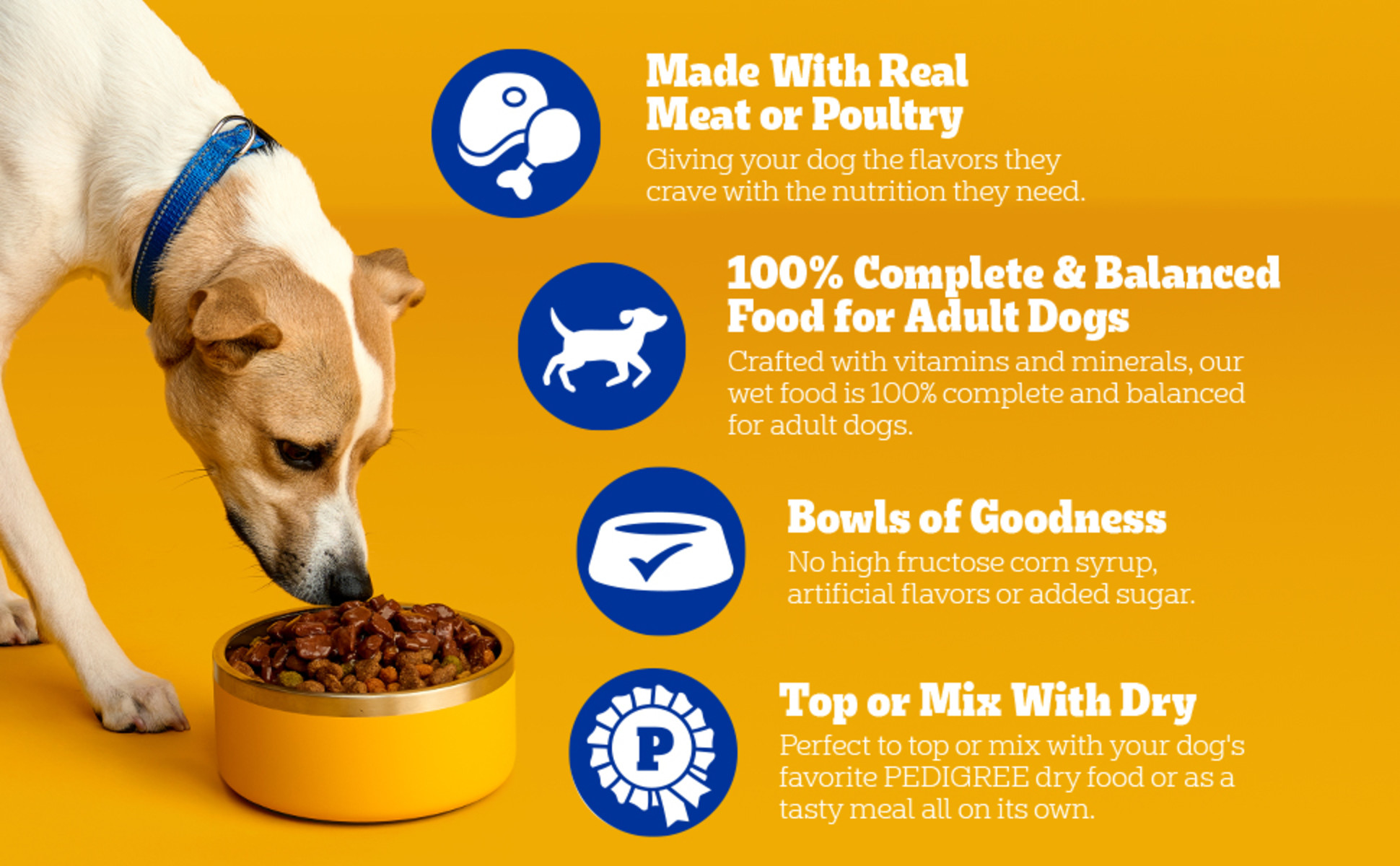
Start by blending a small amount of wet food with your dog’s usual dry food. This mix lets your dog get used to the new taste and texture without overwhelming them. Try a ratio like 25% wet food and 75% dry food for the first few days.
Observe how your dog reacts to the blend. If they seem excited and finish their bowl, you’re on the right track. If they hesitate, reduce the wet food portion and increase it more gradually.
Gradual Change Schedule
Create a simple schedule to increase wet food slowly over 7 to 10 days. For example:
| Day | Wet Food Percentage | Dry Food Percentage |
|---|---|---|
| 1-3 | 25% | 75% |
| 4-6 | 50% | 50% |
| 7-9 | 75% | 25% |
| 10 | 100% | 0% |
This pace helps avoid digestive upset and lets your dog’s system adjust naturally. You can tweak the timeline depending on how your dog handles the change.
Monitoring Dog’s Response
Watch your dog closely for any signs of discomfort like vomiting, diarrhea, or decreased appetite. These can indicate the transition is too fast or the wet food isn’t agreeing with them. If you notice any issues, slow down the process or consult your vet.
Also, pay attention to your dog’s energy and mood. Are they more enthusiastic at mealtime? Do they seem happier overall? Positive changes often mean you’ve found the right balance.
Have you noticed your dog’s preferences shifting during the switch? Their response can guide you better than any chart or schedule.
Common Feeding Mistakes
Feeding your dog wet food seems simple, but many pet owners make common mistakes. These errors can affect your dog’s health and happiness. Understanding what to avoid helps you give the right amount of food every day.
Overfeeding Risks
Giving too much wet food can cause weight gain quickly. Overfeeding stresses your dog’s organs and joints. It can lead to obesity, diabetes, and other health problems. Watch portion sizes carefully and follow feeding guidelines on the food label.
Ignoring Hydration
Wet food contains water, but dogs still need fresh water daily. Relying only on wet food for hydration can cause dehydration. Always provide clean water alongside meals. Hydration supports digestion and overall health.
Skipping Regular Weigh-ins
Not weighing your dog regularly can hide weight changes. Small gains or losses affect feeding needs. Track your dog’s weight every month to adjust food amounts correctly. This simple step helps keep your dog fit and healthy.
Credit: www.houndsy.com
Customizing Feeding For Special Needs
Feeding your dog wet food requires attention to their unique needs. Every dog is different, and their diet must reflect their life stage and health. Adjusting the amount and type of wet food helps keep your dog healthy and happy.
Puppies Vs. Adult Dogs
Puppies need more calories and nutrients for growth. Their meals should be smaller but more frequent. Wet food for puppies should be rich in protein and fat. Adult dogs require fewer calories but balanced nutrition. Feeding adult dogs too much wet food can cause weight gain.
Senior Dog Adjustments
Older dogs often have slower metabolisms. They may need fewer calories but more fiber. Wet food with joint-supporting ingredients helps maintain mobility. Soft textures in wet food can ease chewing problems. Monitor their weight and adjust portions to prevent obesity or malnutrition.
Managing Weight Issues
Weight control is vital for dogs with obesity or underweight problems. Use wet food with controlled fat and calories for overweight dogs. For underweight dogs, select nutrient-dense wet food with higher calories. Measure portions carefully and avoid free feeding. Regularly weigh your dog to track progress and adjust feeding amounts.
Expert Tips For Feeding Wet Food
Feeding wet food to your dog needs some care and attention. It is important to keep the food fresh and serve the right amount. These tips help you make the best choices for your pet’s health and happiness.
Storage And Freshness
Wet food spoils quickly once opened. Always store leftovers in the fridge. Use an airtight container or cover the dish tightly. Check the expiration date before feeding. Serve food at room temperature for better taste. Throw away any food left out for more than two hours.
Feeding Frequency
Most adult dogs do well with two meals a day. Puppies may need three to four smaller meals daily. Adjust the amount based on your dog’s size and activity level. Watch your dog’s weight and energy to find the right balance. Avoid overfeeding to keep your dog healthy.
Combining Wet And Dry Food
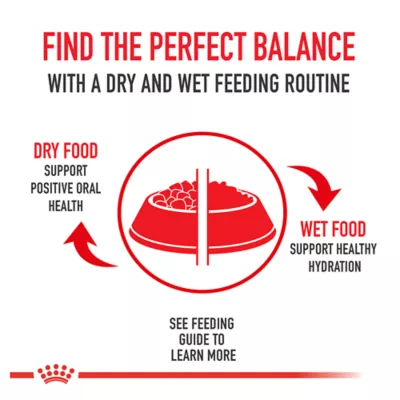
Mixing wet and dry food can offer variety and benefits. Start by replacing part of the dry food with wet food. Keep the total daily calories the same. This helps prevent weight gain. Wet food adds moisture, which supports hydration. Always introduce new foods slowly to avoid upset stomachs.
Frequently Asked Questions
How Much Wet Food Should I Feed My Dog Daily?
Feed your dog based on weight and activity level. Generally, 1/3 to 1 can of wet food per 10 pounds is ideal. Adjust portions if mixed with dry food or treats.
Can I Feed Only Wet Food To My Dog?
Yes, wet food can be a complete diet. Ensure it meets AAFCO standards for balanced nutrition. Consult your vet for specific needs.
How To Transition My Dog To Wet Food Safely?
Gradually mix wet food with dry over 7-10 days. Increase wet food amount slowly to avoid digestive upset. Monitor your dog's response closely.
Does Wet Food Provide Enough Hydration For Dogs?
Wet food contains about 70-80% water, helping hydration. It’s beneficial for dogs who drink less water. Always provide fresh water alongside meals.
Conclusion
Feeding your dog the right amount of wet food keeps them healthy and happy. Watch their weight and energy levels often. Adjust food portions based on their age, size, and activity. Always check the package instructions for guidance. Fresh water should be available at all times.
Consult your vet if unsure about feeding amounts. A well-fed dog is a joyful companion. Small changes make a big difference in their diet. Keep feeding simple and consistent for the best results. Your dog will thank you with wagging tails and bright eyes.