Are you worried about what's really in your small dog's kibble? You're not alone.
Many pet owners are turning to homemade dog food as a healthier, more personalized option for their furry friends. Imagine knowing exactly what goes into every bite your dog takes. It's more than just food—it's love in a bowl. But where do you start?
How do you ensure your pup gets all the nutrients they need while tantalizing their taste buds? In this guide, you'll discover simple recipes and tips to create balanced, delicious meals for your small dog right in your own kitchen. Ready to transform your pet’s diet and watch them thrive? Let's get cooking!
Benefits Of Homemade Dog Food
Choosing to make homemade dog food can transform your small dog’s diet and overall health. You gain the power to tailor meals that truly fit your pet’s needs. This approach offers benefits that go beyond just feeding—it builds a foundation for a happier, healthier life.
Improved Nutrition
When you prepare food at home, you control the quality and balance of nutrients. You can choose fresh, whole ingredients that provide essential vitamins and minerals. This level of care often results in better digestion and more energy for your small dog.
Have you noticed how some commercial foods leave your dog feeling sluggish or bloated? Homemade meals can fix that by avoiding fillers and artificial additives.
Control Over Ingredients
Knowing exactly what goes into your dog’s bowl lets you avoid harmful additives and preservatives. You can pick organic veggies, lean meats, and grains that suit your dog’s taste and health. This control also helps prevent exposure to common allergens and toxins found in some store-bought foods.
Your dog deserves meals made from trusted sources you can verify, not mystery ingredients.
Cost-effectiveness
Feeding your dog homemade meals doesn’t have to break the bank. Buying ingredients in bulk and using seasonal produce can save money over time. Plus, avoiding costly vet visits due to diet-related issues adds another layer of savings.
Think about the long-term benefits: investing a bit of time in cooking now can reduce unexpected expenses later.
Customization For Allergies
Does your dog struggle with food allergies or sensitivities? Homemade dog food lets you eliminate problem ingredients easily. You can experiment with alternative proteins or avoid grains that trigger reactions.
Customizing meals this way can improve your dog’s comfort and reduce itchy skin or digestive upset. How much better would your dog feel if you tailored every meal to their unique needs?
Essential Nutrients For Small Dogs
Small dogs have unique dietary needs. Their tiny bodies require the right balance of nutrients for energy and health. Homemade dog food must include essential nutrients to keep small dogs strong and happy. Understanding these nutrients helps you prepare meals that support their growth and well-being.
Proteins And Amino Acids
Proteins are vital for muscle and tissue repair. Small dogs need high-quality protein sources. Good options include chicken, turkey, and fish. Amino acids, the building blocks of protein, support immune health and energy. Make sure meals contain complete proteins for a balanced diet.
Healthy Fats
Fats provide energy and help absorb vitamins. Omega-3 and Omega-6 fatty acids improve skin and coat health. Sources like fish oil, flaxseed, and chicken fat work well. Healthy fats also support brain function and reduce inflammation. Use them in moderate amounts for best results.
Carbohydrates And Fiber
Carbohydrates give small dogs quick energy. Brown rice, sweet potatoes, and oats are good choices. Fiber aids digestion and keeps bowel movements regular. Vegetables like carrots and green beans add fiber and nutrients. Balance carbs and fiber for steady energy and gut health.
Vitamins And Minerals
Vitamins and minerals support overall health and immunity. Calcium and phosphorus keep bones strong. Vitamin A and E protect skin and eyes. Include fruits and vegetables like spinach and blueberries for natural vitamins. A balanced mix of these nutrients ensures a healthy diet.
Safe Ingredients To Use
Choosing safe ingredients is key to making healthy homemade dog food for small dogs. Each ingredient must support your pet’s health and digestion. Always select fresh, high-quality foods without harmful additives. Avoid ingredients that can cause allergies or upset your dog’s stomach. This section covers safe options to include in your dog’s meals.
Lean Meats And Fish
- Chicken breast: low fat and high protein
- Turkey: easy to digest and rich in nutrients
- Lean beef: provides essential amino acids
- Salmon: rich in omega-3 fatty acids
- White fish like cod or tilapia: gentle on the stomach
Cook all meats thoroughly to kill bacteria. Remove bones to prevent choking. Avoid processed meats with added salt or spices.
Vegetables And Fruits
- Carrots: good for teeth and vitamins
- Green beans: low calories and high fiber
- Sweet potatoes: source of fiber and vitamins
- Peas: rich in vitamins and minerals
- Apples (without seeds): provide vitamins and antioxidants
Serve vegetables cooked or finely chopped. Avoid onions, garlic, grapes, and raisins as they are toxic to dogs.
Grains And Legumes
- Brown rice: easy to digest and provides energy
- Oatmeal: good source of fiber
- Quinoa: rich in protein and gluten-free
- Lentils: provide protein and fiber
- Chickpeas: add protein and nutrients
Cook grains and legumes fully to improve digestibility. Introduce these foods gradually to avoid digestive upset.
Supplements And Oils
- Fish oil: supports skin and coat health
- Flaxseed oil: source of omega-3 fatty acids
- Calcium supplements: important for bone health
- Probiotics: aid in digestion
- Vitamin E: supports immune function
Consult a vet before adding supplements. Use oils in small amounts to prevent weight gain.

Credit: www.chewy.com
Ingredients To Avoid
Making homemade dog food for your small dog can be rewarding, but it’s crucial to know which ingredients to steer clear of. Some foods can harm your dog’s health, cause digestive issues, or even be toxic. Avoiding these will keep your furry friend safe and happy.
Toxic Foods For Dogs
Some common human foods are toxic to dogs and should never be included in their meals. Ingredients like chocolate, grapes, raisins, onions, and garlic can cause severe health problems. Even small amounts can be dangerous, so it’s better to be cautious and keep these off your dog’s plate.
Have you ever wondered why something as harmless as grapes can be so harmful? Dogs’ bodies can’t process certain compounds in these foods, leading to kidney failure or poisoning. Always double-check any ingredient before adding it to your dog’s food.
High-fat And Processed Items
High-fat foods and processed items can cause digestive upset and obesity in small dogs. Avoid giving fatty cuts of meat, fried foods, or anything containing a lot of grease. These can lead to pancreatitis, a painful and serious condition.
Processed foods often contain preservatives and fillers that offer no nutritional value and can harm your dog’s health. Instead, choose fresh, lean meats and wholesome vegetables. Your dog will feel better and have more energy with cleaner ingredients.
Seasonings And Additives
Seasonings like salt, pepper, and spices may enhance human meals but are not safe for dogs. Additives such as artificial sweeteners, especially xylitol, are extremely toxic. Even small quantities can cause dangerous drops in blood sugar and liver damage.
Many dog owners don’t realize that common flavor enhancers can hurt their pets. Keep your homemade dog food simple and natural. If you want to add flavor, try dog-safe herbs like parsley or a little plain pumpkin for digestion.
Basic Cooking Tips For Dog Food
Preparing homemade dog food for your small dog can be rewarding, but it requires attention to detail. Proper cooking ensures your dog gets the right nutrients without harmful bacteria. These basic cooking tips will help you serve meals that are both safe and delicious for your furry friend.
Proper Food Preparation
Start by washing your hands and all utensils thoroughly to avoid contamination. Use fresh, high-quality ingredients like lean meats, vegetables, and grains. Cut food into small, manageable pieces suitable for your small dog's bite size.
Remove any bones from meat to prevent choking hazards. Avoid using ingredients toxic to dogs, such as onions, garlic, and chocolate. Rinsing vegetables before cooking helps remove dirt and pesticides, making the meal safer.
Cooking Methods
Boiling and steaming are gentle cooking methods that preserve nutrients while making food easy to digest. You can also bake certain ingredients, like sweet potatoes or chicken, to add variety to your dog's diet.
Avoid frying or seasoning your dog’s food. Oils and spices can upset their stomach or cause allergic reactions. Consider cooking in bulk and freezing portions to save time without compromising freshness.
Storage And Shelf Life
Store homemade dog food in airtight containers to keep it fresh longer. Refrigerate portions you’ll use within 3 days and freeze the rest for up to 2 weeks. Label containers with the date to track freshness easily.
Thaw frozen food in the refrigerator overnight before serving. Never leave homemade dog food at room temperature for more than two hours to prevent bacterial growth. Have you noticed how proper storage keeps your dog’s meals tasty and safe?

Credit: mimisorganiceats.com
Easy Homemade Recipes
Making homemade dog food for your small dog doesn't have to be complicated. Simple recipes using common ingredients can provide balanced nutrition and keep your pup excited at mealtime. Here are some easy recipes you can try that combine protein, veggies, and grains to fuel your dog’s energy and health.
Chicken And Rice Delight
This classic combo offers gentle digestion and lean protein. Start by boiling boneless, skinless chicken breasts until fully cooked. Mix shredded chicken with cooked white rice and steamed carrots for a tasty, easy-to-digest meal.
Add a teaspoon of olive oil for healthy fats and sprinkle a pinch of calcium powder if your vet recommends it. Does your dog love chicken? This recipe might become their favorite quick meal.
Beef And Vegetable Mix
Ground beef provides rich iron and protein that small dogs need. Brown the beef in a pan without any seasoning. Then, stir in finely chopped green beans and cooked sweet potatoes for vitamins and fiber.
Make sure the veggies are soft to avoid choking hazards. You can freeze individual portions to save time on busy days. How often do you change your dog’s meal flavors to keep them interested?
Salmon And Sweet Potato
Salmon is packed with omega-3 fatty acids, great for coat and skin health. Bake or steam a salmon fillet and flake it apart carefully to remove bones. Combine it with mashed sweet potato and a handful of peas for a nutrient-rich bowl.
This recipe is perfect if your dog has sensitive skin or allergies. Have you noticed changes in your dog’s skin when you switch to fish-based meals?
Turkey And Quinoa Bowl
Lean turkey and quinoa make a protein-packed, gluten-free meal. Cook ground turkey thoroughly and mix it with cooked quinoa and steamed spinach. Quinoa adds essential amino acids, while spinach boosts iron and antioxidants.
Add a splash of low-sodium chicken broth for flavor and moisture. Does your small dog enjoy leafy greens, or do you need to hide them in meals?
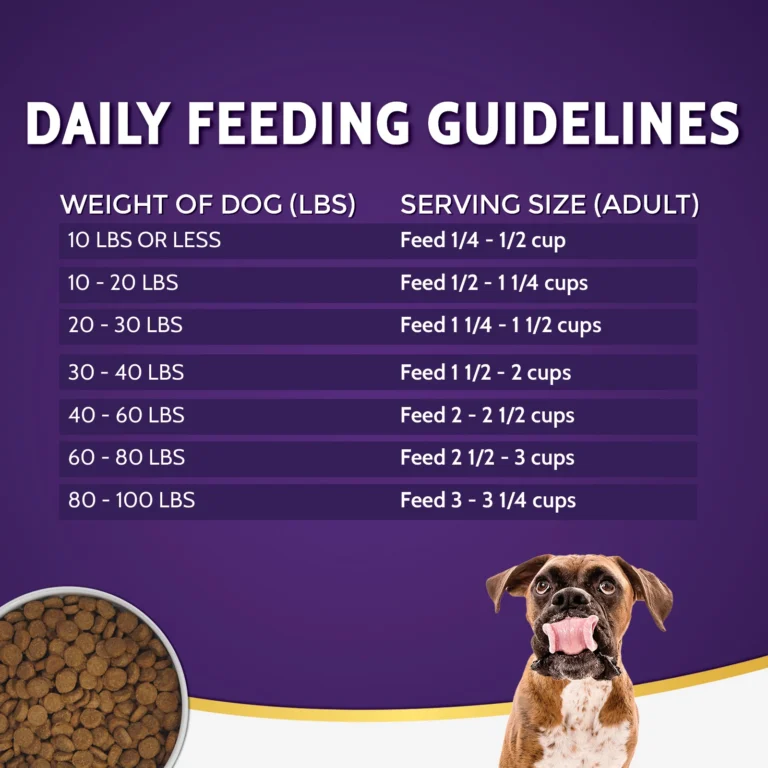
Portion Sizes And Feeding Guidelines
Feeding small dogs homemade food requires careful attention to portion sizes. Small dogs have different nutritional needs than large breeds. Giving the right amount helps keep them healthy and active. Too much food can cause weight gain. Too little food may lead to nutrient deficiencies. Follow clear feeding guidelines to balance their diet well.
Calculating Daily Requirements
Start by finding your dog’s ideal weight. Use this formula for daily calorie needs:
- Resting Energy Requirement (RER):70 x (weight in kg)0.75
- Daily Energy Requirement (DER):RER x activity factor
For small dogs, the activity factor is usually between 1.2 and 1.6. This depends on how active your dog is. Use this number to calculate the total calories needed each day. Divide the calories into two or three meals. This keeps their energy steady throughout the day.
Adjusting For Activity And Age
Young puppies need more calories than adult dogs. They grow fast and burn energy quickly. Older dogs need fewer calories to avoid weight gain. Active dogs require more food to maintain energy. Less active dogs need smaller portions to stay fit.
Adjust food portions regularly based on weight and activity changes. Watch your dog’s body condition. You can feel their ribs but not see them. If your dog gains or loses weight, change the portion size.
Transitioning From Commercial Food
Switch to homemade food gradually over 7 to 10 days. Start by mixing 25% homemade with 75% commercial food. Increase homemade food by 25% every few days. This helps your dog’s digestive system adjust.
Monitor your dog for any signs of upset stomach. Change meal portions slowly to avoid digestive issues. Keep meals consistent in timing and size. This creates a stable routine for your dog.
Common Mistakes To Avoid
Making homemade dog food for small dogs can be rewarding. Yet, some common mistakes can harm your pet’s health. Avoiding these errors ensures your dog stays happy and strong.
Imbalanced Diets
Small dogs need a balanced diet with the right nutrients. Too much protein or fat can cause health issues. Missing essential vitamins and minerals lowers energy and weakens the immune system. Use recipes designed for small dogs. Include vegetables, grains, and lean meats in proper amounts.
Overfeeding Or Underfeeding
Feeding too much leads to obesity and joint problems. Too little food causes weakness and poor growth. Small dogs have fast metabolisms but small stomachs. Measure portions carefully. Adjust food amounts based on your dog’s weight and activity level.
Ignoring Veterinary Advice
Veterinarians know your dog’s specific needs best. Ignoring their advice risks nutrient deficiencies or allergies. Regular check-ups help track your dog’s health. Consult a vet before changing diets. Share your homemade food plan for guidance.
When To Consult A Vet
Making homemade dog food for your small dog is rewarding. Still, some situations need expert advice. Knowing when to consult a vet ensures your dog's health stays on track. A vet can guide you in avoiding common pitfalls and tailor food to your dog’s needs.
Health Concerns And Allergies
Watch for signs of allergies like itching, swelling, or vomiting. Sudden changes in behavior or digestion also need attention. A vet can identify health issues that homemade food might trigger or worsen. Early intervention prevents severe problems and keeps your dog comfortable.
Nutritional Deficiencies
Homemade food may lack essential vitamins and minerals. Small dogs need balanced nutrition to stay active and healthy. A vet can recommend supplements or food adjustments. Regular check-ups help catch deficiencies before they cause harm.
Special Dietary Needs
Some small dogs require special diets due to age or illness. Conditions like kidney disease or diabetes need precise food plans. A vet provides personalized advice for these cases. Following their guidance supports your dog’s long-term well-being.

Credit: dogchild.co
Frequently Asked Questions
What Ingredients Are Best For Homemade Dog Food?
High-quality proteins like chicken, turkey, or fish are ideal. Include vegetables like carrots and peas for nutrients. Add healthy grains such as brown rice or oats. Avoid toxic foods like onions and grapes to keep your dog safe.
How Much Homemade Food Should I Feed My Small Dog?
Feed about 2-3% of your dog’s body weight daily. Divide the portion into two or three meals. Adjust based on activity level and metabolism. Consult your vet for personalized feeding amounts.
Can Homemade Dog Food Meet All Nutritional Needs?
Yes, if balanced properly with proteins, fats, carbs, vitamins, and minerals. Use supplements like fish oil or calcium if needed. Regular vet checkups ensure nutritional adequacy and health.
How Do I Safely Store Homemade Dog Food?
Store in airtight containers in the refrigerator for up to 3 days. Freeze portions for longer storage, up to 2 weeks. Always thaw in the fridge and reheat to room temperature before serving.
Conclusion
Making homemade dog food for small dogs is simple and rewarding. You control the ingredients and nutrition. Always include proteins, veggies, and healthy fats. Keep portions small and suited to your dog’s size. Watch for any allergies or reactions. Fresh food helps keep your dog happy and healthy.
It saves money and builds a stronger bond. Try new recipes and enjoy feeding your pet. Care and love show in every meal you prepare. Your small dog deserves the best nutrition you can give.