
If you have a furry friend at home, you’ve probably wondered whether a ramp or stairs would be better for your dog. Choosing the right option can make a big difference in your dog’s comfort, safety, and happiness.
You want to protect your pet from injury and make their daily life easier. But which one truly fits your dog’s needs? Keep reading, and you’ll discover the key factors to consider so you can make the best choice for your loyal companion.
Benefits Of Using Ramps
Using a ramp for your dog offers several practical benefits that can improve their daily comfort and health. Unlike stairs, ramps provide a gentle slope that minimizes strain and supports easier movement. This simple change can make a big difference, especially if your dog faces physical challenges.
Ease On Joints And Muscles
Ramps reduce the impact on your dog’s joints and muscles by eliminating the need to jump or climb steep steps. This is especially important for dogs prone to arthritis or hip dysplasia. You might notice your dog moving more confidently and with less hesitation when using a ramp.
Have you ever seen a dog hesitate before climbing stairs? A ramp can take away that worry by offering a smooth, continuous surface.
Ideal For Aging Dogs
Aging dogs often struggle with stairs because their mobility decreases over time. Ramps provide a safer and less stressful way for them to access elevated spaces like beds or cars. My neighbor’s senior golden retriever started using a ramp, and now he’s eager to hop into the car without any help.
Would your older dog benefit from a little extra support during daily activities?
Suitability For Small Breeds
Small breed dogs often find stairs difficult due to their short legs and limited jumping ability. Ramps offer a perfectly sized alternative that matches their stride and pace. This can help prevent injuries caused by awkward landings or missed steps.
Think about your tiny dog—doesn’t a ramp seem like a safer option to get around your home or vehicle?
Advantages Of Stairs For Dogs
Choosing stairs for your dog has several benefits that go beyond just helping them get up and down furniture or vehicles. Stairs can actively contribute to your dog's physical health and fit well in homes where space is limited. They also cater to dogs who naturally enjoy movement and climbing, making them a practical choice for many pet owners.
Promotes Strength And Agility
Using stairs regularly helps your dog build muscle strength, especially in their legs and core. This can improve their overall agility and balance, which is essential as they age. Have you noticed how your dog seems more confident and sure-footed after mastering stairs?
Space-saving Design
Stairs take up less floor space compared to ramps, which can be a big advantage in smaller homes or apartments. They can fit neatly against furniture or walls, keeping your living area tidy. If you’re tight on room but want to support your dog’s mobility, stairs might be the smarter choice.
Natural For Active Dogs
Many dogs instinctively enjoy climbing and jumping, making stairs a natural option for them. Stairs can engage their natural instincts and provide mental stimulation alongside physical exercise. Have you ever seen your dog eagerly race up and down the stairs like it’s a fun game? That enthusiasm shows how stairs can fit their active lifestyle perfectly.
Safety Considerations
Choosing between a ramp or stairs for your dog involves serious safety considerations. Your dog's well-being depends on more than just convenience; it hinges on how secure and comfortable the option is. Let's look closely at key safety factors that help you make the best choice.
Material And Traction
The surface your dog walks on must provide solid grip. Slippery materials like smooth wood or metal can lead to falls and injuries. Look for ramps or stairs covered with non-slip materials such as rubber mats or textured carpet.
Think about your dog's paw size and coat type. Dogs with short nails or smooth paws may need extra traction. Have you noticed your dog slipping on hardwood floors? That same caution applies here.
Proper Height And Slope
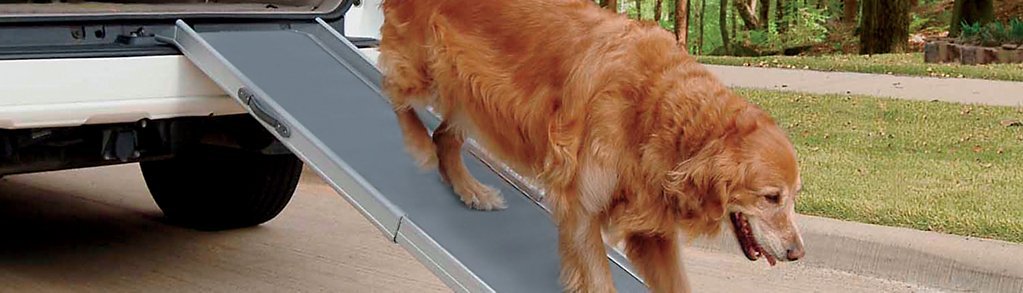
The height and angle of ramps or stairs should match your dog's size and agility. Steep ramps can strain joints, especially for older or arthritic dogs. Ideally, ramps should have a gentle slope—around 18 to 25 degrees—to keep your dog comfortable and safe.
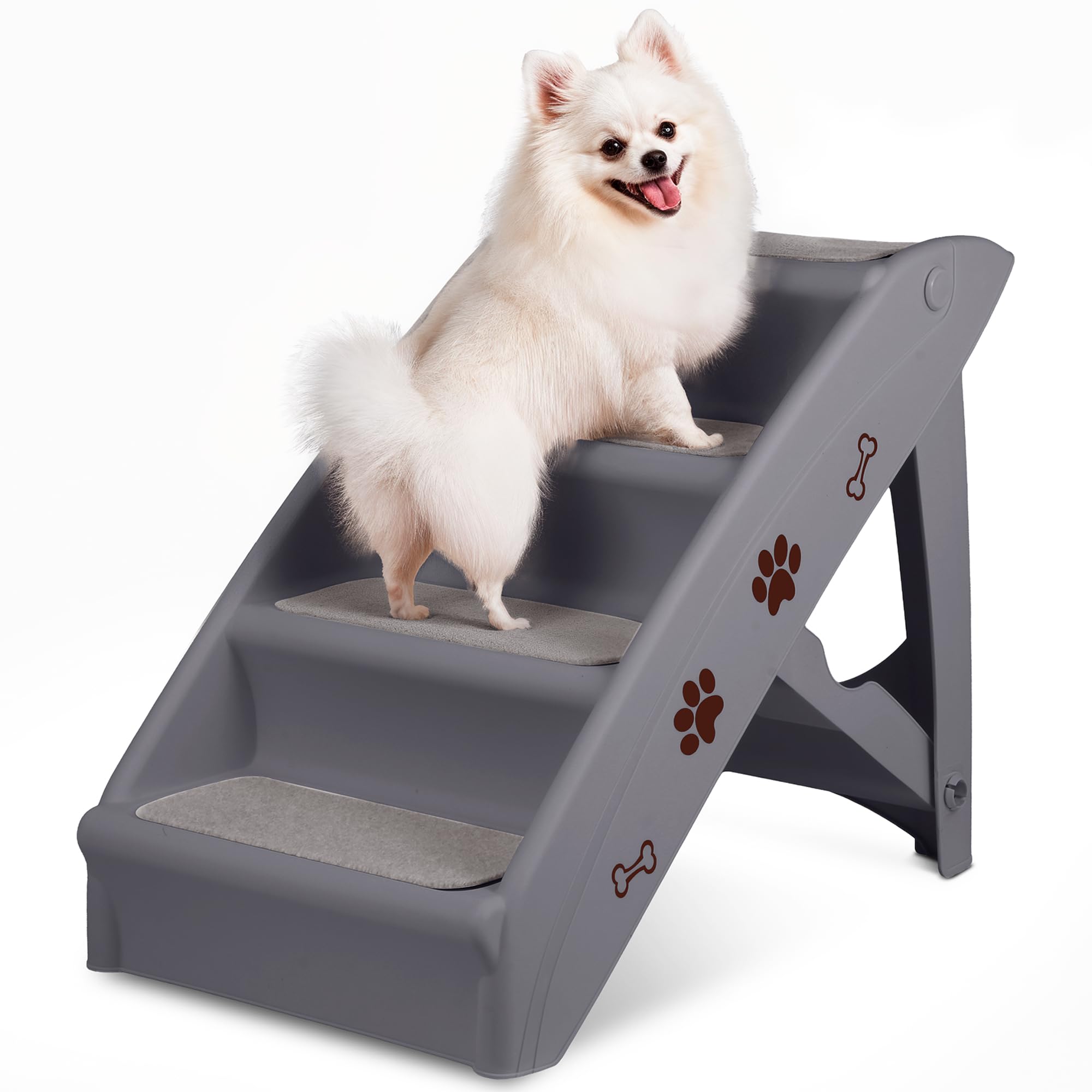
Stairs need to have a step height your dog can easily manage without jumping. Small breeds or dogs with mobility issues may struggle with standard stair heights. Can you imagine your dog hesitating or refusing to climb? Adjusting dimensions can prevent that.
Supervision And Training
Even the safest ramp or stairs require your guidance at first. Supervise your dog during initial use to prevent accidents. Use treats and positive reinforcement to build their confidence and familiarity.
Training helps your dog learn the correct way to use the ramp or stairs. Without it, they might rush, slip, or avoid using the tool altogether. How patient are you willing to be in teaching your dog this new skill?
Credit: www.amazon.com
Comfort Factors For Dogs
Comfort plays a big role in choosing between a ramp or stairs for dogs. Dogs need a safe and cozy way to climb up or down. The right choice depends on how comfortable the dog feels using it. Several factors affect this comfort. These include the surface texture, size, width, noise, and stability of the ramp or stairs.
Surface Texture
The surface must be gentle on your dog's paws. Rough or slippery surfaces can cause discomfort or injury. Soft, non-slip materials give better grip and prevent slipping. Textured surfaces help dogs feel secure while moving. Avoid smooth or hard surfaces that might scare your dog.
Size And Width
The ramp or stairs should fit your dog's size. A narrow path can make a dog feel unsafe. Wide ramps or stairs allow dogs to move freely and confidently. Proper height and length reduce strain on joints. Size matters for both small and large dogs to feel at ease.
Noise And Stability
Dogs dislike loud, creaky surfaces. Noise can scare them away from using the ramp or stairs. Choose materials that absorb sound well. Stability is key to comfort. Wobbly ramps or stairs cause fear and hesitation. A steady, firm base helps dogs feel calm and safe.
Choosing Based On Dog’s Health
Choosing between a ramp or stairs depends a lot on your dog’s health condition. Their comfort and safety come first. Different health issues affect how dogs move and what they prefer. Understanding these details helps pick the best option for your furry friend.
Arthritis And Mobility Issues
Dogs with arthritis or joint pain benefit from ramps. Ramps reduce strain on hips and knees. Stairs can be hard on aching joints. A gentle slope makes climbing easier and less painful. Ramps also prevent sudden jumps that may hurt sensitive limbs.
Weight And Size Impact
Heavy or large dogs find ramps easier to use than stairs. Stairs require lifting their full body weight with each step. Ramps spread the effort over a smooth surface. Small dogs may manage stairs better but still need safe, stable steps. Choose a ramp with a good grip surface for all sizes.
Behavioral Preferences
Some dogs prefer stairs because they feel more natural. Others like ramps for the steady incline. Watch your dog’s behavior around both. Signs like hesitation or fear show what suits them less. Let your dog explore both options calmly before deciding.
Installation And Maintenance Tips
Choosing between a ramp or stairs for your dog is just the start. How you install and maintain these options can make a big difference in your dog's comfort and safety. Proper placement, regular cleaning, and considering portability all play key roles in keeping your pet happy and healthy.
Location And Placement
Place the ramp or stairs where your dog naturally wants to go, like near the couch or car door. Make sure the surface is stable and won’t slip during use. Avoid spots with heavy foot traffic to prevent accidents and distractions.
Think about sunlight and weather exposure if the ramp or stairs are outside. Direct sun can make surfaces too hot or cause wear. Would a shaded spot keep your dog cooler and more comfortable?
Cleaning And Upkeep
Keep ramps and stairs clean to avoid dirt and germs building up. Wipe down surfaces weekly with pet-safe cleaners to prevent slips and odors. Check for loose screws or worn-out parts that could cause injury.
Inspect the traction regularly. Adding non-slip tape or mats can help if you notice your dog struggling to grip. How often do you check your dog’s equipment for safety?
Adjustability And Portability
If you move your ramp or stairs around, choose models that fold or collapse easily. This makes storage simpler and helps you bring it on trips or visits. Adjustable height features ensure your dog can use it comfortably as they grow or age.
Think about the weight and material, too. Lightweight ramps made of aluminum or plastic are easier to carry but still sturdy. Would a portable option make your dog’s daily routine smoother?
Expert Recommendations
Experts in pet care often emphasize the importance of choosing the right option between ramps and stairs based on your dog’s specific needs. The decision isn't just about convenience; it affects your dog’s health and safety. Understanding when to use ramps, stairs, or a combination can make a big difference in your furry friend’s daily comfort.
When To Opt For Ramps
Ramps are highly recommended for dogs with mobility challenges such as arthritis, hip dysplasia, or those recovering from surgery. The gentle slope reduces strain on joints and muscles, making it easier for them to move up and down without pain.
Think about the size and weight of your dog too. Small breeds or older dogs often find ramps less intimidating than stairs. If your dog hesitates or struggles with steps, a ramp might be the safer choice.
When Stairs Work Best
Stairs suit dogs that are active, healthy, and comfortable with climbing. They help maintain muscle strength and coordination, providing a bit of exercise while allowing your dog to reach higher places.
Stairs can also save space in your home and offer better traction if made with non-slip materials. If your dog is confident and agile, stairs might even be quicker and easier than a ramp.
Combining Both Options
Sometimes, a mix of ramps and stairs is the best solution. For example, you might use stairs for everyday activities but have a ramp available for older or injured dogs.
This combination offers flexibility and ensures safety for all members of your family. Have you noticed your dog preferring one over the other? Offering both can give you insights into their comfort and needs.

Credit: www.amazon.com

Credit: walkinpets.com
Frequently Asked Questions
Which Is Safer For Dogs: Ramps Or Stairs?
Ramps are generally safer for dogs with mobility issues. They provide a gentle incline, reducing joint strain. Stairs may cause slips or falls, especially for older or small dogs. Choose based on your dog’s age, size, and health condition for optimal safety.
When Should I Use A Ramp Instead Of Stairs?
Use a ramp if your dog has arthritis, hip dysplasia, or is recovering from surgery. Ramps offer a smoother, low-impact surface that eases movement. They are ideal for senior dogs or puppies still developing strength and coordination.
Do Ramps Help Dogs With Joint Problems?
Yes, ramps reduce stress on joints by providing a gradual incline. This prevents jumping or climbing, which can worsen joint pain. Ramps help maintain mobility and comfort for dogs with arthritis or hip issues.
Are Stairs Better For Active And Healthy Dogs?
Stairs may suit active, healthy dogs who enjoy climbing and jumping. They offer exercise benefits and muscle strengthening. However, always monitor your dog’s ability and ensure stairs have non-slip surfaces for safety.
Conclusion
Choosing between a ramp or stairs depends on your dog's needs. Older dogs or those with joint issues prefer ramps. They are gentle on the joints and easy to use. Stairs work well for young, healthy dogs. They save space and are often more cost-effective.
Consider your dog's size and health. Observe their comfort with each option. Both ramps and stairs have benefits. Ensure safety and comfort for your furry friend. Choose wisely to keep them happy and healthy.