Training your dog to give paw is one of the simplest and most fun tricks you can teach. Imagine the joy you’ll feel when your furry friend eagerly lifts their paw just because you asked.
Not only does this trick strengthen your bond, but it also boosts your dog’s confidence and focus. If you want to impress your friends or simply enjoy a playful moment with your pet, you’re in the right place. Keep reading, and you’ll discover easy, step-by-step tips to train your dog to give paw quickly and effectively.

Credit: pupford.com
Preparing For Training
Preparing for training your dog to give paw sets the foundation for success. How you arrange the space, tools, and expectations can make a big difference in how smoothly your sessions go. Taking time to get ready helps both you and your dog stay focused and motivated.
Choosing The Right Environment
Pick a quiet spot free from distractions like loud noises or other pets. Your dog should feel comfortable and safe in this space. Training in a familiar room or a calm backyard often works best.
Consider the lighting and floor type too—soft surfaces can make your dog more willing to sit or stay still. Have you noticed how your dog reacts to different rooms? Use the spot where they seem most relaxed.
Gathering Training Supplies
Gather everything you’ll need before you start to avoid interruptions. Treats are essential; use small, tasty rewards your dog loves. Clickers or favorite toys can add variety and keep your dog engaged.
Keep supplies within reach but out of your dog's sight until you begin. This keeps their attention on you, not the goodies. Have a leash handy if your dog tends to wander during training.
Setting Realistic Goals
Set clear, achievable milestones for each training session. Instead of expecting your dog to master the paw command in one go, aim for small progress like touching your hand first. Celebrate these tiny wins to keep motivation high.
Ask yourself: What can my dog realistically do today? Breaking the training into bite-sized steps prevents frustration for both of you. Patience and consistency are your best tools here.
Basic Commands To Know
Before teaching your dog to give paw, mastering some basic commands is essential. These commands create a foundation of communication between you and your dog. They also help your dog focus, making the paw trick easier to learn.
Teaching Sit And Stay
Start with the sitcommand. It’s one of the easiest for dogs to learn and keeps them steady during training. Hold a treat close to your dog’s nose, then slowly move it upward. Your dog will naturally sit to follow the treat.
Once your dog sits consistently, introduce the staycommand. Ask your dog to sit, then hold your palm out like a stop sign and say "stay." Take a step back and reward your dog if they hold the position. Increase the distance gradually to build patience.
Building Attention Skills
Getting your dog’s attention is crucial when teaching any trick. Use their name to snap them out of distractions. When your dog looks at you, reward them immediately to reinforce focus.
Try simple games like "look at me" during walks or playtime. This builds a habit of checking in with you, which comes in handy when you ask for a paw. How often do you catch your dog ignoring you? Training attention can change that dynamic.
Step-by-step Paw Training
Teaching your dog to give paw is a simple and fun trick. It builds trust and improves communication. This step-by-step guide breaks down the process. Follow each part carefully to help your dog learn quickly.
Introducing The Paw Command
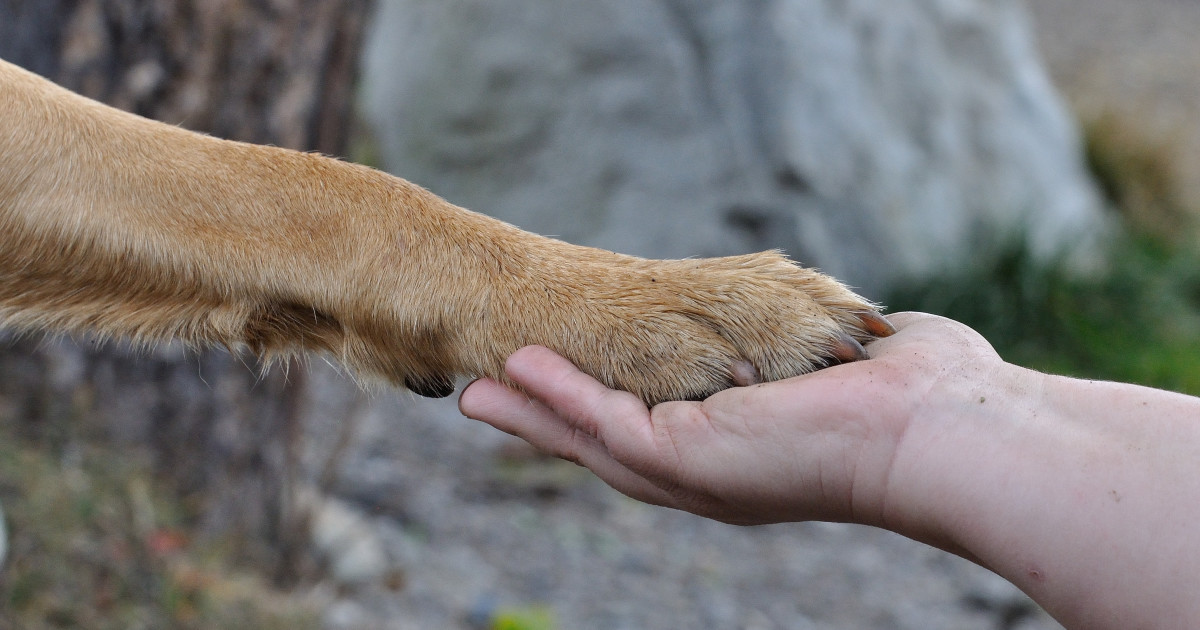
Start by sitting near your dog. Hold one hand out, palm up. Say a clear word like “paw” or “shake.” Wait calmly. Some dogs will naturally lift their paw to your hand. Praise your dog softly when it moves its paw. Repeat this several times. Keep sessions short to hold your dog’s attention.
Using Treats And Rewards
Use small treats that your dog loves. Show the treat in your hand to get attention. When your dog lifts its paw, give the treat quickly. Say “good” or “yes” to mark the action. Rewards help your dog connect the paw action with something positive. Avoid giving treats too late. Timing is key for fast learning.
Practicing The Gesture
Gently tap your dog’s paw if it does not lift it. Repeat the “paw” command while doing this. Always reward any attempt to move the paw. Practice in different places to help your dog generalize the trick. Keep training sessions to five minutes or less. End on a happy note with praise or play.
Credit: pethelpful.com
Common Challenges
Training a dog to give paw can have some bumps along the way. Challenges often arise that may slow progress or cause frustration. Understanding these common hurdles helps keep training on track and enjoyable for both you and your dog.
Dealing With Distractions
Distractions can stop your dog from focusing on training. Noises, other animals, or toys may pull their attention away. Start training in a quiet place with few distractions. Gradually add distractions as your dog improves. This helps your dog learn to focus no matter what is around.
Handling Reluctant Dogs
Some dogs may be shy or hesitant to lift their paw. They might need extra encouragement or time. Use gentle praise and treats to motivate them. Avoid forcing their paw. Let them try at their own pace. Patience builds trust and confidence in your dog.
Maintaining Consistency
Consistency is key for any dog training. Practice the paw command at the same time every day. Use the same words and hand signals. Reward good behavior right away. This helps your dog understand what you want clearly. Skipping sessions can confuse your dog and slow progress.
Advanced Tips For Success
Training your dog to give paw can be simple with basic steps. For better results, try some advanced tips. These tips help your dog understand commands faster and perform better. Use clear signals, keep sessions longer, and praise good behavior. This way, your dog stays motivated and learns well.
Incorporating Hand Signals
Dogs respond well to hand signals. Use a clear gesture along with your verbal command. For example, hold your palm up or point your finger. Repeat the same signal every time. This helps your dog link the action with the sign.
Hand signals are useful when noise is around. Your dog will recognize your command even without sound. Practice signals slowly, then speed up as your dog learns.
Extending Training Sessions
Short sessions work at the start. After your dog understands, make sessions longer. Add more repetitions and practice in different places. This helps your dog stay focused for longer.
Break sessions into small parts with short breaks. This stops your dog from getting tired or bored. Aim for 10 to 15 minutes per session. Train several times a day for best results.
Reinforcing Positive Behavior
Praise your dog immediately after a good paw. Use treats, petting, or kind words. Quick rewards make your dog want to repeat the action.
Ignore mistakes without punishment. Stay calm and guide your dog gently. Consistent positive feedback builds trust and eagerness to learn.
Change rewards now and then. This keeps your dog excited and interested in training.
Troubleshooting Training Issues
Training your dog to give paw can sometimes hit a few bumps along the way. Troubleshooting these issues early can keep your training on track and prevent frustration for both you and your dog. Understanding why your dog might not respond or how breed differences affect learning will help you adjust your approach effectively.
When Your Dog Doesn’t Respond
If your dog isn’t giving paw, don’t assume they’re being stubborn. Sometimes they might not understand what you want or they could be distracted. Try breaking the command into smaller steps and reward any movement toward the paw gesture.
Consider changing the timing of your rewards. Dogs respond best when praise or treats come immediately after the desired action. Are you waiting too long to reward? Try using a clicker or a consistent verbal marker like “yes” to signal the exact moment they do the right thing.
Also, check if your dog’s paw is sore or uncomfortable. They might avoid giving paw if it causes pain. Gently examine their paws and observe if they pull away or seem hesitant.
Adjusting Techniques For Different Breeds
Different breeds have different learning styles and physical traits that affect training. A Border Collie might pick up commands quickly, while a Bulldog may need more patience due to their stubbornness and slower pace.
For small or delicate breeds, use gentle encouragement and lighter pressure when guiding their paw. Larger breeds might require more physical guidance at first, but always avoid forcing their paw to prevent injury.
Think about your dog’s natural instincts. Hunting breeds, for example, respond well to play-based rewards, while working breeds often thrive on structured routines. What motivates your dog? Tailoring your training to their breed can make a big difference.
Benefits Of Paw Training
Training your dog to give paw offers more than just a cute trick to show off. It opens up opportunities to build a stronger connection with your furry friend, improves their behavior, and keeps their mind active. Understanding these benefits can motivate you to invest time and patience into this simple yet rewarding exercise.
Strengthening Bond
Teaching your dog to give paw creates moments of trust and cooperation. When your dog responds to your cue, it shows they understand and want to engage with you. This shared success builds a deeper connection between you and your pet, making daily interactions more enjoyable.
Have you noticed how your dog’s tail wags a little more after learning a new trick? That excitement is a sign of growing affection and respect. It’s a clear reminder that training isn’t just about commands—it’s about building friendship.
Enhancing Obedience
Training your dog to give paw sharpens their ability to follow instructions. It teaches patience and focus, which are essential for other commands and good behavior. By mastering a simple trick, your dog learns to listen carefully and respond promptly.
This skill can make walks, visits to the vet, or social gatherings easier to manage. When your dog understands that listening leads to positive outcomes, they become more cooperative overall. How often do you wish your dog would pay attention in distracting environments?
Boosting Mental Stimulation
Dogs need mental challenges just as much as physical exercise. Teaching them to give paw stimulates their brain and keeps boredom at bay. It requires your dog to think, process your signals, and respond accordingly.
Mental stimulation like this can reduce destructive behaviors caused by restlessness. It also encourages problem-solving skills and adaptability. How can you create more fun and learning in your dog’s daily routine?

Credit: fitpaws.com
Frequently Asked Questions
How Long Does It Take To Train A Dog To Give Paw?
Training a dog to give paw usually takes 1 to 2 weeks. Consistent daily sessions of 5 to 10 minutes help. Positive reinforcement speeds up learning. Patience and regular practice are key for success.
What Is The Best Reward For Paw Training?
Treats like small, soft snacks work best as rewards. Praise and petting also motivate dogs. Choose rewards your dog loves to keep them engaged. Timely rewards after the correct action reinforce the behavior effectively.
Can All Dog Breeds Learn To Give Paw?
Yes, all dog breeds can learn to give paw. Some breeds may learn faster due to temperament. Training techniques work well across breeds. Consistency and patience matter more than breed type for success.
How Do I Teach A Shy Dog To Give Paw?
Use gentle encouragement and soft praise for shy dogs. Start with short sessions to build confidence. Reward small progress to motivate them. Avoid force; patience and kindness yield better results.
Conclusion
Training your dog to give paw is rewarding. It strengthens your bond. Your pet learns a fun new trick. Start with patience and consistency. Use treats to encourage them. Practice regularly for best results. Celebrate each small success together. This builds trust and understanding.
Dogs love learning in a positive environment. Remember to keep sessions short. Avoid frustration by staying calm. Each dog learns at their own pace. Stay supportive and kind. Enjoy this journey with your furry friend. They will love showing off their new skill.
Happy training!