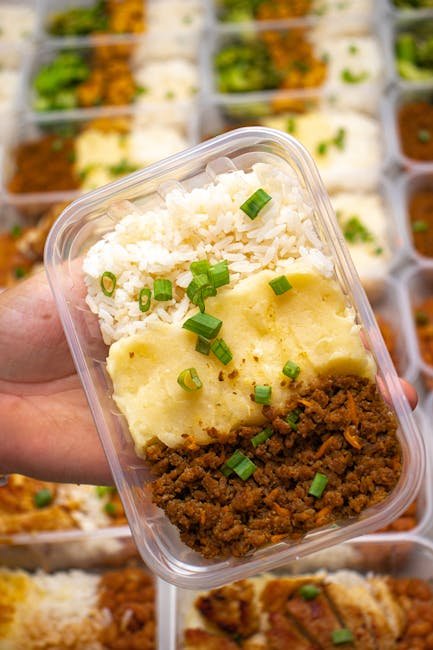
Are you wondering how much ground beef and rice to feed your dog? Finding the right balance can be tricky.
Too much or too little can affect your dog’s health and energy. You want to give your furry friend a meal that’s tasty, nutritious, and just right in portion size. You’ll discover simple guidelines to help you serve the perfect amount of ground beef and rice.
Keep reading to ensure your dog stays happy and healthy with every bite.
Factors Affecting Dog Portions
Determining the right amount of ground beef and rice to feed a dog depends on several key factors. Each dog has unique needs based on their body and lifestyle. Feeding the correct portion supports their health and energy. Understanding these factors helps avoid overfeeding or underfeeding.
Dog Size And Breed
Smaller breeds need less food than larger breeds. For example, a Chihuahua requires only a few ounces per meal. Large breeds like Labradors need bigger portions to maintain energy. Breed traits also affect metabolism and digestion. Some breeds digest rice better, others need more protein from beef.
Age And Activity Level
Puppies need more calories for growth and development. They often require more frequent meals with balanced portions. Adult dogs with moderate activity need stable, moderate amounts. Active dogs, such as working or sporting breeds, burn more calories. They require increased portions to fuel their energy. Older dogs may need fewer calories due to slower metabolism.
Health Considerations
Health issues impact feeding portions and food types. Dogs with allergies might need limited ingredients. Kidney or liver problems often require special diets with controlled protein. Overweight dogs benefit from smaller portions to lose weight. Always consult a vet for tailored feeding advice. Adjust portions carefully to support your dog’s health.
Nutritional Value Of Ground Beef
Ground beef is a common ingredient in homemade dog meals. It offers a rich source of nutrients that support your dog’s health. Understanding its nutritional value helps you feed your dog the right amount. This section breaks down the key nutrients found in ground beef.
Protein Content
Ground beef is high in protein, essential for muscle growth and repair. Dogs need protein to maintain strong muscles and a healthy immune system. A typical 100-gram serving of ground beef contains around 20-25 grams of protein. This makes it an excellent protein source for dogs of all sizes.
Fat Levels
Fat in ground beef provides energy and supports skin and coat health. The fat content varies, usually between 10% and 20% depending on the cut. Leaner beef has less fat and fewer calories. Too much fat can lead to weight gain, so balance is key when feeding dogs.
Essential Nutrients
Ground beef contains important vitamins and minerals. These include:
- Iron – helps carry oxygen in the blood
- Zinc – supports the immune system
- B vitamins – aid in energy production
- Phosphorus – supports healthy bones and teeth
These nutrients help your dog stay active and healthy. Feeding ground beef provides more than just protein and fat.
Benefits Of Rice In Dog Diet
Rice is a common ingredient in many homemade dog meals, especially when paired with ground beef. It offers more than just bulk; rice provides essential benefits that support your dog's overall health. Understanding these benefits can help you decide how much rice to feed your dog alongside ground beef.
Digestibility
Rice is easy for dogs to digest, making it ideal for sensitive stomachs or dogs recovering from illness. Its simple carbohydrates break down quickly, providing gentle nourishment without causing digestive upset. Have you noticed how your dog’s energy improves after a meal with rice?
Energy Source
Rice supplies a steady source of energy through complex carbohydrates. Unlike sugary snacks, rice releases energy slowly, keeping your dog active and alert throughout the day. This can be especially helpful for active breeds or working dogs that need consistent fuel.
Types Of Rice
- White Rice:Most commonly used in dog diets because it’s easy to digest and gentle on the stomach.
- Brown Rice:Contains more fiber and nutrients but may be harder for some dogs to digest.
- Wild Rice:A nutrient-rich option but should be fed in moderation due to its strong fiber content.
Choosing the right type of rice depends on your dog’s digestive health and energy needs. Have you tried switching rice types to see how your dog responds?

Credit: mimisorganiceats.com
Calculating Daily Portion Sizes
Calculating the right daily portion size of ground beef and rice for your dog is key to keeping them healthy and happy. The correct amount depends on your dog’s weight, activity level, and health needs. Feeding too much can cause weight gain, while too little may leave your dog hungry or undernourished.
Understanding how to balance these ingredients ensures your dog gets enough protein and energy without overfeeding. This section breaks down the general guidelines, how to mix beef and rice properly, and how to adjust portions to meet your dog’s weight goals.
General Feeding Guidelines
- Dogs need about 2-3% of their body weight in food daily.
- For example, a 20-pound dog needs 0.4 to 0.6 pounds of food per day.
- Ground beef and rice combined should meet this total daily amount.
- Split the daily portion into two or three meals for better digestion.
Balancing Beef And Rice
Ground beef provides protein, while rice offers carbohydrates and energy. Aim for a ratio that suits your dog’s needs. A common balance is:
| Ingredient | Percentage of Meal |
|---|---|
| Ground Beef | 40-50% |
| Cooked Rice | 50-60% |
This balance offers enough protein without overloading fat. Adjust according to your dog's preferences and health.
Adjusting Portions For Weight Goals
- For weight loss, reduce total daily food by 10-20% but keep protein high.
- For weight gain, increase daily portions by 10-15%, focusing on protein-rich beef.
- Monitor your dog’s weight weekly to guide portion changes.
- Consult your vet before major diet changes, especially for health issues.
Preparing The Meal
Preparing a meal for your dog with ground beef and rice is simple, but it requires attention to detail to keep your furry friend healthy. You want to ensure the ingredients are safe, cooked properly, and combined in a way that your dog will enjoy. Let’s break down the key steps to prepare this meal right in your kitchen.
Cooking Ground Beef Safely
Start by choosing lean ground beef to avoid excess fat that can upset your dog’s stomach. Cook the beef thoroughly on medium heat until it’s no longer pink. Avoid adding any seasoning, salt, or onions as these can be harmful to dogs.
Drain off any fat after cooking to reduce calories and prevent digestive issues. Cooking the beef completely also kills any harmful bacteria that could make your dog sick. Have you ever noticed your dog reacting differently to undercooked meat? That’s a sign to be extra cautious.
Preparing Rice Properly
Use plain white or brown rice and rinse it well before cooking to remove excess starch. Cook the rice fully in water, with no salt or seasoning added. The rice should be soft and easy to digest for your dog.
Measure the rice carefully; too much can cause weight gain, while too little might not provide enough energy. If your dog has a sensitive stomach, cooking the rice with extra water to make it softer can help. Have you ever tried swapping rice types to see which one suits your dog best?
Mixing And Serving Tips
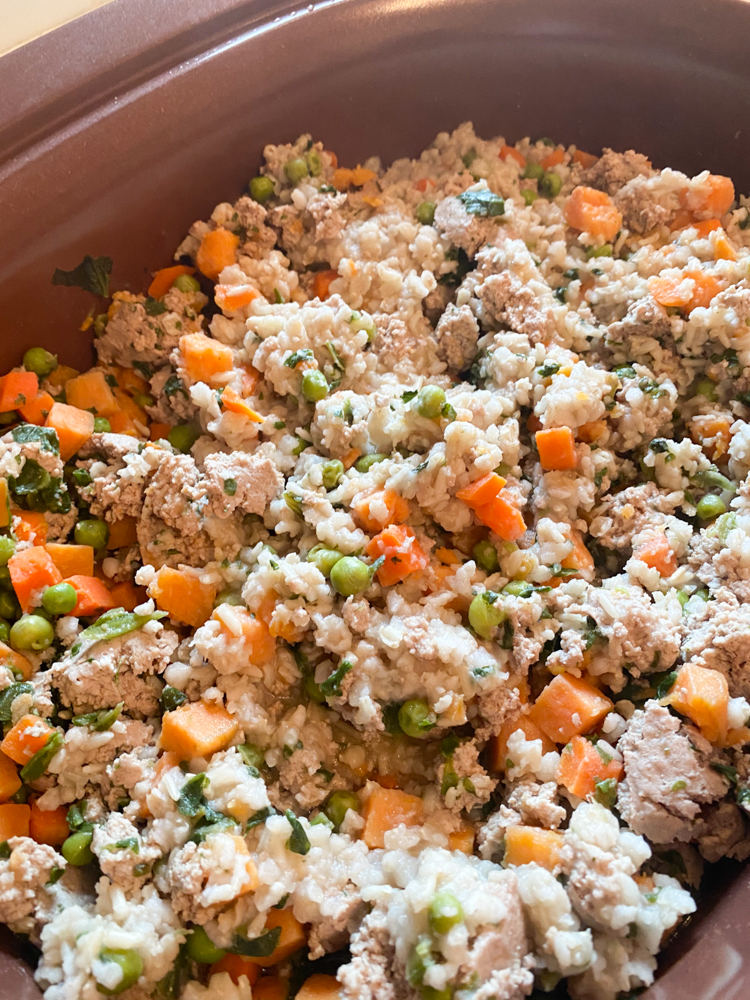
Combine the cooked ground beef and rice in a bowl, using a ratio of about 1 part beef to 2 parts rice for balanced nutrition. Mix well so your dog gets both protein and carbs in every bite.
- Serve the meal warm, not hot, to avoid burning your dog’s mouth.
- Start with smaller portions and observe your dog’s reaction before increasing the amount.
- Store leftovers in the fridge and use within 2-3 days to keep the food fresh.
Have you noticed how dogs often prefer a mix of textures? Adding a bit of beef juice to the rice can make the meal more appealing. Remember, feeding your dog homemade meals is a great way to know exactly what they’re eating.
Signs Of Proper Portioning
Knowing the signs of proper portioning helps keep your dog healthy. Feeding the right amount of ground beef and rice supports their well-being. Watch your dog closely to see if the portions suit their needs. Proper portioning shows in weight, energy, and digestion.
Healthy Weight Maintenance
Your dog stays at a steady, ideal weight. No sudden weight gain or loss happens. Their body looks fit and balanced. Proper portions prevent obesity and malnutrition. Regular weigh-ins help track their progress. A healthy weight means the food amount is right.
Energy Levels
Your dog acts lively and active throughout the day. They play, walk, and exercise without tiredness. Low energy might mean too little food. Excess food can cause sluggishness. Balanced portions fuel their daily activities well. Consistent energy shows they get enough nutrients.
Digestive Health
Your dog’s digestion runs smoothly without issues. Stool is firm, regular, and easy to pass. Diarrhea or constipation signals improper portions. Proper amounts of ground beef and rice aid digestion. Watch for bloating or discomfort after meals. Good digestion means your dog tolerates the food well.
Common Feeding Mistakes
Feeding your dog ground beef and rice sounds simple, but many pet owners make common mistakes that affect their dog’s health. Understanding these errors helps you avoid issues like weight problems or nutritional gaps. Let’s look at some typical feeding mistakes and how you can steer clear of them.
Overfeeding Risks
Giving your dog too much ground beef and rice can lead to rapid weight gain. Overfeeding puts extra strain on joints and increases the chance of diabetes or heart disease. Even if your dog loves the food, more isn’t always better.
Watch for signs like a bulging belly or difficulty moving. Adjust portions based on your dog’s activity level and age. Have you noticed your dog begging for more but still looking heavy? It might be time to cut back.
Underfeeding Concerns
On the flip side, feeding too little can leave your dog weak and low on energy. Dogs need enough calories and nutrients to maintain their coat, muscles, and overall vitality. Skimping on food might slow their growth or recovery if they are sick.
Some owners underestimate how much rice and beef their dog requires daily. Check your dog’s weight regularly and look for dull fur or lethargy as warning signs. Are you sure your dog is getting enough fuel for its daily activities?
Ignoring Individual Needs
Every dog is unique, so one-size-fits-all feeding doesn’t work well. Factors like breed, age, weight, and health conditions change how much ground beef and rice your dog needs. A growing puppy needs more calories than a senior dog, for example.
Ignoring these differences can cause nutritional imbalances. Tailor your dog’s meals to its specific needs and adjust as those needs change. Have you taken your dog’s individual lifestyle into account when planning meals?
Credit: www.acupfullofsass.com
When To Consult A Veterinarian
Knowing when to consult a veterinarian about your dog's diet is crucial, especially when feeding homemade meals like ground beef and rice. Dogs have unique nutritional needs, and what works for one may not work for another. Paying attention to your dog's health and behavior can help you decide when it’s time to seek professional advice.
Dietary Adjustments
If you notice your dog losing weight, gaining too much, or showing signs of digestive upset like vomiting or diarrhea, it’s time to talk to your vet. Small changes in diet can have big effects on your dog’s health. Your vet can guide you on adjusting the amount of ground beef and rice or suggest alternative ingredients to better suit your dog's needs.
Health Issues
Dogs with existing health problems such as kidney disease, pancreatitis, or allergies require special attention to their diet. Feeding ground beef and rice might not be appropriate or safe for them without veterinary guidance. If your dog shows symptoms like excessive thirst, lethargy, or skin problems, consult your vet promptly to rule out diet-related causes.
Special Dietary Needs
Puppies, senior dogs, pregnant or nursing dogs have different nutritional requirements. You may need to adjust the amount of protein and carbohydrates accordingly. Your vet can help you determine the right balance to support growth, energy, and recovery, ensuring you don’t overfeed or underfeed your furry friend.

Credit: www.justfoodfordogs.com
Frequently Asked Questions
How Much Ground Beef Should I Feed My Dog Daily?
Feed your dog about 1/4 to 1/3 cup of ground beef per 10 pounds of body weight daily. Adjust based on activity level and age. Always consult your vet before making diet changes.
What Is The Ideal Rice Amount For Dogs With Ground Beef?
Mix 1/2 to 1 cup of cooked rice with ground beef per meal. Rice helps digestion and provides energy. Adjust portions according to your dog’s size and dietary needs.
Can Ground Beef And Rice Meet All My Dog’s Nutritional Needs?
Ground beef and rice offer protein and carbs but lack essential vitamins. Include vegetables and supplements for a balanced diet. Always check with a vet for complete nutrition advice.
How Often Should I Feed My Dog Ground Beef And Rice?
Feed your dog ground beef and rice once or twice daily, depending on their size and health. Divide meals evenly to maintain digestion and energy levels.
Conclusion
Finding the right balance of ground beef and rice is important. It ensures your dog stays healthy and happy. Always consider your dog’s size and activity level. Consult with your vet for personalized advice. Adjust portions as needed to keep your dog satisfied.
Remember, a well-fed dog is a happy dog. A simple diet can work wonders for their well-being. Keep an eye on their weight and energy. Feed them with care and attention. This helps maintain their health long-term. Regular check-ins with your vet are wise.
Your dog deserves the best care possible.