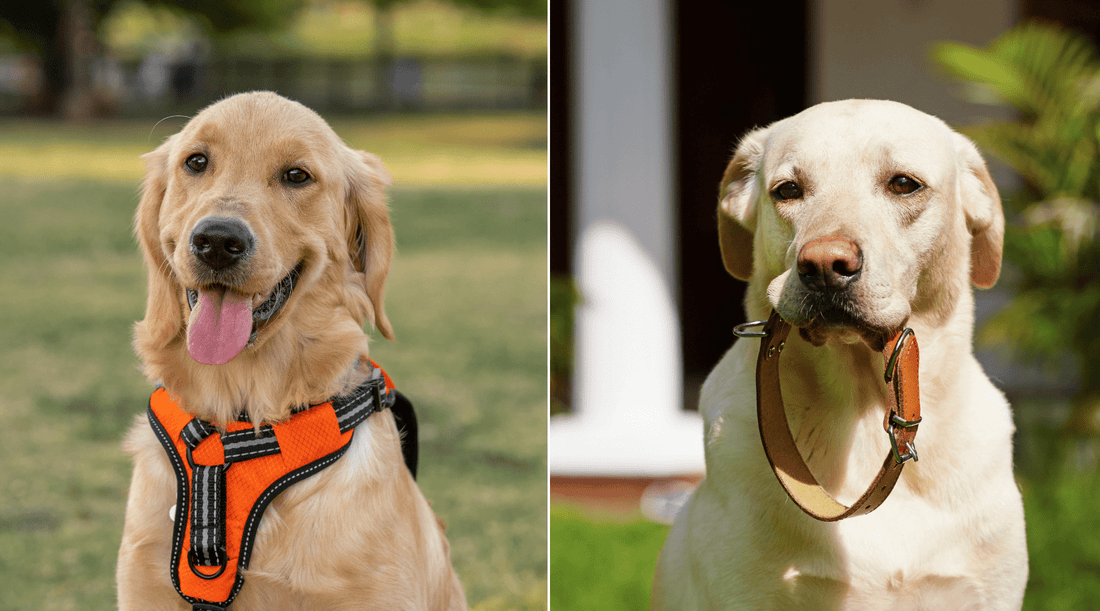
When it comes to keeping your dog safe and comfortable on walks, you might wonder: is a harness better than a collar? Choosing the right gear isn’t just about style—it can affect your dog’s health and your control during walks.
If you want to protect your furry friend and enjoy stress-free outings, understanding the pros and cons of both options is key. Keep reading to discover which one suits your dog best and why making the right choice can change your daily walks for the better.
Benefits Of Using A Harness
Choosing a harness for your dog can bring several practical benefits that enhance your daily walks and your pet's comfort. Harnesses offer more than just a stylish accessory—they improve safety and make handling your dog easier. Let’s look at some key advantages that might change how you think about walking your dog.
Enhanced Control And Handling
A harness gives you better control over your dog, especially if they are energetic or tend to pull. It distributes pressure evenly across the body instead of focusing on the neck. This makes managing strong or excitable dogs easier and safer for both of you.
Imagine walking a large, lively dog without constantly worrying about sudden lunges or jerks. A harness helps you guide your dog more smoothly, reducing the chances of injury or accidents during walks.
Reduced Neck And Throat Injury
Collars can put a lot of strain on a dog’s neck, particularly if they pull or jerk suddenly. This can lead to sore throats, trachea damage, or even long-term health problems. Harnesses avoid this by taking pressure off the neck entirely.
If you’ve noticed your dog coughing or gagging after walks, a harness might be the solution. It protects sensitive areas and keeps your dog more comfortable during outdoor activities.
Ideal For Dogs With Respiratory Issues
Dogs with breathing problems, such as brachycephalic breeds (think Bulldogs or Pugs), benefit greatly from harnesses. These breeds are more prone to airway obstruction, which collars can worsen. A harness supports their respiratory health by avoiding neck constriction.
If your dog has asthma, bronchitis, or other respiratory challenges, switching to a harness can make walks less stressful and more enjoyable for them. Have you noticed your dog struggling to breathe when wearing a collar?
Supports Training And Behavior Management
Harnesses can be a valuable tool in training your dog to walk politely on a leash. Many designs come with front-clip options that discourage pulling by redirecting your dog’s movement. This helps build better leash manners without harsh corrections.
Using a harness can also boost your confidence when training, knowing you have more control and your dog is comfortable. Could this be the change that makes your training sessions more successful?
Credit: www.dogids.com
Advantages Of A Collar
Collars remain a popular choice for many dog owners. They offer several practical benefits that make daily use simple and effective. Collars fit snugly around a dog’s neck and provide quick access for walking or identification. Their design suits many dogs and makes basic training easier.
Convenience And Ease Of Use
Collars are easy to put on and take off. They do not require adjustments each time you use them. This saves time, especially during busy mornings or quick outings. Many collars have simple buckles or clips that secure quickly. This makes them ideal for dogs who resist wearing gear.
Identification And Tag Attachment
Collars provide a perfect spot to attach ID tags. These tags carry important information like the dog’s name and owner’s contact. Tags on collars are visible and easy to read. This helps in case the dog gets lost. Unlike harnesses, collars keep tags in one place, reducing the chance of loss.
Suitable For Well-trained Dogs
Collars work best for dogs that walk politely on a leash. They offer good control without restricting movement. For dogs that do not pull hard, collars are comfortable and safe. Owners can train dogs to respond well with collar use. This makes walks more enjoyable for both.
Variety In Styles And Materials
Collars come in many styles and materials. Options include leather, nylon, and reflective fabrics. This variety lets owners choose based on comfort and appearance. Some collars have padding for extra softness. Others have bright colors or patterns to show personality.
Safety Concerns With Collars
Collars are common for walking dogs, but they come with safety risks. Understanding these concerns helps pet owners make safer choices. Collars may cause harm, especially for active or strong dogs.
Risk Of Neck Strain And Injury
Collars put pressure on a dog’s neck when they pull. This pressure can cause strain or injury to the neck muscles and spine. Small dogs are more vulnerable to neck damage from collars.
Choking Hazards
Collars can tighten suddenly, which may choke the dog. This happens if the dog pulls too hard or gets caught on something. Choking causes pain and can lead to breathing problems.
Inadequate Control For Strong Pullers
Strong dogs can easily pull out of collars. This lack of control can lead to dangerous situations like running into traffic. Collars do not distribute force well, making it harder to manage pullers safely.
Potential Drawbacks Of Harnesses
Harnesses offer many benefits but also come with some drawbacks. These issues can affect your dog's comfort and safety. Understanding these potential problems helps in choosing the right gear for your pet.
Possible Restriction Of Movement
Some harnesses limit how freely a dog can move. Tight or bulky harnesses may reduce shoulder and leg motion. This restriction can make running or playing harder. Dogs may feel uncomfortable or frustrated during walks.
Risk Of Skin Irritation
Harnesses can cause skin irritation if not fitted well. Constant rubbing leads to chafing or sores. This is common in dogs with sensitive skin or thin fur. Checking the harness regularly helps prevent these issues.
Challenges In Proper Fit
Finding the right harness size is tricky. Each dog has a unique body shape. A loose harness can slip off, causing safety risks. A tight harness can cause discomfort or breathing problems. Measuring carefully and adjusting is essential.
Increased Warmth In Hot Weather
Harnesses cover more skin than collars. This extra coverage can trap heat. Dogs may feel hotter, especially during summer walks. Choosing lightweight, breathable materials can reduce overheating risks.
Choosing The Right Fit
Choosing the right fit for your dog's harness is key to their safety and comfort. A harness that fits well prevents chafing and gives better control during walks. Each dog has a unique shape, so accurate measurements and understanding harness types matter. Comfort features and adjustability also play big roles in finding the perfect fit. This section helps you pick the best harness for your dog’s needs.
Measuring Your Dog Accurately
Measure your dog’s chest at its widest point, just behind the front legs. Use a soft tape measure and keep it snug but not tight. Also, measure around the neck where the harness will sit. Write down these numbers before shopping. Accurate measurements avoid buying a harness that is too loose or too tight.
Types Of Harnesses And Their Uses
- Back-clip harness:Good for calm dogs, attaches leash on the back.
- Front-clip harness:Helps control pulling by attaching leash on the chest.
- No-pull harness:Designed to discourage pulling behavior gently.
- Step-in harness:Easy to put on, suitable for small or shy dogs.
Choose the type that fits your dog’s behavior and walking needs.
Adjustability And Comfort Features
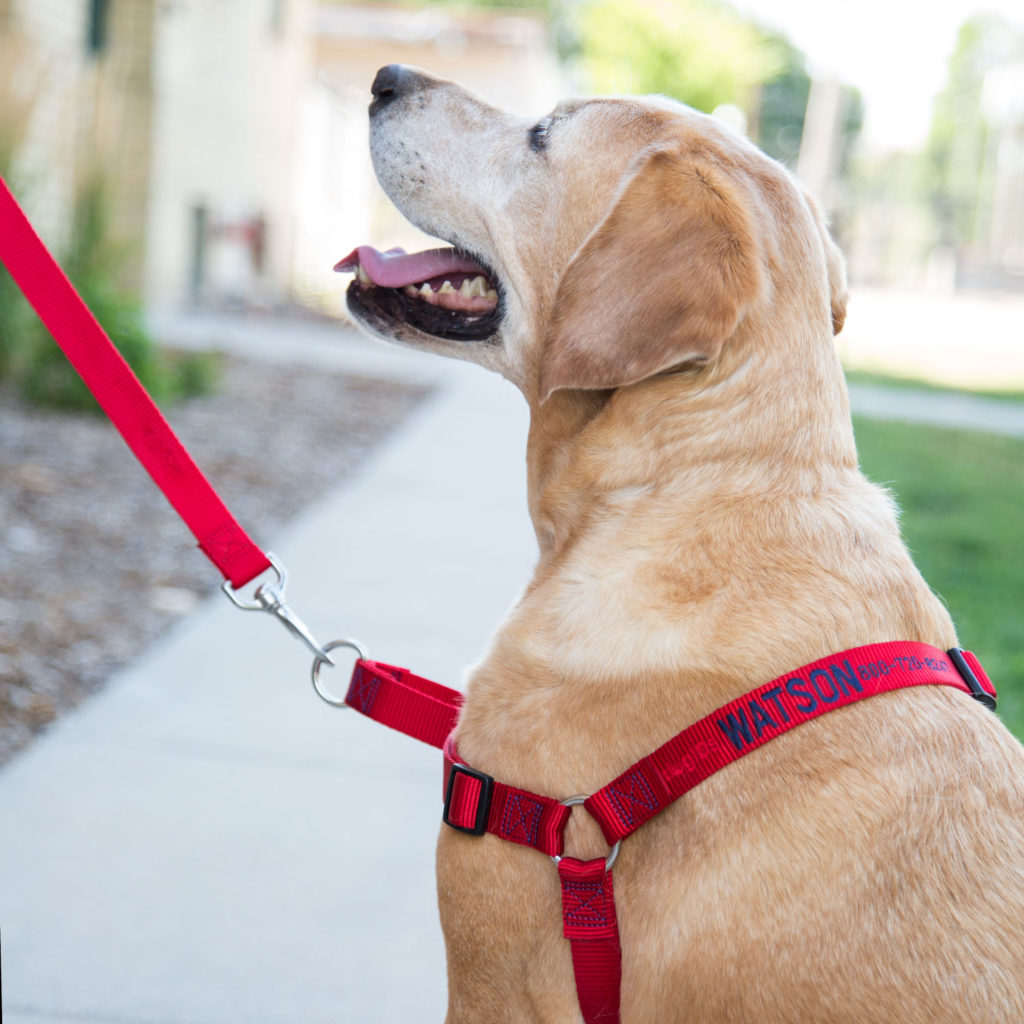
Look for harnesses with adjustable straps on the neck and chest. This allows fine-tuning for a snug fit without tightness. Padded areas reduce rubbing and skin irritation. Lightweight materials keep your dog comfortable for long walks. Reflective strips add safety during low light conditions. Adjustability and comfort features help your dog stay happy and secure.

Credit: pupford.com
Special Considerations For Puppies And Seniors
Choosing between a harness and a collar for your dog isn’t just about style or control—it’s especially important when your dog is a puppy or a senior. These life stages come with unique needs that can affect comfort, safety, and even health. Understanding these special considerations can help you make the best choice for your furry friend’s well-being.
Gentle Support For Growing Puppies
Puppies are still developing their bones and muscles, so you want to avoid anything that puts pressure on their delicate necks. Harnesses distribute force evenly across the chest and shoulders, reducing the risk of injury or strain. Have you noticed how some puppies pull with excitement? A harness can give you better control without causing harm.
Look for harnesses with adjustable straps that grow with your puppy. Soft padding also adds comfort during those energetic walks. You might find that a harness encourages better leash manners early on, making training smoother for both of you.
Comfort And Safety For Older Dogs
Older dogs often face issues like arthritis or weakened muscles. A collar can sometimes cause discomfort or put unwanted pressure on sensitive areas. A harness, especially one designed to support the chest and back, can ease these problems by offering gentle support during walks.
Consider harnesses with extra padding and easy-to-use clips if your senior dog has limited mobility. This can reduce stress on their joints and make getting ready less of a struggle. Have you thought about how your dog’s comfort affects their willingness to go outside? Choosing the right gear can keep those tail wags coming.
Training Tips For Harness And Collar Use
Training your dog to wear a harness or collar comfortably is key to safe and enjoyable walks. Both tools serve different purposes, and how you introduce and use them can make a big difference in your dog's behavior. Here are some practical tips to help you get started and keep your dog happy during training sessions.
Introducing The Harness Gradually
Start by letting your dog sniff and explore the harness without putting it on. Place it near their bed or feeding area to make it part of their environment.
Once your dog is curious and calm around the harness, gently put it on for a few minutes at a time. Praise them with treats or affection to build positive associations.
Increase the wearing time slowly over several days until your dog feels comfortable moving and walking with the harness on. Remember, patience is key.
Correcting Pulling Behavior
Whether using a harness or collar, pulling can be frustrating. A simple way to discourage pulling is to stop walking whenever your dog pulls ahead.
Wait until your dog relaxes the leash and then continue walking. This teaches them that pulling doesn’t get them where they want to go faster.
Try changing direction unexpectedly to keep your dog’s attention on you. This helps shift focus from pulling forward to following your lead.
Using Positive Reinforcement
Rewards work wonders. Whenever your dog walks calmly on a harness or collar, offer praise, treats, or a quick play break.
Use a clicker or a consistent word like “yes” to mark good behavior instantly. This helps your dog understand exactly what you want.
Be consistent and patient. Positive reinforcement builds trust and encourages your dog to repeat good walking habits without fear or discomfort.
Recommendations For Different Dog Breeds
Choosing between a harness and a collar depends on your dog's breed and specific needs. Different breeds have different body shapes, strengths, and health concerns. Picking the right option helps keep your dog safe and comfortable during walks.
Small Breeds And Harness Benefits
Small dogs often have delicate necks. Collars can put pressure on their throats and cause injury. Harnesses spread pressure across the chest and back. They reduce strain and prevent choking. Harnesses also give better control without hurting the dog. For tiny breeds like Chihuahuas or Pomeranians, harnesses are usually safer and more comfortable.
Large Breeds And Control Needs
Large dogs are strong and need good control during walks. Collars can hurt their necks if they pull hard. Harnesses provide better leverage and reduce neck strain. They help guide the dog without causing pain. Breeds like German Shepherds or Labradors benefit from harnesses that support their size. Strong harnesses with secure fittings are best for handling power and energy.
Breed-specific Health Considerations
Some breeds have health issues that affect collar or harness choice. Brachycephalic breeds like Bulldogs have sensitive airways. Harnesses avoid pressure on the throat and help breathing. Dogs with neck injuries or spine problems need harnesses to avoid pain. Always consider your dog's unique health when choosing. A vet can help suggest the safest option for your breed.
Credit: dogistry.com
Frequently Asked Questions
Is A Harness Safer Than A Collar For Dogs?
A harness distributes pressure evenly across the dog's body, reducing neck strain. It prevents choking and is ideal for dogs that pull or have respiratory issues.
Can A Harness Prevent Dog Pulling Better Than A Collar?
Yes, harnesses provide better control and discourage pulling by redirecting the dog’s movement. They are more effective for training strong or energetic dogs.
Are Harnesses Suitable For All Dog Breeds And Sizes?
Harnesses come in various styles and sizes, fitting most breeds. However, selecting the right fit is crucial to ensure comfort and effectiveness for your dog.
Do Collars Pose Health Risks To Dogs?
Collars can cause neck injuries, especially if dogs pull hard. They may also irritate the skin or cause trachea damage in sensitive or small breeds.
Conclusion
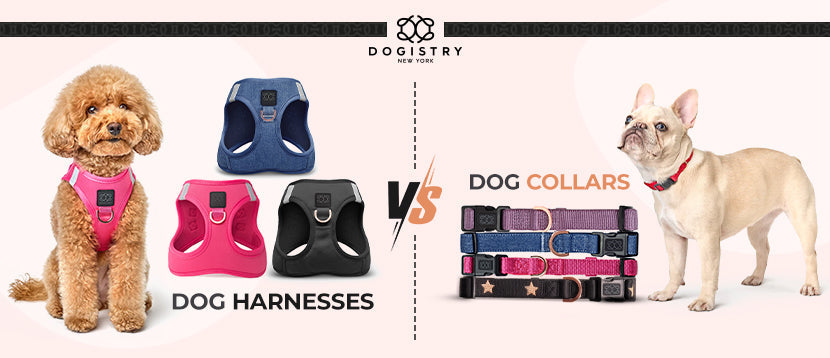
Choosing between a harness and a collar depends on your dog's needs. Harnesses offer more control. They also reduce strain on the neck. Collars are simple and convenient. Both have their unique benefits. Consider your dog's behavior and size. Think about your walking habits too.
Comfort and safety should be your top priorities. Consult with your vet if unsure. Proper fit is crucial for both options. Happy and safe walks make for a happy dog. Always keep your dog's comfort in mind.