If your dog has been diagnosed with Inflammatory Bowel Disease (IBD), you’re probably worried about what to feed them. You want to give your furry friend meals that don’t cause pain or discomfort, but you might feel confused about the best choices.
Finding the right food can make a huge difference in your dog’s health and happiness. You’ll discover simple, effective feeding tips that can help soothe your dog’s stomach and improve their quality of life. Keep reading to learn exactly what your dog needs to feel better every day.
Credit: www.petindiaonline.com
Symptoms Linked To Ibd In Dogs
Recognizing the symptoms linked to Inflammatory Bowel Disease (IBD) in dogs is crucial for timely care and proper feeding choices. IBD affects your dog's digestive system, leading to discomfort and various health problems. By understanding the signs, you can better support your dog’s health and adjust their diet to ease symptoms.
Common Digestive Issues
Digestive problems are the most obvious signs of IBD in dogs. You might notice frequent vomiting, persistent diarrhea, or constipation. Your dog may also have a reduced appetite or lose weight despite eating normally.
Sometimes, the stool may contain mucus or blood, indicating irritation in the intestines. If your dog seems bloated or has gas, these are additional clues pointing to digestive distress caused by IBD.
Behavioral Changes
IBD doesn’t just affect your dog’s stomach; it can change how they behave. You might see your dog become lethargic or less interested in playing and walking. Pain and discomfort can make them irritable or withdrawn.
Watch for signs like excessive licking of the belly or restlessness during the night. These behaviors often indicate your dog is trying to cope with ongoing abdominal pain.
When To See A Vet
If your dog shows any of the symptoms mentioned—especially ongoing vomiting, diarrhea lasting more than a couple of days, or sudden weight loss—it’s time to consult your vet. Early diagnosis can prevent serious complications and help you manage your dog’s diet effectively.
Don’t wait until symptoms worsen. Have your vet run tests to confirm IBD and discuss the best feeding plan tailored for your dog’s condition. Acting quickly could make a big difference in your dog’s quality of life.
Credit: ourpetshealth.com
Key Nutritional Needs For Dogs With Ibd
Feeding a dog with Inflammatory Bowel Disease (IBD) means focusing on nutrition that soothes the gut while providing essential nutrients. You want to avoid foods that trigger inflammation or cause discomfort. Understanding your dog's specific needs can help you choose meals that support healing and maintain energy levels.
Easily Digestible Proteins
Proteins are crucial, but not all proteins are easy on a sensitive stomach. Choose lean, simple proteins like boiled chicken, turkey, or fish that break down quickly and reduce digestive stress. Novel proteins such as venison or duck can also be less likely to cause reactions if your dog has food sensitivities.
Have you noticed if your dog reacts better to one protein over another? Keeping a food diary can help identify the best options.
Low-fat Diet Importance
Fat can be tough on dogs with IBD, often worsening diarrhea and discomfort. Feeding a low-fat diet helps reduce inflammation and eases digestion. Aim for meals with minimal added oils and avoid fatty treats or table scraps.
Check your dog’s food labels for fat content—keeping it under 10% is usually a good target. Have you tried switching to low-fat options and seen a difference in your dog’s energy or stool consistency?
Fiber's Role In Gut Health
Fiber might seem like a simple fix, but it plays a complex role in managing IBD symptoms. Soluble fiber from sources like pumpkin or psyllium husk can help regulate bowel movements and feed beneficial gut bacteria. However, too much insoluble fiber might irritate your dog’s gut, so balance is key.
Consider adding small amounts of fiber gradually and watch how your dog responds. What types of fiber does your dog tolerate best? Experimentation, paired with your vet’s advice, can guide you to the right mix.
Best Food Options For Ibd Dogs
Choosing the right food for dogs with Inflammatory Bowel Disease (IBD) plays a key role in managing symptoms. Proper nutrition supports digestion and helps reduce inflammation. Some foods soothe the gut better than others. Understanding the best options ensures your dog feels better every day.
Limited Ingredient Diets
Limited ingredient diets contain fewer components to avoid triggering reactions. They focus on simple recipes with minimal ingredients. This reduces the chance of irritation or allergy. These diets often use one protein and one carbohydrate source. They help identify which foods suit your dog's sensitive stomach. Many vets recommend these diets to control IBD symptoms.
Novel Protein Sources
Novel proteins are rare or new to your dog’s diet. These include rabbit, venison, or duck. Dogs with IBD may react less to these proteins. Novel proteins can reduce immune system reactions. They provide essential nutrients without common allergens. Switching to novel proteins often improves digestion and comfort.
Homemade Vs. Commercial Diets
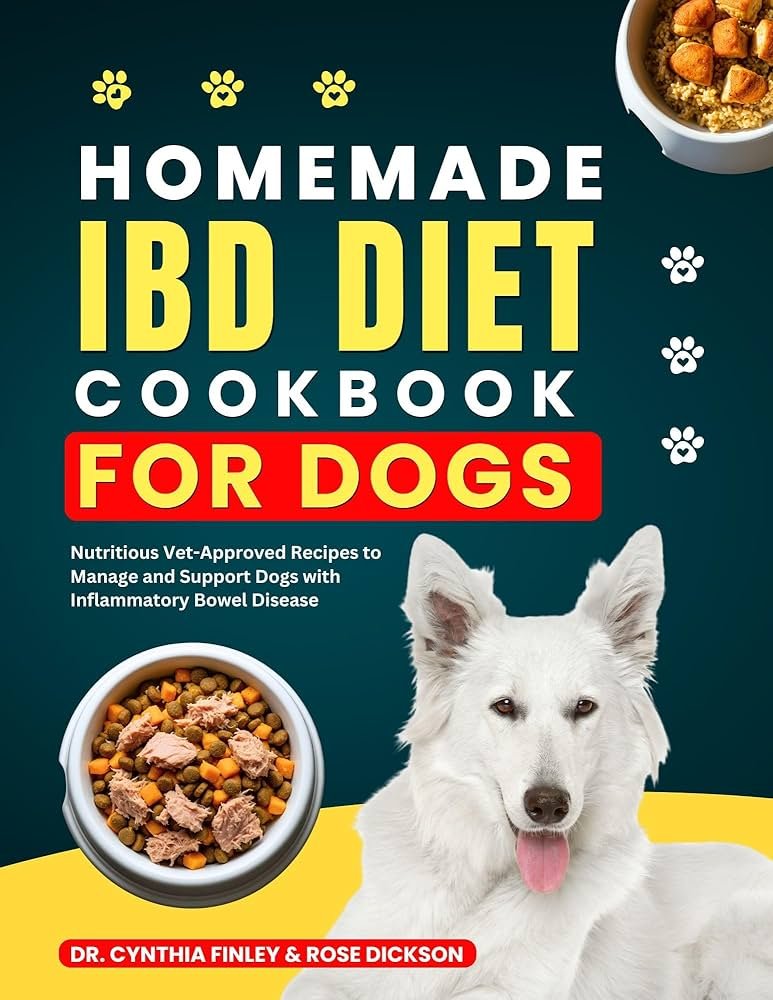
Homemade diets let you control every ingredient. You can choose fresh, gentle foods for your dog. This option requires careful planning and vet advice. Commercial diets are convenient and balanced. Many brands offer formulas designed for IBD dogs. Choose high-quality products with veterinary approval. Both options can work well with proper guidance.
Foods To Avoid With Canine Ibd
Dogs with Inflammatory Bowel Disease (IBD) need special care in their diet. Certain foods can worsen their symptoms or cause flare-ups. Avoiding these foods helps keep your dog's gut calm and healthy.
Common Allergens
Many dogs with IBD react badly to common allergens. These include:
- Beef
- Dairy products
- Wheat and gluten
- Soy
- Chicken
These ingredients can cause inflammation and digestive issues. Choose hypoallergenic or limited-ingredient diets instead.
High-fat And Spicy Foods
Fatty and spicy foods stress a dog's digestive system. High-fat meals slow digestion and cause diarrhea. Spices irritate the stomach lining and worsen symptoms.
- Fried foods
- Fatty cuts of meat
- Chili peppers
- Hot sauces
Keep your dog's meals bland and low in fat for better gut health.
Artificial Additives And Preservatives
Artificial additives can trigger allergic reactions and inflammation. These include:
- Artificial colors
- Flavors
- Preservatives like BHA and BHT
Choose natural, whole-food-based diets free from synthetic chemicals.
Supplements And Additives To Support Digestion
Supplements and additives can help dogs with inflammatory bowel disease digest food better. They support gut health and reduce inflammation. Choosing the right supplements helps improve nutrient absorption. This supports your dog’s overall well-being and comfort.
Probiotics And Prebiotics
Probiotics add good bacteria to your dog’s gut. They balance harmful bacteria and support digestion. Prebiotics feed these good bacteria and help them grow. Together, they improve the gut’s natural defenses. Probiotics can reduce diarrhea and bloating in dogs with bowel issues.
Omega-3 Fatty Acids
Omega-3 fatty acids help lower inflammation in the gut. They come from fish oil or flaxseed oil. These fats support healing and calm irritated intestines. Omega-3s also improve skin and coat health. Regular use may reduce flare-ups of bowel disease symptoms.
Digestive Enzymes
Digestive enzymes help break down food into smaller parts. This makes it easier for the dog’s body to absorb nutrients. Enzymes reduce the workload on the intestines and ease digestion. They may help dogs with enzyme deficiencies or poor digestion caused by bowel disease.
Feeding Tips For Managing Ibd Symptoms
Managing your dog’s Inflammatory Bowel Disease (IBD) through feeding requires thoughtful choices. The right approach to meal frequency, portion sizes, and hydration can ease symptoms and improve your dog’s quality of life. Paying close attention to how your dog responds to different feeding routines helps you find the balance that works best for them.
Meal Frequency And Portion Control
Smaller, more frequent meals help reduce the strain on your dog’s digestive system. Instead of one or two large meals, try dividing their daily food into three or four servings. This approach can minimize inflammation and improve nutrient absorption.
Portion control is key. Overfeeding can worsen symptoms like diarrhea and vomiting. Use a kitchen scale or measuring cups to ensure consistent portion sizes every day.
Hydration Importance
Hydration plays a critical role in managing IBD symptoms. Dogs with IBD often lose more fluids due to diarrhea, so fresh water must always be available. You might also try adding water or low-sodium broth to their meals to encourage fluid intake.
Have you noticed if your dog drinks less water when their symptoms flare up? Monitoring their hydration closely can prevent dehydration, which makes recovery harder and symptoms worse.
Monitoring And Adjusting Diet
Keep a food journal tracking what your dog eats and how they respond. Note any changes in stool consistency, energy levels, or appetite. This record helps you and your vet identify which foods trigger flare-ups.
If a certain protein or ingredient causes a reaction, try a novel protein source like duck or venison. Adjusting the diet based on your dog’s unique needs is an ongoing process, not a one-time fix.
Working With Your Veterinarian
Managing a dog with Inflammatory Bowel Disease (IBD) requires close cooperation with your veterinarian. Their expertise guides diet choices and treatment plans. Each dog reacts differently, so personalized care is essential.
Regular check-ups help track your dog’s progress and adjust care. Open communication with your vet ensures the best outcome. Together, you can find the most suitable diet and therapies.
Diet Trials And Testing
Veterinarians often recommend diet trials to identify the best food. These trials involve feeding special diets for weeks. The goal is to see which foods reduce symptoms.
Common diets include hypoallergenic or novel protein foods. Your vet may suggest testing for food allergies. This helps narrow down safe options for your dog.
Monitoring your dog during this phase is vital. Note any changes in appetite, stool quality, or behavior. Share these observations with your vet for accurate assessment.
Medication And Diet Coordination
Many dogs with IBD need medication alongside diet changes. Medications control inflammation and ease symptoms. Your vet balances drug treatment with nutritional needs.
Some medicines affect appetite or digestion. Your vet adjusts the diet to support medication effects. Avoid giving supplements or treats without vet approval.
Coordination prevents conflicts between food and drugs. It also promotes faster healing and comfort for your pet.
Long-term Management Plans
IBD requires ongoing care and regular vet visits. Long-term plans include stable diets and occasional adjustments. Your vet helps create a routine that suits your dog’s condition.
Watch for flare-ups or changes in symptoms. Report these to your vet quickly. Early action can prevent severe problems.
Patience and consistency are key. Working with your veterinarian ensures your dog stays healthy and happy.
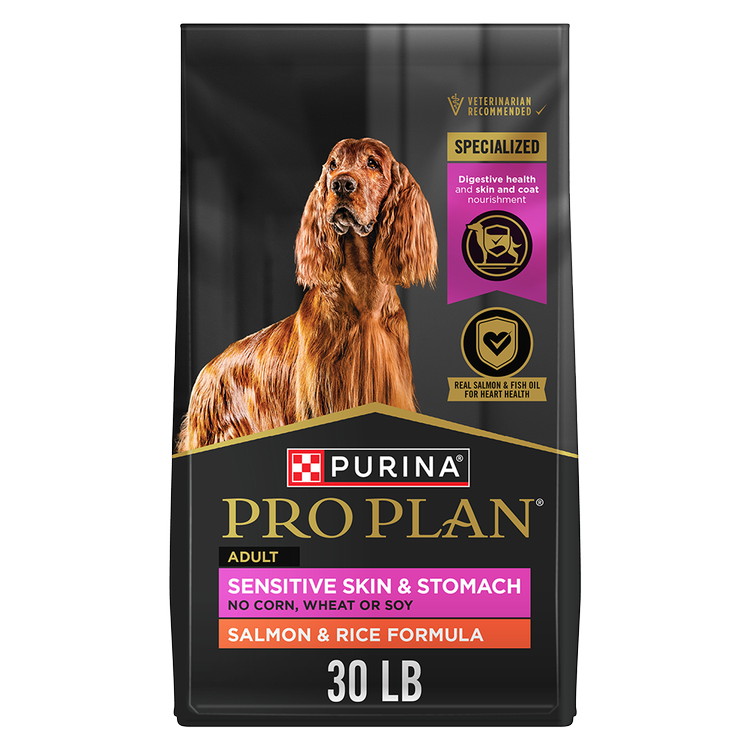
Credit: www.purina.com
Frequently Asked Questions
What Foods Are Best For Dogs With Inflammatory Bowel Disease?
Feeding a dog with IBD requires easily digestible, low-fat, and hypoallergenic foods. Limited ingredient diets and novel protein sources reduce inflammation and improve digestion. Avoid dairy, grains, and fatty treats to minimize flare-ups.
Can Homemade Diets Help Dogs With Inflammatory Bowel Disease?
Yes, homemade diets tailored to avoid allergens and irritants can help dogs with IBD. They allow control over ingredients and promote gut healing. Consult a vet or pet nutritionist to ensure balanced nutrition and avoid nutrient deficiencies.
Are Probiotics Useful For Dogs With Inflammatory Bowel Disease?
Probiotics support gut health by restoring beneficial bacteria in dogs with IBD. They may reduce symptoms like diarrhea and inflammation. Use vet-recommended probiotic supplements specifically designed for canine digestive health for best results.
How Often Should I Feed My Dog With Inflammatory Bowel Disease?
Feeding small, frequent meals helps dogs with IBD digest food better and reduces gut stress. Aim for 3 to 4 meals daily instead of one or two large portions. Consistency in feeding times also supports digestive stability.
Conclusion
Feeding a dog with inflammatory bowel disease requires careful choices. Focus on easy-to-digest foods. Consider lean proteins, like chicken or turkey. Avoid high-fat meals. Limited-ingredient diets can also help. Always provide fresh water. Monitor your dog's response to different foods.
Consult your vet for personalized advice. Their guidance is crucial for your dog's health. Remember, each dog is unique. What works for one might not work for another. Be patient and observant. Your dog's comfort and health depend on your efforts.