Are you wondering how often you should feed your furry friend each day? As a devoted pet owner, you want the best for your dog, but with so much conflicting advice out there, it's easy to feel overwhelmed.
Feeding your dog the right amount at the right times is crucial for their health and happiness. But how do you find the perfect balance? We will uncover the secrets to determining the optimal feeding schedule for your beloved pet.
We'll explore the factors that influence your dog's dietary needs, ensuring you're equipped with the knowledge to make informed decisions. Stay with us, because the well-being of your four-legged companion depends on it.

Credit: www.youtube.com
Feeding Frequency Basics
Knowing how often to feed your dog can make a big difference in their health and happiness. Feeding frequency isn’t one-size-fits-all; it depends on your dog’s age, breed, and lifestyle. Let’s break down the basics so you can tailor mealtimes to your furry friend’s needs.
Puppies Vs Adult Dogs
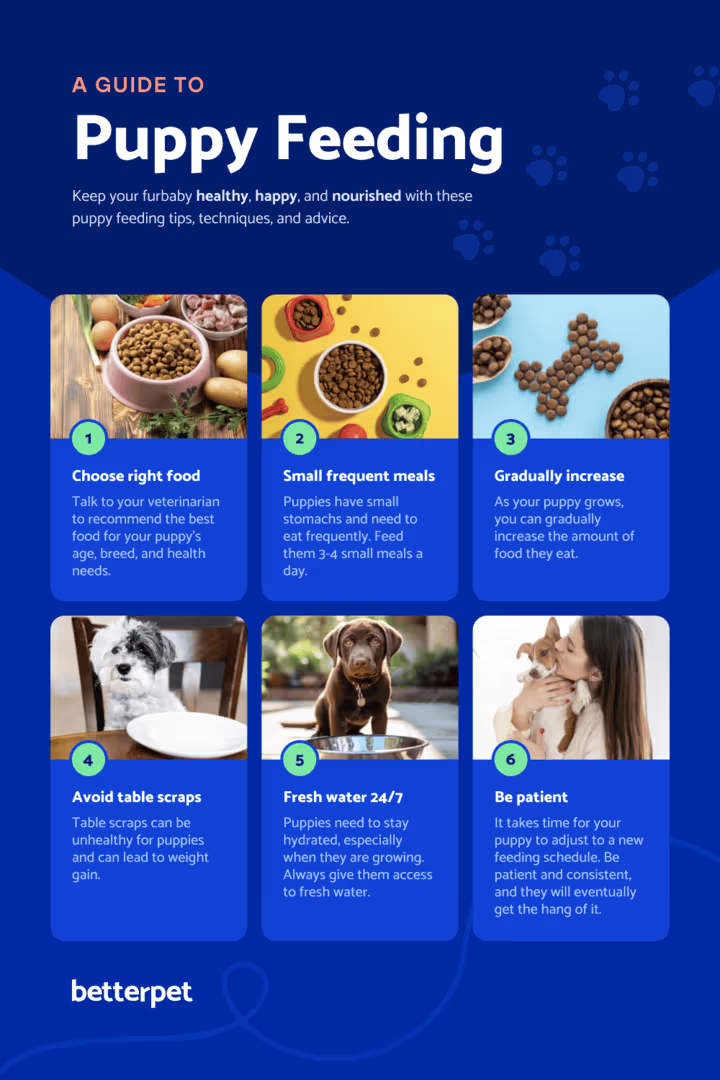
Puppies have tiny stomachs and high energy needs. They usually require three to four meals a day to keep their blood sugar steady and support rapid growth. I remember my puppy getting restless between meals until I switched to smaller, more frequent feedings—it made a huge difference in his mood and energy.
Adult dogs, on the other hand, can thrive on two meals daily. This helps maintain a healthy weight and prevents overeating. If your dog seems hungry or low on energy, consider splitting their daily food amount into smaller portions instead of one big meal.
Small Breeds Vs Large Breeds
Small breeds often burn energy quickly, so they might benefit from feeding three or more times a day. Their fast metabolism means they can get hungry sooner, and smaller meals can prevent hypoglycemia—a common issue in tiny dogs.
Large breeds tend to do well with two meals a day. Feeding them more than twice might increase the risk of bloat, a serious condition. I once had a large breed dog who developed discomfort from irregular feeding times; adjusting to two consistent meals eased the problem.
Ask yourself: is your dog’s eating schedule supporting their health, or could small changes improve their wellbeing? Watching how your dog reacts after meals can guide you in finding the right feeding frequency.
Factors Influencing Feeding Schedules
Feeding your dog isn’t just about filling their bowl. The right feeding schedule depends on many factors that influence your dog’s health and happiness. Understanding these helps you tailor meal times to fit their unique needs.
Age And Growth Stage
Puppies need more frequent meals than adult dogs because they burn energy quickly and grow fast. Usually, puppies eat three to four times a day, while adult dogs do well with two meals daily.
Senior dogs might require smaller, more frequent meals if their digestion slows down. Have you noticed changes in your dog’s appetite as they age? Adjusting meal frequency can make a big difference.
Activity Level And Exercise
Active dogs, like working breeds or those who exercise daily, often need more calories and sometimes extra meals. If your dog runs, plays, or works hard, feeding them twice or even three times a day can keep their energy steady.
Less active or indoor dogs usually need fewer calories and fewer meals. Are you matching your dog’s food intake to their energy output? This balance helps maintain a healthy weight.
Health Conditions And Special Needs
Some health issues require special feeding schedules. Dogs with diabetes may need smaller, more frequent meals to keep blood sugar stable.
Other conditions like kidney disease or allergies might also affect how and when you feed your dog. Always consult your vet if your dog has special needs—sometimes timing is as crucial as what you feed.
Recommended Feeding Times
Setting a consistent feeding schedule helps keep your dog healthy and happy. Dogs thrive on routine. Regular meal times support digestion and energy levels. Most dogs do well with two to three meals daily. This section breaks down ideal feeding times to keep your dog balanced and satisfied.
Morning Meals
Start the day with a nutritious meal. Morning feeding fuels your dog for the day ahead. Offer a measured portion to avoid overeating. Use this time to monitor appetite and digestion. Fresh water should be available alongside the meal.
Afternoon Feeding
Some dogs benefit from a midday meal. This helps maintain energy between morning and evening. Keep the portion smaller than the main meals. Avoid feeding too close to playtime or walks. This meal supports steady metabolism and prevents hunger.
Evening Portions
Evening feeding completes the daily intake. It helps your dog relax after an active day. Serve a balanced portion based on your dog’s size and activity. Avoid heavy meals right before bedtime. Ensure water is available to aid digestion overnight.

Credit: www.express.co.uk
Portion Control Tips
Proper portion control helps maintain your dog's health and weight. Feeding the right amount supports energy and prevents obesity. It also ensures your dog gets enough nutrients without overeating.
Measuring Food Amounts
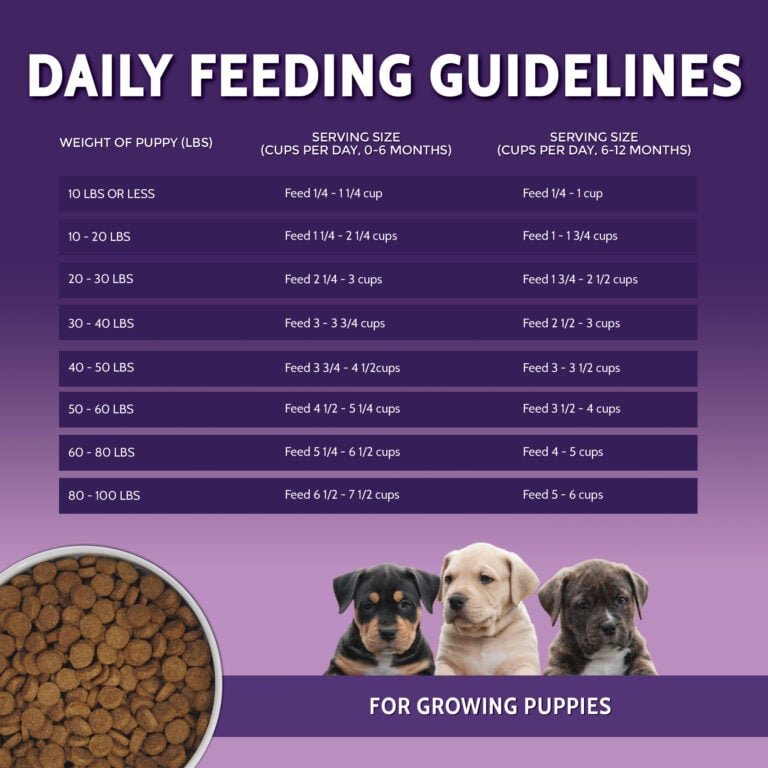
Use a standard measuring cup to serve your dog's food. Avoid guessing the amount; eyeballing often leads to overfeeding. Follow the feeding guidelines on the dog food package. These guides give a good starting point based on weight and age.
Place the food on a flat surface before measuring for accuracy. Use a digital scale for precise results if possible. Keep the measuring cup clean and dry to avoid clumps.
Adjusting Portions Over Time
Watch your dog's weight and body condition regularly. Adjust food portions based on activity level and growth changes. Puppies need more food during growth, while older dogs require less.
If your dog gains weight, reduce portions slightly. If your dog loses weight or seems hungry, increase portions carefully. Always make changes gradually to avoid stomach upset.
Consult your vet for advice on portion size changes. Regular check-ups help keep your dog’s diet balanced and healthy.
Signs Of Overfeeding And Underfeeding
Feeding a dog the right amount is crucial for its health. Overfeeding and underfeeding both cause serious problems. Recognizing the signs helps adjust the feeding schedule and portions. This section explains how to identify these signs through weight and behavior changes.
Weight Changes
Weight gain often shows overfeeding. A dog may look rounder or heavier. Check ribs and waist regularly. If ribs are hard to feel, the dog may be overweight.
Weight loss signals underfeeding or illness. The dog’s bones become more visible. Lack of fat and muscle indicates not enough food. Sudden weight loss needs a vet check.
Behavioral Clues
Overfed dogs might be less active. They can seem tired or lazy. Excess food may cause digestive problems like vomiting or diarrhea.
Underfed dogs often act hungry all the time. They may beg for food or steal snacks. Some become restless or anxious. Low energy and weakness also show a lack of nutrients.
Feeding Frequency For Special Cases
Feeding your dog isn’t always straightforward, especially when special conditions affect their nutritional needs. Adjusting how often you feed your dog can make a big difference in their health and comfort. Let’s look at how feeding frequency changes for pregnant or nursing dogs, senior dogs, and those with medical issues.
Pregnant Or Nursing Dogs
Pregnant and nursing dogs need more calories to support themselves and their puppies. Instead of sticking to one or two meals, you might need to feed smaller meals more often throughout the day—typically three to four times.
This helps prevent bloating and keeps their energy steady. Have you noticed your dog acting hungrier than usual during pregnancy? That’s a clear sign to increase meal frequency and adjust portions carefully.
Senior Dogs
Older dogs often have slower metabolisms and different activity levels. Feeding them two smaller meals a day can help avoid digestive upset and maintain steady energy.
Sometimes, seniors benefit from even more frequent, smaller meals if they have trouble digesting or tend to get hungry quickly. Have you observed your senior dog getting restless or begging more between meals? It might be time to rethink their feeding schedule.
Dogs With Medical Issues
Medical conditions like diabetes, kidney disease, or gastrointestinal problems demand special feeding routines. Your vet may recommend splitting daily food into three or more small meals to better regulate blood sugar or reduce strain on organs.
For instance, diabetic dogs often need consistent meal times with controlled portions to manage insulin levels. Does your dog have a health condition that makes feeding a challenge? Adjusting frequency could improve their quality of life significantly.
Common Mistakes To Avoid
Feeding a dog sounds simple but mistakes happen often. These errors can harm your dog's health or cause behavior problems. Avoiding common feeding mistakes helps keep your dog happy and healthy. Learn what to watch for and how to feed right.
Skipping Meals
Skipping meals can upset your dog’s digestion and energy. Dogs need regular food for steady energy and good health. Missing meals may cause your dog to feel weak or anxious. It can also lead to overeating later. Stick to a consistent feeding schedule for best results.
Feeding Too Many Treats
Treats should not replace regular meals or be given too often. Too many treats cause weight gain and poor nutrition. Treats high in fat or sugar harm your dog’s health. Use treats only as small rewards during training. Count treats as part of your dog’s daily food intake.
Credit: www.betterpet.com
Tips For Creating A Feeding Routine
Creating a feeding routine helps your dog feel secure and healthy. Dogs thrive on regular schedules. Consistent feeding times support digestion and behavior. A clear routine makes mealtime easier for both you and your pet.
Consistency And Timing
Feed your dog at the same times daily. Set specific hours for meals. This builds a reliable schedule your dog expects. Avoid skipping or delaying meals. Consistent timing helps regulate hunger and energy levels.
Adjust meal frequency based on your dog's age and size. Puppies may need three to four meals daily. Adult dogs often do well with two meals. Older dogs sometimes benefit from smaller, more frequent meals.
Using Feeding Tools And Apps
Use automatic feeders for precise portion control. These tools release food at set times. They reduce stress if you cannot feed manually. Feeding apps help track your dog's meal times and amounts.
Apps can remind you about feeding schedules. Record any changes in diet or feeding habits. This data supports vet visits and health checks. Feeding tools and apps keep your routine organized and consistent.
Frequently Asked Questions
How Often Should Adult Dogs Be Fed Daily?
Adult dogs typically need two meals per day. Feeding twice helps maintain energy and supports digestion. Consistency in timing improves their routine and health.
Is It Okay To Feed Puppies More Frequently?
Yes, puppies require three to four meals daily. Frequent feeding supports growth and energy needs. Gradually reduce meals as they mature.
Can Feeding Frequency Affect A Dog’s Health?
Yes, feeding frequency impacts digestion and weight management. Proper meal timing prevents overeating and digestive issues. Consult your vet for personalized advice.
Should Senior Dogs Have Different Feeding Schedules?
Senior dogs often benefit from two smaller meals daily. Smaller portions aid digestion and prevent weight gain. Adjust feeding based on activity and health.
Conclusion
Feeding your dog the right number of times daily keeps them healthy and happy. Puppies need more meals, adults fewer. Watch your dog’s hunger and energy to adjust feeding times. Consistency helps with digestion and behavior. Always provide fresh water alongside meals.
Consult your vet for specific advice. Feeding well supports a long, active life for your dog. Small changes can make a big difference. Keep feeding simple and regular. Your dog will thank you with wagging tails and bright eyes.