If your dog is constantly licking their foot, you know how frustrating it can be. Not only can it slow down healing, but it can also cause more irritation or infection.
You want to help your furry friend feel better quickly and keep them from making things worse. Wrapping your dog’s foot the right way can be a simple and effective solution—but only if you do it correctly. In this guide, you’ll learn step-by-step how to wrap your dog’s foot to stop licking and protect the area, so your pet can heal comfortably and happily.
Keep reading—you’re about to discover easy tips that make a big difference for your dog’s health and happiness.

Credit: www.amazon.com
Why Dogs Lick Their Feet
Dogs often lick their feet. This behavior might seem harmless but can signal many things. Understanding why dogs lick their feet helps owners address the issue properly. It can indicate discomfort, boredom, or even medical problems.
Common Causes
- Allergies: Dogs may react to food, pollen, or chemicals.
- Injuries: Cuts, scrapes, or insect bites cause irritation.
- Parasites: Fleas and ticks can make dogs itchy.
- Anxiety: Stress or boredom leads to licking for comfort.
- Infections: Bacterial or fungal infections cause soreness.
- Dry skin: Cold weather or poor diet can dry paws.
Potential Risks
- Skin damage: Constant licking can cause wounds or sores.
- Infections: Open wounds may get infected easily.
- Swelling: Inflammation can make walking painful.
- Behavioral issues: Excessive licking may become a habit.
- Delayed healing: Licking slows down recovery from injuries.
Materials Needed For Wrapping
Wrapping a dog's foot properly needs the right materials. Gathering these helps keep the wrap secure and comfortable. It also stops your dog from licking the wound or irritation.
Using the right supplies makes the wrapping process smooth. It protects the paw and speeds up healing. Below are the key materials to have ready before starting.
Types Of Bandages
- Gauze Pads:Soft and absorbent, they cushion the wound.
- Roll Gauze:Holds the gauze pad in place securely.
- Cohesive Bandages:Stick to themselves, not fur, for gentle wrapping.
- Elastic Bandages:Provide extra support but avoid tight wrapping.
Additional Supplies
- Adhesive Tape:Keeps bandages from slipping off the foot.
- Antiseptic Wipes:Clean the paw before wrapping to prevent infection.
- Scissors:Cut bandages and tape neatly without fraying.
- Protective Booties:Optional, for extra protection outdoors.
- Disposable Gloves:Maintain hygiene during the wrapping process.
Preparing Your Dog's Foot
Preparing your dog's foot is the key to a clean, secure wrap. A well-prepared foot helps the bandage stay in place and keeps your dog comfortable. Taking the time to clean and trim the area reduces the chance of infection and irritation. Follow these simple steps to get your dog’s foot ready for wrapping.
Cleaning The Area
Start by gently washing the foot with warm water. Use a mild soap or pet-safe cleanser to remove dirt and debris. Pat the area dry with a clean towel. Avoid rubbing, as this can cause more irritation. Make sure the foot is completely dry before wrapping. Dry skin helps the bandage stick better and prevents moisture buildup.
Trimming Hair And Nails
Trim the hair around the wound or injured area. Long hair can trap dirt and make the wrap less secure. Use blunt-ended scissors for safety. Also, clip your dog’s nails if they are long. Short nails reduce the chance of scratching the bandage or wound. Keep the trims neat and careful to avoid causing pain or stress.

Credit: www.healerspetcare.com
Step-by-step Wrapping Process
Wrapping your dog's foot properly is essential to keep them from licking a wound or irritated spot. Doing it right ensures comfort and protection, helping the healing process without causing additional stress. Here's a clear guide to help you wrap your dog's foot effectively and safely.
Positioning Your Dog
Find a calm, quiet spot where your dog feels safe. Sit beside them or have someone gently hold them to prevent sudden movements.
Lift the paw carefully, supporting it so your dog doesn’t feel any discomfort. If your dog is anxious, speak softly and offer treats to keep them relaxed.
Applying The Bandage
Start with a clean, dry paw and cover any wounds with a sterile pad.
Use a soft, stretchy bandage to wrap around the paw, beginning just above the toes. Wrap snugly but not too tight—check that you can slide a finger under the bandage.
Make sure to cover the entire affected area, including the top and bottom of the paw. Avoid covering the nails completely, as this can cause discomfort.
Securing The Wrap
Use medical tape or a self-adhesive wrap to secure the bandage in place. Avoid adhesive touching the fur directly, as it can pull when removed.
Check the wrap frequently for tightness and signs of slipping. If it feels too tight or your dog is trying hard to remove it, loosen or reapply it carefully.
Ask yourself: Is the wrap secure but comfortable enough for your dog to walk? Adjust as needed to keep your dog happy and protected.
Tips To Keep The Wrap Intact
Keeping a dog's foot wrap intact is important for healing and comfort. A wrap that stays in place stops the dog from licking and damaging the wound. It also protects the foot from dirt and germs. Here are some key tips to help you maintain the wrap properly.
Preventing Slippage
- Use a snug but not tight wrap to avoid cutting off circulation.
- Start wrapping from the toes and move upward for better hold.
- Use medical tape designed for pet use to secure the wrap.
- Add a layer of self-adhesive bandage to keep it from slipping.
- Check the wrap often, especially after walks or playtime.
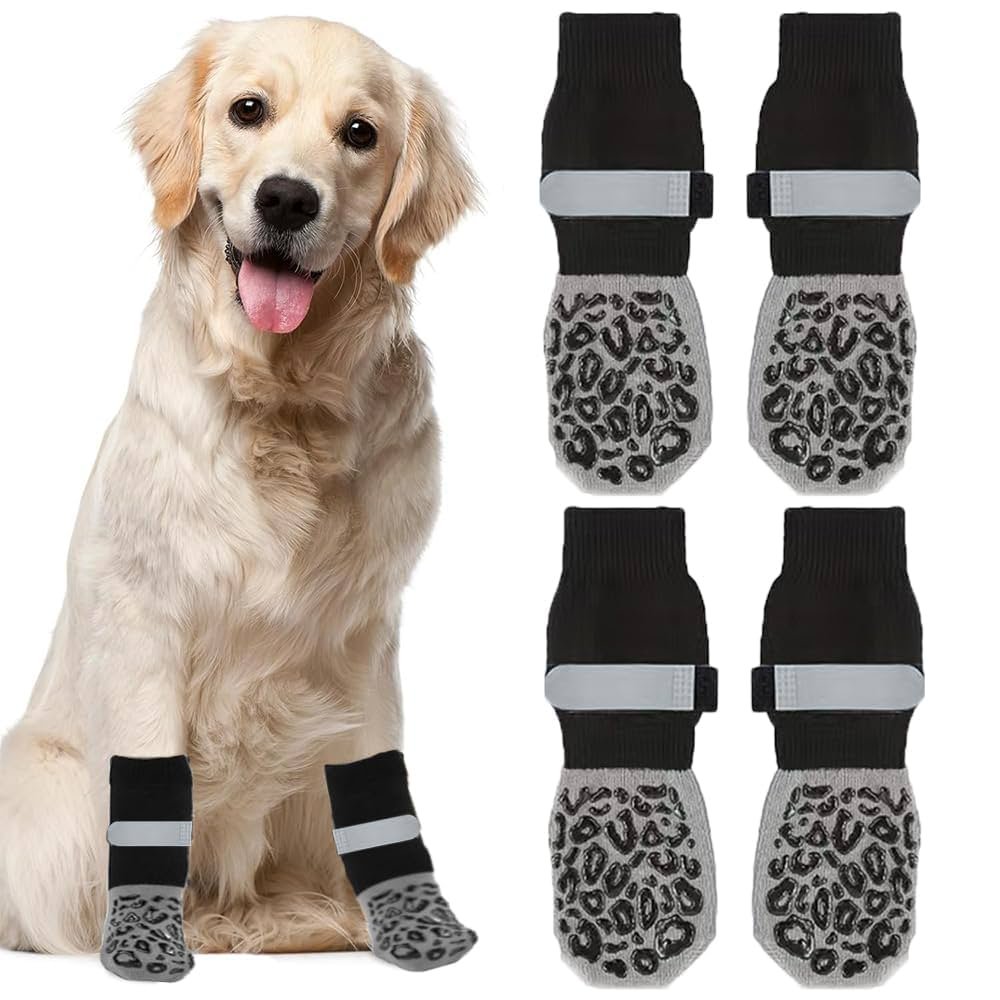
- Consider using a boot or sock over the wrap for extra protection.
Monitoring For Discomfort
- Watch your dog’s behavior for signs of pain or irritation.
- Look for swelling, redness, or foul smell around the wrap.
- Remove and rewrap if the bandage becomes wet or dirty.
- Keep the dog calm to prevent excessive movement of the foot.
- Contact a vet if the dog constantly tries to bite or pull the wrap.
- Check the toes daily to ensure good blood flow and comfort.
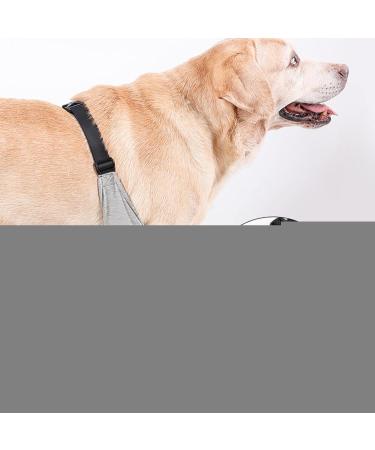
Credit: www.gosupps.com
When To Change The Bandage
Knowing when to change your dog's foot bandage is key to healing. Leaving a bandage on too long can cause problems. Changing it regularly keeps the wound clean and dry. It also stops your dog from licking the injured area. Watch your dog’s bandage closely for signs it needs replacing.
Signs Of Wear
- The bandage looks dirty or wet.
- The wrap feels loose or is slipping off.
- Your dog seems uncomfortable or tries to chew it.
- There is a bad smell coming from the bandage.
- Redness or swelling appears around the bandage edge.
Spotting these signs early helps prevent infection. Check the bandage at least twice daily. This keeps the foot protected and healing well.
Recommended Frequency
Change the bandage every one to two days. If the bandage gets wet or dirty, change it immediately. For serious wounds, daily changes might be needed.
Always clean the wound gently before applying a new wrap. Follow your vet’s advice for the best schedule. Consistent care speeds up your dog’s recovery.
Additional Ways To Prevent Licking
Preventing a dog from licking its foot is important for quick healing. Sometimes, wrapping the foot is not enough. Other options can help stop licking and protect your pet’s skin. These simple tools and tricks keep dogs calm and distracted.
Using Elizabethan Collars
Elizabethan collars, also called e-collars or cones, stop dogs from reaching their feet. They fit around the neck and create a barrier. This prevents licking and biting of wounds or bandages. E-collars come in various sizes and materials. Choose one that fits well and is comfortable for your dog.
Soft fabric collars are gentle and less noisy. Plastic collars are more rigid but offer strong protection. Make sure the collar does not cause stress or block your dog’s vision too much. Monitor your dog’s behavior and adjust the collar if needed.
Providing Distractions
Distractions can reduce your dog's focus on licking. Keeping your dog busy helps prevent licking habits. Use toys, chew treats, or puzzle feeders to engage your dog.
- Offer chew toys that are safe and durable.
- Use interactive toys that require problem-solving.
- Give long-lasting treats to keep your dog occupied.
Regular playtime and walks also divert attention from licking. A tired dog is less likely to lick. Keep your dog mentally and physically active to break the licking cycle.
When To See A Veterinarian
Knowing when to see a veterinarian is crucial if your dog’s foot remains a problem despite your best efforts to wrap and protect it. Sometimes, licking isn’t just a bad habit—it’s a sign of underlying pain or infection that needs professional care. Ignoring these signs can make the situation worse and delay healing.
Signs Of Infection
Watch closely for redness, swelling, or warmth around your dog’s foot. These can indicate an infection that needs immediate attention. Pus or a foul smell coming from the wound is a clear sign that bacteria are at work and your dog needs a vet’s care.
If your dog suddenly becomes more sensitive or starts limping, don’t wait. These changes often mean the infection is spreading or causing significant discomfort. Your vet can prescribe antibiotics or other treatments to stop the infection from worsening.
Persistent Licking Issues
If your dog keeps licking the wrapped foot despite your best efforts, it’s time to reconsider your approach and consult a vet. Constant licking can reopen wounds and slow healing, making the wrap ineffective.
Ask yourself: Is the licking caused by pain, anxiety, or an allergy? A vet can help identify the root cause and suggest solutions like medication, behavior training, or a different type of bandage. Don’t let persistent licking turn a minor injury into a chronic problem.
Frequently Asked Questions
How Do I Stop My Dog From Licking Its Foot?
Wrapping the dog's foot with a clean, breathable bandage helps prevent licking. Use vet-approved tape and ensure the wrap is snug but not tight.
What Materials Are Best For Wrapping A Dog's Foot?
Use sterile gauze pads, self-adhesive bandages, and vet tape. Avoid using regular adhesive tape as it can irritate the skin or cause injury.
How Tight Should I Wrap My Dog's Foot?
Wrap snugly to hold the bandage in place but not so tight that it restricts blood flow. Check for swelling or discomfort regularly.
How Long Should I Keep The Foot Wrapped?
Keep the bandage on for 24 to 48 hours, or as advised by your vet. Change the wrap daily to maintain cleanliness and prevent infection.
Conclusion
Wrapping your dog's foot keeps it safe from licking. This simple method helps healing and prevents infections. Remember to check the wrap daily. Make sure it's clean and snug, but not too tight. Use materials that are soft and breathable for comfort.
Your dog will appreciate the care and attention. Consistency is key for best results. Keep distractions handy, like toys or treats. This makes the process smoother. Follow these steps, and your dog's foot will heal faster. Enjoy more happy, healthy moments together.