If your furry friend has accidentally ingested THC, you might be feeling worried and unsure about what to do next. You're not alone.
Many pet owners have faced this unsettling situation and found themselves searching for answers. In this blog post, you'll discover practical steps to handle THC poisoning in dogs right at home. We'll guide you through recognizing the symptoms, providing immediate care, and knowing when to seek professional help.
Keep reading to equip yourself with the knowledge to protect your pet, ensuring their safety and well-being. Your dog's health is important, and with the right information, you can act swiftly and confidently in their time of need.
Credit: www.goodrx.com
Signs Of Thc Poisoning In Dogs
Recognizing the signs of THC poisoning in dogs is crucial if you want to act quickly and keep your furry friend safe. Dogs react differently to THC, and the symptoms can range from mild to severe. Knowing what to look for helps you decide whether home care is enough or if you need to seek veterinary help immediately.
Behavioral Symptoms
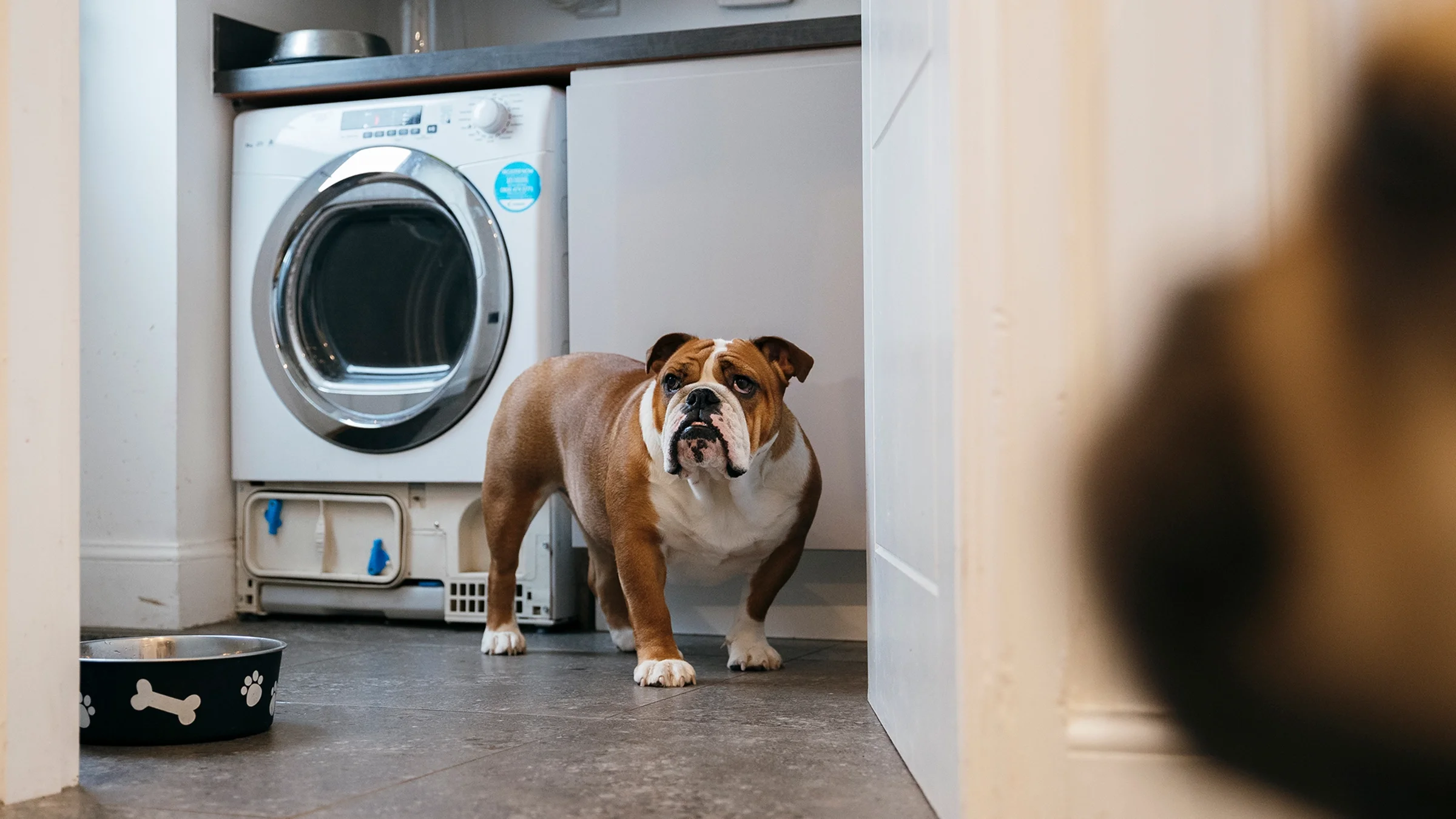
THC affects your dog’s brain, leading to noticeable changes in behavior. You might see your dog acting unusually restless or, conversely, extremely lethargic.
- Confusion or disorientation, like walking in circles or bumping into objects
- Excessive drooling or panting without obvious cause
- Uncoordinated movements or stumbling
- Sudden vocalizations such as whining or barking
Have you noticed your dog staring blankly or appearing “out of it”? These signs could be subtle hints of THC exposure.
Physical Symptoms
Physical reactions provide important clues to THC poisoning. Watch for changes in your dog’s physical state that seem out of the ordinary.
- Dilated pupils or glassy eyes
- Vomiting or diarrhea
- Tremors or shaking
- Slow heart rate or abnormal breathing patterns
Sometimes these symptoms might look like other illnesses, so pay attention to any combination of behavioral and physical signs.
Severe Reactions To Watch For
Some signs demand urgent action because they indicate a dangerous level of poisoning. If your dog shows these symptoms, don’t hesitate to get professional help.
- Seizures or uncontrollable shaking
- Loss of consciousness or inability to wake up
- Difficulty breathing or choking
- Rapid or irregular heartbeat
Have you ever wondered how fast THC poisoning can escalate? Severe reactions can develop quickly, so acting fast is vital to protect your dog’s health.

Credit: www.cbc.ca
Immediate Steps To Take
Knowing the immediate steps to take when your dog shows signs of THC poisoning can make a big difference. Acting quickly and calmly helps reduce the severity of symptoms and keeps your dog safer until professional help is available. Let’s focus on what you can do right now to support your furry friend.
Remove Access To Thc
The first thing you need to do is get any THC products away from your dog. Whether it’s edibles, oils, or plant material, make sure there’s no chance your dog can eat more. You might have to search your home carefully—dogs can be sneaky when they smell something tasty.
Have you ever noticed how pets can find the tiniest crumbs you missed? Imagine if those crumbs are harmful. Removing access immediately stops further exposure and lowers the risk of worsening symptoms.
Keep Your Dog Calm
THC can make dogs anxious or restless. Keeping your dog calm helps prevent injuries and reduces stress on their body. Speak in a soft voice and gently pet them to provide reassurance.
Try to create a quiet, dim environment. Loud noises or bright lights can make your dog more agitated. Have you found a special blanket or spot your dog relaxes in? Now’s the time to use it.
Monitor Breathing And Heart Rate
Watch your dog’s breathing closely. It should be steady and not too fast or slow. Check their heart rate by feeling their chest or inner thigh—count the beats for 15 seconds and multiply by four.
If you notice difficulty breathing, very rapid heartbeat, or if your dog seems unresponsive, these are signs you need urgent veterinary care. Do you know where your nearest emergency vet is located? Keep that information handy before an emergency occurs.
Home Remedies To Soothe Your Dog
THC poisoning can distress your dog greatly. Home remedies can help ease their symptoms while you monitor their condition closely. These gentle care tips support your dog’s comfort and recovery in a safe way.
Hydration Tips
Keep fresh water available at all times. Encourage your dog to drink small amounts often. You can offer ice cubes to lick if they refuse water. Hydration helps flush toxins from the body and prevents dehydration. Avoid sugary or flavored drinks which may upset their stomach.
Comforting Techniques
Create a quiet, calm space for your dog to rest. Use soft bedding and dim lighting to reduce stress. Speak in a gentle, soothing voice to reassure them. Avoid loud noises and sudden movements. Light massage or gentle petting can help your dog feel safe. Watch for signs of discomfort and adjust care accordingly.
Safe Foods And Supplements
Offer bland, easy-to-digest foods like boiled chicken and rice. These foods help settle the stomach and provide mild nutrition. Avoid fatty or spicy foods that can cause more upset. Probiotics designed for dogs may support digestion, but consult a vet before use. Do not give any human medications or supplements without professional advice.
When To Seek Veterinary Help
Knowing when to seek veterinary help for THC poisoning in dogs is vital. Some signs show mild effects, manageable at home. Others signal serious problems needing immediate care. Recognizing these signs can save your dog’s life. Acting fast improves recovery chances and reduces complications. Watch your dog closely after any exposure to THC. If you notice worrying symptoms, do not delay getting professional help.
Critical Warning Signs
- Uncontrolled shaking or seizures
- Difficulty breathing or rapid breathing
- Loss of consciousness or unresponsiveness
- Severe vomiting or diarrhea
- Extreme weakness or inability to stand
- Blue or pale gums
- Persistent drooling or foaming at the mouth
- Rapid heart rate or irregular heartbeat
- Excessive agitation or confusion
Any of these signs require urgent veterinary attention. Delaying care can lead to serious health risks or death. Always prioritize your dog’s safety and comfort.
How To Prepare For The Vet Visit
- Keep calm to help your dog stay calm
- Bring a sample of the THC product, if possible
- Note the time and amount of THC your dog ingested
- Write down any symptoms you observed and when they started
- Have your dog’s medical records ready, if available
- Transport your dog safely and securely
- Follow the vet’s instructions carefully
Being prepared helps the vet diagnose and treat your dog quickly. Clear information speeds up care and improves outcomes.
Preventing Thc Poisoning
Preventing THC poisoning in dogs is crucial because even small amounts can cause serious health issues. Dogs are naturally curious and may accidentally ingest THC products left within reach. Taking proactive steps can protect your furry friend and give you peace of mind.
Safe Storage Practices
Keep all THC products locked away in cabinets or containers your dog cannot open. Use child-proof packaging whenever possible to add an extra layer of security. Remember, what seems out of sight to you might still be accessible to your pet.
Consider storing edibles, oils, and other THC items in high places where pets cannot jump or climb. If you have guests, remind them to store their belongings safely too. Have you checked your storage spots recently for any overlooked risks?
Educating Family Members
Make sure everyone in your household understands the dangers of THC to dogs. Explain why these products must never be left unattended or given to pets under any circumstances. Clear communication can prevent accidental poisonings.
Encourage family members to speak up if they see THC items out of place. Sharing knowledge helps build a safer environment for your dog. How often do you discuss pet safety with those around you?
Pet-proofing Your Home
Think beyond just THC products—look for other potential hazards your dog might encounter. Use baby gates or closed doors to restrict access to certain rooms. Secure trash cans with lids to prevent your dog from scavenging harmful substances.
Introduce chew-proof bins and place tempting items out of reach. Creating a dog-friendly space reduces the chance of accidental ingestion. What small changes can you make today to better protect your pet?
Credit: www.goodrx.com
Frequently Asked Questions
What Are The Symptoms Of Thc Poisoning In Dogs?
Symptoms include lethargy, wobbling, drooling, vomiting, and dilated pupils. Severe cases show tremors or seizures. Early detection is crucial for treatment.
How Can I Safely Treat Thc Poisoning At Home?
Keep your dog calm and hydrated. Provide fresh water and a quiet space. Avoid forcing food or medications without vet advice.
When Should I Take My Dog To The Vet?
If symptoms worsen or last over 24 hours, seek immediate veterinary care. Severe signs like seizures require urgent medical attention.
Can Activated Charcoal Help With Thc Poisoning In Dogs?
Activated charcoal can absorb THC toxins if given early. Consult your vet before use to ensure safety and proper dosage.
Conclusion
Treating THC poisoning in dogs at home requires quick action and calmness. Keep your dog safe and comfortable while watching for symptoms. Offer fresh water and a quiet place to rest. Avoid giving any human medication without a vet's advice.
Contact a veterinarian if symptoms worsen or do not improve. Early care can help your dog recover faster. Always store cannabis products out of your pet’s reach. Being prepared can protect your dog from harm and stress. Taking simple steps can make a big difference in your dog’s health.