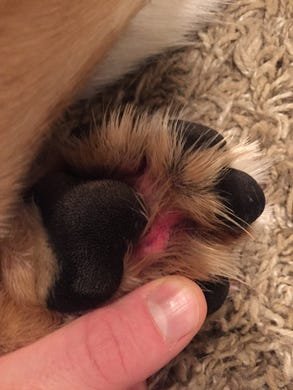
Is your furry friend limping or constantly licking at their paw? Discovering a raw spot on your dog's paw can be concerning and leave you wondering what to do next.
You want to help your beloved pet feel comfortable again, and quickly. In this guide, you'll find simple, effective steps to treat that tender area and prevent further discomfort. Imagine the relief you'll feel knowing exactly how to ease your dog's pain and get them back to their playful self.
Stay with us as we unravel the secrets to healing your dog's paw, ensuring both you and your pet can enjoy those joyful walks and playtimes once more.

Credit: www.reddit.com
Causes Of Raw Spots On Paws
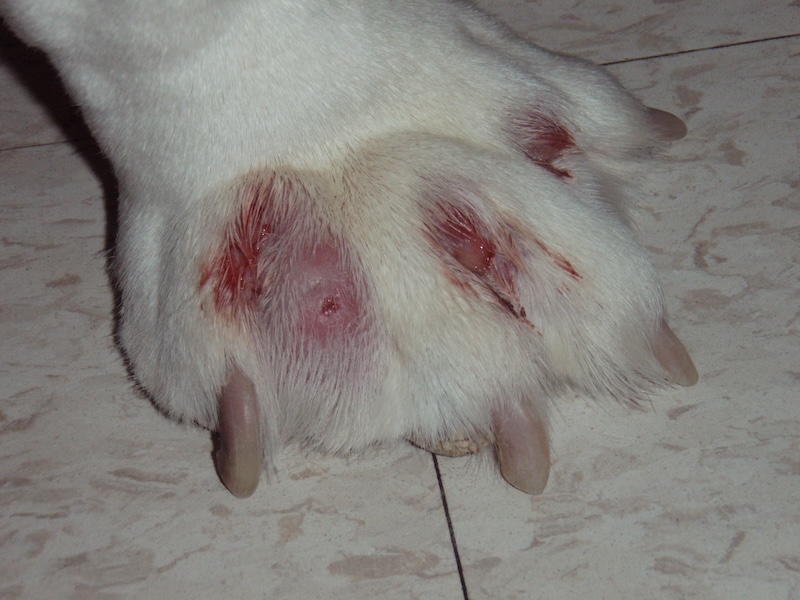
Raw spots on a dog’s paw can cause discomfort and slow healing. Understanding the causes helps in treating the problem effectively. Various factors can irritate your dog’s paws, leading to redness, soreness, or even open wounds. Identifying the root cause is crucial for proper care and quick recovery.
Common Irritants
Harsh chemicals like salt, fertilizers, or cleaning products can irritate paws. Rough surfaces such as gravel or hot pavement may cause abrasion. Grass with sharp blades or burrs can also lead to raw spots. Frequent exposure to these irritants damages the paw pads and skin.
Infections And Allergies
Bacterial and fungal infections often cause redness and soreness on paws. Allergies to food, pollen, or flea bites can trigger itching and inflammation. Dogs may lick or chew their paws, making the raw spots worse. Early treatment of infections and allergies prevents further damage.
Injury And Overuse
Running or walking long distances on hard surfaces can wear down paw pads. Cuts, scrapes, or burns from sharp objects cause raw areas. Overuse injuries happen when dogs are very active without enough rest. Protecting paws during exercise helps avoid injury and soreness.
Signs To Watch For
Spotting signs of a raw spot on your dog’s paw early can help prevent infection. Watch your dog’s paws closely for any changes. Early detection leads to faster healing and less discomfort for your pet.
Redness And Swelling
Redness around the paw is a key sign of irritation. Swelling shows your dog’s body is reacting to injury. These signs often appear before other symptoms. Check daily for any changes in color or size.
Limping Or Licking
Limping indicates pain or discomfort in the paw. Constant licking or chewing means your dog feels irritation. Dogs try to soothe raw spots by licking. Notice if your dog favors one paw over others.
Discharge Or Odor
Discharge from the paw can be clear, yellow, or green. This often signals infection. A foul smell coming from the paw is another warning. These signs need immediate attention to avoid worsening.
Immediate Care Steps
Taking quick action is key when treating a raw spot on your dog's paw. Immediate care helps prevent infection and speeds healing. Start by gently cleaning the wound. Then, apply soothing treatments to calm irritation. Finally, protect the area with a bandage to avoid further damage.
Cleaning The Area
Use lukewarm water to rinse dirt and debris from the raw spot. Avoid harsh soaps or chemicals that can irritate the skin. Gently pat the area dry with a clean cloth. Clean the wound twice daily to keep it free from infection.
Applying Soothing Treatments
Choose a pet-safe ointment or cream designed for wounds. These products reduce pain and help the skin heal faster. Avoid human creams unless your vet approves them. Apply a thin layer carefully over the raw spot to soothe the skin.
Using Protective Bandages
Cover the treated area with a sterile, non-stick pad. Wrap it lightly with a bandage to keep it in place. Do not wrap too tight to avoid cutting off circulation. Change the bandage daily or when it gets wet or dirty. This protects the paw from dirt and further injury.
Home Remedies For Relief
Finding a raw spot on your dog's paw can be worrying, but you don’t always need to rush to the vet for immediate treatment. There are several home remedies that can provide relief and support healing. These options focus on soothing irritation, preventing infection, and keeping the area moisturized.
Natural Antiseptics
Using natural antiseptics helps keep the raw spot clean without harsh chemicals. A gentle rinse with diluted apple cider vinegarcan reduce bacteria and soothe the skin. Mix one part vinegar with two parts water and apply it carefully with a cotton ball.
Another option is honey, especially raw or Manuka honey, which has natural antibacterial properties. Applying a thin layer directly on the paw can protect the wound and speed up healing. Just watch your dog to prevent licking it off immediately.
Moisturizing Options
Dryness can slow down recovery and cause more discomfort. Using safe moisturizers keeps the skin soft and flexible. Products like coconut oilor a small amount of aloe vera gelwork well to hydrate the area without irritation.
Be careful not to use lotions with fragrances or chemicals that might worsen the raw spot. You want to create a barrier that protects and soothes, not one that adds to the problem. Have you tried applying coconut oil to your dog's paws before? Many owners find it surprisingly effective.
Preventing Further Irritation
Stopping your dog from licking or chewing the spot is crucial for healing. You might need to use an Elizabethan collar or gently wrap the paw with a breathable bandage. Ensure the bandage isn’t too tight to avoid cutting off circulation.
Also, limit walks on rough surfaces like gravel or hot pavement until the paw is better. Soft grass or indoor play can keep your dog active without risking more damage. What changes can you make in your dog’s routine to protect that sore paw?
When To See A Vet
Knowing when to see a vet for a raw spot on your dog’s paw is vital. Some injuries heal fast at home. Others need professional care to stop infection or pain. Acting early can prevent serious problems. Watch your dog closely and trust your instincts. If you notice worrying signs, a vet visit is best.
Signs Of Infection
- Redness spreading beyond the raw spot
- Swelling around the paw
- Pus or strange discharge
- Bad smell coming from the wound
- Your dog licking or biting the paw often
- Fever or lethargy
Infections can worsen quickly. A vet can prescribe antibiotics or special treatments. Do not ignore these signs.
Persistent Or Worsening Symptoms
- Raw spot not improving after a few days
- Increased pain or limping
- Crusting or thickening of the skin
- Repeated reopening of the wound
- Reluctance to walk or play
Persistent wounds may need cleaning, medication, or bandaging by a professional. Early vet care helps healing.
Special Care For Sensitive Dogs
Dogs with allergies, diabetes, or weak immune systems need extra attention. Their wounds heal slower and risk infection.
Consult a vet early if your dog has health issues. The vet can suggest tailored treatments and advice.
Credit: www.merckvetmanual.com
Preventing Raw Spots
Preventing raw spots on your dog’s paws is key to keeping them healthy and happy. Raw spots cause pain and can lead to infections. Taking simple steps every day helps protect your dog’s paws from damage. Regular care supports healing and keeps raw spots away.
Proper Paw Hygiene
Clean your dog’s paws after each walk. Use warm water and a soft cloth to remove dirt and debris. Dry the paws completely to avoid moisture buildup. Moist areas can cause irritation and infections. Trim the hair around the paws to prevent dirt collection. Use dog-safe wipes for quick cleaning if water is not available.
Choosing The Right Surfaces
Avoid rough or hot surfaces that can hurt your dog’s paws. Walk your dog on grass, dirt, or smooth pavement. Hot asphalt can burn paw pads, especially in summer. In winter, avoid salted roads that can cause irritation. Use dog booties for protection in harsh weather or rough terrain. Change walking routes to give paws a break from hard surfaces.
Regular Paw Inspections
Check your dog’s paws daily for cuts, swelling, or redness. Look between the toes for trapped debris like stones or twigs. Early spotting of problems helps prevent raw spots from worsening. Notice any limping or licking of paws as signs of discomfort. Keep nails trimmed to avoid scratches or injuries. Use a gentle paw massage to improve circulation and spot issues early.

Credit: www.reddit.com
Frequently Asked Questions
How Can I Safely Clean A Raw Spot On My Dog's Paw?
Use warm water and mild soap to gently clean the area. Avoid harsh chemicals to prevent irritation. Pat the paw dry with a clean towel before applying any treatment.
What Home Remedies Help Heal A Dog's Raw Paw?
Applying aloe vera or coconut oil can soothe and promote healing. Use these natural remedies sparingly and monitor for any allergic reactions in your dog.
When Should I See A Vet For My Dog's Paw Injury?
Consult a vet if the raw spot worsens, shows infection, or doesn't heal in a week. Immediate care is crucial for severe wounds or persistent licking.
How Can I Prevent Raw Spots On My Dog's Paws?
Keep your dog's paws clean and dry after walks. Use protective booties in extreme weather and regularly trim paw hair to avoid irritation.
Conclusion
Taking care of a raw spot on your dog’s paw is important. Clean the area gently every day. Use vet-approved ointments to help healing. Keep your dog from licking or biting the spot. Watch for signs of infection or worsening.
Regular checks help you catch problems early. A healthy paw means a happy dog. Simple care makes a big difference in healing. Stay patient and consistent with treatment. Your dog will feel better soon.