Are you wondering how long your furry friend should stay on puppy food? Feeding your dog the right food at the right time is crucial for their growth and health.
But knowing when to switch from puppy food to adult dog food can be confusing. If you want to give your dog the best start in life and avoid common feeding mistakes, keep reading. This guide will help you understand exactly how long your dog needs puppy food and when it’s time to make the change.
Your dog’s health depends on it!
Puppy Food Benefits
Puppy food is specially designed to support your growing dog's unique needs. Choosing the right food can make a huge difference in their development and overall health. Have you ever wondered why puppy food isn’t just the same as adult dog food? Let’s dive into what makes puppy food beneficial for your furry friend.
Nutritional Needs For Growth
Puppies require more calories and nutrients than adult dogs because they are rapidly growing. Their bodies need extra protein and fat to build strong muscles and support brain development.
Essential vitamins like calcium and phosphorus help form healthy bones and teeth. Without the right balance, your puppy could face growth problems or weak immunity.
Feeding your puppy food ensures they get these critical nutrients in the right amounts. Have you noticed how energetic puppies are? Their food fuels that energy and growth.
Differences From Adult Dog Food
Puppy food contains a higher concentration of calories and nutrients to meet their active metabolism. Adult dog food, on the other hand, has fewer calories to prevent weight gain once growth slows.
Texture is also different; puppy food is often softer and easier to chew, helping your young dog transition from milk to solid food comfortably.
Moreover, puppy formulas include ingredients that support brain and eye development, like DHA, which you won’t find in most adult dog foods. This difference is crucial during the early months of your puppy’s life.

Credit: www.chewy.com
When To Switch Foods
Knowing the right time to switch your puppy from puppy food to adult food is important. This change supports their growth and health without causing digestive issues. Puppies grow fast, and their nutritional needs change as they age. Transitioning at the correct time helps maintain their energy and development.
Age Milestones For Transition
Puppies usually need puppy food for their first months. Most dogs switch to adult food between 9 and 12 months old. Large breeds may need puppy food longer, up to 18 months. Small breeds often switch earlier, around 9 months.
These age ranges depend on the breed and size of your dog. Following these milestones helps meet their changing nutritional needs.
Signs Your Puppy Is Ready
- Your puppy’s growth rate slows down.
- They start to lose the soft puppy coat.
- They show less energy bursts but stay playful.
- They handle new foods without stomach upset.
- Vet suggests the switch based on health check.
Watch for these signs to know if your puppy can eat adult food. A smooth transition avoids digestive problems and supports their health.
Breed And Size Considerations
Breed and size play a key role in deciding how long puppies should eat puppy food. Different breeds grow at different rates. Their nutritional needs also vary. Choosing the right time to switch helps their health and development.
Small Breed Puppies
Small breed puppies grow faster than large breeds. They usually reach adult size around 9 to 12 months. Feeding puppy food for about 9 to 12 months is ideal. Puppy food supports their high energy and fast growth. Switching too early can slow their development. Keeping them on puppy food ensures strong bones and muscles.
Large Breed Puppies
Large breed puppies grow slower and longer. They may take 12 to 24 months to reach full size. Large breeds need special puppy food for bone and joint health. Feeding puppy food for at least 12 to 18 months is common. Some large breeds benefit from longer feeding periods. This helps prevent growth problems and supports steady development.
Transitioning To Adult Food
Transitioning your puppy from puppy food to adult food is a crucial step in their growth. This change supports their evolving nutritional needs as they move out of their rapid growth phase. Handling this transition carefully helps keep your dog healthy and happy.
Gradual Food Changes
Switch your dog's food slowly over 7 to 10 days. Start by mixing 25% adult food with 75% puppy food. Each day, increase the adult food amount while decreasing puppy food.
This slow switch helps your dog's digestive system adjust without shock. Sudden changes can cause stomach upset or refusal to eat. Have you noticed your dog being picky when you switched foods too fast?
Avoiding Digestive Issues
Watch for signs like diarrhea, vomiting, or gas during the switch. These are signs your dog’s tummy is struggling with the new food. If issues arise, slow down the transition or consult your vet.
Keeping fresh water available is also essential to help digestion. Adding a bit of plain canned pumpkin can soothe upset stomachs naturally. How do you keep your dog's digestion smooth during food changes?
Feeding Frequency And Portions
Feeding frequency and portion size are key to your puppy’s healthy growth. Puppies need more meals than adult dogs. Their small stomachs cannot hold large amounts of food at once. Proper feeding helps maintain energy and supports development.
Portion control prevents overeating and obesity. It also ensures your puppy gets the right nutrients without waste. Adjust feeding habits as your puppy grows. Watch for changes in appetite and activity levels.
Puppy Feeding Schedule
Young puppies eat often during the day. Here is a typical feeding schedule:
- 6 to 12 weeks: Four meals daily
- 3 to 6 months: Three meals daily
- 6 to 12 months: Two meals daily
Stick to consistent meal times. This helps regulate digestion and potty training. Avoid leaving food out all day. Scheduled meals teach good eating habits.
Adjusting Portions Over Time
Portion sizes change as your puppy grows. Use the puppy food package as a guide. Adjust portions based on weight and activity level.
- Weigh your puppy regularly
- Increase portions gradually as they grow
- Reduce portions before switching to adult food
Watch your puppy’s body condition. Avoid excessive weight gain or loss. Consult your vet for personalized feeding advice.
Common Feeding Mistakes
Feeding your puppy the right food for the right amount of time is crucial, but many dog owners stumble on common feeding mistakes. These errors can affect your puppy’s health and growth more than you realize. Understanding these pitfalls helps you avoid them and ensures your furry friend thrives.
Overfeeding Risks
It’s tempting to give your puppy extra food, especially when they look hungry or ask for more. However, overfeeding can lead to obesity and strain their developing joints. Excess weight in puppies often causes long-term health problems like diabetes or heart issues.
Watch your puppy’s body shape carefully. Are they getting rounder instead of leaner? If so, it’s time to adjust portion sizes. Remember, feeding guidelines on packaging are a good starting point but observe your pup’s needs closely.
Feeding Inappropriate Foods
Some owners think it’s okay to share table scraps or adult dog food with puppies. This can cause digestive upset or nutritional imbalances. Puppy food is specially made with higher protein and fat to support growth, which adult food or human meals often lack.
Have you noticed your pup refusing their meals or having stomach troubles? This might be due to unsuitable food. Stick to high-quality puppy formulas and consult your vet before introducing any new treats or foods to your puppy’s diet.
Consulting Your Veterinarian
Consulting your veterinarian is key to deciding how long your dog should eat puppy food. Each dog grows at a different pace and has unique needs. Professional advice ensures your puppy gets the right nutrition at the right time. Your vet can guide you through changes in diet based on health and development.
Personalized Feeding Plans
Your veterinarian creates a feeding plan just for your puppy. They consider breed, size, and activity level. This plan helps you know when to switch from puppy to adult food. It also sets portion sizes and meal frequency. Personalized plans reduce risks of overfeeding or nutritional gaps.
Monitoring Growth And Health
Regular check-ups track your puppy’s weight and overall health. Vets look for steady growth and good body condition. They watch for signs of allergies or digestive issues. Adjustments to diet happen based on these observations. Monitoring helps prevent problems and supports healthy development.

Credit: www.lilyskitchen.co.uk
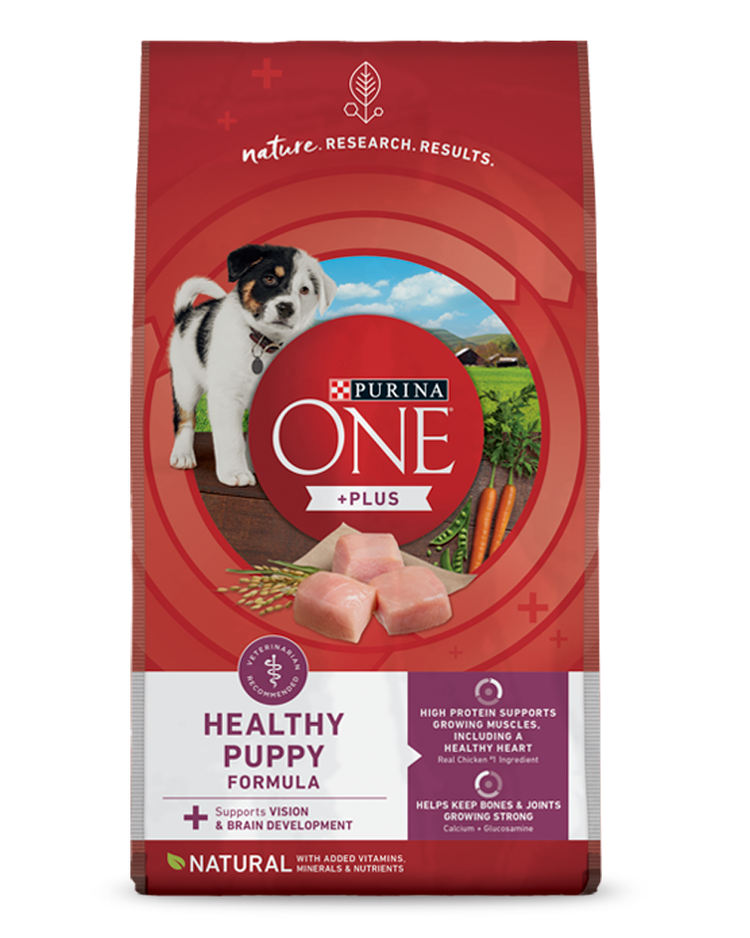
Credit: www.purina.com
Frequently Asked Questions
When Should Dogs Stop Eating Puppy Food?
Dogs should transition to adult food when they reach maturity. This typically occurs around 12 months for smaller breeds, and up to 18-24 months for larger breeds. It's essential to consult your veterinarian for specific dietary recommendations based on your dog's breed, size, and health needs.
Can Puppy Food Harm Adult Dogs?
Feeding puppy food to adult dogs is not ideal. Puppy food is calorie-dense and high in nutrients, which can lead to weight gain and nutritional imbalances in adult dogs. It's best to switch to adult dog food to ensure appropriate nutrient levels for your dog's age and size.
What Happens If Dogs Eat Puppy Food Too Long?
Eating puppy food too long can lead to obesity. Puppy food is rich in calories and nutrients, which can be excessive for adult dogs. This can also cause nutrient imbalances, potentially affecting your dog's health. Always transition to adult dog food at the appropriate age.
Is Puppy Food Necessary For All Breeds?
Yes, puppy food is essential for all breeds. It provides the necessary nutrients for growth and development. However, the duration for which puppy food is needed varies. Smaller breeds may transition earlier than larger breeds. Consult with your vet for breed-specific dietary needs.
Conclusion
Puppies need puppy food for several months as they grow fast. Most dogs switch to adult food between 9 and 12 months old. Watch your dog’s size and energy to decide the right time. Changing food too soon or too late can cause problems.
Always check with your vet for the best advice. Feeding the right food helps your dog stay healthy and strong. Keep your puppy’s needs in mind during this important stage. Healthy habits start early and last a lifetime.