Ever found yourself staring at a bag of dog food, wondering just how many cups you're scooping out for your furry friend? You’re not alone.
Understanding how many cups are in 15 pounds of dog food can make meal times easier and help you plan your pet’s diet more effectively. This knowledge can also save you trips to the store and keep your budget in check.
Do you want to ensure your dog is getting the right amount of food every time, without the guesswork? Keep reading to uncover the simple math behind measuring your dog’s meals, and feel confident that you're giving your pet exactly what they need.
Weight To Volume Conversion
Understanding the weight to volume conversion helps measure dog food accurately. Weight tells how heavy the food is, while volume shows how much space it fills. Both are important for feeding the right amount to your dog.
Pounds To Cups Basics
One pound of dog food does not always equal the same number of cups. This depends on the food's density and shape. On average, one pound of dry dog food is about 4 cups. So, 15 pounds of dog food is roughly 60 cups.
This is a simple estimate and can vary. Measuring with a kitchen scale is more precise than using cups.
Factors Affecting Measurement
- Density:Heavier, denser food fills less volume per pound.
- Shape:Larger kibble pieces may take more space but weigh less.
- Moisture:Wet or semi-moist food weighs more but may have less volume.
- Packaging:How tightly the food is packed affects volume measurement.
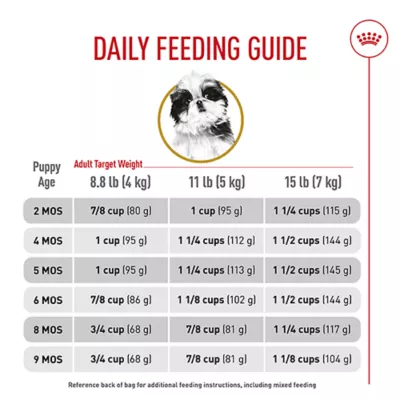
These factors cause variations in cups per pound. Always check the dog food label for specific serving sizes.
Credit: www.petsmart.com
Dog Food Density And Types
Understanding dog food density and types is key to figuring out how many cups are in 15 pounds of dog food. Different foods have different weights per cup because their ingredients and moisture levels vary. This affects how much your dog actually eats and can help you measure portions more accurately.
Dry Kibble Variations
Dry kibble is the most common dog food, but not all kibble weighs the same. Some brands pack their kibble tightly, making a cup heavier, while others have lighter, airier pieces.
For example, a cup of dense, grain-free kibble might weigh around 4.5 ounces, while a lighter formula could be closer to 3.5 ounces per cup. This means 15 pounds of dense kibble could be about 53 cups, but lighter kibble might give you up to 68 cups.
Have you noticed your dog's food bag lists cups per pound? That’s a handy tip to measure accurately without guessing.
Wet Food Considerations
Wet dog food has a much higher moisture content, which makes it heavier per volume than dry kibble. A cup of wet food can weigh twice as much or more than a cup of dry food.
Because of this, 15 pounds of wet food will fill fewer cups than dry food. It’s usually closer to 20–25 cups depending on the brand and recipe.
If you switch from dry to wet, consider how this changes portion sizes. Measuring by weight instead of volume might save you confusion and keep your dog’s diet consistent.
Measuring 15 Pounds Of Dog Food
Measuring 15 pounds of dog food accurately can save you time and prevent overfeeding or underfeeding your furry friend. Knowing how to convert pounds into cups helps you portion meals with ease. Let's look at reliable ways to measure this quantity without guesswork.
Standard Cup Sizes
Most dog food packaging uses a standard cup size of 8 fluid ounces, which equals about 4 ounces by weight for dry kibble. However, the exact volume can vary depending on the kibble's density and shape.
On average, 1 cup of dry dog food weighs roughly 3.5 to 4 ounces. That means 15 pounds (which equals 240 ounces) will be about 60 to 68 cups.
- If your kibble is denser, expect fewer cups per pound.
- Lighter, airier kibble means more cups per pound.
Have you noticed the difference in volume when switching brands? This variation makes relying solely on cups tricky.
Using A Kitchen Scale
A kitchen scale offers the most precise way to measure 15 pounds of dog food. You can measure out the exact weight without worrying about varying cup sizes.
Start by placing your empty container on the scale and zeroing it out. Then, slowly add the kibble until you hit 15 pounds.
This method also helps if you want to divide the food into daily portions accurately. For example, if your dog eats 1.5 cups per meal, weighing those cups ensures you’re feeding the right amount every time.
Do you have a kitchen scale at home? It might be worth grabbing one if you’re serious about portion control.
Practical Tips For Accurate Feeding
Feeding your dog the right amount of food is crucial for their health and happiness. Even if you know how many cups are in 15 pounds of dog food, precise feeding takes more than just measurement. Small adjustments and consistent habits can make a big difference in your dog’s well-being.
Consistent Measurement Techniques
Use the same measuring cup every time you feed your dog. Different cups can vary in volume, which leads to unintentional overfeeding or underfeeding.
Level off the food with a flat edge rather than scooping to avoid packed food that adds extra calories. This simple step helps keep the portions consistent.
Try measuring your dog’s food on a kitchen scale occasionally. It’s a quick way to verify if your cup measurements are accurate and can give you peace of mind.
Adjusting Portions For Your Dog
Observe your dog’s weight and energy levels regularly. If your dog seems sluggish or is gaining too much weight, consider reducing the portion by a quarter cup and monitor the changes.
Dogs’ needs change with age, activity, and health conditions. You might need to increase or decrease food amounts as your dog grows or slows down.
Ask yourself: Is your dog maintaining a healthy weight? If not, small changes in portion size can help. Don’t hesitate to consult your vet for tailored advice.
Common Measurement Mistakes
Measuring dog food can be tricky. Many pet owners make simple mistakes that affect feeding amounts. These errors can lead to overfeeding or underfeeding your dog. Accurate measurement ensures your pet stays healthy and happy. Understanding common pitfalls helps you avoid them easily.
Overestimating Volume
Many assume that a cup of dog food always weighs the same. This is not true. Different brands and shapes of kibble vary in size and density. A cup of light, airy kibble weighs less than a dense, small kibble. Overestimating volume can cause you to feed more than intended. Using a kitchen scale is a better way to measure food by weight, not volume.
Ignoring Food Type Differences
Dog food types differ greatly. Dry kibble, wet food, and raw diets have different weights and volumes. A cup of wet food packs more weight than dry kibble. Raw diets can vary even more in moisture and density. Ignoring these differences leads to inaccurate feeding amounts. Always check the feeding guide specific to the food type you use.

Credit: www.houndsy.com

Credit: zignature.com
Frequently Asked Questions
How Many Cups Are In 15 Pounds Of Dog Food?
There are approximately 48 to 60 cups in 15 pounds of dog food. This varies based on the kibble size and density.
Does Cup Size Affect Dog Food Measurement?
Yes, cup size affects measurement accuracy. Using a standard 8-ounce measuring cup ensures consistent portion sizes.
How To Convert Dog Food Pounds To Cups?
To convert pounds to cups, divide the total weight by the kibble’s weight per cup. Check packaging for specifics.
Why Is Knowing Cups In Dog Food Important?
Knowing cups helps control your dog's diet. It ensures proper feeding amounts and prevents overfeeding or underfeeding.
Conclusion
Knowing how many cups are in 15 pounds of dog food helps feed your pet right. Most dog foods have about 4 cups per pound, but check the bag to be sure. Proper portions keep your dog healthy and happy.
Always measure carefully to avoid overfeeding or underfeeding. Feeding the right amount saves money and prevents waste. Keep your dog’s size and activity in mind when measuring food. This simple step makes a big difference in your dog’s daily care.