If your dog has been rummaging through the trash and now seems uncomfortable or sick, you’re probably worried about “garbage gut.” It’s a common problem that can cause upset stomach, vomiting, or diarrhea in your furry friend. The good news?
You can help your dog feel better right at home with simple, effective steps. You’ll discover easy ways to treat garbage gut and bring your dog back to their happy, healthy self. Keep reading—your dog’s comfort and health depend on what you do next.

Credit: k9vitality.in
Symptoms Of Garbage Gut
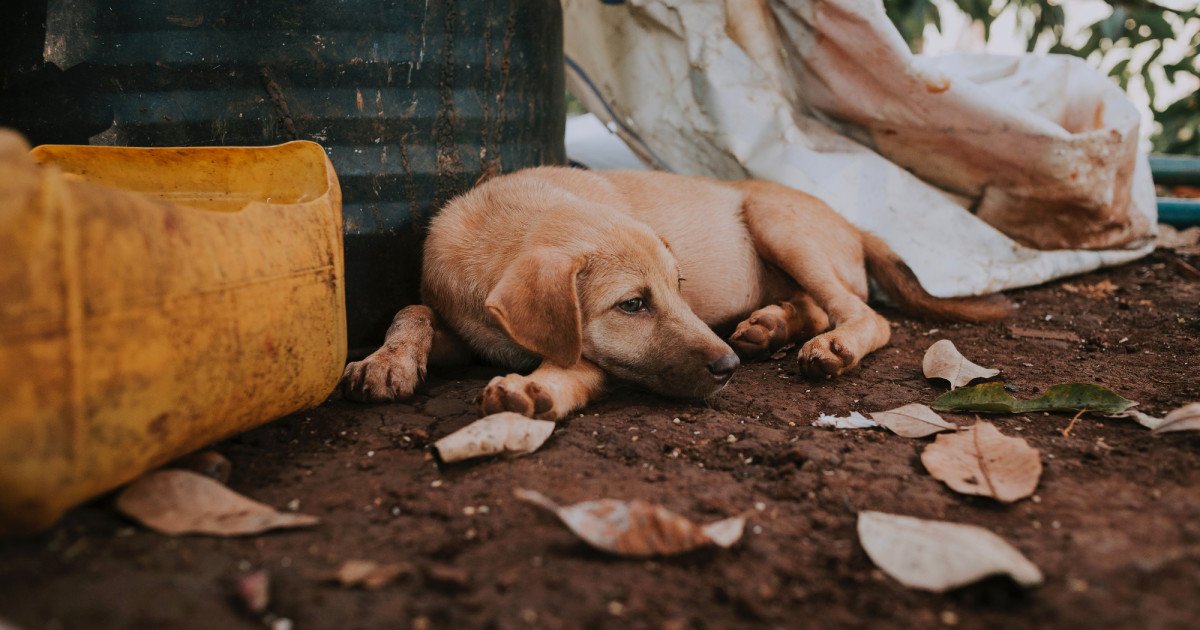
Garbage gut in dogs happens after eating spoiled food or trash. It causes stomach upset and discomfort. Knowing the symptoms helps you act fast. Early signs may seem mild but should not be ignored. Watch your dog closely to spot any changes in behavior or health.
Common Signs To Watch For
- Vomiting and dry heaving
- Loose or watery stools
- Loss of appetite
- Excessive drooling
- Abdominal pain or bloating
- Lethargy and weakness
- Restlessness or pacing
- Dehydration, such as dry gums
These signs usually start within hours after eating garbage. They vary in severity depending on the amount and type of food eaten.
When To See A Vet
Contact a vet if symptoms last more than 24 hours. Seek help if your dog shows:
- Repeated vomiting or inability to keep water down
- Severe diarrhea with blood
- Signs of severe pain or swelling in the belly
- Weakness or collapse
- Fever or unusual behavior
Immediate care can prevent serious complications. Do not delay if your dog's condition worsens quickly.
Credit: www.petscare.com
Immediate Actions To Take
Taking quick and proper actions helps your dog recover faster from garbage gut. Immediate care reduces risks of severe illness and discomfort. Focus on stopping further trash eating and supporting your dog's digestion.
Removing Access To Trash
Prevent your dog from eating more garbage at once. Move trash bins to a place your dog cannot reach. Use lids or locks on trash containers to keep them secure.
Watch your dog closely. Stop any attempts to sniff or eat trash outside. Clean up any food scraps or wrappers around your home.
Hydration And Rest
Offer fresh water often to keep your dog hydrated. Small, frequent sips help if your dog feels nauseous. Avoid giving food until vomiting stops or lessens.
Let your dog rest in a quiet, comfortable spot. Rest supports healing and lowers stress. Monitor your dog’s behavior for any worsening symptoms.
Home Remedies For Relief
Dealing with garbage gut in dogs can be stressful, but you have effective home remedies to ease your furry friend's discomfort. These remedies focus on calming the digestive system and restoring balance. By paying attention to what you feed and how you support gut health, you can help your dog feel better faster.
Bland Diet Options
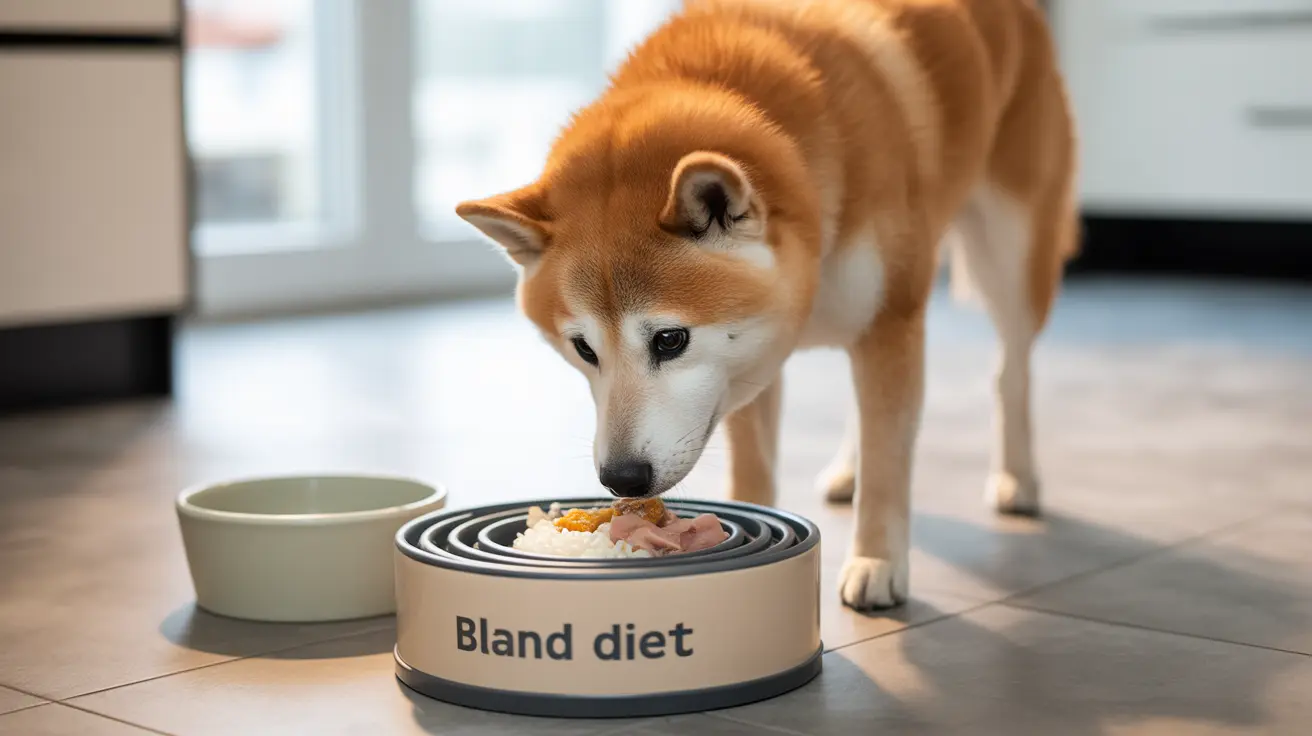
A bland diet is gentle on your dog’s stomach and helps reduce irritation. Common choices include boiled chicken (skinless and boneless) and plain white rice. These foods provide nutrients without causing more upset.
You can also try boiled potatoes or plain canned pumpkin for fiber, which aids digestion. Avoid adding spices, oils, or sauces. Feeding small, frequent meals instead of one large meal can prevent overwhelming your dog’s system.
Have you noticed how quickly your dog responds to simpler meals? It’s often the first step to recovery.
Probiotics And Supplements
Probiotics help restore healthy gut bacteria, which can get disrupted after eating garbage. Adding probiotic supplements designed for dogs may improve digestion and reduce diarrhea.
Yogurt with live cultures can be an easy, natural source, but make sure it’s plain and without artificial sweeteners. You might also consider supplements like slippery elm or digestive enzymes to soothe the gut lining.
Always introduce supplements gradually and watch for any changes. Have you tried probiotics before, and did you notice a difference in your dog's recovery speed?

Credit: shamelesspets.com
Preventing Future Incidents
Preventing future incidents of garbage gut in your dog is essential to keep them healthy and avoid stressful vet visits. Taking proactive steps can save you from the frustration of cleaning up messes and worrying about your dog’s digestive health. Let’s look at practical ways you can make your home safer and teach your dog better habits.
Secure Trash Management
Keeping your trash tightly sealed and out of reach is the first line of defense. Use bins with secure lids or place them inside cabinets to block your dog’s access. Even a curious sniff can lead to a dangerous ingestion, so think about where you store your garbage.
Consider using heavy-duty trash cans that your dog cannot tip over. If you’ve ever seen a dog pull a bag out and tear it open, you know how quickly garbage gut can happen. A simple latch or weight on the lid can make a big difference.
Training And Supervision
Training your dog to avoid trash is just as important as securing the garbage itself. Teach commands like “leave it” or “no” and reward your dog for obeying. Consistent training helps your dog understand boundaries and reduces the temptation to scavenge.
Supervision is key, especially during times when your dog is more likely to explore, such as meal prep or cleanup. Watch your dog closely and redirect their attention if they approach the trash. Have you noticed how dogs often test limits when bored? Keeping them engaged with toys or exercise can reduce this behavior.
When To Seek Veterinary Care
Knowing when to seek veterinary care is key in treating garbage gut in dogs. Some signs show that the condition is serious. Prompt action can save your dog's life. Don’t wait if symptoms worsen or new problems appear.
Signs Of Serious Illness
- Persistent vomiting or diarrhea lasting more than 24 hours
- Blood in vomit or stool
- Severe abdominal pain or bloating
- Weakness, collapse, or difficulty standing
- High fever or rapid breathing
- Refusal to eat or drink for over 12 hours
- Signs of dehydration such as dry gums or sunken eyes
- Sudden behavioral changes like aggression or lethargy
Potential Treatments At The Vet
Vets may provide fluids to treat dehydration. Medications will help control vomiting and diarrhea. Antibiotics might be needed if infection is present. They may also perform X-rays to check for blockages.
In severe cases, surgery could be necessary to remove harmful objects. Close monitoring ensures your dog recovers safely. Follow all vet advice to help your dog heal quickly.
Frequently Asked Questions
What Are The Common Symptoms Of Garbage Gut In Dogs?
Garbage gut symptoms include vomiting, diarrhea, lethargy, and loss of appetite. Dogs may also show dehydration and abdominal pain. Early recognition helps prompt treatment and prevents complications.
How Can I Treat My Dog's Garbage Gut At Home?
Provide plenty of water to prevent dehydration. Feed a bland diet like boiled chicken and rice. Avoid giving treats or human food. Monitor symptoms and consult a vet if condition worsens.
When Should I See A Vet For Garbage Gut?
Visit a vet if vomiting or diarrhea lasts more than 24 hours. Seek help if your dog shows blood in stool, severe lethargy, or dehydration signs. Professional care ensures proper diagnosis and treatment.
Can I Prevent Garbage Gut In My Dog?
Keep trash and harmful foods out of reach. Train your dog to avoid scavenging. Provide a balanced diet and regular exercise. Prevention reduces the risk of garbage gut and related illnesses.
Conclusion
Caring for a dog with garbage gut is crucial. Always keep a close eye. Ensure they stay hydrated. Offer a bland diet to soothe their stomach. Monitor for any signs of distress. Quick action can prevent serious issues. Consulting a vet is always wise if symptoms persist.
Remember, prevention is better than cure. Keep trash out of reach. This will help avoid future incidents. Your dog’s health depends on your vigilance. Treat them with love and care. They rely on you for their well-being. Happy, healthy dogs make happy owners.