Are you curious about how many calories are in a cup of dog food? Knowing this can make a big difference in keeping your furry friend healthy and happy.
Whether you want to manage your dog’s weight or simply understand their diet better, understanding the calorie content is the first step. Keep reading, and you’ll discover simple ways to make sure your dog gets just the right amount of energy every day.
Your pet’s health depends on it!
Credit: www.petsmart.com
Calorie Basics In Dog Food
Understanding the calorie basics in dog food is key to managing your pet’s health. Calories in dog food provide the energy your dog needs for daily activities, growth, and overall wellbeing. But not all calories are created equal, and knowing how they affect your dog can help you make better feeding choices.
What Calories Mean For Dogs
Calories are units of energy. For dogs, this energy fuels everything from tail wags to long walks. If your dog consumes more calories than it burns, weight gain follows; too few, and your dog might lose weight or lack energy.
Think about your own energy needs. Just like you wouldn’t thrive on too little or too much food, your dog needs the right calorie balance. The quality of these calories matters too—nutrient-dense calories promote better health than empty ones.
Factors Affecting Calorie Content
Calorie content in dog food isn’t fixed. It changes based on several factors:
- Ingredients:High-protein or high-fat formulas have more calories per cup than those heavy on fillers like grains.
- Moisture Level:Wet dog food contains fewer calories per cup than dry kibble because of water content.
- Processing:How the food is made can affect calorie density and digestibility.
Have you ever noticed the difference in how much your dog eats between wet and dry food? That’s a perfect example of how moisture impacts calorie intake. Knowing these factors helps you read labels better and feed your dog just the right amount.
Types Of Dog Food And Calories
Understanding the calories in your dog’s food starts with recognizing the type of food you’re feeding them. Different dog foods have varying calorie contents based on their ingredients, moisture levels, and processing methods. Knowing these differences helps you control your dog’s weight and energy levels more effectively.
Dry Kibble Calorie Range
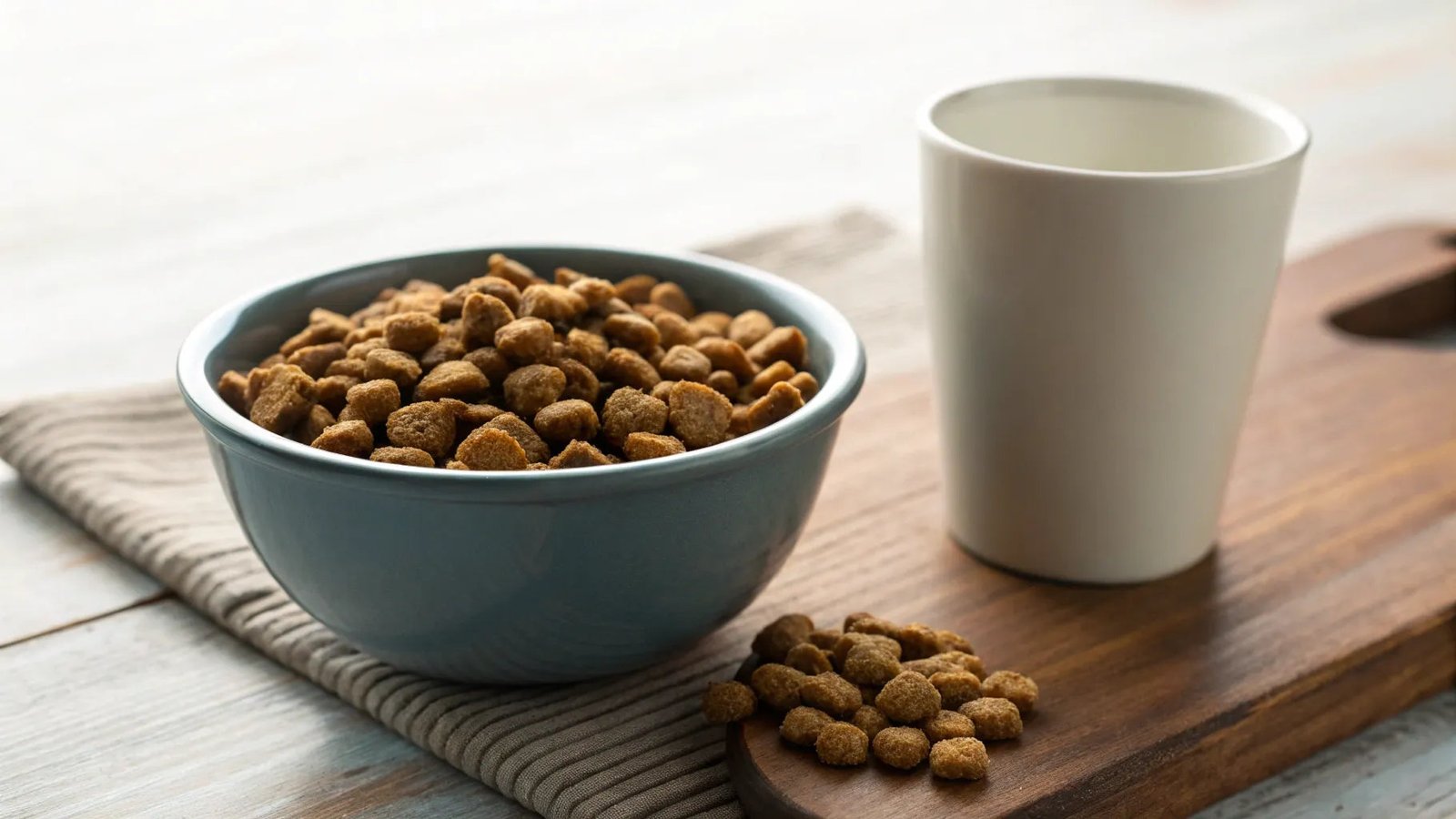
Dry kibble is one of the most common dog food types and usually packs more calories per cup than wet food. This is because kibble has less moisture, concentrating nutrients and calories in a smaller volume. On average, a cup of dry kibble contains between 300 to 450 calories, but this can vary depending on the brand and formula.
If your dog is active, a higher calorie kibble might be suitable. But for less active dogs, it’s important to choose lower calorie options to prevent weight gain. Check the packaging or ask your vet for guidance on the right calorie range for your dog’s specific needs.
Wet Food Calorie Differences
Wet dog food contains much more moisture, which means fewer calories per cup compared to dry kibble. Typically, a cup of wet food has around 150 to 250 calories. This lower calorie density can be helpful if you want to feed larger portions without overloading calories.
Keep in mind that wet food often comes in cans or pouches measured by weight rather than volume. So, measuring in cups might not always be exact. If you notice your dog gaining or losing weight unexpectedly, try weighing the food for more accuracy.
Raw And Homemade Diet Calories
Raw and homemade diets give you the most control over what your dog eats, but calorie counts can vary widely. Ingredients like meat, vegetables, and oils all have different calorie values, making it tricky to estimate calories per cup without careful calculation. A raw food cup might range from 200 to 400 caloriesdepending on the recipe.
Feeding homemade meals requires you to track calories closely to avoid overfeeding or underfeeding. If you prepare your dog’s meals, consider consulting a pet nutritionist to balance calories and nutrients properly. Have you ever tried making your dog’s food? It’s rewarding but demands attention to detail.
Measuring Calories In A Cup
Measuring calories in a cup of dog food is important for managing your pet’s diet. Calorie content varies by brand and type. Understanding how to measure accurately helps keep your dog healthy and fit.
Standard Cup Sizes
A standard cup size equals 8 fluid ounces in volume. Many dog food packages use this measurement for serving sizes. Some cups used at home may not match this exact size. Using a consistent cup ensures accurate calorie counting.
Dry dog food is usually measured by volume, not weight. This means the same cup can hold different amounts of calories depending on the food’s density. Always check the package for recommended serving sizes.
Weight Vs Volume In Measuring
Measuring by weight gives a more precise calorie count than volume. Different dog foods have different densities and sizes of kibble. One cup of light, fluffy food weighs less than one cup of dense food.
Food labels often list calories per gram or ounce. Using a kitchen scale can help measure exact portions. This method prevents overfeeding or underfeeding your dog.
Volume measurement is easier but less exact. Weight measurement requires tools but improves accuracy. Combining both methods works best for many pet owners.
Calorie Needs By Dog Size
Dogs need different calories based on their size. Smaller dogs burn fewer calories than bigger dogs. Understanding these needs helps in feeding the right amount. It keeps dogs healthy and active.
Small Breeds
Small dogs weigh under 20 pounds. They need about 200 to 400 calories daily. Their fast metabolism requires frequent feeding. One cup of dog food usually has 300 to 400 calories. Feeding too much can cause weight gain quickly.
Medium Breeds
Medium dogs weigh between 20 and 50 pounds. They need around 400 to 700 calories each day. Their calorie needs vary with activity levels. One cup of dog food often has 350 to 450 calories. Measuring food helps avoid overfeeding and keeps them fit.
Large Breeds
Large dogs weigh more than 50 pounds. They burn 700 to 1,200 calories daily. Large breeds need more food to maintain energy. One cup of dog food can range from 350 to 500 calories. Feeding proper portions supports their growth and health.
Adjusting Portions For Activity
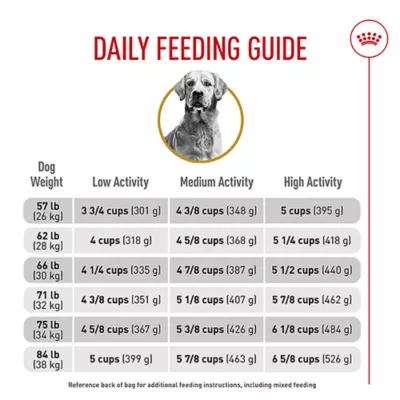
Adjusting your dog’s food portions based on their activity level is key to keeping them healthy. Dogs burn calories differently depending on how active they are. Feeding the right amount helps avoid weight gain or nutrient shortages.
Each dog has unique energy needs. Knowing your dog’s lifestyle helps you serve the right portion size. This keeps their weight steady and supports overall well-being.
Active Vs Sedentary Dogs
Active dogs need more calories to fuel their energy. They run, play, and exercise often. Their muscles use more energy, so they require larger food portions.
Sedentary dogs move less and burn fewer calories. They need smaller portions to prevent weight gain. Overfeeding can cause obesity and health problems.
- Active dogs might need 20-30% more calories than sedentary dogs.
- Adjust portions based on daily exercise and playtime.
- Watch your dog’s weight and energy levels to fine-tune feeding amounts.
Puppies And Senior Dogs
Puppies grow fast and need extra calories and nutrients. They require more frequent meals with bigger portions to support growth.
Senior dogs burn fewer calories as they age. Their metabolism slows, so they need smaller portions. Feeding less helps maintain a healthy weight.
- Puppies often need 3-4 meals per day with increased calories.
- Senior dogs may benefit from low-calorie, nutrient-rich food.
- Consult your vet for specific portion recommendations for these age groups.
Reading Dog Food Labels
Reading dog food labels can feel like decoding a secret message. But understanding these labels is key to knowing how many calories your dog is actually getting. It’s not just about the brand or flavor—calorie content varies widely, and the label holds the clues you need.
Finding Calorie Information
Look closely at the label for a section that lists "caloric content" or "calories per serving." This information is often given in kilocalories (kcal) per cup or per kilogram. If you don’t see it right away, check the brand’s website; many provide detailed nutritional info online.
Sometimes the label shows calories per weight rather than volume. This means you might need a kitchen scale to measure your dog’s food accurately. Have you ever guessed your dog’s portion size and wondered why they’re gaining or losing weight? Precise calorie counts can clear that confusion.
Understanding Guaranteed Analysis
Guaranteed Analysis lists the minimum percentages of protein and fat, and the maximum percentages of fiber and moisture in the food. While it doesn’t directly state calories, these numbers help you estimate the energy density of the food.
For example, higher fat content usually means more calories per cup. Protein also contributes calories but less than fat. Fiber and moisture don’t add calories but affect the food’s volume and how filling it is for your dog.
Knowing this can help you compare different dog foods beyond just the calorie label. Have you ever picked a bag just because it said "high protein" without thinking about the calories? This analysis helps balance nutrition with energy needs.
Common Mistakes In Feeding
Feeding a dog might seem simple, but common mistakes can lead to health problems. Many dog owners do not realize how much food is too much or overlook hidden calories. These errors affect your dog's weight and energy levels. Knowing what to avoid helps keep your dog healthy and happy.
Overfeeding Risks
Giving too much food causes weight gain in dogs. Extra calories turn into fat quickly. Overfeeding can lead to obesity, joint pain, and diabetes. Dogs may also feel sluggish and less active. Feeding the right amount helps maintain a healthy weight and good energy.
Ignoring Treat Calories
Treats add extra calories to your dog’s diet. Many owners forget to count these snacks. Treats can double the daily calorie intake without notice. Too many treats cause weight gain and poor nutrition. Balance treats with regular meals for better health.

Credit: zignature.com
Tools For Tracking Dog Calories
Tracking your dog's calorie intake helps keep them healthy and fit. Tools designed for this task make measuring calories simple and clear. These tools help pet owners avoid overfeeding or underfeeding their dogs. Using the right tools ensures your dog gets the right amount of energy daily.
Calorie Calculators
Calorie calculators estimate how many calories your dog needs each day. You enter details like weight, age, and activity level. The calculator then suggests the daily calorie amount. Some calculators even adjust for weight loss or gain goals. This tool is quick and easy to use at home.
Feeding Apps And Journals
Feeding apps track your dog’s meals and calorie intake over time. They often include barcode scanners for quick food logging. Apps can remind you when to feed and how much. Journals serve as a simple way to note daily food and treats. Both help monitor diet patterns and adjust feeding as needed.
Credit: www.petsmart.com
Frequently Asked Questions
How Many Calories Are In One Cup Of Dog Food?
One cup of dog food typically contains between 300 and 450 calories. The exact count depends on the brand and ingredients used. Always check the packaging for accurate nutritional information tailored to your dog's needs.
Does Dry Or Wet Dog Food Have More Calories Per Cup?
Dry dog food usually has more calories per cup than wet food. This is because dry food is denser and contains less moisture, making it more calorie-packed in the same volume.
How Do Dog Food Calories Affect My Pet’s Weight?
Calories directly impact your dog's weight management. Feeding too many calories can cause weight gain, while too few may lead to weight loss. Adjust portions based on your dog's activity level and health.
Can Calorie Needs Vary By Dog Breed And Size?
Yes, calorie needs vary significantly by breed and size. Larger and more active dogs require more calories, while smaller or less active dogs need fewer to maintain a healthy weight.
Conclusion
Understanding dog food calories helps keep your pet healthy. Choose food wisely. Check labels for calorie counts. Balance meals to fit your dog's needs. Consider age, size, and activity level. Consult your vet for tailored advice. Proper nutrition promotes a happy, active life.
A little effort goes a long way. Your furry friend deserves the best. Make informed decisions today. A healthy diet leads to a wagging tail. Keep your pet's bowl filled with love. Remember, every calorie counts. Enjoy your time with your loyal companion.
Happy feeding!