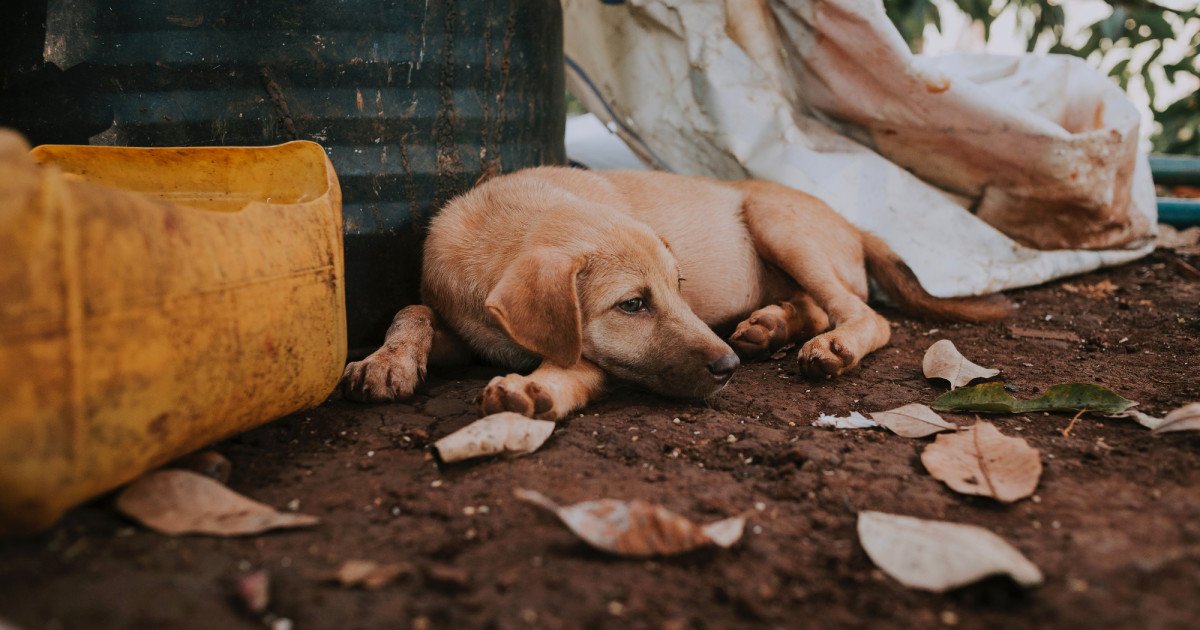
If your dog’s blood test shows elevated liver enzymes, you might feel worried and unsure about what to do next. You want to help your furry friend feel better, but understanding the cause and treatment can be confusing.
The good news is, there are clear steps you can take to support your dog’s liver health and improve their well-being. You’ll discover simple, effective ways to treat elevated liver enzymes in dogs, so you can take action with confidence and give your pet the care they deserve.
Keep reading to learn how to protect your dog’s liver and boost their health.
Causes Of Elevated Liver Enzymes
Elevated liver enzymes in dogs signal that something is affecting your pet’s liver health. These enzymes rise when liver cells are damaged or stressed. Understanding what causes this increase is essential for effective treatment and keeping your furry friend healthy.
Common Liver Conditions
Several liver diseases can cause elevated enzymes. Hepatitis, an inflammation of the liver, often leads to enzyme spikes. Liver infections or tumors also stress liver function and raise enzyme levels.
Have you noticed your dog showing signs like lethargy or loss of appetite? These can indicate liver trouble. Early diagnosis of conditions like cirrhosis or fatty liver disease can make a big difference.
Medications And Toxins
Some medicines can harm your dog’s liver if used improperly. Common drugs like certain antibiotics, steroids, and anti-seizure medications might elevate liver enzymes. Even over-the-counter supplements could have side effects on liver health.
Toxins in your home or environment also play a role. Household chemicals, certain plants, and human foods like chocolate or grapes can damage the liver. Have you checked if your dog has access to anything harmful recently?
Diet And Nutrition Factors
What your dog eats directly impacts liver function. A diet too high in fat or lacking essential nutrients can cause liver stress. Obesity in dogs often accompanies fatty liver disease, raising enzyme levels.
On the flip side, poor-quality food with toxins or additives may also damage the liver. You might want to review your dog’s diet and consider foods rich in antioxidants and easy-to-digest proteins. Could a change in diet improve your dog’s liver health?
Symptoms To Watch For
Recognizing the symptoms of elevated liver enzymes in dogs is key to early care. These symptoms often reveal underlying liver issues. Watch closely for changes in your dog’s behavior and body. Early detection helps in managing the condition effectively.
Behavioral Changes
Dogs with liver problems may act differently. They might seem tired or weak. A lack of interest in play is common. Some dogs become less social or hide more than usual. Notice any sudden mood shifts or confusion. These changes often signal that the liver is stressed.
Physical Signs
Physical symptoms also indicate liver enzyme issues. Watch for yellowing of the gums, eyes, or skin, called jaundice. Swollen belly or abdomen can occur. Loss of appetite and weight loss are frequent signs. Vomiting and diarrhea may happen. Keep an eye on your dog’s coat; it might become dull or dry.
When To See A Vet
Contact a vet if you spot these symptoms. Early veterinary care improves your dog's chances. Persistent vomiting, diarrhea, or jaundice require immediate attention. Sudden behavior changes or weakness also need a check-up. Your vet can run tests to find the cause and suggest treatment.
Diagnostic Procedures
Diagnosing elevated liver enzymes in dogs involves several key procedures that help pinpoint the cause and guide effective treatment. Each test offers unique insights into your pet’s liver health, so understanding these can help you feel more confident during veterinary visits. Let’s look closely at the tools veterinarians use to diagnose liver issues.
Blood Tests
Blood tests are often the first step in diagnosing liver problems. They measure the levels of liver enzymes like ALT and AST, which indicate liver cell damage when elevated.
Your vet may also check bilirubin, albumin, and clotting factors to assess overall liver function. These tests provide a snapshot of how well your dog’s liver is working and whether further investigation is needed.
Imaging Techniques
Imaging tools like ultrasound and X-rays give a visual look at your dog’s liver. Ultrasound is especially useful for spotting abnormalities such as tumors, cysts, or inflammation.
These images help your vet understand the size, shape, and texture of the liver. Sometimes, you might be surprised how much can be learned just by looking inside.
Biopsy And Other Tests
A liver biopsy involves taking a small tissue sample for detailed examination under a microscope. This test is often recommended if blood tests and imaging don’t provide clear answers.
Other tests might include bile acid tests or specialized enzyme assays. These can uncover specific liver diseases that require targeted treatment.
Have you noticed how thorough the diagnostic process is? It’s designed to give your dog the best chance at recovery by understanding the exact problem.

Credit: petwellbeing.co.uk
Dietary Adjustments
Adjusting your dog's diet plays a key role in managing elevated liver enzymes. The right foods help reduce liver stress and support healing. Choosing proper ingredients can improve your dog's overall health and energy.
Liver-friendly Foods
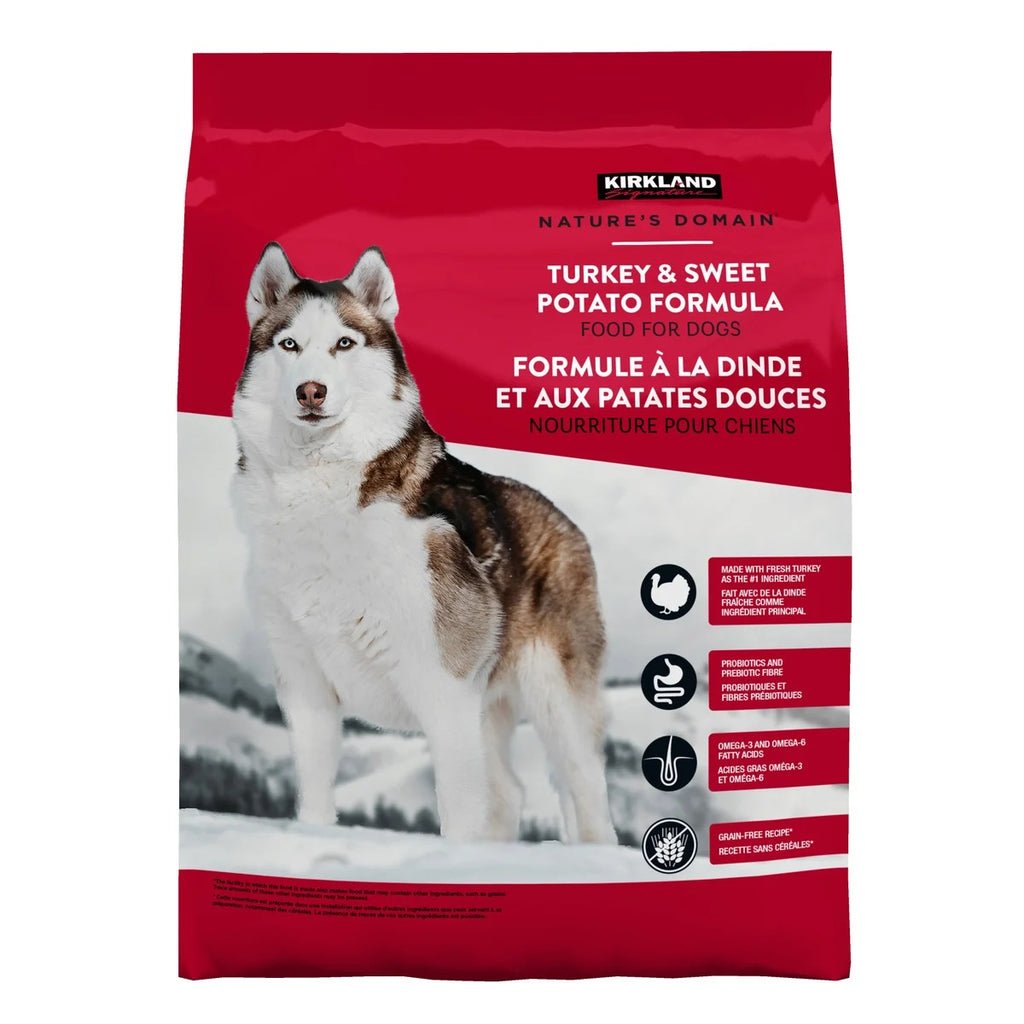
Focus on foods that are easy to digest and low in fat. Protein sources like boiled chicken or turkey are gentle on the liver. Rice and sweet potatoes provide good energy without overworking the liver. Vegetables such as carrots and green beans add fiber and nutrients. Always cook these foods well to aid digestion.
Supplements For Support
Certain supplements can help protect and repair the liver. Milk thistle is known for its antioxidant properties. Omega-3 fatty acids from fish oil reduce inflammation. Vitamin E supports cell health and immune function. Always check with your vet before starting any supplement to ensure safety.
Foods To Avoid
Some foods can worsen liver problems and should be avoided. Fatty meats and fried foods put extra strain on the liver. Avoid processed treats and foods with high salt or sugar. Onions, garlic, and chocolate are toxic to dogs and harm the liver. Stick to fresh, simple foods to keep your dog safe.
Medical Treatments
Medical treatments play a key role in managing elevated liver enzymes in dogs. These treatments help protect the liver and support its healing. Vets often prescribe specific medications and focus on treating any underlying issues. Regular check-ups are important to track your dog’s progress and adjust treatments as needed.
Medications Commonly Used
Several medications help reduce liver inflammation and support liver function. Common drugs include:
- Ursodeoxycholic acid – improves bile flow and protects liver cells
- S-adenosylmethionine (SAMe) – aids liver cell repair and acts as an antioxidant
- Vitamin E – supports liver health and reduces oxidative stress
- Antibiotics – used if infection causes liver enzyme elevation
These medications work best under veterinary guidance. Never give your dog medicine without consulting a vet.
Managing Underlying Conditions
Elevated liver enzymes often signal deeper health problems. Treating these conditions is vital for liver recovery. Common causes include:
- Infections such as bacterial or viral hepatitis
- Exposure to toxins or harmful substances
- Metabolic or hormonal disorders like hypothyroidism
Veterinarians tailor treatments to address these issues. This approach helps reduce liver stress and enzyme levels.
Monitoring Progress
Regular blood tests track liver enzyme levels and treatment effectiveness. Monitoring helps detect improvements or worsening conditions early. Vets may adjust medications based on test results. Keep detailed records of your dog’s health, behavior, and appetite changes. This information aids in making better treatment decisions.

Credit: www.amazon.ca
Home Care Tips
Taking care of a dog with elevated liver enzymes requires attention and patience at home. Simple daily habits can support liver health and improve your dog's well-being. These home care tips focus on hydration, stress, and exercise to help your dog stay comfortable and healthy.
Maintaining Hydration
Water helps flush toxins from the liver and supports overall health. Always provide fresh, clean water for your dog. Encourage drinking by placing water bowls in quiet, easy-to-reach spots. You can offer ice cubes or low-sodium broth to make drinking more appealing. Monitor your dog’s water intake daily to prevent dehydration.
Stress Reduction
Stress can worsen liver issues and slow recovery. Create a calm environment at home. Use a quiet room with soft bedding for rest. Avoid loud noises and sudden changes in routine. Gentle petting and talking softly can soothe your dog. Regular, calm interactions reduce anxiety and support healing.
Regular Exercise
Exercise helps maintain a healthy weight and supports liver function. Choose low-impact activities like short walks or gentle play. Avoid overexertion; watch for signs of fatigue or discomfort. Consistent, moderate exercise improves circulation and overall energy. Tailor activity levels to your dog’s health and energy.
Preventing Future Issues
Preventing future issues with elevated liver enzymes in dogs is just as important as managing the current condition. Taking proactive steps can help protect your dog’s liver health and avoid complications down the road. Let’s look at practical ways you can keep your furry friend’s liver strong and functioning well.
Routine Vet Checkups
Regular visits to the vet allow you to catch any liver problems early. Blood tests during checkups can reveal changes in liver enzymes before symptoms appear. You might think your dog looks fine, but subtle changes can go unnoticed until it's serious.
Ask your vet how often your dog should have liver function tests based on their age and health history. Keeping up with appointments gives you peace of mind and helps your dog stay healthy longer.
Safe Medication Use
Some medications can stress your dog’s liver, even common ones like pain relievers or antibiotics. Always follow your vet’s dosage instructions and never give your dog human medications without approval.
If your dog needs long-term medicine, ask about liver-friendly options or supplements to support liver function. Have you ever noticed your dog reacting badly after a new medication? That could be a sign to check liver health.
Balanced Nutrition Habits
Feeding your dog a balanced diet supports liver health and overall well-being. Foods rich in antioxidants, like blueberries and carrots, help protect liver cells from damage.
Avoid giving your dog fatty, processed, or toxic foods like chocolate and onions, which can worsen liver problems. You can also discuss with your vet about specialized liver-support diets designed to ease liver strain.

Credit: www.amazon.ca
Frequently Asked Questions
What Causes Elevated Liver Enzymes In Dogs?
Elevated liver enzymes in dogs often result from infections, toxins, medications, or liver diseases. Poor diet and obesity may also contribute. Early diagnosis helps prevent serious complications.
How Is Elevated Liver Enzymes Diagnosed In Dogs?
Veterinarians diagnose elevated liver enzymes through blood tests, physical exams, and sometimes ultrasound. These tests identify liver function and underlying causes for proper treatment.
What Treatments Reduce Elevated Liver Enzymes In Dogs?
Treatment includes medications, dietary changes, and removing toxins. Supportive care like hydration and supplements may aid liver healing. Follow your vet’s advice for best outcomes.
Can Diet Improve My Dog’s Liver Enzyme Levels?
Yes, a balanced diet low in fat and rich in antioxidants supports liver health. Special veterinary diets may be recommended to reduce liver stress and promote recovery.
Conclusion
Caring for a dog with elevated liver enzymes is crucial. Regular vet check-ups help monitor health. Diet plays a big role. Choose foods that support liver health. Supplements can offer additional benefits. Always consult your vet before introducing new treatments.
Exercise keeps your dog active and happy. Hydration is essential, so provide fresh water daily. Understand symptoms and act quickly if they worsen. Your attention and love make a difference. Prioritize your dog's well-being. With the right care, your furry friend can lead a healthy life.
Stay informed and proactive. Your dog trusts you.