
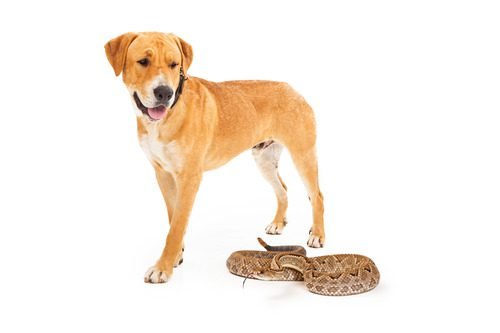
A snake bite on your dog can be a frightening experience. You want to act fast but may not know exactly what to do.
The right steps can make all the difference in saving your pet’s life and reducing pain. You’ll learn how to recognize a snake bite, what to do immediately, and how to get your dog the help it needs. Keep reading to be prepared and protect your furry friend when every second counts.
Credit: www.goodrx.com
Recognizing Snake Bite Symptoms
Recognizing the symptoms of a snake bite on your dog can be the difference between quick treatment and serious complications. Snake bites often happen fast and unexpectedly, so knowing what to look for helps you act immediately. Early detection allows you to get your dog to a vet before venom spreads.
Common Signs In Dogs
You might notice your dog suddenly limping or favoring one leg after a walk. Swelling and redness around the bite area are clear warning signs. Sometimes, the bite marks are hard to spot, but your dog may show unusual behavior like excessive drooling or weakness.
- Swelling, redness, or bruising near the bite
- Sudden limping or difficulty walking
- Excessive drooling or foaming at the mouth
- Rapid breathing or panting
- Vomiting or diarrhea
- Unusual lethargy or collapse
Have you ever noticed your dog acting strangely after a hike, but weren't sure why? These subtle signs can point to a hidden snake bite. Watch your dog's behavior closely—your instincts are a vital tool.
Types Of Snake Venom Effects
Snake venom affects dogs in different ways depending on the type of snake. Some venom attacks the nervous system, causing paralysis or difficulty breathing. Other venoms destroy tissue and blood cells, leading to swelling and internal bleeding.
| Venom Type | Effects on Dogs | Symptoms to Watch For |
|---|---|---|
| Neurotoxic | Attacks nervous system | Weakness, paralysis, trouble breathing |
| Hemotoxic | Damages blood and tissues | Swelling, bruising, bleeding, pain |
| Myotoxic | Destroys muscle tissue | Muscle pain, weakness, swelling |
Understanding these venom types helps you describe your dog’s symptoms clearly to the vet. This can speed up diagnosis and treatment. Can you spot which venom might be involved based on your dog’s symptoms?
Immediate Actions After The Bite
Snake bites on dogs require quick and careful action. The moments after a bite are critical. Acting swiftly can reduce the damage and improve your dog’s chances of recovery. Knowing what to do right away helps protect your pet from serious harm.
Keeping The Dog Calm
Stress and movement spread venom faster in the body. Keep your dog as still as possible. Speak softly and gently to soothe them. Use a leash or carry the dog if needed. Avoid running or letting the dog jump around. Rest slows venom circulation and lowers risk.
Avoiding Harmful First Aid Mistakes
Do not apply ice or cold packs to the bite. This can cause more tissue damage. Avoid cutting the wound or trying to suck out venom. These actions increase infection risk. Do not use tourniquets or tight bands. They block blood flow and harm tissue. Instead, keep the bite area lower than the heart.
Transporting Your Dog To The Vet
Transporting your dog to the vet after a snake bite is a critical moment. How you handle your dog can affect their comfort and safety during this stressful time. Staying calm and prepared will help both you and your pet get through the journey smoothly.
Safe Handling Techniques
Keep your dog as calm and still as possible to slow the spread of venom. Use a sturdy blanket or a board to gently lift them if they can’t walk. Avoid unnecessary movement that might increase heart rate and venom circulation.
Support your dog’s body fully, especially if the bite is on a limb. If you must carry your dog, hold them securely but don’t squeeze or apply pressure near the bite area. If your dog is large, ask someone for help to prevent accidents.
Have a leash or harness ready to avoid sudden movements. Placing a muzzle can prevent bites if your dog is anxious or in pain, but only use one if your dog can breathe easily. Remember, your calm approach will help your dog stay calm too.
Informing The Veterinary Team
Call the vet clinic immediately and give clear details about your dog’s condition. Mention the time of the bite, symptoms observed, and the type of snake if known. This information helps the team prepare the right treatment and antivenom.
Ask what you should bring along, such as the snake’s photo or the container where the snake was seen. Share your dog's medical history, including any medications or allergies. Your quick and accurate communication can save precious minutes.
Once at the vet, stay close and keep your dog calm. Your presence can reduce their anxiety and help the vet work more effectively. Have you ever noticed how your calm energy can influence your pet’s stress levels?
Veterinary Treatments And Antivenom
After a snake bite, timely veterinary care is crucial to save your dog’s life. The treatments focus on managing symptoms and neutralizing venom effects. Understanding what happens at the clinic can help you stay calm and act quickly if your dog is ever bitten.
Typical Medical Procedures
When you arrive at the vet, expect a thorough examination to assess the bite’s impact. Vets often start by stabilizing your dog’s breathing and heart rate. They may provide oxygen if your dog shows signs of distress.
Fluids are usually given intravenously to prevent dehydration and support blood pressure. Pain relief and anti-inflammatory medications help reduce swelling and discomfort. The vet will monitor your dog closely for any changes in condition.
Blood tests are common to check for clotting problems or organ damage. Sometimes, wound cleaning and antibiotics are needed to prevent infection. You might be surprised how quickly the vet acts to control complications.
Role Of Antivenom
Antivenom is the most effective treatment to counteract snake venom. It works by binding to venom toxins, neutralizing their harmful effects. The sooner it’s administered, the better your dog’s chances of recovery.
Not all snake bites require antivenom; vets decide based on symptoms and the type of snake suspected. Antivenom can cause allergic reactions, so vets carefully weigh risks and benefits. Still, delaying antivenom can lead to more severe damage.
Have you ever wondered why time is so critical with snake bites? Venom spreads fast, attacking tissues and organs. Antivenom interrupts this process and can turn a potentially fatal bite into a treatable emergency.
Home Care And Recovery Tips
Home care plays a key role in your dog’s recovery from a snake bite. Careful attention helps reduce complications and speeds healing. Watching your dog closely is vital during this time. Safe practices help avoid future bites and keep your dog protected.
Monitoring Your Dog’s Condition
Check your dog’s bite site daily. Look for swelling, redness, or unusual discharge. Note any changes in behavior, like lethargy or loss of appetite. Monitor breathing for any signs of distress. Keep a log of symptoms to share with your vet. Provide plenty of fresh water to support recovery. Avoid strenuous activity until your dog fully heals.
Preventing Future Snake Bites
Keep your yard clean and free of tall grass or debris. Use fencing or barriers to block snake entry points. Walk your dog on clear paths and avoid thick brush. Train your dog to avoid snakes using positive reinforcement. Consider snake repellents safe for pets in your area. Store pet food indoors to avoid attracting rodents and snakes. Regular vet check-ups help maintain overall health and readiness.

Credit: www.goodrx.com

Credit: www.whole-dog-journal.com
Frequently Asked Questions
What Are The First Steps To Treat A Dog Snake Bite?
Immediately keep your dog calm and still to slow venom spread. Contact your vet or emergency animal hospital right away for professional care.
How Can I Identify A Snake Bite On My Dog?
Look for puncture wounds, swelling, redness, or bruising. Your dog may also show weakness, drooling, or difficulty breathing.
Should I Use A Tourniquet On A Dog Snake Bite?
No, avoid tourniquets as they can worsen tissue damage. Instead, keep the bitten area lower than the heart and seek vet help immediately.
Can I Give My Dog Home Remedies After A Snake Bite?
Do not give any medications or home treatments without vet advice. Some remedies may harm your dog or interfere with professional treatment.
Conclusion
Treating a snake bite on a dog requires quick action. Stay calm. First, get your dog away from the snake. Keep the dog still to slow venom spread. Call your vet immediately. Describe the snake if possible. Avoid cutting the wound or sucking out venom.
These can harm your dog. Keep your dog comfortable and hydrated. Prevention is better. Keep your yard snake-free. Walk your dog on a leash. Know local snake types. Understanding snake bite first aid can save your dog's life. Stay prepared and informed for your pet's safety.