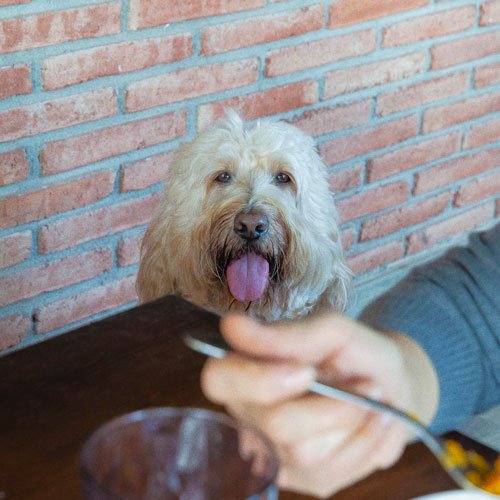
Do you find yourself constantly battling your dog’s begging at the dinner table? It’s frustrating when your furry friend won’t stop staring, whining, or pawing for a bite every time you eat.
But what if you could enjoy your meals in peace without feeling guilty or stressed? You’re not alone, and the good news is—there are simple, effective ways to teach your dog to stop begging for food. Keep reading to discover easy steps you can start using today to change this behavior for good.
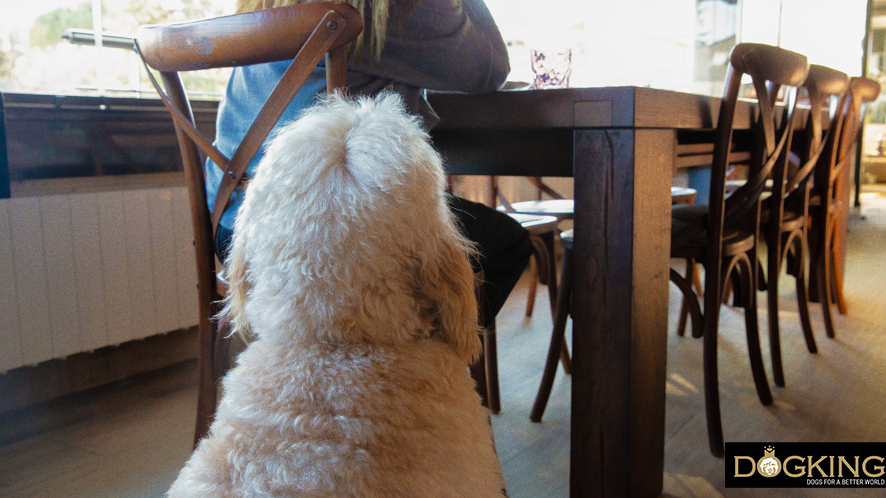
Credit: www.cobberdogking.com
Why Dogs Beg For Food
Understanding why your dog begs for food is the first step toward changing this behavior. Dogs don’t just beg because they’re hungry; often, there are deeper reasons behind those hopeful eyes. Knowing these causes helps you address the root of the problem instead of just the symptoms.
Behavioral Causes
Begging can be a way your dog communicates with you. Dogs quickly learn that staring at you or sitting by your feet during mealtime often leads to treats or scraps. This behavior is reinforced every time you give in, creating a cycle that's hard to break.
Have you noticed how your dog’s begging intensifies when you’re eating something tasty? This is because begging taps into their natural desire to share your food, which they see as a social bond. Recognizing this can help you set clear boundaries without hurting your dog's feelings.
Learned Habits
Many dogs beg simply because they’ve been allowed to in the past. If you’ve ever slipped a bite under the table, your dog has learned that begging works. Even if you stop now, your dog may continue out of habit.
Changing this habit requires consistent rules from everyone in the household. If one person gives in, the habit will persist. Think about your own routines—how often do you reinforce your dog’s begging without realizing it?
Health Factors
Sometimes, begging can signal that your dog isn’t getting enough nutrition or has a health issue. Conditions like diabetes, parasites, or even dental pain can increase hunger or discomfort, making your dog more persistent.
Pay attention to sudden changes in begging behavior or if your dog seems unusually hungry all the time. It’s always a good idea to check with your vet to rule out any underlying health problems before focusing solely on behavior correction.

Credit: ckcusa.com
Setting Clear Boundaries
Setting clear boundaries is essential to stop your dog from begging for food. Dogs thrive on routine and structure, so if you don’t set firm limits, they will keep testing what they can get away with. Clear boundaries help your dog understand what behavior is expected around mealtime.
Consistent Rules
Your dog needs to hear the same message every time they beg. If you sometimes give in and other times don’t, your dog gets confused and will keep begging just in case it works. Decide on rules about begging and stick to them no matter who is feeding your dog or what situation you’re in.
For example, if you decide no begging at the table, everyone in your home must follow that rule. Consistency builds trust and helps your dog learn faster. Have you noticed how your dog reacts when one family member breaks the rules? This inconsistency only encourages begging.
Designated Eating Areas
Creating a specific spot for your dog’s meals can reduce begging behavior. When your dog knows where and when they eat, they are less likely to hang around your dining area hoping for scraps. This clear separation between human and dog eating spaces sets a natural boundary.
Try feeding your dog in a quiet corner or a separate room. You can even train them to wait patiently in their spot during family meals. Does your dog try to sneak into your dining space? Moving their feeding area might help curb that habit.
Training Techniques To Discourage Begging
Training your dog to stop begging requires patience and clear communication. Dogs beg because they want attention or food. Using the right training techniques can help your dog understand that begging is not allowed. Consistent practice makes these methods effective and lasting.
Ignoring Begging Behavior
Ignoring your dog when it begs is powerful. Avoid eye contact, talking, or giving food. Any attention can encourage begging. Make sure everyone in the family follows this rule. Over time, your dog will learn begging does not work.
Using Commands
Teach your dog simple commands to control begging. Use words like “sit,” “stay,” or “go to your spot.” Practice these commands during meal times. Reward your dog for obeying commands instead of begging. Clear commands help your dog know what you expect.
Positive Reinforcement
Reward good behavior with treats or praise. Give treats only when your dog waits quietly. Use a calm voice to say “good dog.” This encourages your dog to repeat good behavior. Positive reinforcement builds a strong bond and helps training succeed.

Credit: click2heel.com
Providing Alternatives
Providing alternatives is a powerful way to redirect your dog's attention away from begging. Instead of focusing on the food you’re eating, your dog can find satisfaction in other activities and routines. These alternatives help reduce their desire to beg and make mealtime less stressful for both of you.
Engaging Toys
Toys that challenge your dog mentally and physically can keep them busy during your mealtime. Puzzle feeders, for example, require your dog to work for treats, which keeps them entertained and distracted. Chew toys can also satisfy their natural urge to gnaw and provide comfort.
Try rotating different toys to keep your dog’s interest high. If your dog is used to begging for attention, a new toy can offer a fresh distraction. Have you noticed how your dog reacts when given a toy during dinner? This small change can make a big difference.
Regular Feeding Schedule
Setting a consistent feeding routine can help your dog know exactly when to expect their meals. This predictability reduces anxiety and the impulse to beg at unexpected times. Feeding your dog at the same times each day creates a sense of security and trust.
Stick to portion sizes recommended by your vet to avoid overfeeding. If your dog feels satisfied at mealtime, they are less likely to beg later. Have you tried adjusting your dog’s feeding times to see if it changes their begging habits?
Managing Mealtime Environment
Managing your dog's mealtime environment plays a big role in stopping begging. Dogs often beg because food is easily seen or smelled. Changing the surroundings helps your dog focus on their own meal and not yours.
Small changes in where and how you eat can reduce your dog's temptation. Setting clear boundaries during mealtime creates good habits. Your dog learns when it is time to eat and when it is not.
Avoiding Food Temptations
Keep your food out of your dog's reach during meals. Avoid sharing food at the table or in front of your dog. Do not leave snacks or crumbs where your dog can smell or see them.
- Eat in a separate room or at a high counter.
- Clear the table quickly after eating.
- Store leftovers in sealed containers.
- Use a food cover to block the smell.
These steps help reduce your dog's desire to beg. Less temptation means fewer chances to practice begging behavior.
Family Cooperation
Everyone in the family must follow the same rules. Mixed signals confuse your dog and encourage begging. Ask all family members and guests not to feed the dog during meals.
- Explain why begging is harmful.
- Set clear mealtime rules for the dog.
- Use a consistent command like “no begging.”
- Reward the dog for staying calm and quiet.
Consistent action from all household members speeds up training success. Your dog learns that begging never earns food rewards.
When To Seek Professional Help
Knowing when to seek professional help is key to managing your dog's begging behavior effectively. Sometimes, despite your best efforts, the issue might stem from deeper behavioral or health problems. Recognizing these signs early can save you time and help your dog lead a happier, healthier life.
Behavioral Experts
If your dog's begging persists despite consistent training, a behavioral expert could offer valuable insights. These professionals understand dog psychology and can identify triggers you might miss.
They can create a customized plan to change your dog's habits. For example, if your dog begs due to anxiety or attention-seeking, a behaviorist will teach you techniques to redirect that energy.
Think about how often your dog begs and the situations around it. Is it worse when guests arrive or during mealtime? Sharing these details with a specialist can make a big difference.
Veterinary Advice
Sometimes begging signals a health issue rather than just poor behavior. Your dog might feel hungry because of a medical condition affecting appetite or digestion.
Consult your vet if begging is sudden or accompanied by weight loss, vomiting, or changes in bathroom habits. These symptoms deserve professional attention.
Vets can rule out illnesses and advise on diet adjustments that might reduce begging. Have you noticed if your dog’s begging worsens after a recent change in food or routine? Mentioning this to your vet provides useful clues.
Frequently Asked Questions
How Can I Train My Dog To Stop Begging?
Consistently ignore begging behavior and avoid feeding from the table. Reward your dog with treats during mealtime only when they stay calm and quiet. Positive reinforcement helps teach them that begging is ineffective.
Why Does My Dog Beg For Food Constantly?
Dogs beg because they associate your meals with treats. Begging is often reinforced by occasional feeding from the table. Understanding this helps you avoid rewarding the behavior and encourages better habits.
What Are Effective Distractions To Stop Begging?
Provide your dog with toys or a chew bone during your mealtime. Exercise before eating can reduce their energy to beg. Keeping them occupied redirects their focus away from your food.
Can Feeding My Dog Before Meals Reduce Begging?
Yes, feeding your dog a small meal before you eat can reduce begging. A full or satisfied dog is less likely to seek your food during mealtime. This simple step helps manage their hunger cues.
Conclusion
Stopping your dog from begging for food takes patience. Consistency is key. Use firm commands and ignore begging behavior. Reward your dog when it stays calm during meals. Create a feeding schedule to avoid confusion. Ensure everyone in the house follows the same rules.
This helps your dog learn faster. Keep treats for training sessions only. A well-fed dog is a happy dog. Remember to stay patient and positive. Over time, your dog will understand. No more begging means peaceful mealtimes for everyone. Your efforts will pay off.
Enjoy the company of your well-behaved pet.