
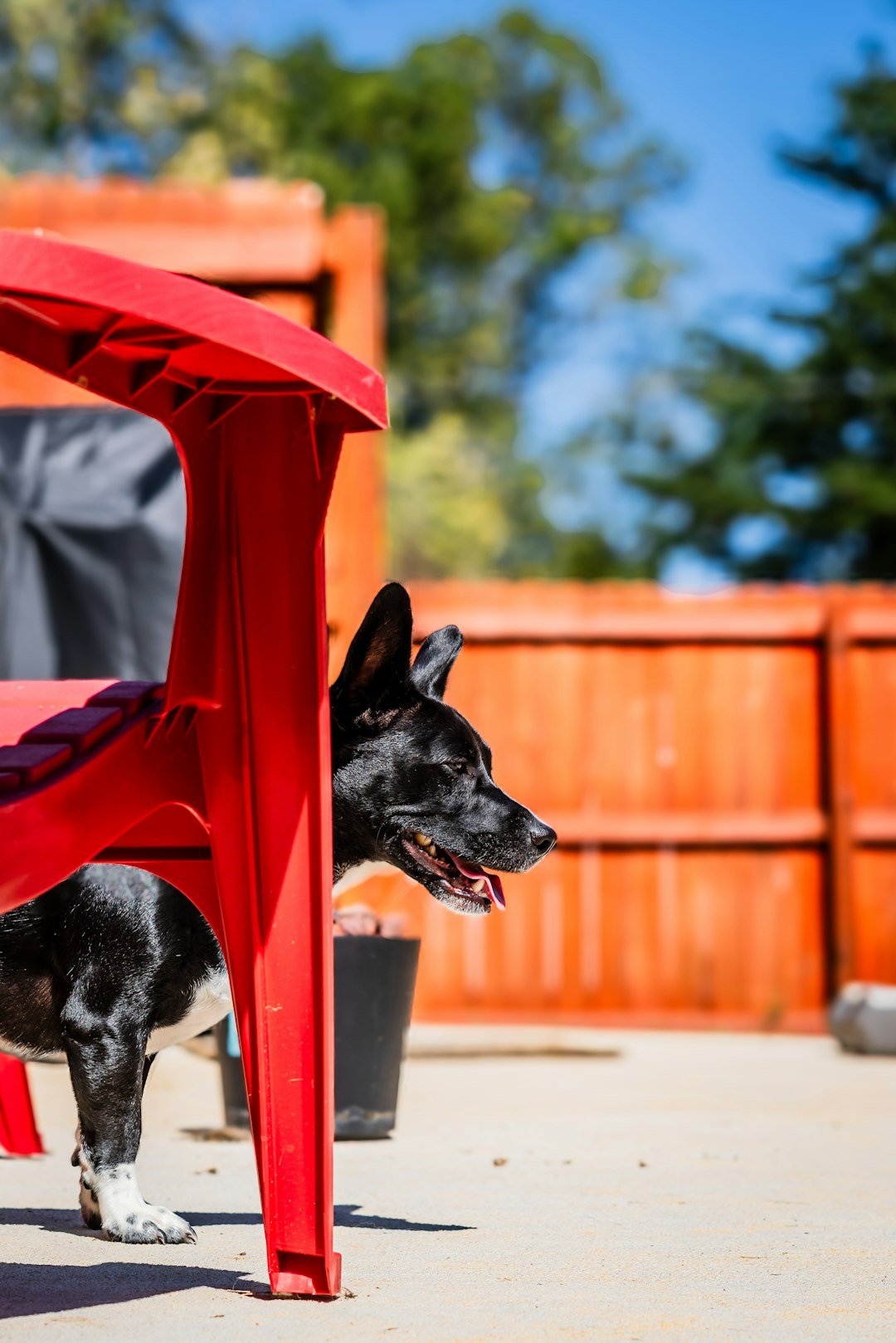
Are you tired of coming outside to find your beautiful outdoor furniture chewed up and ruined? It’s frustrating when your dog’s playful chewing turns your relaxing space into a mess.
But don’t worry—you can stop this behavior and protect your furniture without hurting your furry friend. You’ll discover simple, effective ways to keep your dog from chewing on your outdoor furniture so you can enjoy your yard without stress. Keep reading to find the easy solutions that work!

Credit: www.amazon.ca
Reasons Dogs Chew Outdoor Furniture
Understanding why your dog chews on outdoor furniture is the first step to stopping this unwanted behavior. Dogs don’t just chew randomly; there are specific reasons driving their actions. Identifying these reasons helps you address the root cause rather than just treating the symptoms.
Boredom And Anxiety
Dogs often chew when they feel bored or anxious. If your dog spends long hours alone outside without enough stimulation, chewing becomes a way to pass time. Anxiety can also trigger chewing as a coping mechanism, especially during loud noises like thunderstorms or fireworks.
Ask yourself: Does your dog have enough toys or activities to keep busy? Adding interactive toys or regular play sessions can reduce this urge significantly.
Teething And Oral Discomfort
Puppies chew to relieve the pain of teething, much like babies do. Even adult dogs might chew when they experience oral discomfort or dental issues. Chewing helps soothe sore gums and keeps their teeth clean.
Keep an eye on your dog’s mouth health. If your dog is constantly chewing, it might be time for a vet visit to rule out dental problems.
Attraction To Furniture Materials
Some outdoor furniture materials, like wood or wicker, have textures or smells that attract dogs. The taste of certain finishes or stains can also be tempting for them. Dogs might explore their environment with their mouths, leading to chewing on these materials.
Consider what your furniture is made of and whether it’s appealing to your dog’s senses. Could switching to metal or plastic furniture reduce the temptation?
Choosing Durable Outdoor Furniture
Choosing durable outdoor furniture is key to protecting your investment and keeping your dog from turning your patio into a chew playground. The right materials and design can make a big difference in how well your furniture stands up to your dog's curiosity and energy. Let’s look at what makes some furniture tougher and smarter choices for pet owners like you.
Materials Resistant To Chewing
Not all outdoor furniture materials are created equal when it comes to resisting dog chewing. Hard plastics, metal, and dense hardwoods like teak and eucalyptus usually hold up better than softer woods or wicker. These materials don’t offer the satisfying texture that dogs often seek, which helps reduce chewing behavior.
Consider aluminum or stainless steel frames—they’re sturdy and don’t splinter, making them less tempting. Synthetic resin wicker is another good option; it looks like natural wicker but won’t break down easily. If you want cushions, choose fabrics labeled as chew-resistant or made with tough fibers like solution-dyed acrylic.
Furniture Design Considerations
Design plays a big role in how much your dog interacts with outdoor furniture. Pieces with smooth surfaces and fewer nooks or crevices limit places for dogs to grab or hide their teeth. Avoid furniture with loose parts or embellishments that can be pulled off and chewed.
Think about the height and shape too. Raised furniture can keep your dog’s mouth away from certain components. Rounded edges are safer and less inviting to nibble on than sharp corners. Do you notice your dog targets specific furniture parts? Adjusting design choices can directly reduce their interest.
Training Techniques To Prevent Chewing
Training dogs to stop chewing outdoor furniture requires patience and consistency. Teaching them the right habits early helps protect your belongings. Using clear techniques can guide your dog toward better behavior. Training builds trust and understanding between you and your pet.
Positive Reinforcement
Reward your dog when they avoid chewing furniture. Use treats, praise, or playtime as incentives. Positive reinforcement encourages good behavior. It makes your dog want to repeat the action. Ignore bad chewing to avoid giving it attention.
Redirecting Chewing Behavior
Give your dog suitable chew toys to replace furniture. When they start chewing outside items, gently redirect them. Offer a toy and praise when they chew it. Redirection helps dogs learn what is acceptable to chew. Keep toys interesting by rotating them regularly.
Using Commands And Boundaries
Teach clear commands like "leave it" or "no" for chewing. Use firm but calm tones to communicate. Set physical boundaries to block access to furniture. Consistent rules help dogs understand limits. Practice commands daily to reinforce control and respect.
Using Deterrents And Repellents
Using deterrents and repellents helps protect outdoor furniture from dog chewing. These tools teach dogs to avoid certain areas or items without causing harm. They work by creating unpleasant tastes, smells, or sensations that discourage chewing habits.
Choose deterrents that suit your dog's behavior and sensitivity. Consistent use improves effectiveness. Combine different types for better results and keep your furniture safe.
Safe Taste Deterrents
Safe taste deterrents make furniture taste bad to dogs. These sprays often contain bitter flavors like apple cider vinegar or bitter orange. Dogs dislike the taste and stop chewing the treated area.
- Apply sprays on furniture edges and legs.
- Reapply after rain or cleaning.
- Check ingredients for pet safety.
Scent-based Repellents
Scent-based repellents use smells dogs avoid to protect furniture. Common scents include citronella, eucalyptus, and garlic. These odors irritate dogs’ noses, making them stay away.
- Spray or place sachets near furniture.
- Use natural essential oils diluted properly.
- Replace scents regularly to keep them strong.
Electronic Devices
Electronic devices emit sounds or vibrations dogs dislike. Ultrasonic repellents send high-pitched tones only dogs hear. Motion-activated devices trigger sounds or gentle sprays when dogs approach.
- Position devices near furniture.
- Test devices for your dog’s comfort.
- Use devices with safe, pet-friendly settings.
Providing Suitable Alternatives
Providing suitable alternatives helps redirect a dog's natural chewing urge. Dogs chew to relieve boredom, stress, or teething pain. Giving them proper items to chew protects outdoor furniture and keeps dogs happy.
Choose alternatives that are safe, durable, and enjoyable. Offer a variety to maintain interest and meet different chewing needs. This approach reduces damage and promotes healthy habits.
Chew Toys And Bones
Chew toys and bones satisfy the need to gnaw. Look for toys made of tough rubber or nylon. These last longer and resist heavy chewing.
- Natural bones can clean teeth and freshen breath.
- Safe chew toys prevent choking hazards.
- Rotate toys often to keep your dog curious.
Make sure to pick sizes that fit your dog's breed and age. Monitor chewing to avoid swallowing large pieces.
Interactive Outdoor Toys
Interactive outdoor toys engage your dog’s mind and body. They help reduce boredom and curb destructive chewing.
- Fetch toys encourage running and chasing.
- Puzzle toys challenge the dog's problem-solving skills.
- Tug ropes provide fun and exercise.
Play with your dog using these toys to strengthen your bond. Encourage positive play and reward good behavior. This keeps dogs busy and furniture safe.

Credit: www.amazon.com
Environmental And Routine Adjustments
Adjusting your dog’s environment and daily routine can make a big difference in stopping them from chewing on outdoor furniture. Dogs often chew out of boredom, anxiety, or lack of stimulation. By changing what they experience outside and how they spend their time, you can redirect their energy to better behaviors.
Increasing Exercise And Playtime
Dogs with plenty of exercise are less likely to destroy your outdoor furniture. Try adding more walks, play sessions, or even agility training to your dog’s day. A tired dog has less energy to chew on things they shouldn’t.
Think about your dog’s breed and age to tailor the right amount of physical activity. If you notice your dog still chewing after a long walk, add some fetch or tug-of-war to engage their mind as well as their body.
Creating A Comfortable Outdoor Space
Make your backyard or patio a welcoming place for your dog to relax. Add cozy bedding, shaded spots, and toys designed for outdoor use. Dogs are less likely to chew furniture if they have their own space that feels safe and fun.
Consider using durable, dog-safe furniture or covers that withstand chewing. Adding a water station and some treats can also encourage your dog to stay in their area rather than exploring your outdoor setup with their teeth.
Supervision And Time Management
Watch your dog closely when they are outside, especially during the times they are most likely to chew. Early supervision helps you catch unwanted behavior before it becomes a habit. You can gently correct your dog or redirect them to a chew toy.
Set specific outdoor times and stick to them. Dogs thrive on routine, and knowing when they get attention or playtime reduces anxiety and destructive chewing. Have you tried timing your dog’s outdoor breaks around their energy peaks?

Credit: blog.kbpatiofurniture.com
Frequently Asked Questions
How Can I Stop My Dog From Chewing Outdoor Furniture?
Provide chew toys to redirect chewing. Use deterrent sprays on furniture. Supervise your dog outdoors to prevent damage. Regular exercise reduces boredom and chewing urges.
What Natural Repellents Keep Dogs Off Outdoor Furniture?
Citrus peels, vinegar, and bitter apple sprays deter dogs. These natural repellents taste unpleasant and discourage chewing. Apply regularly for best results. Always test on furniture to avoid damage.
Are Training Techniques Effective Against Furniture Chewing?
Yes, positive reinforcement teaches dogs to avoid furniture. Use commands like “leave it” and reward good behavior. Consistency and patience are key for lasting results. Avoid punishment to prevent anxiety and aggression.
Which Materials Resist Dog Chewing Best For Outdoor Furniture?
Metal, plastic, and treated hardwood resist chewing. Avoid soft woods or wicker, which dogs easily damage. Durable materials increase furniture lifespan and reduce repairs. Choose pet-friendly designs for outdoor spaces.
Conclusion
Protecting your outdoor furniture from dog chewing is achievable. Consistency is key. Use chew toys to redirect their attention. Train your dog with patience and understanding. Reward good behavior with treats or affection. Secure valuable items out of reach. Monitor your dog's activities when outside.
Consider using furniture covers or deterrents. Keep your dog entertained with regular playtime. A tired dog chews less. Remember, a happy dog makes for happy outdoor spaces. With these tips, your furniture stays safe, and your dog remains content. Enjoy your time outside, worry-free.