

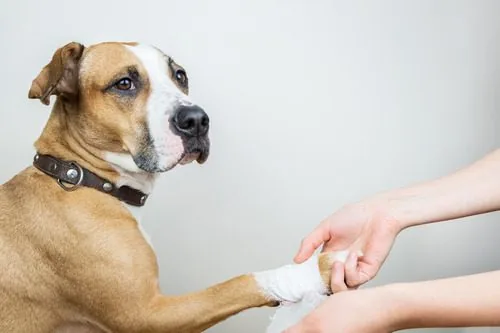
A puncture wound on your beloved dog can be a scary and stressful situation. You want to help, but you're not sure where to start.
Imagine the peace of mind you'll feel once you know exactly what to do. Your dog depends on you for care, and understanding how to handle such wounds can make all the difference. In this guide, we'll walk you through each step of treating a puncture wound on your dog, ensuring you're prepared and confident.
Your furry friend's health is worth every bit of your attention. Let's dive into the essentials so you can provide the best care possible.

Credit: urgentvet.com
Signs Of A Puncture Wound
Recognizing the signs of a puncture wound on your dog is crucial for quick care. These wounds often look small but can be deep and serious. Dogs may hide their pain, so careful observation is key.
Common Symptoms
- Small, deep hole in the skin
- Swelling around the wound
- Redness or bruising near the injury
- Bleeding or clear discharge
- Warmth around the affected area
- Visible pain when touched
- Limping or favoring a leg
- Excessive licking or biting of the wound
- Unusual behavior like hiding or restlessness
When To Seek Help
Seek veterinary care if the wound is deep or bleeding heavily. If your dog shows signs of infection such as pus, bad smell, or fever, contact a vet immediately.
Also, get help if your dog is limping, shows signs of pain, or the wound does not heal within a day or two. Prompt treatment can prevent serious problems.

Credit: bullystickscentral.com
Immediate Care Steps
Immediate care is vital for treating a puncture wound on your dog. Acting fast helps reduce pain and avoid complications. Calm your dog and prepare necessary supplies before starting treatment.
Stopping The Bleeding
Apply gentle pressure to the wound using a clean cloth or gauze. Keep pressure steady for several minutes. Avoid removing the cloth to check too soon. If bleeding continues, try wrapping the area with a bandage. Elevate the injured part if possible. Seek veterinary help if bleeding is heavy or does not stop.
Cleaning The Wound
Rinse the wound gently with lukewarm water to remove dirt and debris. Use a mild antiseptic solution safe for dogs. Avoid using hydrogen peroxide or alcohol as they can damage tissue. Pat the area dry with a clean cloth. Keep your dog calm and still during cleaning to prevent further injury.
Preventing Infection
Apply a thin layer of antibiotic ointment recommended for pets. Cover the wound with a sterile, breathable bandage. Change the bandage daily or whenever it becomes wet or dirty. Watch for signs of infection like redness, swelling, or discharge. Contact your veterinarian if infection symptoms appear or worsen.
Home Treatment Tips
When your dog suffers a puncture wound, providing proper care at home can make a big difference in their recovery. You want to clean the wound correctly, protect it from dirt, and keep an eye on any changes. These steps help prevent infection and promote faster healing.
Using Antiseptics Safely
Not all antiseptics are safe for dogs. Avoid using harsh chemicals like hydrogen peroxide or alcohol directly on the wound, as they can damage tissue and slow healing.
Instead, use a diluted iodine solution or a pet-safe antiseptic recommended by your vet. Gently clean the wound with a soft cloth or cotton ball soaked in the antiseptic to remove dirt and bacteria.
Remember, too much cleaning can irritate the wound. Clean it once or twice a day unless your vet advises otherwise.
Bandaging Techniques
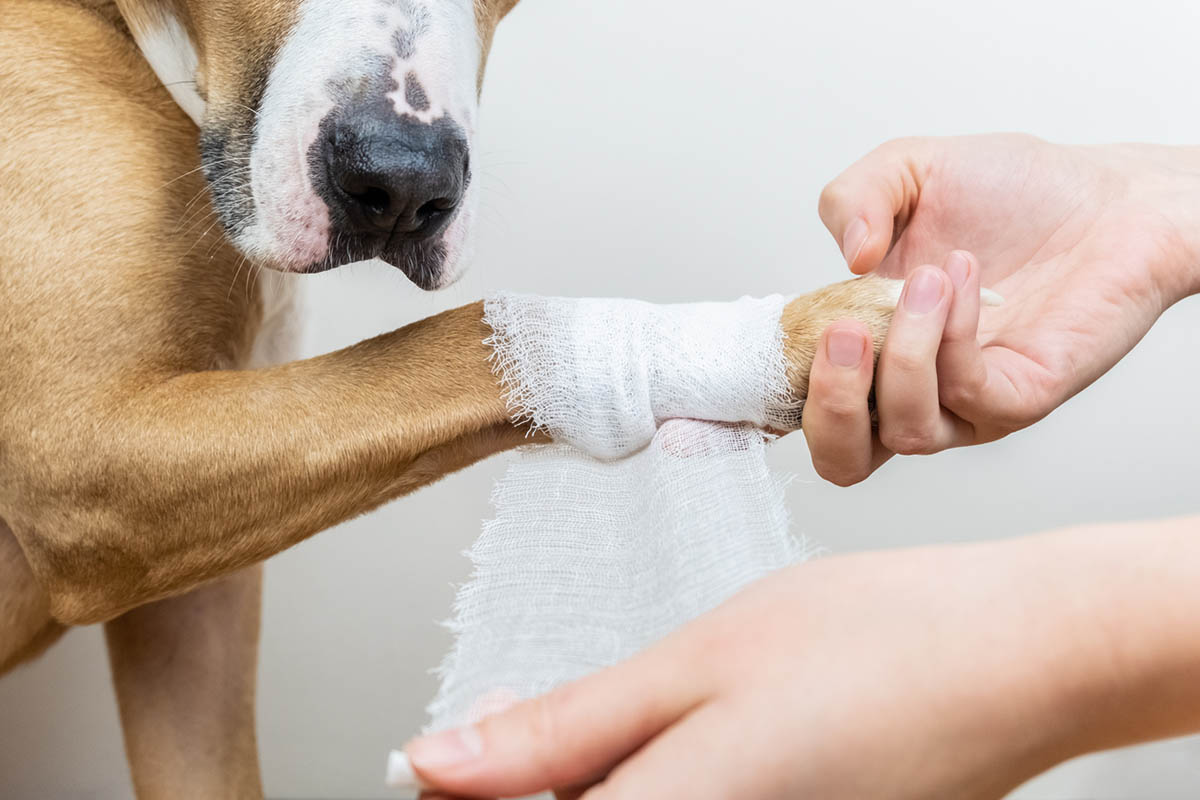
Proper bandaging keeps the wound clean and prevents your dog from licking or scratching it. Start by placing a sterile gauze pad over the puncture site.
Wrap the area with a soft, breathable bandage, ensuring it is snug but not too tight to cut off circulation. You can secure it with medical tape, but avoid sticky tape directly on fur.
Change the bandage daily or whenever it becomes wet or dirty. This helps avoid infections and keeps the wound dry.
Monitoring For Complications
Watch your dog closely for signs of infection or worsening conditions. Redness, swelling, pus, or a foul smell are clear indicators to seek veterinary care immediately.
If your dog shows signs of pain, lethargy, or loss of appetite, don’t wait to contact your vet. Sometimes, puncture wounds can cause deeper infections that need professional treatment.
How often do you check your dog’s wound during the day? Frequent checks help catch problems early and keep your dog comfortable.
When To Visit The Vet
Knowing when to take your dog to the vet after a puncture wound can make all the difference in their recovery. Some injuries may look minor but can hide serious complications like infections or internal damage. Understanding the warning signs and treatment options will help you act quickly and confidently.
Signs Of Serious Injury
Watch for symptoms that suggest the wound is more than just a surface cut. If your dog shows any of the following, don’t wait to get professional help:
- Heavy bleedingthat doesn’t stop within a few minutes
- Swellingor redness spreading rapidly around the wound
- Visible foreign objectsstuck deep in the skin
- Limping or difficulty movingthe affected leg or area
- Signs of painlike whining, growling, or avoiding touch
- Dischargethat looks green, yellow, or has a foul smell
- Fever or lethargyindicating the infection might be spreading
Have you ever noticed your dog hiding or acting unusually quiet after a minor injury? These subtle changes could mean the wound needs more attention than you think.
Possible Treatments At The Clinic
Once at the vet, your dog might receive several treatments depending on the wound’s severity. The vet will start by cleaning the wound thoroughly to remove dirt and bacteria.
They may prescribe antibiotics to prevent or treat infection. In some cases, stitching the wound is necessary to promote healing and reduce the risk of further damage.
For deep punctures, vets sometimes perform X-rays to check for broken bones or embedded objects that need removal. Pain relief medication is often given to keep your dog comfortable during recovery.
Remember, a vet’s care can prevent small wounds from becoming serious health issues. Have you considered how much easier healing can be with professional treatment right away?
Preventing Future Wounds
Preventing future wounds is just as important as treating a current puncture wound on your dog. Taking proactive steps can reduce the chances of your furry friend getting hurt again. You hold the power to create a safer environment and keep your dog healthy and happy.
Safe Outdoor Practices
Think about where your dog spends most of their outdoor time. Sharp objects like broken glass, thorns, and rusty nails often hide in places you wouldn’t expect. Walk your dog in well-maintained areas and avoid spots with dense underbrush or debris.
Use a leash to keep your dog close and prevent them from exploring dangerous zones. You might have noticed your dog loves to dig or chase small animals—this behavior can lead to injuries. Redirect their energy with safe toys or controlled play sessions.
Regularly check your yard and remove any hazards like old fencing wires or sharp garden tools. Could a simple change in your walking route or yard maintenance lower the risk of wounds? Paying attention to these details makes a big difference.
Regular Health Checks
Make it a habit to thoroughly check your dog’s skin and paws after every outdoor adventure. Early detection of small cuts or scratches can prevent them from becoming serious wounds. Watch for swelling, redness, or limping as signs something might be wrong.
Schedule regular visits to your vet to catch hidden problems before they escalate. Your vet can also recommend vaccinations or treatments that help keep infections at bay. Keeping a health journal for your dog helps track any recurring issues and gives your vet useful information.
Have you ever found a tiny cut on your dog and ignored it, only to see it worsen later? Taking those few extra minutes to inspect your dog can save you stress and vet bills down the road. Your vigilance plays a key role in your dog’s well-being.
Credit: blog.justfoodfordogs.com
Frequently Asked Questions
What Are The First Steps To Treat A Dog's Puncture Wound?
Clean the wound gently with warm water and mild soap. Apply an antiseptic and stop any bleeding using a clean cloth. Avoid using hydrogen peroxide as it can damage tissue. Seek veterinary care if the wound is deep or bleeding heavily.
How Can I Tell If My Dog's Puncture Wound Is Infected?
Watch for redness, swelling, heat, or pus around the wound. Your dog may also show pain or fever. Infections require prompt veterinary treatment to prevent complications. Early signs include foul odor and increased discharge.
When Should I Take My Dog To The Vet For A Puncture Wound?
Visit the vet if the wound is deep, bleeding heavily, or shows infection signs. Also seek help if your dog is lethargic, has a fever, or refuses to eat. Prompt treatment prevents serious health risks.
Can I Use Human Antibiotics On My Dog's Wound?
No, never use human antibiotics without veterinary guidance. Incorrect use can harm your dog and worsen the infection. Always consult a vet for the correct medication and dosage.
Conclusion
Treating a puncture wound on your dog quickly helps prevent infection. Clean the wound gently with warm water and mild soap. Apply a clean bandage to protect the area. Watch for signs like swelling, redness, or bad smell. Visit the vet if the wound looks worse or your dog acts sick.
Early care keeps your dog safe and comfortable. Always stay calm and patient during treatment. Your dog needs your care and attention to heal well. Simple steps make a big difference in recovery.