Are you puzzled about how much dog food your furry friend really needs? You're not alone.
Many pet owners find themselves asking this same question. Ensuring your dog gets the right amount of food is crucial for their health and happiness. Feeding too much can lead to obesity, while too little can cause malnutrition. So, how do you strike the perfect balance?
Stick around as we unveil the secrets to determining the ideal dog food portion for your beloved companion. Whether you're a new dog parent or a seasoned pro, this guide will equip you with the knowledge to keep your pup thriving.
Factors Affecting Dog Food Amount
Determining the right amount of food for a dog depends on several factors. Each dog is unique and has different needs. Feeding the correct amount helps maintain a healthy weight and energy level. These factors influence how much food your dog should eat daily.
Breed And Size
Small breeds need less food than large breeds. Larger dogs require more calories to support their body mass. Breed also affects metabolism and activity. For example, active hunting breeds may need more food. Knowing your dog’s breed and size helps set a proper feeding amount.
Age And Life Stage
Puppies need more food for growth and development. Adult dogs require a balanced amount to maintain weight. Senior dogs often need fewer calories due to lower activity. Life stage influences nutrient needs and feeding frequency. Adjust food portions as your dog ages.
Activity Level
Active dogs burn more calories daily. Working or playing dogs need extra food for energy. Less active or indoor dogs require fewer calories. Activity level changes with seasons or lifestyle. Monitor activity to adjust food amount accordingly.
Health Conditions
Some health issues affect appetite and digestion. Dogs with thyroid problems may need special diets. Overweight dogs need calorie control to lose weight. Illness or medication can change food needs. Consult a vet for feeding advice if health concerns exist.
Calculating Daily Food Intake
Knowing the right amount of food for your dog is key to keeping them healthy. Dogs need a balanced diet that matches their size, age, and activity level. Calculating daily food intake helps avoid overfeeding or underfeeding. It supports their energy needs and keeps their weight in check.
Using Weight-based Formulas
Start by using your dog's weight to find the right food amount. Many pet food brands provide feeding charts based on weight. These charts suggest how many cups or grams your dog should eat each day.
You can also use a simple formula: multiply your dog’s weight in pounds by a certain factor. This factor varies but often ranges from 2% to 4% of the dog’s body weight. Smaller dogs usually need a higher percentage than large dogs.
Considering Caloric Needs
Calories are the energy your dog gets from food. Dogs with more activity need more calories. Puppies and pregnant dogs need extra calories too. Older or less active dogs need fewer calories.
Check the calorie content on your dog food package. Then, match it with your dog’s daily calorie needs. Adjust the food amount based on this to keep your dog at a healthy weight.
Adjusting For Treats And Snacks
Treats and snacks add extra calories. These can add up quickly if not counted in the daily food amount. Keep treats to less than 10% of your dog’s total daily calories.
Reduce the main meal amount if you give many treats. This helps prevent weight gain. Always choose healthy treats and use them wisely.
Types Of Dog Food And Feeding Amounts
Choosing the right type of dog food affects how much your dog should eat daily. Different foods have different calorie densities and nutrient profiles. Feeding amounts depend on the food type, your dog's size, age, and activity level.
Understanding the common types of dog food helps set proper portions. Dry kibble is popular for its convenience and long shelf life. Wet food offers higher moisture content and often more palatable options. Raw and homemade diets require careful balance to meet nutritional needs.
Dry Kibble Portions
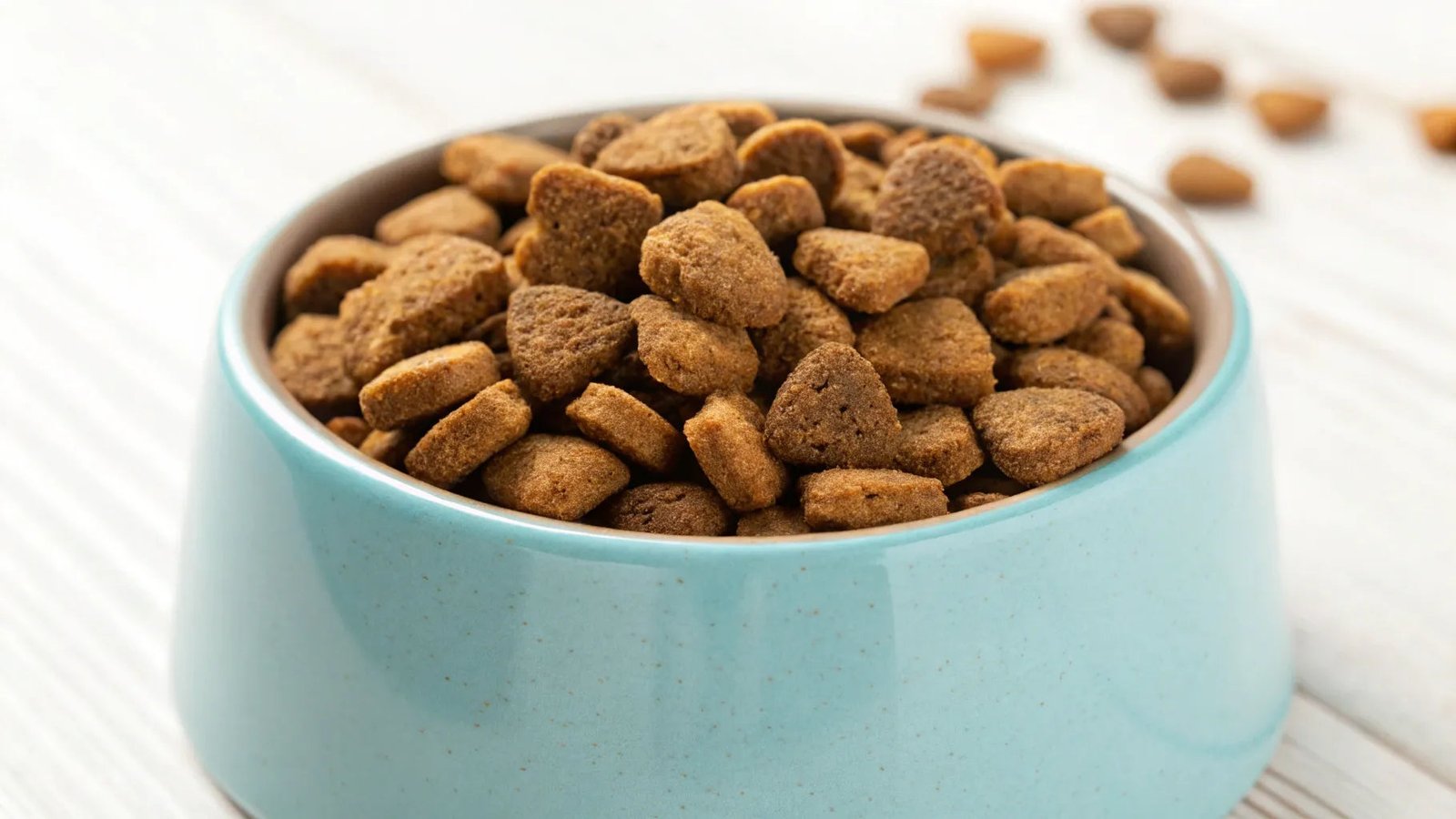
Dry kibble is easy to measure and store. Most packages include feeding guidelines based on weight. Small dogs usually need less than one cup per day. Larger dogs might need several cups, depending on their activity level.
Use a standard measuring cup to avoid overfeeding. Keep in mind calorie content varies between brands. Adjust portions if your dog gains or loses weight.
Wet Food Guidelines
Wet food contains more moisture than kibble. Dogs often enjoy its texture and taste. Feeding amounts differ because wet food is less calorie-dense.
Check the label for feeding recommendations. A typical small dog may need half a can per meal. Larger dogs require more, sometimes a full can or more per feeding.
Mixing wet food with dry kibble can balance moisture and calories. Always watch your dog’s weight and adjust feeding amounts accordingly.
Raw And Homemade Diets
Raw and homemade diets offer fresh ingredients and control. These diets need careful planning to meet all nutrients. Portion sizes depend on protein, fat, and carbohydrate content.
A general rule is feeding 2% to 3% of your dog’s body weight daily. For example, a 50-pound dog may eat 1 to 1.5 pounds of food per day. Divide meals into two or three servings.
Consult a vet or pet nutritionist to ensure balanced meals. Avoid feeding too much protein or fat to prevent health problems.
Credit: dogsauce.co
Feeding Frequency And Schedule
Setting the right feeding frequency and schedule is key to keeping your dog healthy and happy. How often and when you feed your dog can influence their digestion, energy levels, and even behavior. Tailoring meal times to your dog's age and needs makes a big difference in their overall well-being.
Puppy Feeding Times
Puppies have small stomachs and high energy needs, so they require more frequent meals. Feeding your puppy 3 to 4 times a dayhelps maintain steady energy and supports rapid growth.
Try to space meals evenly throughout the day—morning, noon, mid-afternoon, and early evening work well. This keeps hunger at bay and prevents overeating during any single meal.
Have you noticed your puppy gets restless between meals? Smaller, frequent feedings can help reduce that anxiety and keep them calm.
Adult Dog Meals
Most adult dogs do well with two meals a day, typically morning and evening. This schedule fits well with typical daily routines and helps regulate metabolism.
Feeding at consistent times encourages good digestion and reduces begging behavior. You might find that your dog looks forward to these set times, making mealtime a bonding moment.
If your dog seems hungry or overly eager, consider adjusting portion sizes rather than adding extra meals—this keeps their calorie intake balanced.
Senior Dog Feeding Tips
Older dogs often have slower metabolisms and different nutritional needs. Many benefit from two smaller meals a dayto ease digestion and prevent weight gain.
Watch for changes in appetite or energy levels—they can signal the need to tweak your feeding schedule. A quieter, calmer senior dog might do well with meals spaced a bit further apart.
Have you tried adding wet food or warm water to dry kibble? This can entice picky eaters and help with hydration, especially in senior dogs.
Signs Of Overfeeding And Underfeeding
Watching your dog’s eating habits closely can reveal if you're feeding too much or too little. Both overfeeding and underfeeding come with clear signs that affect your dog's health and happiness. Recognizing these signs early helps you adjust their diet before serious problems arise.
Weight Gain And Obesity
Excessive weight gain is a common sign of overfeeding. You might notice your dog’s waistline disappearing or difficulty feeling their ribs. Obesity can lead to joint pain and shorter life expectancy.
On the flip side, underfeeding often results in noticeable weight loss. Your dog may appear bony, with ribs and hip bones clearly visible. If your pet looks too thin, it’s a warning to increase their food intake.
Nutritional Deficiencies
Overfeeding often involves giving too many treats or poor-quality food, which can cause imbalances. This might show up as dull fur, skin problems, or low energy. These signs hint that your dog’s diet lacks essential nutrients despite the excess calories.
Underfeeding usually means your dog isn’t getting enough vitamins and minerals. Watch for symptoms like lethargy, weak muscles, or digestive issues. These clues tell you your dog needs a better-balanced meal plan.
Behavioral Changes
Too much food can lead to sluggishness and reluctance to play or exercise. Your dog might become less interested in activities they once loved. Are you noticing less enthusiasm during walks?
When dogs don’t get enough food, they can become restless or even anxious. Some may beg constantly or show irritability. Changes like these suggest your dog’s hunger is affecting their mood and behavior.

Credit: www.chewy.com
Adjusting Food Amounts Over Time
Adjusting the amount of food your dog eats over time is key to keeping them healthy and happy. Dogs' needs change as they grow, age, and experience shifts in their activity levels. Paying close attention to these changes helps you provide just the right amount of nutrition without overfeeding or underfeeding.
Monitoring Weight And Body Condition
Regularly checking your dog's weight gives you a clear picture of their health. You should also feel their ribs—they should be easy to feel but not visible. If your dog starts gaining or losing weight unexpectedly, it’s a sign to adjust their food portions.
Keep a simple chart or log of your dog's weight and body condition over time. This helps you spot trends early and make small, timely adjustments. Have you noticed your dog’s tummy getting rounder or their energy dipping? It might be time to change their meal size.
Seasonal Activity Changes
Dogs are often more active during warmer months and slow down when it’s cold. Your dog might need more calories in summer when they play outside more, and fewer in winter when they rest indoors. Watch how much they move each day and adjust food accordingly.
Think about your own habits—do you eat more or less depending on the season? Dogs are similar. If your dog spends more time running or hiking, consider increasing their food to fuel that extra energy. In contrast, during lazy winter days, cutting back a little can prevent unwanted weight gain.
Vet Recommendations
Your vet is an excellent resource for tailored advice on feeding amounts. They can assess your dog’s specific needs based on breed, age, health, and activity. Don’t hesitate to ask your vet about the best feeding plan during your next visit.
Sometimes, medical conditions require special diets or portion control. Your vet’s guidance can prevent nutritional problems before they start. Have you ever adjusted your dog’s food after a vet’s advice? What changes did you notice in their health or behavior?
Common Feeding Mistakes To Avoid
Feeding a dog properly is not just about the right food. Many dog owners make simple mistakes that affect their pet’s health and happiness. Avoiding common feeding errors helps keep dogs fit and active. Understanding these errors can improve your dog’s diet and well-being.
Ignoring Portion Guidelines
Portion guidelines on dog food packages are important. They tell you how much food your dog needs daily. Ignoring these can cause overfeeding or underfeeding. Overfeeding leads to weight gain and health problems. Underfeeding can cause malnutrition and low energy. Measure your dog’s food carefully each day. Adjust portions based on your dog’s age, size, and activity.
Feeding Human Food
Feeding dogs human food is risky. Many human foods are unhealthy or toxic for dogs. Foods like chocolate, onions, and grapes can cause serious harm. Feeding scraps can also upset their stomachs. Human food often has too much salt or fat. Stick to dog-specific foods to keep your pet safe. Treats made for dogs are a better choice.
Inconsistent Feeding Times
Dogs thrive on routine and regular meal times. Feeding at random times can cause digestive issues. It may also lead to begging or anxiety around food. Set consistent times for meals each day. This helps your dog feel secure and balanced. Regular feeding supports good digestion and behavior.
Credit: mimisorganiceats.com
Frequently Asked Questions
How Much Dog Food Should A Puppy Eat Daily?
Puppies need more calories than adults due to growth. Feed them 3-4 meals daily, adjusting portions by weight and age. Consult packaging guidelines and your vet for precise amounts to ensure healthy development.
Does Dog Size Affect Daily Food Quantity?
Yes, larger dogs require more calories than smaller breeds. Food quantity depends on your dog’s weight, age, and activity level. Always follow feeding guidelines tailored to your dog’s size for balanced nutrition.
How To Adjust Dog Food For Activity Level?
Active dogs need more calories to maintain energy. Increase food portions slightly for highly active dogs. For less active or senior dogs, reduce amounts to prevent weight gain. Monitor your dog’s weight regularly.
Can Overfeeding Cause Health Issues In Dogs?
Yes, overfeeding leads to obesity, joint problems, and diabetes. Feeding the right amount prevents these risks. Measure food portions accurately and avoid excessive treats to maintain your dog’s health.
Conclusion
Feeding your dog the right amount keeps them happy and healthy. Every dog is different, so watch their weight and energy. Adjust food based on age, size, and activity. Talk to your vet for advice tailored to your dog. Stick to regular feeding times and measure portions carefully.
Good food habits help your dog live a long, joyful life. Remember, quality and quantity both matter for their well-being. Keep learning and caring for your furry friend each day.