Imagine this: You’re trimming your dog’s nails, and suddenly, you cut one nail too short. It’s a common mistake, but it can be distressing for both you and your furry friend.
The sight of blood might make you panic, but don’t worry—this is a situation you can handle calmly and effectively. Understanding how to treat a dog nail cut too short is crucial for your pet's comfort and health. In this guide, you'll discover simple steps to soothe your dog's pain and stop the bleeding quickly.
Keep reading to ensure you're prepared to handle this unfortunate mishap with confidence and care. By the end of this article, you'll feel empowered to turn a stressful moment into a manageable one, ensuring your beloved pet is back to wagging its tail in no time.
Signs Of Cutting Nails Too Short
Cutting your dog's nails too short can cause immediate discomfort and may lead to complications if not addressed quickly. Recognizing the signs early helps you take action before your dog experiences more serious pain or infection. Let’s look at the clear symptoms that indicate the nail has been trimmed too far.
Bleeding And Pain
If you notice blood on the nail or the surface where your dog is standing, it’s a strong sign the nail was clipped too short. Your dog may yelp or pull away suddenly, showing visible pain. This bleeding usually comes from the quick, the sensitive part inside the nail, which can be tender and painful.
Limping Or Favoring A Paw
Watch your dog’s movement closely after a nail trim. Limping or holding one paw up often means the nail hurt them. Dogs try to protect the sore paw, so if your dog is reluctant to put weight on a particular leg, it’s a warning sign.
Swelling Or Redness
Check the paw and nail area for swelling or redness, which can indicate irritation or infection. If the skin around the nail looks inflamed or warm to the touch, your dog needs attention. Ignoring this can lead to further problems, so monitor these symptoms carefully.

Credit: www.bubblesdoggrooming.co.uk
Immediate First Aid Steps
Cutting your dog’s nail too short can cause sudden pain and bleeding. Acting quickly with the right first aid steps can make a big difference in your dog’s comfort and recovery. Here’s what to do immediately to manage the situation effectively.
Stopping The Bleeding
Bleeding from a nail cut too short can look worse than it is, but it needs prompt attention. Apply gentle pressure using a clean cloth or sterile gauze directly on the nail to help stop the bleeding.
If bleeding continues, try using a styptic powder or pencil if you have one. These help clot the blood quickly. Don’t have styptic products? Cornstarch or flour can work as a temporary alternative.
Cleaning The Wound
Once the bleeding slows, gently clean the area with warm water to remove dirt and prevent infection. Avoid harsh chemicals like hydrogen peroxide as they can irritate the wound.
Use a mild antiseptic solution or saline rinse if available. Make sure you dry the nail area carefully without rubbing, as this can reopen the injury.
Calming Your Dog
Injuries can make your dog anxious or scared. Speak softly and use gentle petting to help soothe your pet during the first aid process.
Distract your dog with treats or a favorite toy to keep them calm and still. Staying calm yourself helps your dog feel safe and reduces the risk of sudden movements that might worsen the injury.
Home Remedies For Minor Injuries
Cutting a dog's nail too short can cause bleeding and pain. Minor injuries can be treated easily at home. Using simple remedies helps stop bleeding and soothes discomfort. Acting quickly keeps your dog calm and prevents infection.
Using Styptic Powder Or Alternatives
Styptic powder stops bleeding fast. Apply a small amount directly to the nail tip. Press gently for a few seconds until bleeding stops. If you don't have styptic powder, try cornstarch or flour. These powders help clot the blood and reduce bleeding.
Applying Cold Compress
A cold compress reduces pain and swelling. Wrap ice cubes in a clean cloth. Hold it gently on the injured nail for 5 to 10 minutes. Avoid applying ice directly on the skin. Repeat as needed to ease discomfort.
Keeping The Area Dry
Keeping the nail dry prevents infection. Avoid letting your dog walk in water or mud. Use a clean cloth to gently pat the nail dry after cleaning. Dryness helps the wound heal faster and reduces irritation.

Credit: marleybones.com
When To See A Veterinarian
Knowing when to seek professional help after cutting your dog's nail too short can make a big difference in your pet's recovery. While minor bleeding and discomfort are common, certain signs indicate that a visit to the veterinarian is necessary. Being aware of these warning signals can help you avoid complications and ensure your dog stays healthy and comfortable.
Signs Of Infection
Watch closely for redness, swelling, or pus around the nail area. These symptoms often mean an infection has set in, which requires medical treatment. If your dog’s paw smells bad or they keep licking the nail excessively, don’t wait to get professional advice.
Excessive Bleeding
Some bleeding is normal, but if it doesn’t stop after 10 to 15 minutes of applying pressure, it’s a red flag. Heavy bleeding can lead to shock or other serious issues. You might notice blood soaking through the bandage or pooling around your dog’s paw—this is a clear sign to see a vet immediately.
Persistent Pain Or Limping
If your dog continues to limp or shows signs of pain more than a day after the nail trim, it’s time to consult your veterinarian. Sometimes, the nail may have been damaged deeper than expected, causing ongoing discomfort. Ask yourself: Is my dog acting differently or avoiding putting weight on that paw? If yes, don’t delay the visit.
Preventing Future Nail Injuries
Cutting your dog's nails too short can be painful for your furry friend and lead to bleeding or infections. Preventing this from happening again is essential to keep your dog comfortable and happy. You have the power to protect your dog’s paws by adopting a few careful habits and techniques during nail care.
Proper Nail Trimming Techniques
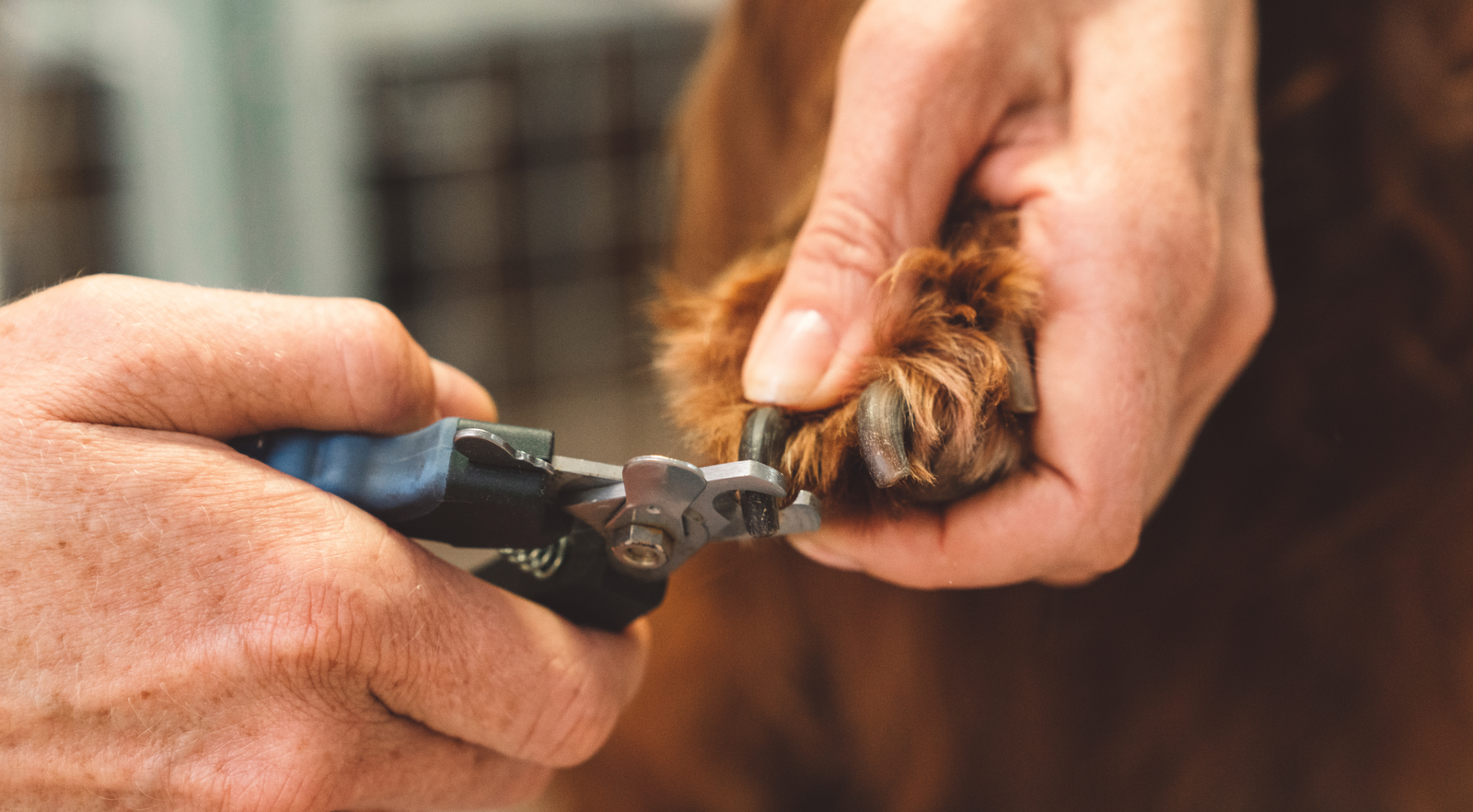
Always trim your dog's nails slowly and in small sections. Cutting bit by bit reduces the chance of hitting the sensitive quick inside the nail.
Keep an eye on the nail’s color. For dogs with light nails, the quick looks like a pink line. For dark nails, trim cautiously, stopping often to check your progress.
Try holding the paw firmly but gently. This control helps avoid sudden movements that might cause injury. Have some styptic powder or cornstarch nearby just in case you accidentally cut too short.
Using The Right Tools
Choose sharp, high-quality nail clippers made specifically for dogs. Dull blades can crush the nail instead of cutting cleanly, increasing discomfort and injury risk.
Some owners find a nail grinder easier to control than clippers. Grinders smooth the nail down slowly and reduce the chance of cutting too short.
Have multiple tools on hand and see which works best for your dog’s size and nail type. Your choice can make a big difference in safety and comfort.
Regular Nail Maintenance
How often do you check your dog's nails? Frequent trims prevent nails from growing too long, which makes cutting safer and less painful.
Set a schedule based on your dog’s activity level. Active dogs may need trims less often than those who walk mainly on soft surfaces.
Watch your dog’s behavior after nail trims. If you notice any limping or reluctance to walk, it could mean nails were cut too short or an infection started. Early detection helps avoid bigger problems.

Credit: smart.dhgate.com
Comforting Your Dog After Injury
Comforting your dog after cutting a nail too short is important. Dogs can feel pain and stress from this injury. Calm care helps them feel safe and loved. It also speeds up healing and reduces anxiety. Follow gentle steps to soothe your dog’s discomfort and keep them relaxed.
Providing A Safe Space
Create a quiet, cozy area for your dog to rest. Use soft bedding and keep the space free from noise. Avoid too much light or activity around them. This helps your dog feel secure while healing. Let them come to you when ready, without forcing attention.
Using Distractions And Positive Reinforcement
Keep your dog’s mind off the pain with gentle distractions. Offer favorite toys or soft treats to hold their interest. Speak softly and praise calm behavior to build trust. Reward your dog for staying relaxed and still. This positive approach helps reduce stress and fear.
Monitoring Behavior Changes
Watch your dog for changes in mood or habits. Signs like limping, constant licking, or hiding need attention. Note if your dog stops eating or seems restless. Early detection of problems helps prevent worsening injury. Contact your vet if unusual behavior continues or pain seems severe.
Frequently Asked Questions
What Should I Do If I Cut My Dog's Nail Too Short?
Apply styptic powder or cornstarch to stop bleeding immediately. Keep your dog calm and apply gentle pressure for a few minutes. Clean the area and monitor for infection. Contact your vet if bleeding persists beyond 15 minutes or swelling occurs.
How Can I Stop Bleeding After Cutting A Dog’s Nail?
Use styptic powder, pencil, or cornstarch on the bleeding nail. Press gently for a minute to allow clotting. Avoid using tissues or cotton that may stick. Keep your dog calm to reduce blood flow and check the nail regularly.
When Should I See A Vet For A Dog’s Nail Injury?
Visit a vet if bleeding lasts more than 15 minutes or if swelling appears. Seek help if your dog shows signs of pain, limping, or infection. Early treatment prevents complications and ensures proper healing. Always consult your vet for severe injuries.
How To Prevent Cutting A Dog’s Nail Too Short Next Time?
Trim nails slowly and avoid cutting near the quick, the pink area inside nails. Use proper nail clippers and good lighting. If unsure, trim small amounts frequently. Consider professional grooming or learning from a vet to improve technique.
Conclusion
Treating a dog nail cut too short needs quick care and calm hands. Stop the bleeding by pressing gently with a clean cloth. Use styptic powder or cornstarch to help the bleeding stop fast. Keep your dog calm and check the nail for signs of infection.
Clean the area daily and avoid letting your dog lick it. Watch your pet closely to see how it heals. Taking these steps helps your dog feel better soon. Caring for your dog's nails keeps them healthy and happy.