Are you trying to figure out how much a bag of dog food costs these days? With so many options on the market, it can be overwhelming to find the right one for your furry friend without breaking the bank.
Whether you're a new pet parent or a seasoned dog owner, knowing what to expect when it comes to dog food pricing can help you make informed decisions. Dive in as we uncover the factors that influence the cost of dog food and reveal tips on getting the best bang for your buck.
By the end, you'll have a clearer picture of where your money is going and how to provide your dog with quality nutrition. Stick around to ensure you're making choices that both your wallet and your pet will appreciate!
Credit: www.chewy.com
Price Factors
Understanding the price factors behind a bag of dog food helps you make smarter buying choices. Prices vary widely, and knowing why can save you money without compromising your dog's nutrition. Let’s break down what really influences these costs.
Brand Influence
Brands play a big role in pricing. Well-known brands often charge more because they invest in marketing and have established trust.
Smaller or lesser-known brands might offer similar quality at a lower price. But how much do you value brand reputation when picking food for your dog?
Ingredients Quality
The quality of ingredients directly impacts the cost. Foods made with real meat, vegetables, and whole grains usually cost more than those with fillers and by-products.
Think about your dog’s health. Would you pay extra for better ingredients that support their energy and longevity?
Bag Size Variations
Bag size affects the unit price. Larger bags often offer a better price per pound, but they require more storage space and might not be ideal for small dogs.
Have you noticed that smaller bags are convenient but can add up in cost over time? Balancing size and price matters for your budget and your dog’s needs.
Special Formulas
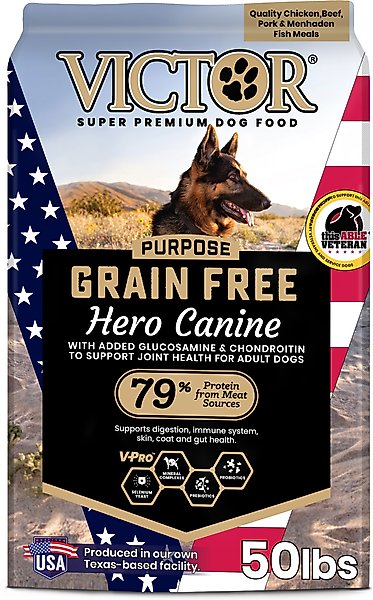
Specialty formulas like grain-free, senior, or breed-specific diets usually cost more. These cater to particular health needs or preferences.
Is your dog on a special diet? Paying extra might be necessary, but always check if the benefits justify the price.
Price Ranges
Dog food prices vary widely based on ingredients, brand, and quality. Understanding price ranges helps choose the best option for your pet and budget. Prices often reflect the nutritional value and production standards.
Most dog food bags fall into three main price categories. Each range offers different benefits and caters to different needs.
Budget Options
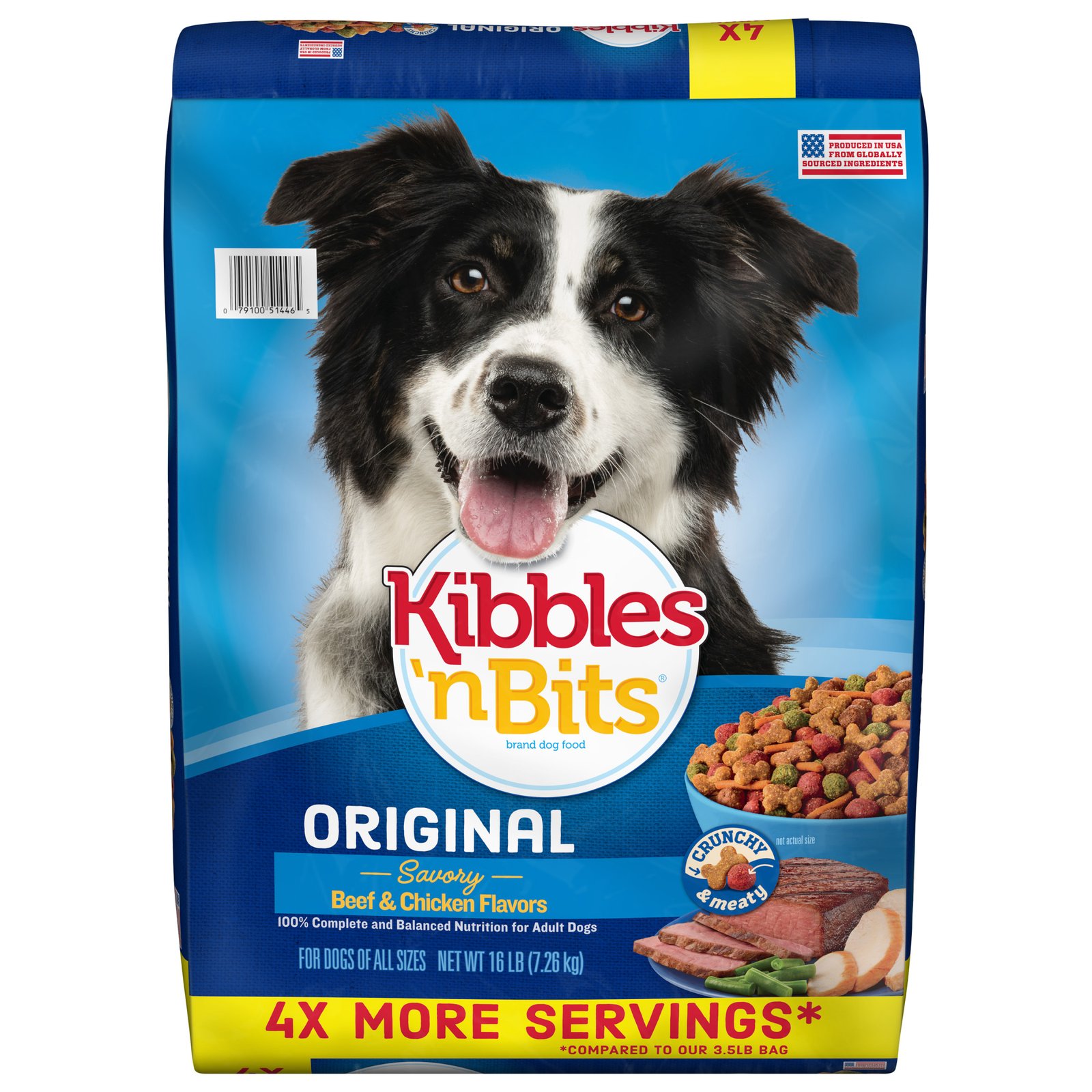
Budget dog foods usually cost between $10 and $30 for a 15 to 20-pound bag. These products often use lower-cost ingredients and fillers. They provide basic nutrition but may lack some vitamins or quality proteins. Ideal for dogs with no special dietary needs or for owners on a tight budget.
Mid-range Choices
Mid-range dog food bags typically cost from $30 to $60. These options include better ingredients like real meat and grains. They often have added vitamins and minerals for balanced nutrition. Suitable for most dogs needing good quality food without high prices.
Premium Selections
Premium dog foods can cost $60 or more per bag. These foods use high-quality proteins, organic ingredients, and no fillers. They often target specific health needs like sensitive skin or digestion. Best for owners who want the highest nutrition and are ready to invest more.
Cost Comparison
Comparing the cost of different types of dog food can help you make smarter choices for your pet and your budget. Prices vary widely depending on the type, quality, and where you buy it. Let’s break down some key differences you should know before picking up your next bag of dog food.
Dry Food Vs Wet Food
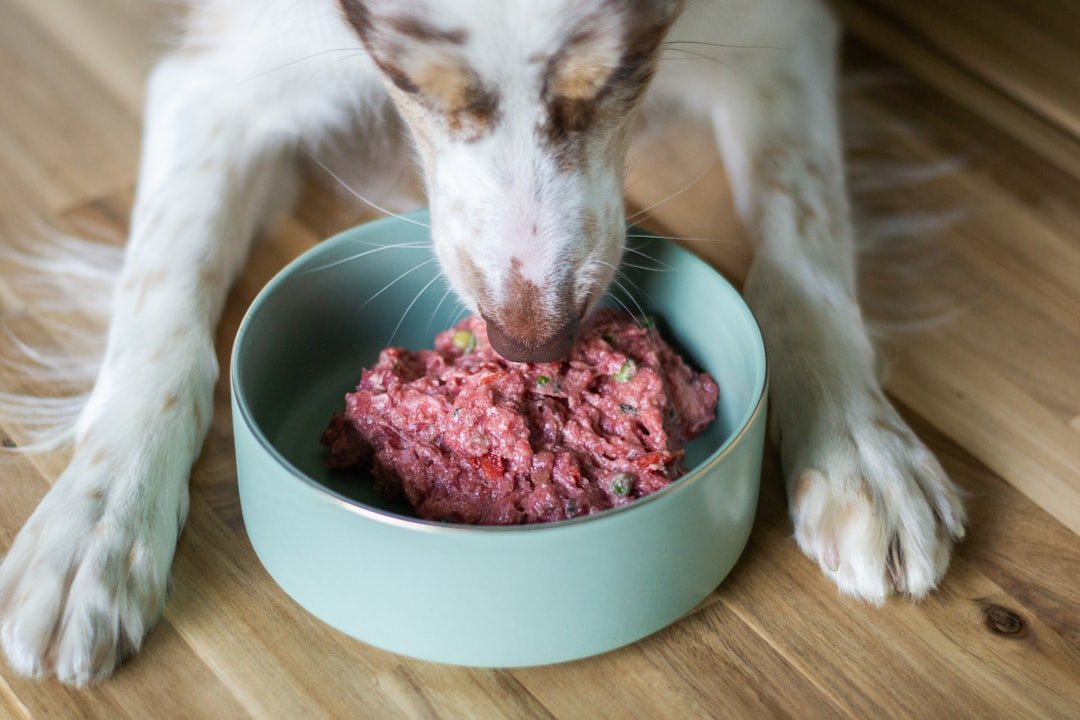
Dry dog food usually costs less per serving than wet food. A 30-pound bag of dry food can range from $30 to $60, lasting about a month for a medium-sized dog.
Wet food tends to be pricier, often sold in cans or pouches. You might spend $1.50 to $3 per can, which adds up quickly if you feed it exclusively.
Think about your dog’s preference and your budget. Would you rather buy a larger quantity of dry food or a smaller amount of wet food that feels more like a treat?
Organic Vs Regular
Organic dog food often comes with a higher price tag due to the cost of natural ingredients and certifications. Expect to pay 25% to 50% more for organic options.
Regular dog food uses standard ingredients that can keep prices down but might not have the same nutritional benefits. It’s worth asking: does paying extra for organic food fit your dog’s health needs and your wallet?
Many pet owners notice a difference in their dog's energy and coat condition after switching to organic. Would you invest a little more to see if your dog benefits?
Online Vs In-store Prices
Shopping online can often save you money, especially if you buy in bulk or use subscription services. Websites frequently offer discounts and free shipping.
In-store prices might be higher, but you get the advantage of immediate purchase and personal advice. Local stores sometimes run promotions that aren’t available online.
Consider your convenience and savings—are you willing to wait for delivery if it means paying less? Or do you prefer grabbing a bag on your next trip to the store?
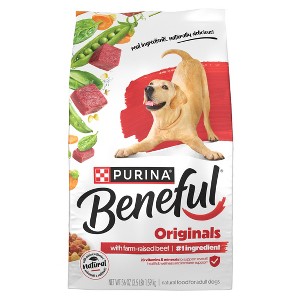
Credit: www.target.com
Buying Tips
Buying a bag of dog food involves more than just picking the first option on the shelf. Smart shopping can save you money and ensure your dog gets the best nutrition. Here are some practical tips to help you make the most of your purchase.
Bulk Purchase Benefits
Buying dog food in bulk often reduces the cost per pound significantly. If you have the storage space, consider purchasing larger bags or multiple bags at once. This way, you avoid frequent trips to the store and capitalize on wholesale prices.
However, check the expiration dates carefully. Buying too much at once might lead to waste if the food expires before your dog finishes it. Also, remember to store the food properly to maintain freshness and prevent pests.
Subscription Plans
Many online retailers offer subscription plans for dog food. These plans deliver your dog's food regularly, so you never run out. Plus, subscriptions often come with discounts, saving you money over time.
Think about how predictable your dog’s food needs are. If your dog’s diet doesn’t change often, a subscription can be very convenient. You can usually adjust delivery frequency or pause the plan if your needs change.
Seasonal Discounts
Keep an eye out for seasonal sales like Black Friday or holiday promotions. Retailers often drop prices on pet food during these times. Signing up for newsletters from pet stores can alert you to upcoming discounts.
Don’t forget to compare prices across different stores and websites during these sales. Sometimes, combining seasonal discounts with coupons or loyalty points can lead to even bigger savings.
Additional Expenses
Buying a bag of dog food is just one part of the cost. There are other expenses that can add up quickly. These costs affect your budget and how much you spend monthly on your pet. Knowing about these extra expenses helps you plan better.
Shipping Fees
Many dog food brands charge for shipping. This fee depends on the weight and distance. Some stores offer free shipping if you buy a large amount. Others charge a flat rate or a fee per bag. Shipping fees can add $5 to $20 to your total cost.
Storage Considerations
Dog food needs proper storage to stay fresh. You may need airtight containers to keep the food safe. These containers protect against pests and moisture. Large bags require more space, which can be a problem in small homes. Proper storage helps avoid waste and saves money long-term.
Feeding Accessories
Feeding your dog may require extra items. Bowls for food and water are essential. Some owners buy automatic feeders or mats to keep the area clean. These accessories vary in price but improve feeding convenience. Simple bowls can cost $5, while automatic feeders may cost over $50.
Budgeting For Dog Food
Budgeting for dog food is an important part of caring for your pet. Knowing the cost helps avoid surprises and keeps your dog healthy. Costs vary based on size, diet, and brand. Planning ahead ensures your dog gets quality nutrition without breaking the bank.
Monthly Cost Estimates
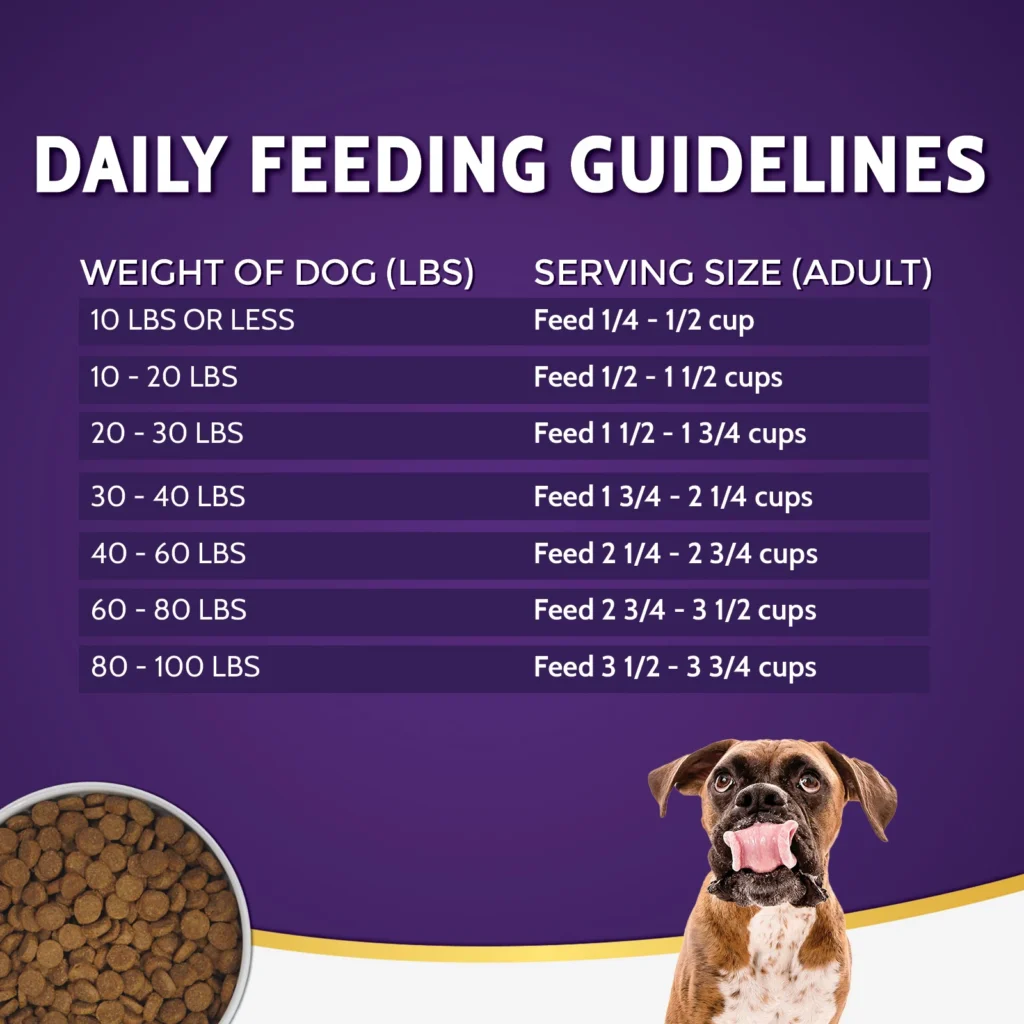
The average dog food bag costs between $20 and $60. Most dogs eat about 2 to 3 cups of food daily. This means you might spend $40 to $120 per month on dog food. Premium brands or organic options can raise this cost. Buying in bulk or during sales can lower monthly expenses.
Adjusting For Dog Size
Small dogs need less food than large dogs. A small breed may eat half a cup daily, costing less. Medium dogs eat about 2 cups daily, costing a moderate amount. Large dogs need 3 or more cups, raising food costs. Adjust your budget according to your dog's size and appetite.
Special Dietary Needs
Some dogs require special diets for health reasons. Grain-free, hypoallergenic, or prescription foods cost more than regular brands. These diets help with allergies or digestion problems. Consult your vet to find the best food for your dog’s needs. Plan extra budget for these special foods.

Credit: www.amazon.com
Frequently Asked Questions
How Much Does A Bag Of Dog Food Typically Cost?
A bag of dog food usually costs between $20 and $60. Price varies by brand, size, and ingredients. Premium or specialized diets often cost more. Always compare prices to find the best value for your dog's needs.
What Factors Influence Dog Food Bag Prices?
Prices depend on brand reputation, ingredient quality, and bag size. Organic and grain-free foods are pricier. Larger bags often offer better per-pound value. Specialty diets for allergies or health conditions also cost more.
Are Larger Dog Food Bags More Cost-effective?
Yes, larger bags generally provide better cost per pound. Buying in bulk can save money over time. However, ensure your dog consumes it before the food expires. Proper storage is essential to maintain freshness.
Where Can I Find Affordable Dog Food Bags?
Affordable dog food is available at pet stores, online retailers, and supermarkets. Look for discounts, coupons, or subscription plans. Comparing prices online helps find the best deals without sacrificing quality.
Conclusion
Choosing the right bag of dog food depends on many things. Price varies by brand, size, and ingredients. Cheaper options may lack some nutrients your dog needs. Higher prices often mean better quality and nutrition. Always check the label and compare prices.
Feeding your dog good food helps keep them healthy. Think about your budget and your dog’s needs. You can find a bag that fits both. Healthy dogs are happy dogs. That’s what matters most.