
Are you eagerly waiting to bring your adorable new puppy home? One of the first questions that might pop into your mind is, "How old should my puppy be to eat dog food?"
Getting this timing right is crucial for your puppy's health and happiness. Imagine giving them the best start in life with the right nutrition at the right time. It’s not just about filling their tiny tummies; it’s about setting them up for a lifetime of well-being.
In this guide, we’ll uncover the perfect age for your puppy to transition to dog food, helping you make informed decisions and ensuring your furry friend grows up strong and healthy. Dive in and discover how to give your puppy the best possible start!
Puppy Nutrition Basics
Puppy nutrition is key to healthy growth and strong development. Puppies need special food that fits their changing bodies. Their diets should support energy, growth, and immune health. Feeding the right nutrients helps puppies grow into healthy adults.
Essential Nutrients For Growth
Puppies require a mix of important nutrients to grow well. Protein builds muscles and tissues. Fat supplies energy for play and learning. Carbohydrates provide fuel for daily activities. Vitamins and minerals support bones, skin, and the immune system.
- High-quality protein from meat or fish
- Healthy fats like omega-3 and omega-6
- Calcium and phosphorus for bone development
- Vitamins A, D, and E for overall health
Balanced nutrition ensures puppies develop strong bones and healthy organs.
Differences Between Puppy And Adult Food
Puppy food differs from adult dog food in many ways. It has higher calories to meet energy needs. Protein levels are higher to support muscle growth. Puppy food contains more calcium for strong bones. Adult food has fewer calories to prevent weight gain.
| Feature | Puppy Food | Adult Food |
|---|---|---|
| Calories | Higher for energy | Lower to maintain weight |
| Protein | Higher for growth | Moderate for maintenance |
| Calcium | Increased for bones | Reduced to avoid excess |
Choosing the right food helps puppies grow strong and healthy.
When To Transition To Dog Food
Knowing the right time to switch your puppy from milk or formula to dog food is key to their growth and health. Transitioning too early or too late can cause digestive upset or nutritional gaps. Understanding the signs and typical age range helps you make a smooth change that supports your puppy’s development.
Typical Age Range For Switching
Puppies usually start eating solid food around 3 to 4 weeks old. This is when they begin to wean off their mother’s milk. Most vets recommend fully switching to puppy-specific dog food by 8 weeks of age.
Keep in mind, some puppies may start nibbling earlier, while others take a bit longer. Watch your puppy’s behavior and appetite to find the best moment for your furry friend.
Signs Your Puppy Is Ready
Look for your puppy showing interest in solid food. If your puppy starts licking or chewing kibble, it’s a clear sign they’re curious and ready to try.
Also, check if your puppy can stand steadily and has good coordination. Puppies who are still wobbly might struggle with chewing and swallowing solid food.
Has your puppy’s appetite increased? If they seem unsatisfied after nursing or bottle feeding, they may be ready to eat more substantial meals.
Types Of Puppy Food
Puppies need special food to grow strong and healthy. Choosing the right type of food is important. Puppy food comes in different forms and recipes. Each type has benefits and things to consider. Understanding these options helps you feed your puppy well.
Dry Kibble Vs. Wet Food
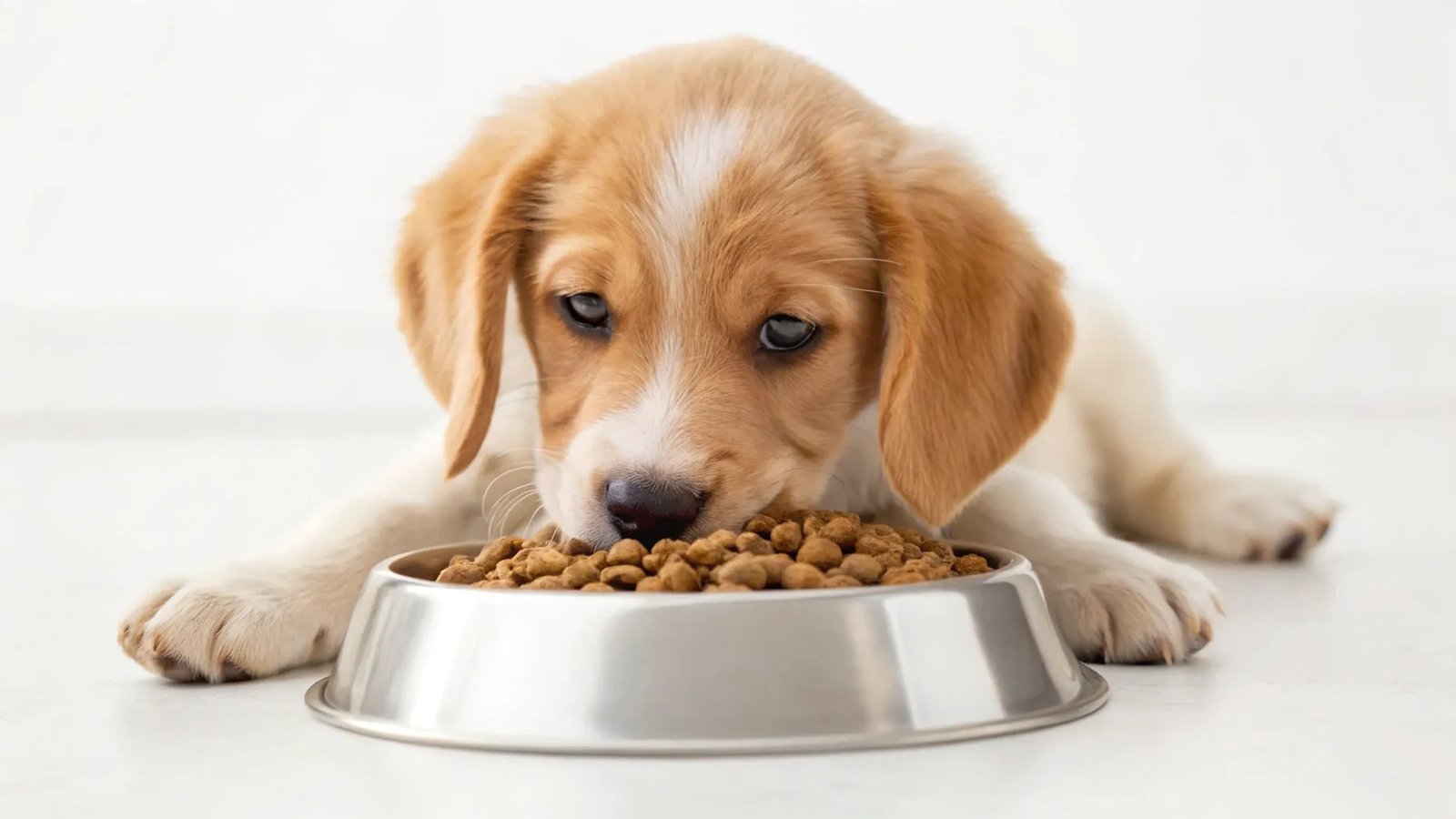
Dry kibble is crunchy and easy to store. It helps keep teeth clean by reducing plaque. Kibble lasts longer after opening and is usually less expensive. Wet food is soft and smells stronger. It contains more moisture, which helps puppies stay hydrated. Wet food often tastes better to picky eaters. Some owners mix both to give variety and balance.
Homemade Vs. Commercial Options
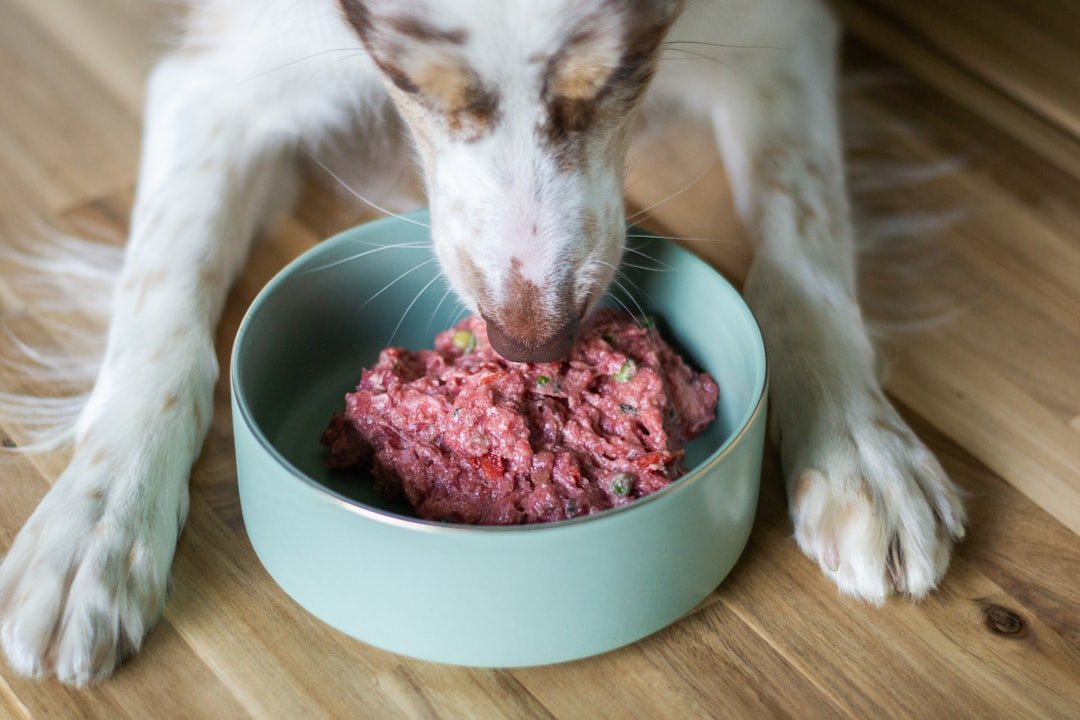
Homemade food lets you control every ingredient. You can choose fresh meats and vegetables. Cooking at home ensures no artificial additives or fillers. It takes time and effort to make balanced meals. Commercial puppy food is made to meet nutrition standards. It is convenient and ready to serve. Many commercial brands offer formulas for different breeds and sizes. Always check labels for quality ingredients and nutrients.

Credit: www.chewy.com
How To Introduce Dog Food
Introducing dog food to your puppy is a key milestone in their growth. It’s not just about swapping milk for kibble; it’s about helping their tiny tummy adjust smoothly. You want to make the process gentle and stress-free for both of you.
Gradual Transition Tips
Start by mixing a small amount of dog food with your puppy’s current milk or formula. Over the next week, slowly increase the portion of dog food while decreasing the milk. This slow change helps your puppy get used to the new taste and texture without overwhelming them.
Offer fresh water alongside the food to keep your puppy hydrated. You might notice some hesitation at first—this is normal. Be patient and consistent, offering the mixture at regular meal times.
Avoiding Digestive Upset
Changing your puppy’s diet too quickly can cause diarrhea or stomach upset. Watch for signs like loose stools or vomiting, and if you see these, slow down the transition even more. Remember, each puppy is different; some need extra days to adjust.
Stick to high-quality puppy food recommended by your vet to support healthy digestion. If your puppy shows persistent discomfort, consult your vet to rule out allergies or sensitivities. Have you noticed any specific foods that your puppy prefers or dislikes during the change? Paying attention can guide you in choosing the best diet for your furry friend.
Feeding Frequency And Portions
Feeding a puppy the right amount of food at the correct times is essential for healthy growth. Puppies need frequent meals because they burn a lot of energy. Small, regular portions help maintain their energy levels and support development.
Daily Meal Schedule
Young puppies usually eat four times a day. This schedule ensures they get constant nutrition. As puppies grow, their meal frequency decreases. By six months, most can eat two or three meals daily. Sticking to a consistent schedule helps puppies develop good eating habits.
Adjusting Portions As Puppy Grows
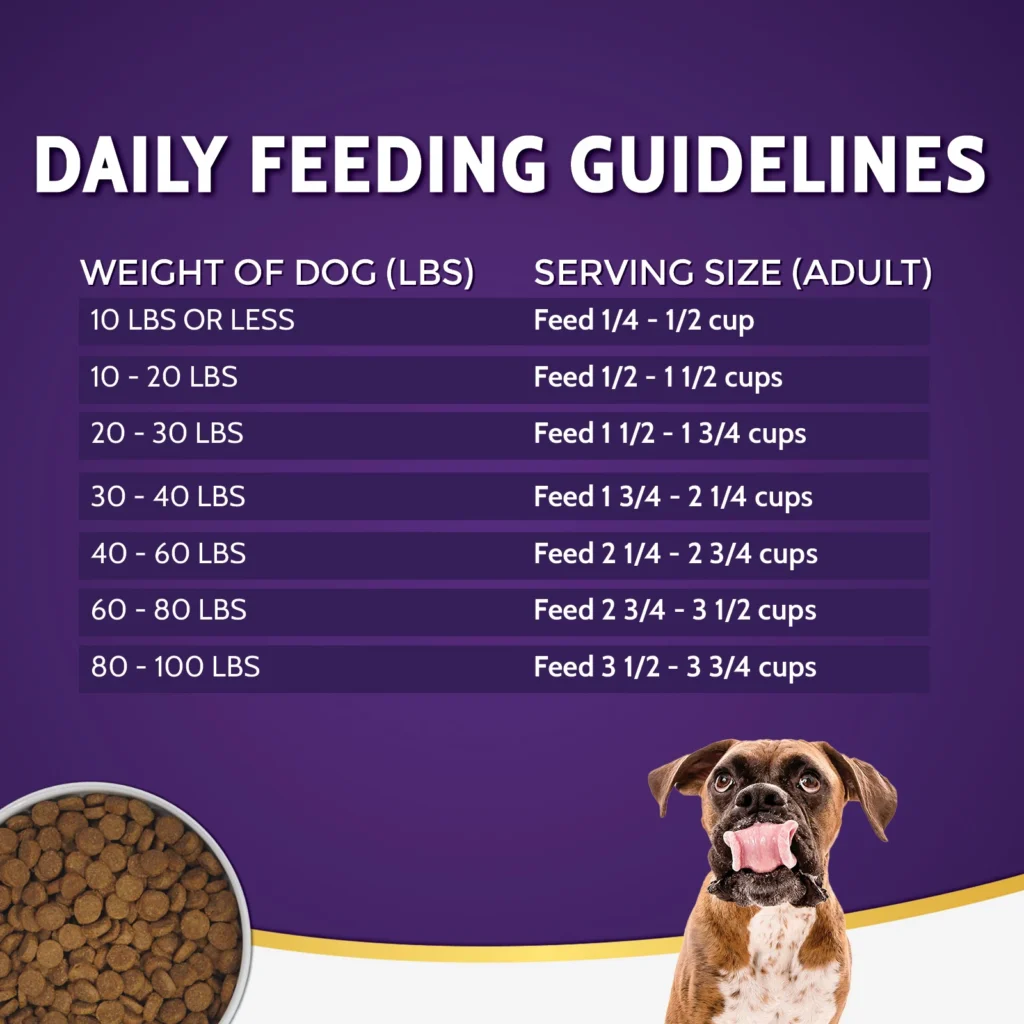
Puppy food portions depend on age, weight, and breed. Start with small amounts and increase gradually. Watch the puppy’s weight and energy to adjust portions. Overfeeding can cause obesity, while underfeeding slows growth. Consult feeding guidelines on dog food packages for best results.

Credit: www.lilyskitchen.co.uk
Common Feeding Mistakes
Feeding your puppy might seem straightforward, but common mistakes can slow down their growth or even harm their health. Many new dog owners rush to give adult dog food or feed too much, thinking more food means faster growth. Understanding these pitfalls helps you give your puppy the right start.
Overfeeding Risks
It’s easy to assume puppies need large portions, but overfeeding can lead to obesity and joint problems. Excess calories put stress on developing bones and can cause lifelong health issues. Instead of free-feeding or giving too many treats, measure your puppy’s meals and stick to vet-recommended amounts.
Have you noticed your puppy gaining weight rapidly? That’s a sign to cut back and check the feeding guide on your dog food package. Puppies need balanced nutrition, not just quantity.
Inappropriate Food Choices
Feeding your puppy adult dog food or human food can upset their digestion and deprive them of essential nutrients. Puppy formulas contain the right balance of protein, fats, and vitamins crucial for their growth stage. Switching too early or offering table scraps might cause stomach issues or nutrient gaps.
Think about the last time you tried a meal not suited for your body—it probably didn’t feel great. Your puppy feels the same when given the wrong food. Always pick food labeled specifically for puppies until your vet says otherwise.
Consulting Your Veterinarian
Consulting your veterinarian is essential before changing a puppy’s diet. Puppies have unique nutritional needs that vary by age, breed, and health. A vet provides expert advice on the right time to start dog food. They consider growth stages and any special health concerns your puppy may have. This helps ensure the diet supports healthy development and prevents digestive issues. A professional’s guidance avoids common feeding mistakes and keeps your puppy thriving.
Tailoring Diet To Breed And Health
Different breeds need different nutrients and portions. Small breeds may require calorie-dense food to meet their energy needs. Large breeds need balanced nutrition to support bone and joint growth. Puppies with health issues like allergies or digestive problems need special diets. Your vet can recommend dog food formulas suited to your puppy’s breed and condition. This personalized approach promotes better health and prevents future problems.
When To Seek Professional Advice
Always consult a vet if your puppy shows signs of illness or poor growth. Changes in appetite, vomiting, or diarrhea call for immediate advice. If you are unsure about the best food type or feeding schedule, ask a professional. Vets help decide when to switch from milk to solid food safely. Regular check-ups allow diet adjustments as your puppy grows. Getting expert help reduces stress and improves your puppy’s well-being.
Credit: dogsauce.co
Frequently Asked Questions
When Can Puppies Start Eating Solid Dog Food?
Puppies can start eating solid dog food at about 3 to 4 weeks old. Begin with soft, moistened food to ease the transition from mother's milk.
How To Transition Puppies From Milk To Dog Food?
Gradually mix moistened dog food with puppy formula over 1 to 2 weeks. This helps puppies adjust smoothly to solid food.
What Age Is Best For Weaning Puppies?
Puppies are usually weaned between 6 to 8 weeks old. At this age, they rely less on their mother's milk and more on solid food.
Can Newborn Puppies Eat Dog Food?
Newborn puppies should not eat dog food. They need their mother's milk or a suitable milk replacer for proper nutrition.
Conclusion
Puppies usually start eating dog food around four weeks old. Before that, they need their mother’s milk for nutrients. Gradually, mix soft dog food with milk to help them adjust. Watch your puppy closely to see if they eat well.
Good nutrition helps puppies grow strong and healthy. Always choose food made for puppies, as it has the right nutrients. Remember, every puppy is different, so be patient and gentle. Feeding at the right time sets your puppy up for a happy life.
Keep learning and caring for your furry friend.