When it comes to feeding your furry friend, you want to ensure they're getting the right amount of nourishment. Have you ever wondered if you're giving your dog just the right portion of home-cooked food?
It's a common concern for many dog owners who want to provide their pets with a healthy diet. Feeding your dog the correct amount can be a game-changer for their health and happiness. Imagine your dog with a shiny coat, full of energy, and at their ideal weight.
Sounds great, right? We'll explore how much home-cooked food you should feed your dog to keep them in top shape. Stick around to discover how you can make meal times the highlight of your dog's day!
Daily Calorie Needs
Feeding your dog the right amount of home cooked food starts with understanding their daily calorie needs. Calories provide the energy dogs need for daily activities, growth, and overall health. Too few calories can lead to weight loss and weakness. Too many can cause obesity and related health problems. Knowing the correct calorie intake helps you prepare balanced meals that keep your dog healthy and active.
Factors Influencing Calorie Requirements
Several factors affect how many calories your dog needs each day:
- Age:Puppies and young dogs require more calories for growth.
- Size and Breed:Larger breeds often need more calories than smaller ones.
- Activity Level:Active dogs burn more energy and need extra calories.
- Health Status:Illness or recovery can change calorie needs.
- Spay/Neuter Status:Neutered dogs may have lower calorie requirements.
- Environmental Temperature:Cold weather may increase calorie needs to maintain body heat.
Calculating Your Dog’s Energy Needs
Start by finding your dog’s Resting Energy Requirement (RER). RER is the calories needed for basic body functions at rest.
Use this formula to calculate RER:
| RER = 70 × (Body Weight in kg)0.75 |
Next, multiply RER by an activity factor to find the Maintenance Energy Requirement (MER). MER accounts for your dog’s lifestyle.
- Inactive or older dogs: RER × 1.2
- Neutered adult dogs: RER × 1.6
- Active adult dogs: RER × 2.0
- Working or very active dogs: RER × 3.0
This gives you the total daily calories your dog needs. Adjust portions of home cooked food based on this number. Track your dog’s weight and energy to fine-tune feeding amounts.
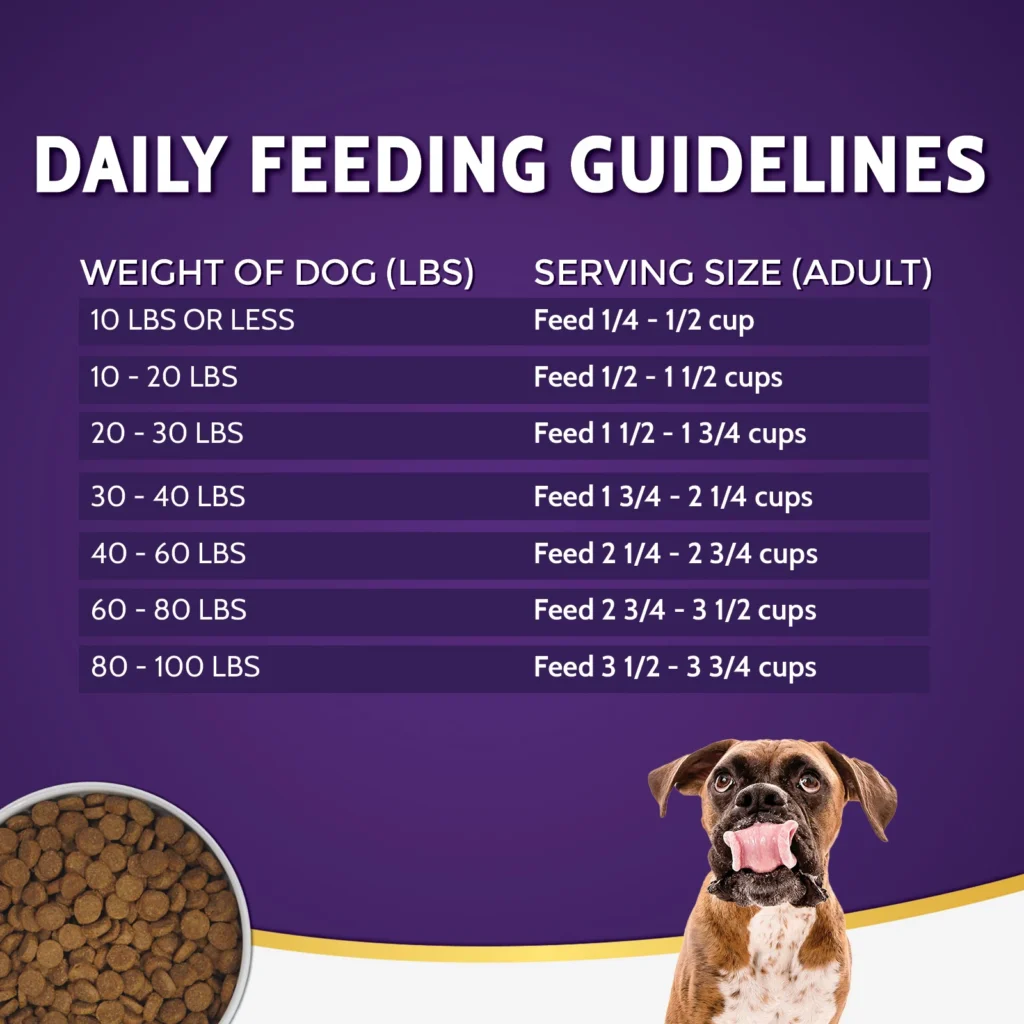
Portion Sizes By Dog Weight
Feeding your dog the right amount of home cooked food depends on their weight. Dogs of different sizes need different portion sizes to stay healthy and active. Too much food can lead to weight gain. Too little can cause nutrient shortages. Understanding portion sizes by dog weight helps maintain their ideal body condition.
Small Breeds
Small breed dogs weigh less than 20 pounds. They need smaller portions but frequent meals. About 1/4 to 1/2 cup of cooked food per meal suits them. Feed two to three times a day for energy balance.
- Weight: 5-10 lbs
- Daily portion: 1/2 to 3/4 cup
- Meals per day: 3
- Weight: 10-20 lbs
- Daily portion: 3/4 to 1 cup
- Meals per day: 2-3
Medium Breeds
Medium breeds weigh between 20 and 50 pounds. They need balanced portions to support activity and growth. Feed about 1 to 2 cups of food daily. Split into two meals for best digestion.
- Weight: 20-35 lbs
- Daily portion: 1 to 1.5 cups
- Meals per day: 2
- Weight: 35-50 lbs
- Daily portion: 1.5 to 2 cups
- Meals per day: 2
Large Breeds
Large breed dogs weigh over 50 pounds. They need larger portions to meet energy needs. Feed 2 to 4 cups of cooked food daily. Divide into two meals to avoid bloating.
- Weight: 50-70 lbs
- Daily portion: 2 to 3 cups
- Meals per day: 2
- Weight: 70+ lbs
- Daily portion: 3 to 4 cups
- Meals per day: 2
Balancing Nutrients
Balancing nutrients in your dog's home-cooked meals is essential for their health and happiness. Dogs need a mix of proteins, carbohydrates, fats, vitamins, and minerals to thrive. Getting this balance right ensures your dog has the energy, strength, and immune support they need every day.
Protein Sources
Protein is the building block of your dog's muscles, skin, and organs. Good protein options include chicken, turkey, lean beef, and fish like salmon. Eggs and cottage cheese are also great choices if your dog tolerates dairy.
Think about variety. Feeding the same protein every day can lead to nutrient gaps or allergies. Mixing different sources helps provide a broader range of amino acids and keeps mealtime interesting for your dog.
Carbohydrates And Fats
Carbohydrates provide energy, but too much can cause weight gain. Stick to healthy carbs like sweet potatoes, brown rice, and oats. These also add fiber, which supports digestion.
Fats are crucial for coat health and brain function. Include sources like fish oil, flaxseed oil, or small amounts of olive oil. Avoid too many fatty cuts of meat to prevent excess calories.
Essential Vitamins And Minerals
Vitamins and minerals keep your dog’s body working smoothly. Vegetables like carrots, spinach, and pumpkin are packed with vitamins A, C, and E. Calcium is especially important for bone health—consider adding crushed eggshells or a dog-safe supplement.
Have you noticed your dog’s energy dip or coat dullness? It might be a sign of missing nutrients. Regularly changing up veggies and consulting your vet on supplements can help you stay on track.

Credit: www.chewy.com
Meal Frequency And Timing
Understanding the right meal frequency and timing is key to keeping your dog healthy and happy with home-cooked food. Feeding schedules affect digestion, energy levels, and behavior throughout the day. Adjusting meal times to fit your dog’s specific needs can make a big difference in their overall well-being.
Puppies Vs Adult Dogs
Puppies need to eat more often than adult dogs because they burn energy quickly and are still growing. You’ll typically feed puppies 3 to 4 small meals a day to keep their blood sugar stable and support development.
Adult dogs usually do well with 2 meals a day—once in the morning and once in the evening. This routine helps maintain steady energy and prevents overeating. Have you noticed how your puppy’s appetite changes as they grow? Adjusting meal frequency can help match those changing needs.
Adjusting For Activity Levels
Active dogs, like those who run or play a lot, need meals timed around their exercise to fuel their energy and aid recovery. Feeding about an hour before activity gives them the fuel they need without causing stomach upset.
Less active or older dogs benefit from smaller, more frequent meals to keep their metabolism steady without weight gain. If your dog’s activity level changes, shifting meal size and timing can help avoid digestive issues and maintain ideal weight.
Think about your dog’s daily routine. Are their meals supporting their lifestyle, or could timing tweaks improve their energy and digestion?
Monitoring Your Dog’s Health
Keeping a close eye on your dog’s health is crucial when feeding home cooked meals. Changes in weight or energy levels can tell you if you’re on the right track or need to adjust the portions. Your dog can't tell you if they’re hungry or full, so monitoring physical signs helps you understand their needs better.
Tracking Weight And Body Condition
Weigh your dog regularly and note any changes. Small weekly adjustments in food amounts can prevent big health problems later. Besides the scale, observe your dog’s body shape—ribs should be felt but not seen, and they should have a clear waist when viewed from above.
I once increased my dog’s food slightly after noticing his ribs became too visible despite his normal weight. This simple adjustment kept him healthy and more energetic. How often do you check your dog’s body condition to make sure they are just right?
Signs Of Overfeeding Or Underfeeding
Watch out for signs like constant begging, sluggishness, or sudden weight gain. These often mean you’re feeding too much or too little. A dog that’s gaining weight fast might be overfed, while one that seems tired or loses weight could need more food.
- Overfeeding signs:Excess weight, panting, difficulty moving
- Underfeeding signs:Weight loss, dull coat, low energy
Adjust meal sizes based on these signs rather than sticking to strict portion rules. Your dog’s health changes over time, and your feeding routine should change too. What signs do you notice first when your dog’s diet isn’t quite right?
Credit: thealmondeater.com
Common Feeding Mistakes
Feeding a dog home cooked food is rewarding but tricky. Many dog owners make common mistakes that affect their pet’s health. These errors can lead to weight problems, nutrient gaps, or digestive issues. Avoiding these mistakes helps keep your dog healthy and happy.
Over-reliance On Treats
Treats are tasty and fun but often cause overfeeding. Many owners give too many treats, thinking they are harmless. Too many treats add extra calories without balanced nutrients. This can cause weight gain and upset your dog’s diet. Treats should be occasional and small in size. Use them wisely to avoid feeding too much.
Ignoring Individual Needs
Every dog is unique with different health needs. Some dogs need more protein, others need less fat. Age, size, activity, and health affect how much food a dog needs. Feeding the same portion to all dogs can cause problems. Watch your dog’s weight and energy to adjust food amounts. Personalize meals based on your dog’s specific needs. This keeps them fit and nourished.
Tips For Transitioning To Home Cooked Meals
Switching your dog to home cooked meals can be rewarding, but it needs careful handling to keep your furry friend happy and healthy. Sudden changes might upset their stomach or cause them to reject the new food. Taking the right steps during the transition helps your dog adjust smoothly and enjoy their new diet.
Gradual Introduction
Start by mixing a small amount of home cooked food with your dog’s regular meals. For example, try a 75% regular food and 25% home cooked mix for a few days. Watch how your dog reacts and gradually increase the home cooked portion over one to two weeks.
If your dog shows signs of digestive upset, like vomiting or diarrhea, slow down the transition. Some dogs need even longer to adjust. Have you noticed your dog’s favorite flavors or textures that make them more willing to eat new food?
Ensuring Nutritional Completeness
Homemade meals must meet all your dog’s nutritional needs. Simply feeding meat or rice isn’t enough. Dogs need a balance of protein, fats, carbohydrates, vitamins, and minerals.
Consider consulting your vet or a pet nutritionist to create a balanced recipe. You can also add supplements like fish oil, calcium, or multivitamins if recommended. How do you ensure your dog’s meals cover all essential nutrients?
Credit: www.houndsy.com
Frequently Asked Questions
How Much Home Cooked Food Should I Feed My Dog Daily?
The daily amount depends on your dog's weight, age, and activity. Usually, dogs need 2-3% of their body weight in food. Adjust portions based on your dog's health and energy levels. Consult a vet for personalized advice.
Can Home Cooked Meals Meet All My Dog’s Nutritional Needs?
Home cooked meals can be balanced with proper planning. Include proteins, carbs, fats, vitamins, and minerals. Use supplements if necessary. Always consult a vet or pet nutritionist to ensure completeness and avoid deficiencies.
How To Transition My Dog To Home Cooked Food Safely?
Transition gradually over 7-10 days by mixing increasing amounts of cooked food with current food. Monitor your dog for digestive issues. Sudden changes can cause upset stomach or diarrhea. Patience ensures a smooth changeover.
What Are The Best Ingredients For Homemade Dog Food?
Lean meats, rice, vegetables like carrots and peas, and healthy fats are ideal. Avoid onions, garlic, grapes, and chocolate. Fresh, unseasoned ingredients provide balanced nutrition and promote good health.
Conclusion
Feeding your dog home cooked food takes care and attention. Measure portions based on your dog's size and energy needs. Watch their weight and adjust food amounts as needed. Balance meals with protein, carbs, and healthy fats. Consult your vet to ensure proper nutrition.
Homemade meals can keep your dog happy and healthy. Enjoy the process of feeding with love and care. Your dog will thank you with a wagging tail.