Are you wondering how much food your 60 lb dog really needs? Feeding your furry friend isn't just about filling a bowl; it's about ensuring they get the right nutrition for a happy, healthy life.
You want to be sure you're giving them the right portion, but with so much advice out there, it can be confusing. Imagine the peace of mind you'll feel knowing you're feeding your dog the perfect amount. In this guide, we’ll break down what you need to know, so you can feel confident every time you scoop their meal.
Stick around to discover the key factors that will help you tailor your dog's diet just right.
Daily Calorie Needs
Daily calorie needs tell us how much energy a 60 lb dog requires every day. Calories provide the fuel for all activities, from playing to resting. Feeding the right amount keeps dogs healthy and active. Too many calories cause weight gain. Too few lead to weakness and poor health.
Calorie needs vary based on many things. Age, activity level, and health all play a role. Understanding these needs helps in choosing the right food amount. Let's explore how to find the right calorie intake for a 60 lb dog.
Calculating Calories For A 60 Lb Dog
To find daily calories, use the dog's weight and activity level. A common formula is:
| Weight (lbs) | Calories per Day (approx.) |
|---|---|
| 60 | 900 - 1,200 |
This range suits an average active dog. The lower end fits less active dogs. The higher end is for active or working dogs. Adjust based on your dog's lifestyle.
Factors Affecting Calorie Requirements
- Activity Level:Active dogs burn more calories.
- Age:Puppies and young dogs need more energy to grow.
- Health:Illness or conditions may change calorie needs.
- Neutering:Neutered dogs often need fewer calories.
- Environment:Cold weather may increase calorie needs.
Watch your dog's weight and energy to adjust food amounts. Regular checks help keep your dog fit and healthy.
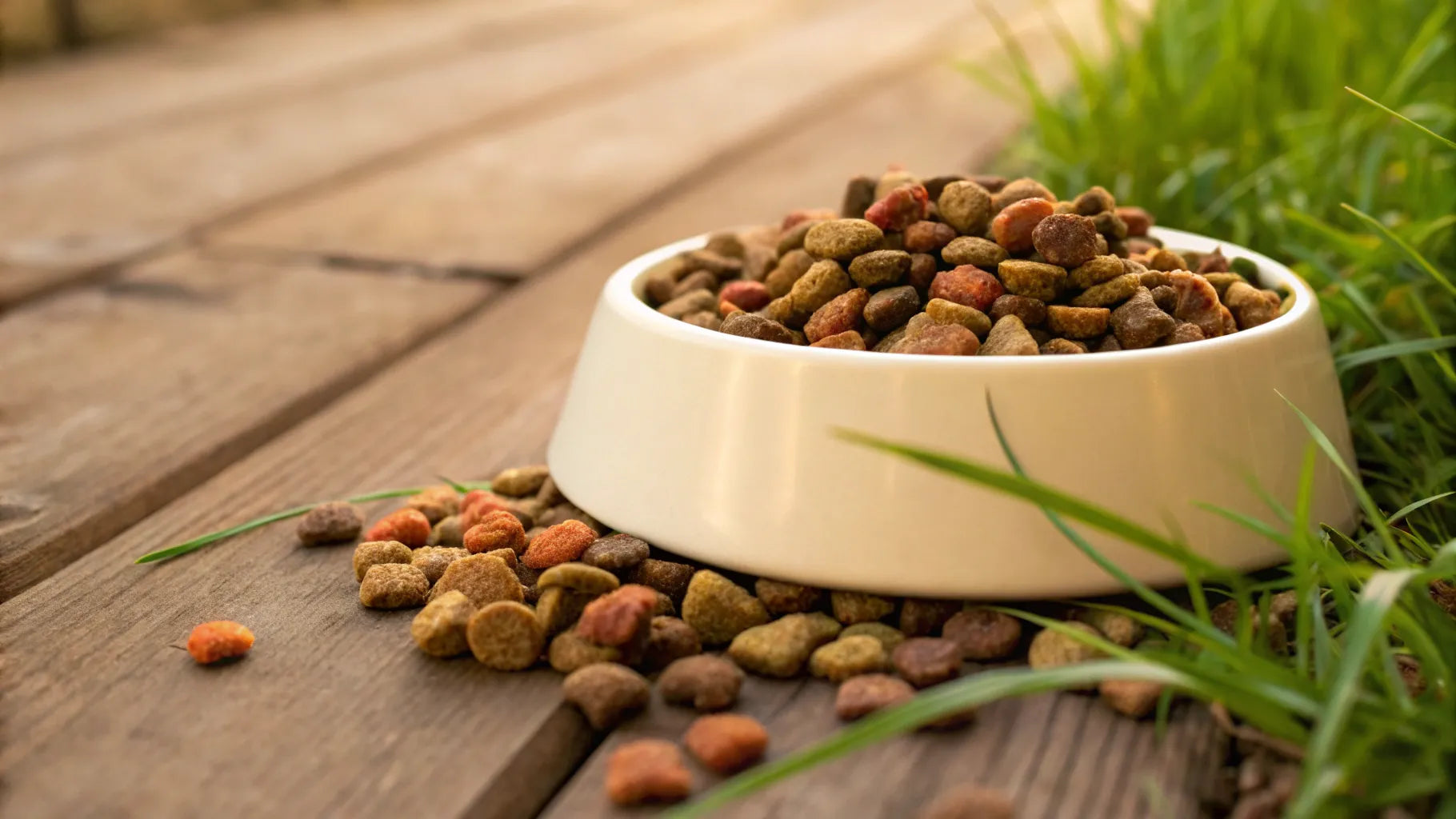
Credit: www.houndsy.com
Portion Sizes By Food Type
Knowing the right portion size for your 60 lb dog depends a lot on the type of food you choose. Different foods have varying calorie densities and water content, which affects how much your dog should eat each day. Let’s break down the portion sizes for dry kibble, wet food, and raw diets so you can feed your dog just the right amount.
Dry Kibble Portions
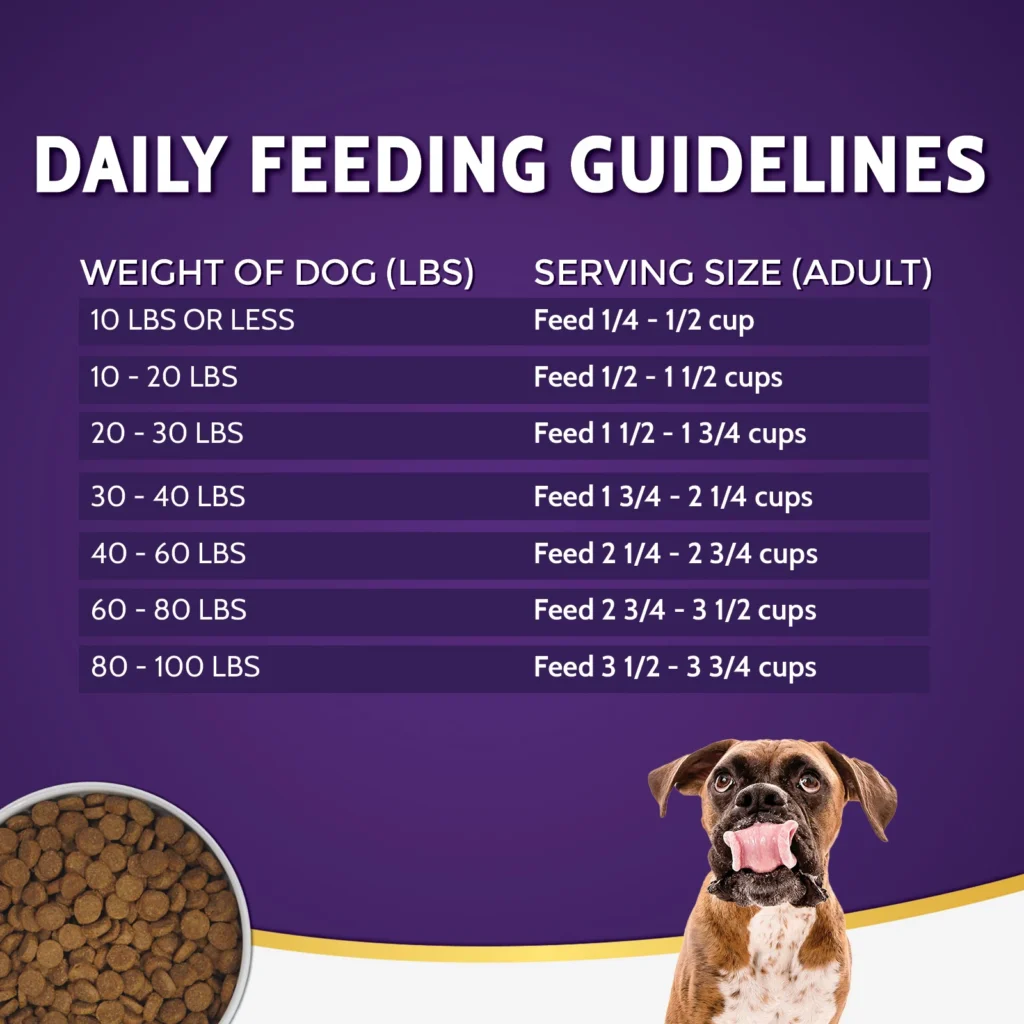
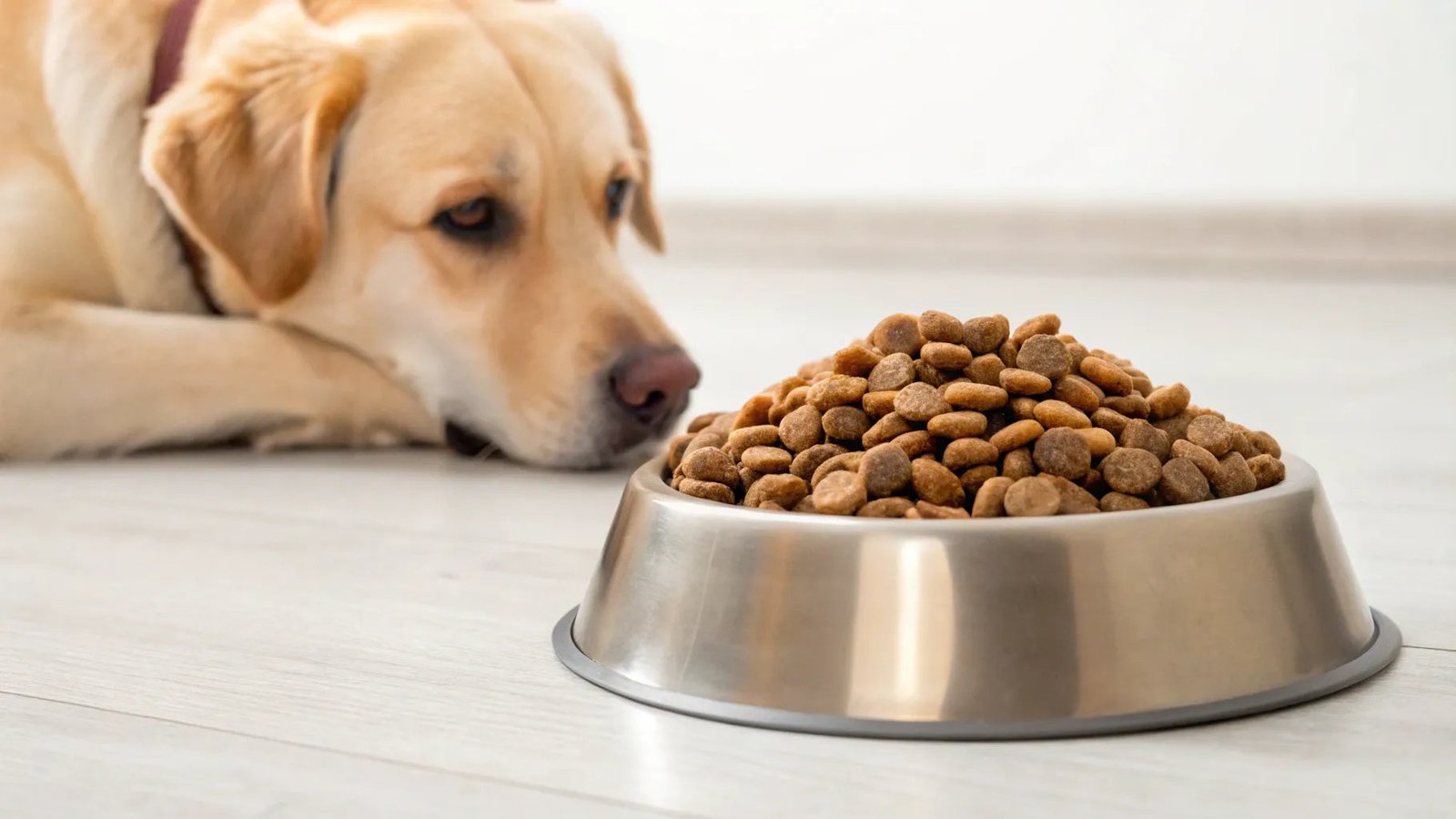
Dry kibble is the most common dog food, and it’s easy to measure. On average, a 60 lb dog needs about 2 to 3 cups of dry kibble daily, but this depends on the calorie content of the brand you use.
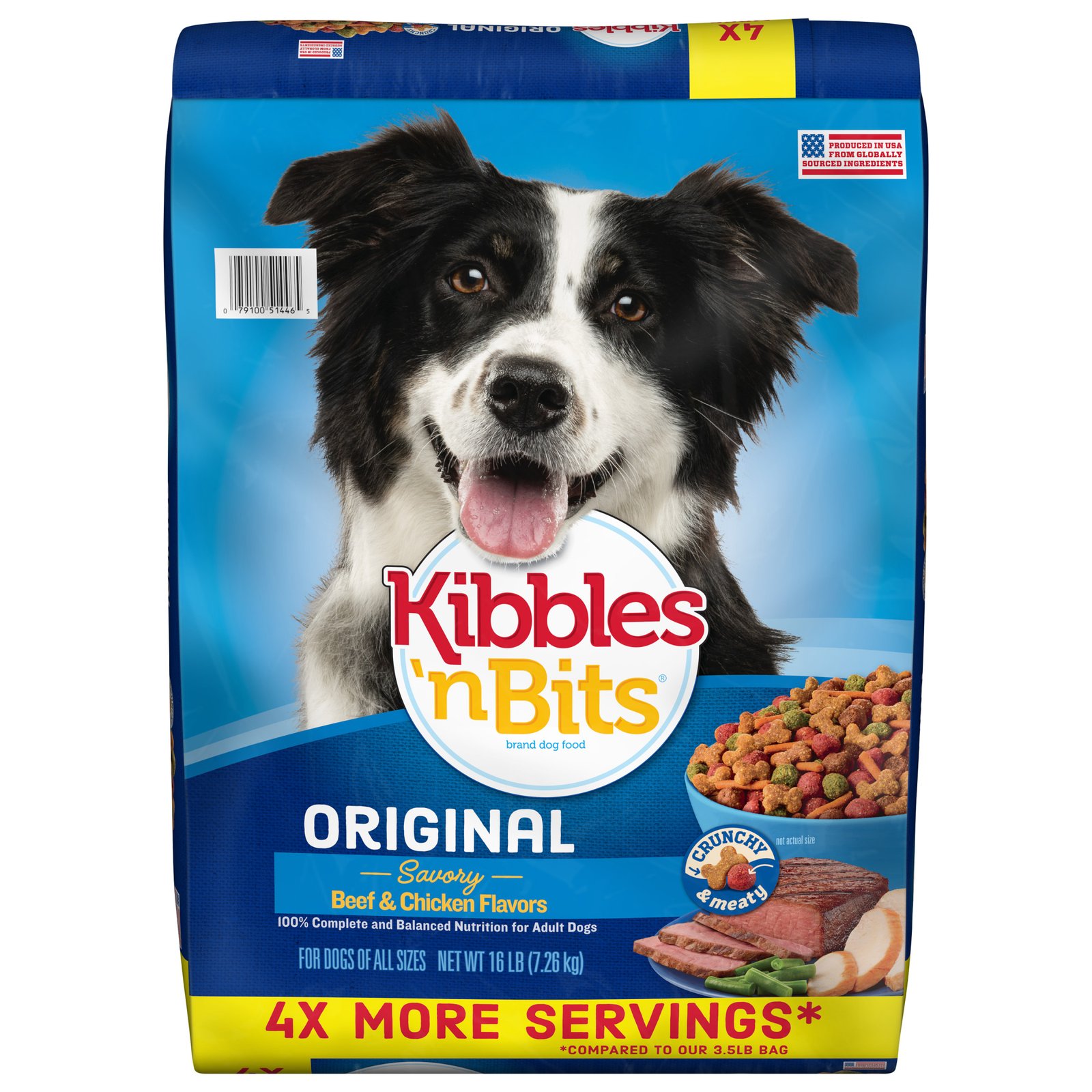
Check the packaging for feeding guidelines, but remember that activity level matters. If your dog is very active, you might need to add a little more. On the other hand, a less active dog may require less to avoid weight gain.
Wet Food Portions
Wet food contains more water, so your dog will need a larger volume compared to dry kibble. Typically, a 60 lb dog should eat around 3 to 4 cans (13 oz each) daily.
Since wet food is less calorie-dense, it’s important to monitor your dog’s weight closely. Adjust portions if you notice any changes in energy or body condition. Mixing wet food with kibble can be a tasty way to balance hydration and calories.
Raw Diet Portions
Raw diets usually consist of muscle meat, organs, and bones. For a 60 lb dog, the general rule is to feed about 2-3% of their body weight daily.
This means roughly 1.2 to 1.8 lbs of raw food each day. Portioning raw food requires careful balance to provide all necessary nutrients. Have you ever tried measuring your dog’s raw meals by weight instead of volume? It makes a noticeable difference in keeping portions accurate.
Feeding Frequency
Feeding frequency plays a key role in a 60 lb dog’s health and energy. It influences digestion, metabolism, and behavior. Setting a good feeding schedule helps maintain steady energy and avoid overeating. The right frequency varies with age and activity level. Adjusting meal times and portions ensures your dog stays fit and happy.
Puppy Vs Adult Feeding Schedules
Puppies need more frequent meals than adult dogs. Their bodies burn energy fast and require constant fuel. Most puppies eat three to four times a day. This supports growth and prevents low blood sugar.
Adult dogs usually eat twice daily. This helps control weight and supports digestion. Feeding twice a day creates a routine and reduces begging behaviors.
Adjusting Frequency For Activity Level
Active dogs may need extra meals or snacks to match their energy use. High-energy dogs burn calories faster and need more fuel. Less active dogs do better with smaller, less frequent meals to avoid weight gain.
Observe your dog’s behavior and weight. Adjust feeding times and amounts as needed to keep your dog healthy.

Credit: zignature.com
Special Considerations
Feeding a 60 lb dog isn't just about measuring out the right amount of food. Your dog's unique needs can change based on age, health, and lifestyle. Paying attention to these special considerations helps keep your furry friend healthy and happy for years to come.
Weight Management Tips
Keeping your 60 lb dog at a healthy weight is crucial. Overfeeding can lead to obesity, which puts extra strain on joints and organs. You should monitor your dog's weight regularly and adjust portions based on activity level.
Try dividing your dog’s daily food into smaller, more frequent meals. This can help control hunger and prevent overeating. Also, consider healthy treats like carrot sticks or green beans instead of high-calorie snacks.
Feeding For Senior Dogs
Older dogs often need fewer calories because they move less. Their metabolism slows down, so feeding them the same amount as when they were younger might cause weight gain. Look for senior-specific dog food that supports joint health and digestion.
Have you noticed your senior dog losing interest in food? Sometimes, smaller, softer meals or warming the food can make it more appealing. Regular vet checkups will help you tweak their diet as needed.
Addressing Health Conditions
If your dog has health issues like diabetes, allergies, or kidney problems, their diet needs careful adjustment. A vet can recommend special diets tailored to manage these conditions effectively.
For example, a dog with allergies might need limited-ingredient food, while one with kidney disease may require low-protein meals. Paying close attention to your dog's response to food changes is key to finding what works best.
Monitoring Your Dog’s Diet
Keeping a close eye on your 60 lb dog’s diet is key to maintaining their health and happiness. Every dog is unique, and their food needs can change based on activity, age, and metabolism. Monitoring their diet helps you spot problems early and adjust feeding amounts before issues arise.
Signs Of Overfeeding
Overfeeding can sneak up on you. Watch for a bloated belly or noticeable weight gain over a few weeks. Your dog may seem sluggish or reluctant to exercise, which is a clear warning sign.
Excessive begging or constant food-seeking behavior might also indicate you’re giving too many treats or meal portions. Keep an eye on how quickly your dog finishes meals—if they’re always eating too fast, it might mean you’re offering more than they need.
Signs Of Underfeeding
If your dog looks too thin or you can easily feel their ribs, underfeeding could be the issue. Lack of energy and a dull coat are other red flags. You might notice your dog seems constantly hungry or anxious around meal times.
It’s important not to confuse a healthy appetite with hunger caused by inadequate food. If you’re unsure, check the portion size against feeding guidelines on the dog food package or consult your vet.
Tracking Weight And Health
Regularly weighing your dog is one of the simplest ways to track their health. Use a consistent scale and weigh your dog at the same time of day, ideally once a week.
Keep a log of their weight, appetite, and energy levels. You might also want to take photos monthly to visually track any changes. This habit helps you notice trends before they become problems.
Have you tried adjusting your dog’s food based on their activity levels? Sharing your experience might help others find the right balance for their furry friends.
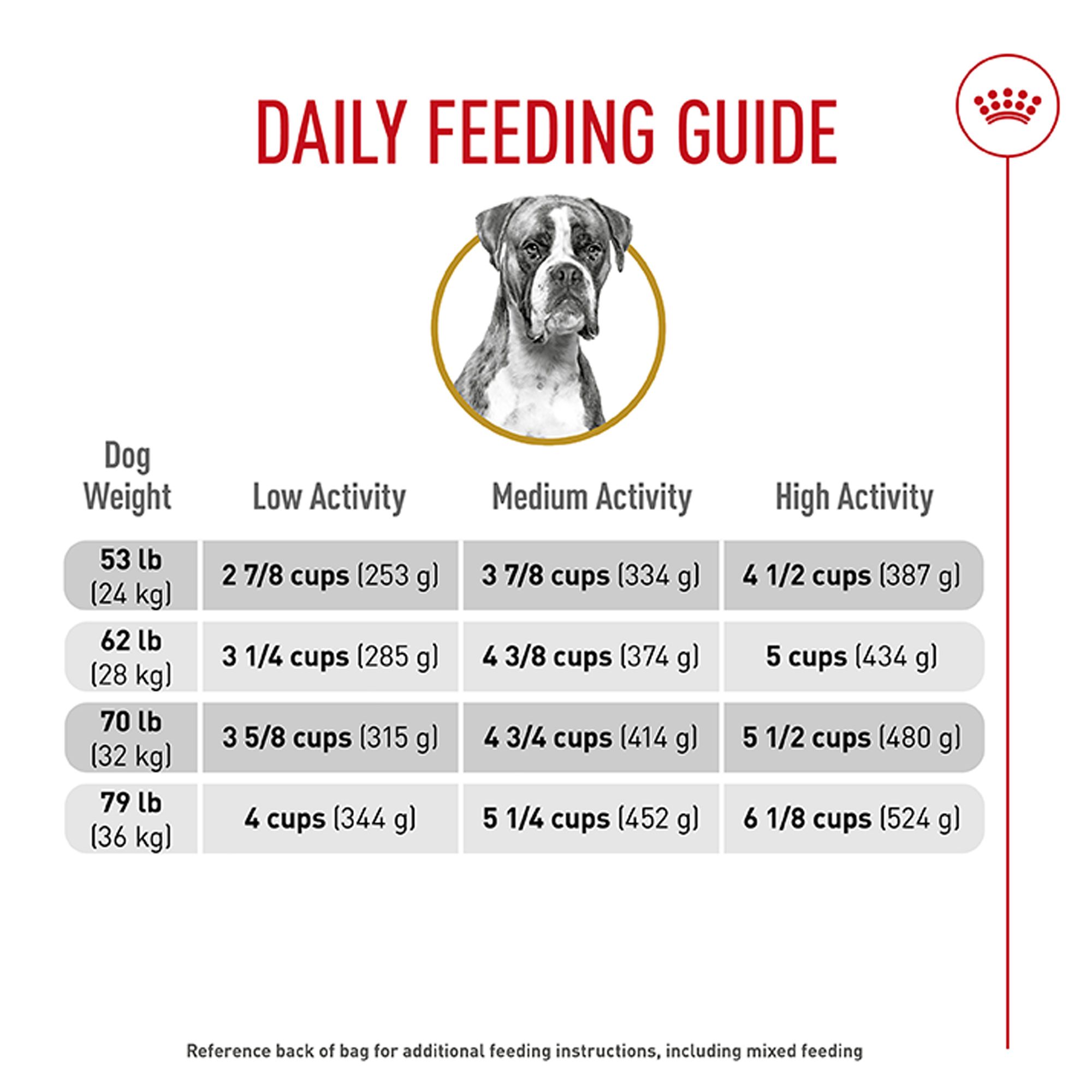
Credit: www.petsmart.com
Expert Feeding Tips
Feeding a 60 lb dog the right amount of food is key to its health and happiness. Experts recommend focusing on quality, balance, and portion control. Small changes can make a big difference in your dog’s energy and weight. Understanding how to choose food, use treats, and adjust meals over time helps you keep your pet fit and strong.
Choosing Quality Dog Food
Pick dog food with real meat as the first ingredient. Avoid fillers like corn or wheat. Look for formulas that meet AAFCO standards. These provide balanced nutrition for your dog’s size and age. Grain-free options suit some dogs but are not always necessary. Check labels for vitamins and minerals your dog needs.
Incorporating Treats Wisely
Treats should not exceed 10% of daily calories. Use them for training and rewards. Choose healthy treats like small pieces of cooked chicken or carrots. Avoid sugary or fatty snacks. Keep treats low in calories to prevent weight gain. Always adjust meal portions to account for treats given.
Adjusting Diet Over Time
Monitor your dog’s weight and energy regularly. Puppies, adults, and seniors have different needs. Increase food during growth or high activity. Reduce portions if your dog becomes less active. Consult a vet for special dietary needs or health issues. Regular adjustments keep your dog healthy and prevent obesity.
Frequently Asked Questions
How Many Cups Of Food For A 60 Lb Dog Daily?
A 60 lb dog typically needs 2. 5 to 3. 5 cups of dry food daily. This depends on the dog's age, activity level, and metabolism. Always check the dog food package for exact feeding guidelines and adjust portions if needed.
Should Feeding Amounts Vary By Dog’s Activity Level?
Yes, active dogs burn more calories and need more food. Less active or older dogs require fewer calories to maintain healthy weight. Always monitor your dog’s body condition and adjust feeding amounts accordingly.
What Type Of Food Is Best For A 60 Lb Dog?
High-quality, balanced dog food with proteins, fats, and essential nutrients is best. Choose food that matches your dog’s life stage and health needs. Consult your vet for personalized recommendations.
Can Overfeeding A 60 Lb Dog Cause Health Issues?
Yes, overfeeding can lead to obesity, joint problems, and diabetes. Maintaining proper portion sizes prevents these issues. Regular exercise and portion control are essential for your dog’s health.
Conclusion
Feeding a 60 lb dog the right amount keeps them healthy and happy. Check your dog’s activity level and age to adjust portions. Use the dog food package as a starting guide. Watch your dog’s weight regularly to avoid overfeeding.
Small changes help maintain a healthy diet. Trust your vet’s advice for specific needs. Feeding well supports a long, active life. Simple care makes a big difference every day.