Are you tired of your dog barking nonstop at every person who walks by? It can be frustrating and embarrassing, but the good news is you can teach your dog to stop.
Imagine having a calm, well-behaved dog that greets visitors quietly and lets you enjoy peaceful walks. You’ll discover simple, effective steps to train your dog to stop barking at people. Keep reading, and you’ll learn how to transform your dog’s behavior quickly and easily.
Credit: theonlinedogtrainer.com
Reasons Dogs Bark At People
Understanding why your dog barks at people is the first step to changing this behavior. Dogs communicate through barking, but not all barks mean the same thing. Recognizing the root cause helps you respond effectively and guide your dog toward calmer interactions.
Fear And Anxiety
Many dogs bark out of fear or anxiety when they encounter strangers. Your dog might see unfamiliar people as a threat and bark to protect themselves. Have you noticed your dog’s body language—tail tucked, ears back—when they start barking? This can be a clear sign of fear, not aggression.
Helping your dog feel safe and secure around new people reduces this type of barking. Gradual exposure and positive reinforcement can build their confidence over time.
Territorial Behavior
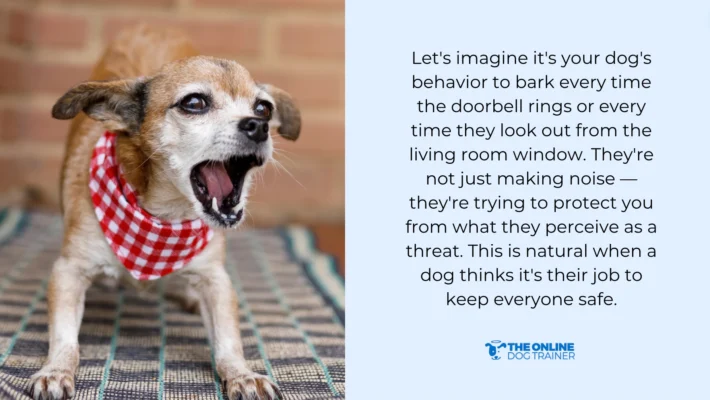
Dogs often bark at people because they want to protect their space. Your dog may see your yard or home as their territory and bark to warn intruders. This behavior is natural but can become a problem if your dog barks excessively.
Ask yourself: does your dog bark more at people approaching your home or in other places? Understanding this helps you set boundaries and train your dog to stay calm in their territory.
Attention Seeking
Sometimes, barking is your dog’s way of asking for your attention. If you react—whether by talking, petting, or even scolding—you might unintentionally encourage more barking. Dogs quickly learn that barking gets a response from you.
Try ignoring the barking and only rewarding quiet behavior. This teaches your dog that calmness earns your attention, not noise.
Boredom And Frustration
A bored dog has a lot of energy and no way to use it, which can lead to barking at people just to entertain themselves. If your dog isn’t getting enough exercise or mental stimulation, barking can become a way to release pent-up frustration.
Think about your dog’s daily routine. Are they getting enough playtime and challenges? Adding walks, games, or training sessions can reduce barking caused by boredom.
Recognizing Barking Triggers
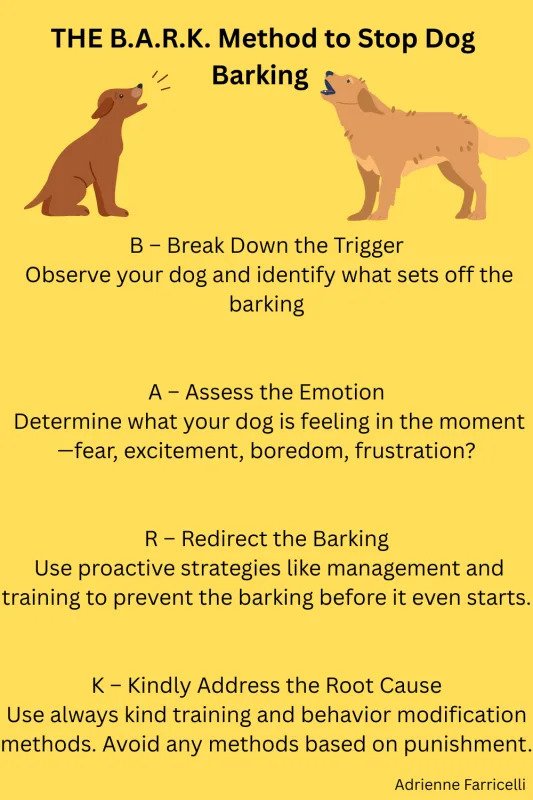
Recognizing what causes your dog to bark at people is key to stopping this behavior. Dogs bark for many reasons. Understanding these triggers helps you address the problem effectively. Observe your dog closely to find out what sets off the barking. Watch for patterns and specific cues. This insight guides your training approach and makes it more successful.
Identifying Specific Stimuli
Notice what your dog barks at most often. It could be strangers, delivery workers, or neighbors. Sometimes, sounds like doorbells or footsteps cause barking. Write down these triggers to keep track. This list helps you prepare and control situations better.
Observing Body Language
Body language shows how your dog feels before barking. Look for signs like raised hackles, stiff posture, or growling. Tail position also matters—high and wagging or low and tucked. These clues reveal if your dog is scared, excited, or alert. Recognizing emotions helps you respond calmly and effectively.
Tracking Barking Patterns
Keep a daily log of when and where barking happens. Note time of day, location, and who or what is nearby. See if barking happens more at certain times or places. Patterns help you predict and manage triggers. This record supports consistent and focused training efforts.
Basic Training Foundations
Building a strong foundation in basic training is essential if you want to stop your dog from barking at people. Without clear commands and focused attention, your dog may get confused or frustrated. Establishing these basics creates a clear communication line between you and your dog, making it easier to manage unwanted barking.
Establishing Commands
Start with simple, clear commands like "sit," "stay," and "quiet." Consistency is key—use the same words and tone every time. Your dog needs to understand what each command means before you expect them to respond reliably.
Try practicing commands in a quiet environment first, then gradually add distractions. This helps your dog learn to obey even when things get exciting or stressful.
Building Focus And Obedience
Focus is the foundation of obedience. Teach your dog to look at you on command by holding a treat near your eyes and saying "look." Reward your dog when they make eye contact.
Short, frequent training sessions work best. Dogs have limited attention spans, so five-minute sessions multiple times a day keep them engaged without overwhelming them.
Ask yourself: Is your dog distracted easily? If so, it’s a sign you need to build focus before tackling barking issues.
Positive Reinforcement Techniques
Reward good behavior immediately. Use treats, praise, or playtime to encourage quiet moments when your dog sees people but doesn’t bark. Timing is everything—rewards should come right after the desired behavior.
Avoid punishing your dog for barking, as this can increase anxiety and make the problem worse. Instead, focus on rewarding calm behavior and redirecting their attention.
Think about what motivates your dog most. Is it food, toys, or affection? Use this to your advantage to reinforce positive habits effectively.

Credit: www.youtube.com
Techniques To Reduce Barking
Reducing your dog’s barking at people takes patience and consistent effort. The right techniques can calm your dog’s instinct to bark and help them feel more secure. You’ll find that clear commands, gradual exposure, and smart distractions work together to create lasting change.
Using The 'quiet' Command
Teaching your dog the 'quiet' command lets you control barking with a simple word. Start by letting your dog bark a few times, then calmly say "quiet" and reward silence with a treat. Repeat this often, so your dog learns that quiet moments bring positive attention.
Try practicing in different places with different distractions. The more your dog connects "quiet" with stopping barking, the stronger the command becomes. Have you noticed how dogs respond faster when rewards come immediately after the command?
Desensitization And Counter-conditioning
Desensitization helps your dog get used to seeing people without reacting loudly. Begin at a distance where your dog notices people but doesn’t bark. Gradually move closer over several sessions, rewarding calm behavior.
Counter-conditioning changes your dog’s emotional response. Pair the sight of people with something your dog loves, like treats or toys. This shifts their feeling from excitement or fear to something positive, reducing the urge to bark.
Redirecting Attention
Redirecting your dog’s focus can stop barking before it starts. When you see your dog preparing to bark, call their name or offer a favorite toy. This breaks their concentration on the passerby and shifts it to you.
Consistency is key. Use the same cue or object every time so your dog learns to look to you instead of barking. What do you think your dog’s favorite distraction might be during these moments?
Managing The Environment
Control what your dog can see and hear to reduce triggers for barking. Close curtains or use baby gates to limit access to windows or doors where people pass by. This helps your dog stay calm by removing constant triggers.
Walk your dog during quieter times or choose routes with fewer people to avoid overwhelming your dog. Changing the environment can prevent many barking episodes before they start. How might your dog's environment be adjusted to support their calm behavior?
Tools And Aids For Bark Control
Controlling your dog's barking, especially when it’s directed at people, often requires more than just patience and verbal commands. Using the right tools and aids can make a big difference in training effectiveness. These devices help communicate to your dog when barking is unwanted, making your training clearer and more consistent.
Clickers And Treats
Clickers paired with treats are powerful tools for teaching your dog to stop barking. The click sound marks the exact moment your dog behaves well, followed immediately by a tasty reward.
This clear signal helps your dog understand what behavior you want. Have you noticed how quickly your dog learns when you reward the right action right away? Consistency here is key.
Anti-bark Collars
Anti-bark collars come in several types: vibration, citronella spray, and mild static correction. These collars provide immediate feedback when your dog barks, interrupting the behavior.
Choosing the right type depends on your dog’s size and sensitivity. Always use these collars responsibly, and combine them with positive reinforcement to avoid fear or anxiety.
Noise Makers
Noise makers, like ultrasonic devices or handheld noisemakers, produce a sound that distracts your dog when barking starts. They don’t hurt your dog but capture their attention away from the trigger.
Have you tried using a sudden, non-threatening noise to break your dog's focus? It can be surprisingly effective when timed right. Use noise makers as part of a broader training plan to help your dog learn quieter behavior.
Consistency And Patience In Training
Training your dog to stop barking at people requires more than just quick fixes. It demands consistency and patience. Without these two, even the best techniques may fail to bring lasting results.
Setting Realistic Goals
Start by defining what success looks like for you and your dog. Is it complete silence when strangers pass by, or just a reduction in barking frequency? Setting clear, achievable goals helps you stay motivated and track progress effectively.
Remember, your dog won’t change overnight. If your dog barks less each day or stops barking in certain situations, that’s a win. Adjust your goals as you notice improvements to keep pushing forward without feeling frustrated.
Maintaining Regular Practice
Consistency means practicing every day, even when you don’t feel like it. Short, frequent training sessions work better than long, irregular ones. Aim for 5 to 10 minutes multiple times a day to keep your dog engaged without overwhelming them.
Keep the same commands and rewards each time you train. This helps your dog understand what you expect. Skipping days or changing instructions can confuse your dog and slow down progress.
Monitoring Progress
Keep a simple log of your dog’s barking behavior. Note when and where barking happens and how your dog responds to training. This record will show you what’s working and what needs adjustment.
Celebrate small improvements like fewer barks or quicker calming down. If progress stalls, ask yourself if you’ve been consistent or patient enough. Sometimes, a minor tweak in approach makes a big difference.
When To Seek Professional Help
Training your dog to stop barking at people can be rewarding, but sometimes, despite your best efforts, progress stalls. Knowing when to seek professional help is crucial to avoid frustration and ensure your dog’s behavior improves safely and effectively. Recognizing the right moment to bring in an expert can save you time and help your dog thrive.
Signs Training Isn’t Working
You’ve tried consistent commands, rewards, and distractions, but your dog still barks excessively at strangers. Does your dog’s barking escalate to growling, lunging, or showing signs of fear? These behaviors suggest that the issue may be deeper than simple attention-seeking or excitement.
If weeks of training show no improvement, or if your dog’s behavior worsens, it’s time to reconsider your approach. Are you feeling overwhelmed or unsure how to handle your dog’s reactions? Persistent barking that disrupts your daily life or causes stress for your family is a clear indicator professional help is needed.
Choosing A Trainer Or Behaviorist
Finding the right expert makes a huge difference. Look for someone who specializes in positive reinforcement and understands your dog’s specific breed and temperament. Avoid trainers who rely on punishment-based methods, as these can increase anxiety and aggression.
Ask about their experience with barking issues and whether they offer personalized plans. A qualified behaviorist can identify underlying causes like fear or territorial instincts and tailor a strategy accordingly. Don’t hesitate to request references or read reviews from other dog owners.
Therapeutic Options
In some cases, therapy can complement training. Anti-anxiety medications or calming supplements might help dogs who bark due to stress or fear. A veterinarian or behaviorist can guide you on safe and effective options.
Behavioral therapy, such as desensitization and counter-conditioning, can retrain your dog’s emotional response to people. These approaches take time but can lead to lasting change. Have you considered how a combination of therapy and training could transform your dog’s behavior?
Credit: theonlinedogtrainer.com
Frequently Asked Questions
How Can I Stop My Dog Barking At Strangers?
Consistently train your dog to associate strangers with positive experiences. Use treats and praise when the dog stays calm near new people. Gradually expose your dog to strangers in controlled settings to reduce barking over time.
What Are The Best Commands To Control Barking?
Teach commands like “quiet” or “enough” using positive reinforcement. Reward your dog immediately after they stop barking on command. Consistent practice helps your dog understand when to stop barking.
Why Does My Dog Bark Excessively At Visitors?
Dogs bark at visitors due to excitement, fear, or territorial instincts. Identifying the cause helps tailor training to reduce barking. Providing calm introductions and controlled exposure can minimize excessive barking.
How Long Does It Take To Train A Dog To Stop Barking?
Training duration varies by dog and consistency. Most dogs show improvement within a few weeks with daily practice. Patience and regular training sessions are essential for lasting results.
Conclusion
Training a dog to stop barking takes patience and consistency. Use positive reinforcement to encourage good behavior. Stay calm and confident during training sessions. Understand why your dog barks and address those triggers. Practice regularly to help your dog learn faster.
Reward silence with treats or praise. Gradually introduce your dog to social situations. This builds their confidence around people. Remember, every dog learns at its own pace. Be patient and persistent, and you'll see progress. A well-trained dog is a happier companion for everyone.