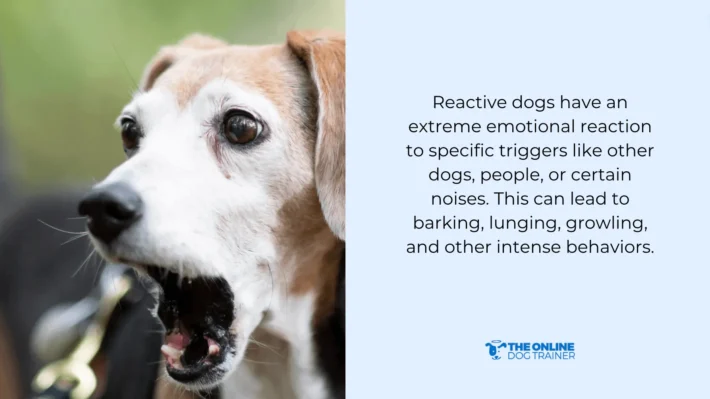
Is your dog barking nonstop, making walks and quiet moments stressful? You’re not alone, and the good news is you can change this.
Training a reactive dog not to bark is possible, and it starts with understanding why your dog reacts this way. Imagine peaceful walks, calm visits, and a happier connection with your furry friend. You’ll discover simple, effective steps to help your dog stay calm and quiet, even in the most triggering situations.
Keep reading, because the key to a calmer dog is easier than you think.
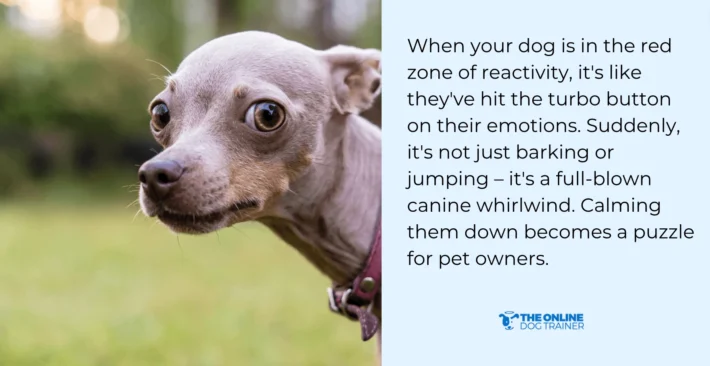
Credit: theonlinedogtrainer.com
Reasons For Barking
Understanding why your dog barks is the first step to managing their reactive behavior. Barking is a natural way for dogs to communicate, but it can become a problem when it’s constant or triggered by specific situations. Identifying the root cause helps you tailor your training approach effectively.
Common Triggers
Dogs often bark at things that catch their attention suddenly or repeatedly. This could be people walking by your house, other dogs, loud noises, or unfamiliar objects. Have you noticed your dog barking more when the mail carrier arrives or when a stranger approaches the door? Recognizing these triggers helps you prepare and control the environment better.
Stress And Anxiety
Stress and anxiety can cause your dog to bark excessively. Changes in routine, loud thunderstorms, or being left alone for long periods can make your dog feel unsettled. If your dog barks more during these times, it’s a sign they might need extra comfort or calming techniques to feel secure.
Territorial Behavior
Many dogs bark to protect their space. This territorial barking is your dog’s way of warning intruders or unfamiliar visitors to stay away. It can be tricky because your dog believes it’s doing the right thing, but constant barking can be frustrating. Have you caught your dog guarding the yard or barking at neighbors? Recognizing this can help you redirect their energy into more positive behaviors.
Recognizing Reactive Signs
Understanding the signs your dog shows before they bark reactively can change how you handle those moments. Recognizing these signals early lets you intervene calmly and effectively, preventing escalation. It also builds a stronger bond with your dog, as you respond to their needs before frustration takes over.
Body Language Cues
Your dog’s body tells a story long before a bark erupts. Watch for stiff posture or raised hackles—that’s a clear sign your dog is on alert. Ears pinned back or a fixed, intense stare often mean your dog feels threatened or uneasy.
Tail position can say a lot too. A rigid, high tail might indicate excitement or agitation, while a tucked tail shows fear. Notice if your dog’s lips are pulled back tightly or if they’re showing teeth; these are warnings that a bark or growl might come next.
Early Warning Signals
Sometimes, your dog gives subtle hints before the barking starts. You might see quick, shallow breaths or hear soft whines. These early signals show your dog is overwhelmed or anxious.
Scratching at the door, pacing, or sudden attention shifts can also be red flags. Have you ever noticed your dog’s behavior change seconds before they bark? Catching these early signs helps you step in with a command or distraction before the reactive barking begins.
Creating A Calm Environment
Creating a calm environment helps reduce your dog's urge to bark. A peaceful space lowers stress and keeps your dog relaxed. Calm surroundings make training more effective. It also helps your dog feel safe and secure.
Safe Spaces At Home
Provide a quiet spot where your dog can rest. Use a cozy bed or crate in a low-traffic area. This safe space should be familiar and comforting. Add favorite toys or blankets for extra comfort. Encourage your dog to use this area when upset. It becomes a refuge during noisy or busy times.
Reducing External Stimuli
Limit sights and sounds that trigger barking. Close curtains or blinds to block outside movement. Use white noise machines or soft music to mask loud noises. Keep windows and doors closed to reduce street sounds. Avoid sudden changes that may startle your dog. A steady, calm environment helps your dog stay calm too.
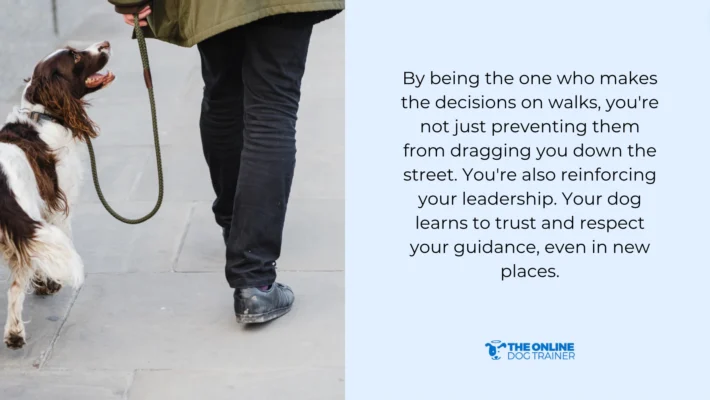
Credit: theonlinedogtrainer.com
Calm Training Techniques
Calm training techniques help reduce a dog's reactive barking by teaching control and relaxation. These methods focus on positive experiences and gentle guidance. They build trust and help your dog feel safe around triggers.
Positive Reinforcement
Positive reinforcement rewards your dog for quiet and calm behavior. Use treats, praise, or toys to encourage good habits. This approach makes your dog want to stay calm. Rewards must come immediately after the desired behavior. Consistency is key for lasting results.
Desensitization Exercises
Desensitization means slowly exposing your dog to triggers at a low level. Start with a distance or soft version of the trigger. Gradually increase the intensity as your dog stays calm. This helps your dog get used to triggers without feeling scared or upset. Patience is important throughout this process.
Counter-conditioning
Counter-conditioning changes your dog’s emotional response to triggers. Pair the trigger with something positive like treats or play. Over time, your dog begins to see triggers as good things. This reduces fear and reactivity. Keep training sessions short and fun for better learning.
Managing Barking Episodes
Managing barking episodes in reactive dogs requires calm and clear actions. Barking often comes from fear, frustration, or excitement. Handling these moments well helps your dog learn better behavior. Patience and consistency are key. The goal is to reduce barking while keeping your dog safe and relaxed.
Interrupting And Redirecting
Interrupt barking early before it escalates. Use a gentle noise like a clap or say "Hey" firmly. Avoid yelling, which can increase stress. After interrupting, redirect your dog's attention to a positive activity.
- Offer a favorite toy for chewing or playing.
- Ask for a simple command like "sit" or "look."
- Use treats to focus your dog on you.
Redirecting changes the dog's focus and breaks the barking cycle. Repeat this consistently to build new habits.
Using Commands Effectively
Choose clear, simple commands like "quiet" or "enough." Teach these commands during calm moments. Reward your dog immediately when they stop barking on command.
- Say the command once, in a calm voice.
- Wait a few seconds for the dog to respond.
- Give praise or a treat as soon as barking stops.
Practice commands regularly in different situations. This helps your dog understand and obey better. Over time, your dog will learn to control barking on your cue.
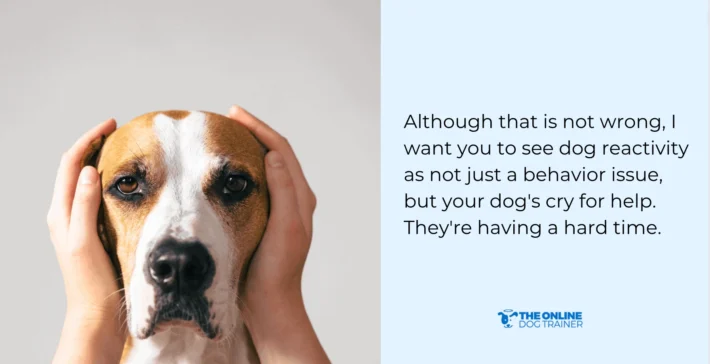
Credit: theonlinedogtrainer.com
Exercise And Mental Stimulation
Exercise and mental stimulation play key roles in managing a reactive dog’s barking. A tired dog barks less. Physical activity helps release energy that might cause overreactions. Mental tasks keep the dog’s mind busy and focused. Combining both reduces stress and improves behavior.
Physical Activities
Regular walks help your dog burn energy and stay calm. Running or playing fetch provides vigorous exercise that lowers anxiety. Agility training challenges your dog’s body and mind. Swimming offers a low-impact workout suitable for many dogs. Try to vary activities to prevent boredom and keep your dog interested.
- Take daily walks in different places
- Play fetch or tug-of-war games
- Set up simple agility courses
- Use safe swimming spots for exercise
Puzzle Toys And Games
Puzzle toys stimulate your dog’s thinking and focus. These toys require problem-solving to reach treats. Food-dispensing puzzles slow down eating and add mental challenge. Hide-and-seek games sharpen your dog’s attention and obedience. Rotating toys keeps your dog curious and engaged.
- Use treat-dispensing balls or cubes
- Introduce interactive puzzle feeders
- Play hiding games with toys or treats
- Change toys regularly to maintain interest
Consistency And Patience
Training a reactive dog not to bark requires consistency and patience. Dogs learn best when signals and routines stay the same. Sudden changes can confuse your dog and slow progress.
Patience is key because behavior changes take time. Reactivity is often deep-rooted and won't vanish overnight. Keeping calm and steady helps your dog feel safe and ready to learn.
Setting Realistic Goals
Set small, clear goals for each training session. For example:
- Reduce barking during a walk by 50%
- Stay calm when another dog passes by
- Respond quietly to a trigger
Realistic goals prevent frustration for both you and your dog. Celebrate small wins to keep motivation high.
Tracking Progress
Write down your dog’s behavior changes daily. Note what triggers barking and how your dog reacts.
Use a simple chart or notebook to track progress. This helps spot patterns and adjust training steps.
Tracking shows improvement, even when it feels slow. It keeps you focused and consistent over time.
When To Seek Professional Help
Knowing when to seek professional help is crucial when training a reactive dog not to bark. Some situations go beyond basic training and require expert intervention to avoid worsening the behavior. Recognizing these signs early can save you and your dog from frustration and stress.
Behaviorists And Trainers
Certified behaviorists and experienced dog trainers specialize in reactive behaviors. They can identify triggers that you might miss and tailor a training plan specifically for your dog’s needs. If your dog’s barking is aggressive, constant, or uncontrollable despite your efforts, a professional’s guidance can make a big difference.
Look for trainers who use positive reinforcement and gentle techniques. This approach builds trust and encourages lasting change without fear or punishment. You might be surprised how much a skilled trainer can teach you about reading your dog’s body language and adjusting your responses.
Medical Considerations
Sometimes, excessive barking stems from health issues rather than behavioral problems. Ear infections, pain, or cognitive decline can cause a dog to react more loudly or frequently. If your dog suddenly starts barking more or shows other signs like lethargy or loss of appetite, a vet checkup is essential.
Ignoring medical causes can make training ineffective and even harmful. Always rule out physical problems before focusing solely on behavior. Have you noticed your dog barking at unusual times or in unusual ways? That might be a signal that professional medical advice is needed.
Frequently Asked Questions
How Can I Stop My Dog From Barking?
To stop your dog from barking, identify the triggers first. Use positive reinforcement by rewarding quiet behavior. Consistent training and patience are key. Avoid yelling, as it may increase anxiety. Consider professional help if necessary.
What Are The Common Triggers For Reactive Barking?
Common triggers for reactive barking include unfamiliar people, other dogs, and sudden noises. Dogs may also react to specific environments or situations. Observing your dog's behavior helps identify and address these triggers effectively.
Is Professional Training Necessary For Reactive Dogs?
Professional training can be beneficial for reactive dogs. Expert guidance helps in understanding and addressing specific behavioral issues. Trainers offer customized strategies and techniques. However, with dedication, some owners can successfully train their dogs independently.
Are There Specific Tools To Help With Reactive Barking?
Yes, tools like head collars, harnesses, and clickers can aid training. These tools help in managing and redirecting behavior. Consult a professional to ensure proper use. Remember, tools should complement consistent training and not replace it.
Conclusion
Training a reactive dog not to bark takes time and patience. Consistent practice helps your dog learn calm behavior. Reward quiet moments to encourage good habits. Keep training sessions short and positive to maintain focus. Remember, every dog learns at their own pace.
Stay calm and confident during training. With steady effort, barking will reduce over time. Your bond with your dog will grow stronger too. Small steps lead to big progress. Keep going—you and your dog can succeed together.