If your dog is struggling with back pain, you know how hard it can be to help them move around comfortably. Carrying your dog the right way is more important than you might think.
Doing it incorrectly could make their pain worse or cause new injuries. You want to support your furry friend without causing them extra discomfort. You’ll discover simple, effective ways to carry your dog safely and gently. By learning these techniques, you’ll give your dog the care they need and the comfort they deserve.
Keep reading to find out how you can make every lift and carry easier for both you and your dog.

Credit: www.amazon.co.uk
Signs Of Back Pain In Dogs
Recognizing the signs of back pain in dogs is crucial for providing the right care and support. Dogs can't tell us when they're hurting, so it’s up to you to notice subtle changes in their behavior and movement. Paying attention early can prevent further injury and make carrying your dog safer and more comfortable for both of you.
Common Symptoms To Watch For
- Reluctance to move:Your dog may hesitate to jump, climb stairs, or even stand up.
- Stiffness and limping:Watch for unusual walking patterns or difficulty in turning.
- Whining or yelping:Vocal signs of discomfort, especially when touched or moved.
- Changes in posture:A hunched back or a tucked tail can signal pain.
- Decreased activity:Less interest in walks or playtime could mean your dog is hurting.
Once, I noticed my dog, Max, was reluctant to jump onto the couch—a usual spot he loved. At first, I thought he was just tired, but his slow movements and occasional whines made me suspect back pain. Paying attention to these signs helped me adjust how I carried him to avoid worsening his condition.
When To Seek Veterinary Help
Not every sign of discomfort requires a vet visit, but certain symptoms demand immediate attention. If your dog shows sudden weakness or paralysis in the hind legs, don’t wait. These could be signs of a serious spinal issue.
Other red flags include:
- Loss of bladder or bowel control
- Severe, persistent pain despite rest
- Visible deformity or swelling along the spine
Ask yourself: is your dog’s pain interfering with daily activities or worsening over time? If yes, a professional evaluation is essential. Early diagnosis can lead to effective treatment and better outcomes for your dog’s back health.

Credit: www.amazon.co.uk
Preparing To Carry Your Dog
Preparing to carry a dog with back pain requires careful attention. Proper preparation helps protect your dog's spine and muscles. It also ensures your safety while lifting and carrying. Taking time to assess and gather the right tools makes the process smooth and pain-free for your pet.
Assessing Your Dog’s Size And Condition
Start by checking your dog’s weight and size. Small dogs are easier to carry but still need support. Larger dogs require more help and may need two people. Notice how your dog moves and where the pain is. Watch for stiffness or difficulty standing. Understanding your dog's condition helps you plan the best way to carry them safely.
Choosing The Right Support Tools
Select tools that offer good support and comfort. A dog sling or harness can hold your dog securely. Look for soft, padded materials to avoid extra pressure. For bigger dogs, use a stretcher or a strong blanket. These tools keep your dog stable and reduce strain on their back. Always check that the tools fit well before lifting your dog.
Safe Carrying Techniques
Carrying a dog with back pain requires extra care to avoid worsening their condition. Using safe carrying techniques helps protect your pet’s spine and reduces their discomfort. These methods also keep you comfortable and prevent injury while providing support where your dog needs it most.
Proper Lifting Methods
Start by bending your knees, not your back. Squat down close to your dog, keeping your back straight to avoid strain. Place one hand under their chest and the other under their hindquarters to lift evenly.
Lift smoothly and slowly. Jerky movements can cause pain or stress to your dog’s back. If your dog feels heavy, ask someone to help rather than risking injury to yourself or your pet.
Have you noticed your dog flinching or shifting uncomfortably when lifted? This might signal you’re not supporting them correctly. Adjust your grip and posture to keep them stable and calm during lifting.
Supporting The Spine And Abdomen
Your dog’s spine needs steady support to avoid additional pain. Keep your hands positioned to cradle the chest and abdomen without squeezing. This balances their weight and prevents pressure on any single point.
Use a soft blanket or towel under your dog if you need extra cushioning. It helps distribute their weight more evenly and adds comfort. This small addition can make a big difference during transport.
Think about how you can keep your dog’s body aligned while carrying. Their back should stay straight, not bent or twisted. A gentle, firm hold that maintains natural posture offers the best protection for their spine.
Using Supportive Devices
Using supportive devices can make carrying a dog with back pain safer and more comfortable. These tools help reduce strain on your pet’s spine. They also give you better control and balance. Choosing the right device depends on your dog’s size and pain level. Proper use can improve your dog's mobility and ease their discomfort.
Harnesses Designed For Back Pain
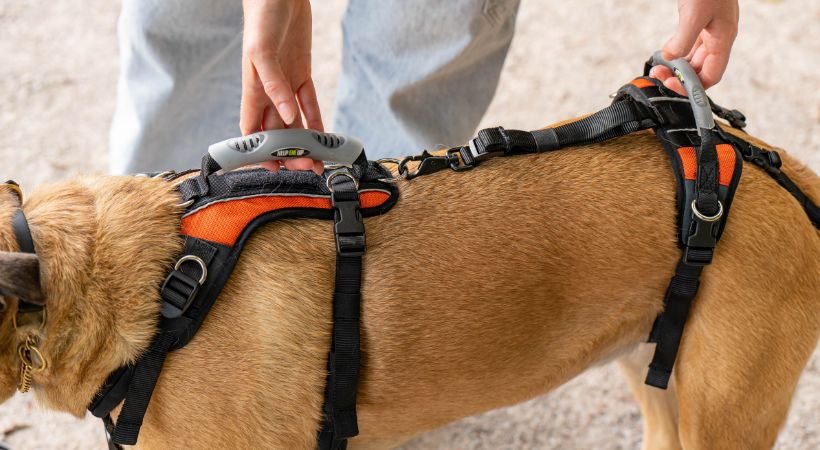
Harnesses built for dogs with back pain offer targeted support. They distribute weight evenly across the chest and shoulders. This prevents pressure on the spine and lower back. Many harnesses include padded straps to avoid chafing. Adjustable designs ensure a snug fit without tightness.
Look for features like:
- Strong handles for easy lifting
- Breathable materials for comfort
- Wide straps to spread pressure
- Durable buckles for safety
These harnesses help you lift your dog gently. They reduce risks of worsening back pain during movement.
Slings And Carriers For Extra Support
Slings and carriers offer extra support when carrying dogs with back pain. They cradle the dog’s body to limit twisting and jolts. Soft fabric slings wrap around the abdomen or chest. Carriers provide a firm base and sides for stability.
Benefits include:
- Hands-free carrying options
- Reduced pressure on the dog’s spine
- Comfortable, cushioned interiors
- Easy to put on and remove
Use slings or carriers to move your dog short distances. They help protect fragile back muscles and bones.
Tips For Comfortable Transport
Transporting a dog with back pain requires extra care to ensure their comfort and safety. How you carry your dog can either ease their discomfort or worsen it. Here are practical tips to make the journey as gentle and soothing as possible for your furry friend.
Maintaining Calm And Comfort
Your dog senses your mood, so staying calm helps reduce their stress. Speak softly and use gentle, reassuring touches to soothe them before and during transport.
Use a soft blanket or a padded carrier to cushion their body. This support prevents additional pressure on their spine and makes them feel secure.
Try to keep your dog's position consistent. Avoid unnecessary shifting, which can cause anxiety and discomfort. Have you noticed how your pet relaxes when wrapped snugly in a favorite blanket?
Avoiding Jarring Movements
Sudden movements can aggravate your dog's back pain. Move slowly and steadily when lifting or carrying them to minimize jolts.
If you’re walking with your dog, choose smooth paths and avoid uneven terrain. Bumps and sudden stops can cause sharp pain.
Consider using a harness or support sling designed to distribute your dog’s weight evenly. This reduces strain on their back and helps you carry them with more control.

Credit: walkinpets.com
Post-carrying Care
After carefully carrying your dog with back pain, the care you provide immediately afterward is crucial. This time can greatly influence their comfort and recovery. Paying close attention to their condition and guiding gentle movement can make a significant difference.
Monitoring Your Dog’s Condition
Watch your dog closely for any signs of discomfort or worsening pain. Look for changes in their posture, limping, or reluctance to move. These subtle cues can tell you if they need extra rest or veterinary attention.
Keep a small journal or notes on their behavior after carrying sessions. This helps you track improvements or setbacks and adjust your care accordingly. Have you noticed your dog favoring one side more than usual?
Encouraging Gentle Movement
After carrying, encourage your dog to move gently to prevent stiffness. Short, slow walks or light stretching can keep their muscles active without strain. Avoid sudden or vigorous activity that might aggravate the injury.
Try simple activities like letting your dog sniff around on a leash or walk on soft grass. These gentle movements can boost circulation and reduce discomfort. How does your dog respond to slow movement after being carried?
Frequently Asked Questions
How Do I Safely Lift A Dog With Back Pain?
Support your dog’s chest and hips firmly when lifting. Avoid sudden movements and keep the dog close to your body. Use both hands and lift smoothly to prevent strain on their back.
What Is The Best Way To Carry A Large Dog With Back Pain?
Use a dog sling or harness designed for support. If needed, enlist help to distribute weight evenly. Always avoid lifting by limbs or dragging to prevent further injury.
Can Carrying A Dog Worsen Their Back Pain?
Yes, improper carrying can increase pain or cause injury. Always support the dog's spine and avoid pressure on the painful areas. Consult your vet for the safest carrying techniques.
Should I Use Any Special Equipment For Carrying Dogs With Back Pain?
Yes, use supportive harnesses or slings recommended by vets. These devices reduce strain and improve comfort during transport. Avoid collars or makeshift carriers that can cause harm.
Conclusion
Caring for a dog with back pain requires patience and understanding. Always support their body well. Use a harness to lift them safely. Avoid sudden movements to prevent further injury. Consult a vet for the best care strategies. A supportive bed can improve their comfort.
Regular check-ups help monitor their condition. Remember, gentle handling shows your love and care. Ensuring their safety is a top priority. Every small action makes a big difference. Stay calm and attentive to their needs. Your efforts will help them feel better.