Imagine walking into your living room and seeing your dog happily tidying up their own toys. No more stepping on squeaky balls or searching for that missing chew toy under the couch.
Teaching your dog to put toys away isn’t just a neat trick—it’s a game-changer for your home’s order and your peace of mind. You might think it’s too tricky or that dogs can’t learn this kind of task, but with the right approach, your furry friend can become a little helper in no time.
Ready to discover how to make this happen? Keep reading, because you’re about to unlock a simple, effective way to turn playtime into cleanup time—without stress or frustration.

Credit: www.ellevetsciences.com
Benefits Of Toy Cleanup
Teaching your dog to put toys away offers more than just a neat home. It builds good habits and improves your dog's behavior. This simple task brings many benefits for both you and your pet.
Enhances Dog's Discipline
Cleaning up toys trains your dog to follow commands. It encourages focus and patience during training. Your dog learns to listen and obey quickly. This builds a strong foundation for other behaviors.
Keeps Living Space Tidy
Toys scattered around can cause clutter and trips. Teaching your dog to tidy up reduces mess in your home. It creates a safer and cleaner environment for everyone. You spend less time cleaning and more time relaxing.
Strengthens Owner-pet Bond
Working together on toy cleanup improves trust. Your dog enjoys the attention and praise from you. This shared activity makes your relationship stronger. It creates happy moments and mutual respect.
Choosing The Right Toys
Choosing the right toys is essential when teaching your dog to put toys away. The toys you pick can either make the training easier or turn it into a frustrating experience. Focus on toys that encourage play and are safe for your furry friend to handle during clean-up time.
Select Safe And Durable Toys
Always choose toys made from non-toxic materials that won’t break into small, dangerous pieces. Durable toys survive rough play and last longer, so your dog stays interested in them. I once picked a cheap squeaky toy that fell apart in minutes, causing my dog to lose interest quickly – don’t let that happen to you.
Limit Number Of Toys
Too many toys can overwhelm your dog and make putting them away confusing. Keep a small selection available during training sessions to help your dog focus on the task. You can rotate toys regularly to keep the experience fresh without cluttering the space.
Use Toys Your Dog Loves
Pick toys your dog naturally enjoys to motivate them to participate in the clean-up process. If your dog loves a particular ball or chew toy, include those in the training. This connection turns toy clean-up into a fun activity rather than a chore.
Setting Up A Toy Storage Spot
Setting up a dedicated spot for your dog’s toys is the foundation of teaching them to put their toys away. It creates a clear, consistent target for your dog to aim for. Without a specific place, your dog might get confused about where to drop the toys, which can slow down the learning process.
Pick An Accessible Container
Choose a container that your dog can easily reach and interact with. If the box is too high or too heavy, your dog may get frustrated and give up. Open-top bins, baskets, or even a sturdy laundry basket work well.
Think about the size too. It should be large enough to hold most of your dog’s favorite toys but not so big that toys get lost inside. A container with bright colors or fun patterns might even attract your dog’s attention more, encouraging participation.
Designate A Consistent Location
Pick one spot in your home for the toy container and always keep it there. Dogs thrive on routine, so changing the location confuses them. Whether it’s near their bed, by the door, or in the living room corner, consistency matters.
Have you noticed how your dog remembers where the food bowl is without you reminding them? The same principle applies here. When the spot is consistent, your dog learns faster and builds the habit more easily.
Training Steps For Toy Cleanup
Teaching your dog to clean up their toys is more than a neat trick—it’s a way to keep your home tidy and build good habits. The process requires patience and clear communication. You’ll guide your dog step-by-step, making it a fun learning experience for both of you.
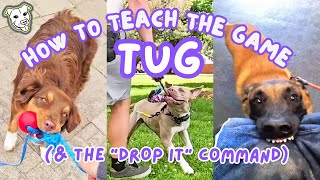
Teach The ‘drop It’ Command
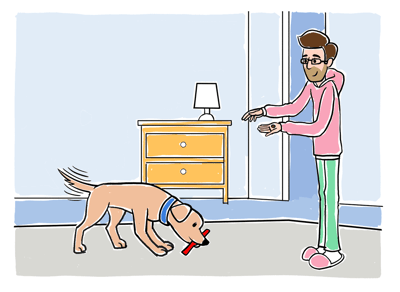
Start by helping your dog understand the idea of letting go. Use a favorite toy and encourage them to hold it for a moment. Then, say “Drop it” in a calm, firm voice and offer a treat as soon as they release the toy.
This simple command is the foundation for toy cleanup. Without it, your dog won’t know when to give up their toy to put it away. Practice this often in short sessions to keep your dog engaged without getting bored.
Introduce The ‘put Away’ Cue
Once your dog reliably drops the toy, it’s time to teach where the toy belongs. Stand near the toy box or basket and say “Put away” as you point or guide your dog toward it. You might need to gently take their paw or nose to the basket at first.
Be patient—your dog is learning a new job. Repeating this step helps them connect the action with the cue. Soon, they’ll start bringing toys to the box without prompting.
Reward Positive Behavior
Positive reinforcement is key. Every time your dog successfully drops a toy in the right spot, praise them enthusiastically and offer a treat. This makes the cleanup feel like a game with a reward at the end.
Think about what motivates your dog most—treats, toys, or affection—and use that as a reward. Consistency is important here; don’t skip the praise or treats when they get it right, even if it’s just a small step forward.
Using Positive Reinforcement
Using positive reinforcement is one of the most effective ways to teach your dog to put toys away. It motivates your dog by rewarding good behavior, making learning fun and clear. This approach builds trust between you and your pet while encouraging them to repeat the desired action.
Treats And Praise
Treats are powerful motivators for dogs. Use small, tasty treats to reward your dog immediately after they put a toy in the right place. Pair treats with enthusiastic praise like "Good job!" or "Well done!" to strengthen the connection between the action and the reward.
Try to use high-value treats that your dog loves but only give them during training sessions. This keeps their interest high. Don’t forget to use your voice and body language—smiling and petting help your dog feel appreciated and eager to learn.
Timing Rewards Effectively
The timing of your reward is crucial. Give your dog the treat and praise right after they put the toy away, not a few seconds later. This helps your dog understand exactly which behavior earned the reward.
Have you noticed your dog getting confused during training? It might be because the reward came too late or was given for the wrong behavior. Stay alert and reward instantly to avoid mixed signals.
Keep training sessions short but frequent to maintain your dog’s focus. Over time, your dog will learn to associate putting toys away with positive feelings and rewards, making the habit stick naturally.

Credit: www.3lostdogs.com
Troubleshooting Common Issues
Troubleshooting common issues while teaching your dog to put toys away can save you a lot of frustration. Sometimes, your dog might not respond the way you expect, but small adjustments can make a big difference. Identifying these hurdles early helps you stay patient and focused on your training goals.
Handling Disinterest
If your dog seems uninterested in putting toys away, consider changing how you present the task. Try using high-value treats or favorite toys as rewards to spark motivation.
Keep training sessions short and fun—dogs lose interest quickly if it feels like a chore. You might also notice your dog prefers certain toys over others; start with those to build enthusiasm.
Ask yourself: Are you praising your dog enthusiastically enough? Sometimes, a happy tone or extra petting can encourage participation more than treats alone.
Managing Overexcited Behavior
When your dog gets too excited during toy cleanup, it can disrupt the learning process. To calm your dog, take a moment to pause and use a gentle but firm voice to regain control.
Break the task into smaller steps, rewarding calm behavior before moving on. This helps your dog understand that excitement won’t speed up the reward.
Try practicing in a quiet space without distractions. Reducing excitement triggers can make it easier for your dog to focus and learn the right behavior.
Maintaining The Habit Long-term
Maintaining your dog's habit of putting toys away requires ongoing effort. Consistency helps the behavior become a natural part of their routine. Without regular practice, dogs may forget the command or lose interest.
Patience is key. Small, frequent sessions keep the task fresh and enjoyable. Reinforcement helps your dog understand the value of the action.
Consistent Practice Sessions
Practice daily or every other day to reinforce the habit. Short sessions of 5 to 10 minutes work best. Repetition helps your dog remember what to do.
Use the same commands and gestures each time. This creates a clear connection between the cue and the action. Keep sessions positive and fun to encourage willingness.
Gradual Reduction Of Rewards
Start with frequent treats or praise to motivate your dog. Slowly reduce rewards as the habit strengthens. Switch to verbal praise or petting instead of treats.
Occasional rewards keep your dog interested without over-relying on food. This teaches your dog to put toys away even without constant incentives. The goal is a lasting, independent habit.
Credit: www.youtube.com
Frequently Asked Questions
How Long Does It Take To Teach A Dog To Tidy Toys?
Teaching a dog to put toys away varies by breed and training consistency. Most dogs learn within 1-3 weeks with daily practice. Patience and positive reinforcement speed up the process. Consistent commands and rewards help your dog understand and enjoy the task.
What Commands Help Dogs Learn To Put Toys Away?
Common commands include “tidy up,” “put away,” or “clean up. ” Use short, clear words consistently. Pair commands with hand signals for better understanding. Reward your dog immediately after they respond. Consistency in commands ensures faster learning and retention.
Which Rewards Motivate Dogs To Clean Up Toys?
Dogs respond well to treats, praise, and playtime as rewards. Use small, tasty treats to keep them motivated. Verbal praise and petting reinforce positive behavior. Play with favorite toys after cleaning up to make it enjoyable. Rewards create a strong connection to the task.
Can Puppies Learn To Put Toys Away Too?
Yes, puppies can learn this skill with gentle training. Start with simple commands and short sessions. Use lots of patience and positive reinforcement. Early training builds good habits and strengthens your bond. Keep sessions fun to maintain puppy interest.
Conclusion
Teaching your dog to put toys away strengthens your bond. It creates a tidy space for everyone. Practice makes this fun and rewarding. Stay patient and consistent with training sessions. Celebrate small achievements with your furry friend. Use treats and praise to motivate them.
Soon, your dog will learn this helpful trick. Enjoy the journey with your dog. Remember, every dog learns at their own pace. Keep sessions positive and enjoyable. Your dog's progress will surprise you. Embrace each step of this learning adventure together.