Is your dog sneaking into the cat’s litter box and eating the litter? This can be frustrating and worrying for any pet owner.
You want to keep your furry friend safe and healthy, but stopping this behavior isn’t always easy. Luckily, there are simple and effective ways you can try right now to protect your dog and keep your home clean. Keep reading to discover practical tips that will help you put an end to this messy habit for good.

Credit: petscathouse.com
Why Dogs Eat Cat Litter
Dogs eating cat litter is a common problem that puzzles many pet owners. This behavior can seem strange and even concerning. Understanding why dogs eat cat litter helps in stopping this habit effectively.
Several reasons drive dogs to this unusual behavior. It is not just about bad manners or curiosity. Sometimes, it points to deeper issues that need attention.
Nutritional Deficiencies
Dogs may eat cat litter due to missing nutrients in their diet. Cat litter often contains traces of undigested food. This can attract dogs seeking vitamins or minerals.
Some dogs lack enough fiber or certain minerals. They try to get these from unusual sources, like cat litter.
Curiosity And Boredom
Dogs explore the world with their mouths. Cat litter is a new texture and smell. This can make it interesting for dogs.
Bored dogs often seek entertainment. Cat litter boxes become a curious spot. This leads to chewing or eating the litter.
Health Issues
Eating cat litter can signal health problems. Conditions like pica cause dogs to eat non-food items. This behavior needs medical attention.
Parasites or digestive issues can increase unusual cravings. The dog might try to soothe discomfort by eating litter.
Credit: www.litter-robot.com
Risks Of Eating Cat Litter
Eating cat litter might seem harmless to your dog at first, but it can lead to serious health issues. Understanding these risks is crucial to protecting your furry friend. Let’s look closely at the dangers your dog faces when they snack on cat litter.
Toxicity Concerns
Cat litter often contains chemicals and additives that are harmful to dogs. Some litters have fragrances or clumping agents that can cause poisoning if ingested. Even natural clay-based litters can contain dust or residues that irritate your dog’s system.
Have you noticed any unusual behavior or sickness after your dog has been near the litter box? Quick action can prevent toxic effects from worsening.
Digestive Problems
Eating cat litter can upset your dog’s stomach and cause vomiting or diarrhea. The rough texture and foreign materials can irritate the digestive tract. This discomfort often leads to loss of appetite and dehydration.
Think about how your dog behaves after exploring the litter box. If you spot digestive issues, it’s time to intervene before things escalate.
Potential Blockages
One of the most dangerous risks is intestinal blockage. Clumping litter can harden inside the gut, creating a blockage that may require emergency surgery. This risk increases with larger amounts or repeated ingestion.
Have you ever felt your dog’s belly and noticed unusual hardness or swelling? Don’t ignore these signs—they could signal a blockage.
Preventive Measures
Stopping your dog from eating cat litter can be tricky, but focusing on preventive measures can make a big difference. These steps not only protect your dog’s health but also keep your home cleaner and more comfortable for everyone. Let’s look at practical ways to keep your dog away from the litter box.
Keep Litter Boxes Out Of Reach
Place the litter box in an area where your dog cannot easily access it. A laundry room with a closed door or a high shelf can work well. If your dog is small or very agile, consider using baby gates or barriers to block off the space.
Think about your dog’s daily routine—are there times when you can supervise and guide them away from the litter box? Consistently redirecting their attention during these moments can help build better habits.
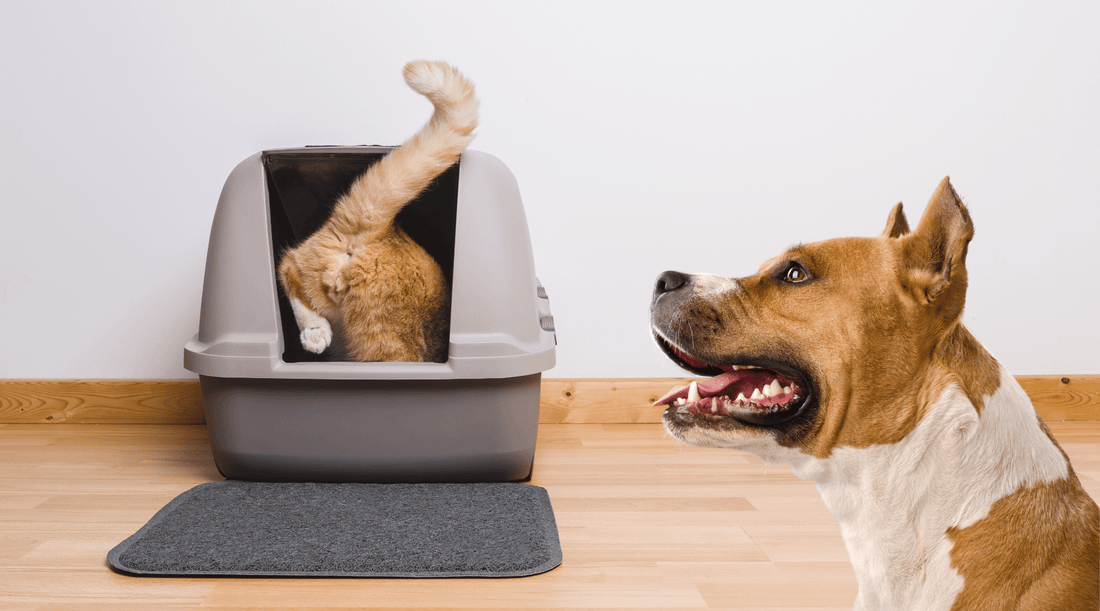
Use Covered Or Enclosed Litter Boxes
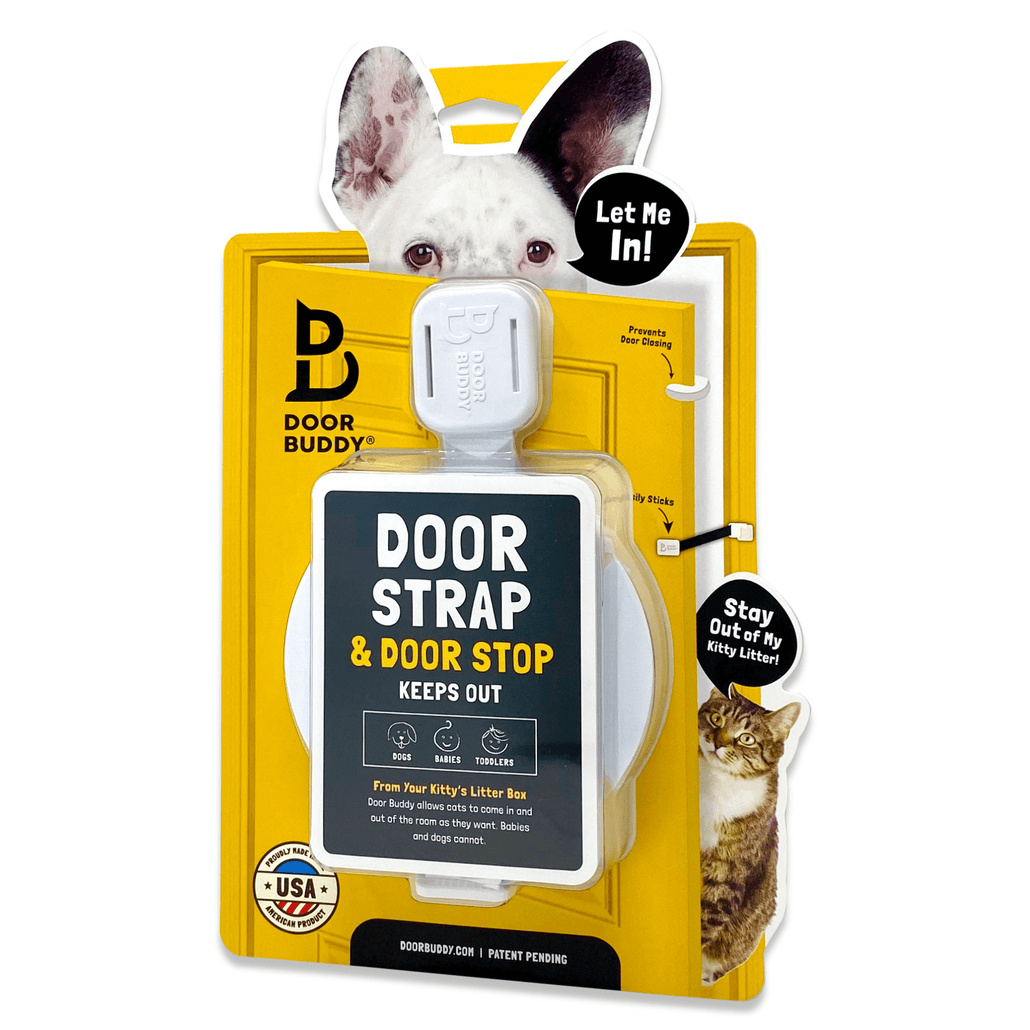
Covered or enclosed litter boxes create a physical barrier between your dog and the litter. These boxes come with lids or doors that your cat can easily enter but your dog cannot. This simple change can reduce your dog’s curiosity and access significantly.
Make sure the enclosed box is comfortable for your cat to encourage regular use. If your cat hesitates, try models with wider openings or clear panels so they don’t feel trapped.
Switch To Non-toxic Litter Types
Some litters contain chemicals or additives that are harmful if ingested, so switching to non-toxic, natural litter is a safer choice. Options like paper-based, corn, or wheat litters are less appealing to dogs and safer if accidentally eaten.
Observe how your cat reacts to new litter types, as some cats are picky. Finding a litter that suits both your cat’s preferences and your dog’s safety is worth the trial and error.
Credit: k9connoisseur.com
Training Techniques
Training your dog to stop eating cat litter takes patience and clear techniques. Consistent effort helps your dog understand what is allowed and what is not. Training methods focus on rewarding good behavior, diverting focus, and using clear commands. These tools shape your dog's habits and reduce litter eating over time.
Positive Reinforcement
Positive reinforcement means rewarding your dog for good actions. Give treats or praise when your dog avoids the litter box. This makes your dog link good behavior with rewards. Use small treats and kind words to encourage the right habits. Avoid punishment, as it can create fear or confusion.
Redirecting Attention
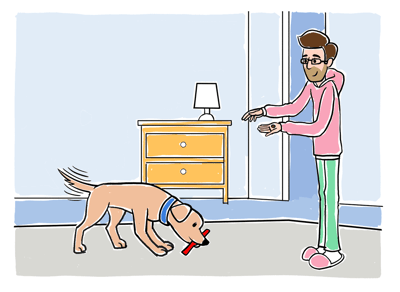
Redirecting attention helps stop your dog from focusing on the litter box. Offer toys or playtime when your dog approaches the cat litter. Use commands like "leave it" to change your dog’s focus. Keep your dog busy with fun activities to reduce interest in the litter. Consistent redirection makes the litter box less tempting.
Consistent Commands
Use clear and simple commands to guide your dog’s behavior. Words like "no," "leave it," or "stop" work well. Say commands firmly but kindly every time your dog goes near the litter. Consistency helps your dog learn what you expect. Practice commands daily to strengthen your dog's response.
Environmental Enrichment
Environmental enrichment plays a key role in stopping your dog from eating cat litter. Dogs often turn to unwanted behaviors like this out of boredom or lack of stimulation. By making your dog's surroundings more engaging, you can redirect their energy and curiosity toward healthier activities.
Provide Adequate Exercise
Exercise is more than just a way to burn off energy—it helps reduce stress and prevent boredom. Take your dog for regular walks, play fetch, or try agility training to keep them physically active. Have you noticed how a tired dog is less likely to get into mischief around the house?
Offer Interactive Toys
Interactive toys challenge your dog and keep their attention focused. Puzzle feeders, treat-dispensing balls, and chew toys can keep your dog busy for long stretches. These toys satisfy their natural instincts and reduce the urge to explore the cat litter box.
Increase Mental Stimulation
Mental exercises can be just as tiring as physical ones. Teach your dog new tricks, practice obedience commands, or hide treats for them to find around the house. This kind of brain workout keeps your dog engaged and less likely to seek out the cat litter out of curiosity or boredom.
When To Consult A Vet
Noticing your dog eating cat litter can be worrying. It may harm their health or signal deeper issues. Knowing when to consult a vet helps protect your pet. Early professional help prevents serious problems. Watch for signs that need expert attention.
Behavioral Assessment
Sometimes dogs eat cat litter out of boredom or stress. A vet can check if your dog has anxiety or other behavior problems. Understanding the cause helps find the right solution. A vet may suggest training or changes at home.
Health Screening
Eating litter might mean your dog has a health problem. Conditions like nutrient deficiencies or digestive issues can cause this behavior. Vets perform tests to rule out illnesses. Early diagnosis keeps your dog safe and healthy.
Professional Advice
Vets offer guidance tailored to your dog’s needs. They can recommend safe litter types or barriers. They may suggest diet changes or supplements. Following expert advice improves your dog’s well-being and stops litter eating.
Frequently Asked Questions
Why Does My Dog Eat Cat Litter?
Dogs may eat cat litter due to curiosity, boredom, or nutritional deficiencies. Eating litter can also be a sign of pica, a condition causing abnormal eating habits. Identifying the cause helps in addressing this behavior effectively and keeping your dog safe.
How Can I Keep My Dog Away From Cat Litter?
Place the litter box in a dog-proof area or use a covered litter box. Train your dog with commands like "leave it. " Providing enough toys and exercise reduces boredom and distracts your dog from the litter box.
Is Eating Cat Litter Harmful To Dogs?
Yes, eating cat litter can cause digestive issues, blockages, or infections in dogs. Clumping litter is especially dangerous if ingested. If your dog eats litter frequently, consult a vet immediately to prevent health risks.
What Alternatives To Cat Litter Are Safe For Dogs?
Consider using non-toxic, natural litters like paper-based or wood pellets. These are less harmful if ingested. Avoid clumping clay litters, which can cause blockages. Always supervise your dog around the litter box.
Conclusion
Keeping dogs away from cat litter is important. It protects their health. Use practical steps to ensure safety. Create barriers or use pet gates. Train your dog with commands. Choose covered litter boxes. Consider using taste deterrents. Be consistent with your approach.
Regularly check the litter box area. Clean it often to remove temptations. Remember, patience is key. Stay committed to these strategies. Your efforts will lead to success. Your dog and cat can coexist peacefully. A healthier and happier home environment awaits.