
If you’ve ever wondered how your dog should fit in a crate, you’re not alone. Getting the right fit is key to making your furry friend feel safe and comfortable.
Too small, and your dog might feel cramped and stressed. Too big, and the crate loses its cozy, den-like appeal. You’ll discover exactly how to choose the perfect crate size for your dog, helping you create a happy space your pet will love.
Keep reading to find simple tips that make crate training easier and more effective for both you and your dog.
Choosing The Right Crate Size
Choosing the right crate size is essential to ensure your dog feels comfortable and secure. A crate that's too small can cause stress and discomfort, while one that's too large might not provide the cozy den-like environment dogs instinctively seek. Getting the size right helps your dog accept the crate as their safe space, making training and travel easier for both of you.
Measuring Your Dog Accurately
Start by measuring your dog from the tip of the nose to the base of the tail. Then, measure from the floor to the top of the head or ears—whichever is taller. These measurements help you find a crate that allows your dog to stand, turn around, and lie down comfortably.
Keep a tape measure handy and make sure your dog is standing naturally. If your dog is between sizes, always choose the larger crate. Would you want to sit in a chair too small for you? Your dog feels the same way.
Factors Affecting Crate Size
Besides length and height, consider your dog's breed, body shape, and activity level. Some dogs are long but slim, while others are shorter but stockier. A deep-chested dog might need extra width for comfort.
Think about where the crate will be placed. Is there enough room for a larger crate? Also, check if your dog prefers stretching out or curling up. These preferences affect how much space they need inside.
Growth Considerations For Puppies
Puppies grow fast, so a crate that fits today might be too small soon. Some crates come with dividers that let you adjust the space as your puppy grows. This way, you avoid buying multiple crates.
However, don’t choose an oversized crate just for growth—it can make your puppy feel insecure. Instead, plan for incremental size changes and keep an eye on your puppy’s growth rate. How will you balance comfort now with space for tomorrow?

Credit: www.impactdogcrates.com
Comfort Essentials Inside The Crate
Creating a cozy and safe space inside your dog's crate is essential for their well-being. The comfort inside the crate can make a big difference in how your dog feels about spending time there. Paying attention to what you add inside can turn the crate from a simple enclosure into a comforting retreat.
Bedding And Padding Options
Soft bedding cushions your dog’s joints and adds warmth. Choose materials that are easy to clean and durable, like memory foam or orthopedic pads, especially for older dogs. Avoid bulky blankets that can bunch up, causing discomfort or even posing a safety risk.
Think about your dog’s size and sleeping style. Does your dog curl up or stretch out? Make sure the bedding supports their natural position without cramping their space.
Ventilation And Temperature Control
Good airflow inside the crate prevents overheating and keeps your dog comfortable. Crates with mesh sides or proper ventilation holes help maintain a steady airflow. If your home gets warm, consider placing the crate near a fan or air conditioner, but never directly in a draft.
During colder months, adding a breathable cover over the crate can help retain warmth. Ask yourself: is your dog panting or shivering when inside? Adjust accordingly to keep the temperature just right.
Toys And Chewing Alternatives
Toys inside the crate can ease anxiety and prevent boredom. Choose safe chew toys or puzzle toys that don’t have small parts that could be swallowed. Rotate toys regularly to keep your dog interested and mentally stimulated.
Remember, a tired dog is a happy dog. Including a favorite toy can make crate time more inviting and less stressful. What are your dog’s favorite chew toys, and have you noticed how they react when those toys are inside the crate?
Signs Your Dog’s Crate Fits Well
Choosing the right crate size is key for your dog’s comfort and safety. A well-fitting crate feels like a cozy den for your dog. It should give enough space without being too large or too small. Watch how your dog moves and rests inside to know if the crate fits well.
Space To Stand And Turn Around
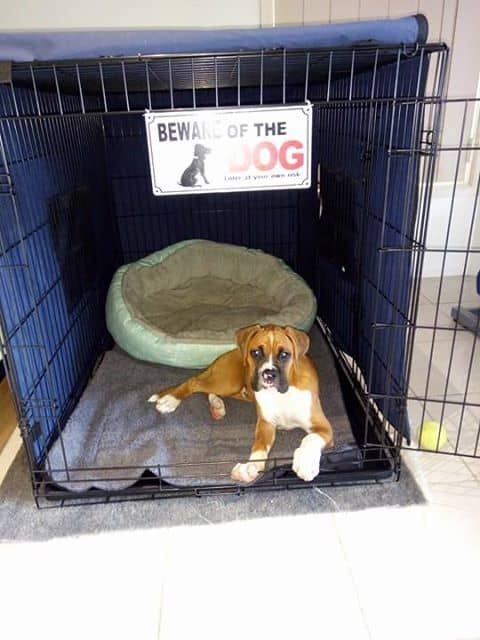
Your dog should stand up fully without hitting the crate’s top. Turning around easily shows the crate is not too tight. This freedom helps your dog feel relaxed and safe inside. If your dog struggles to move, the crate may be too small.
Room For Lying Down Comfortably
The crate must allow your dog to lie down stretched out or curled up. Comfort is key for rest and sleep. A cramped space can cause stress and discomfort. Check if your dog can change positions without bumping into the walls.
Avoiding Excessive Movement
The crate should not be too big, causing your dog to slide or fall. Excess space can make your dog feel insecure. A snug fit helps your dog feel stable during crate time. Notice if your dog stays in place or shifts too much inside.
Common Mistakes With Crate Sizing
Choosing the right crate size is crucial for your dog's comfort and safety. Many dog owners make common mistakes that affect how well their dog adapts to the crate. A crate that is too small or too large can cause stress and behavioral problems. Understanding these mistakes helps you provide a better environment for your pet.
Crate Too Small Issues
A crate that is too small limits your dog’s movement. Your dog cannot stand, turn, or lie down comfortably. This restriction can cause anxiety and physical discomfort. Dogs may try to escape or refuse to enter the crate. Small crates also reduce air circulation, making the space stuffy. Avoid crates that squeeze your dog in tightly.
Crate Too Large Drawbacks
Too large a crate can also cause problems. Your dog may use one side as a bathroom spot. This behavior defeats the crate’s purpose of house training. Large crates may feel unsafe and empty, making your dog anxious. Dogs like cozy, den-like spaces for security. A big crate can lose this comforting feeling.
Adjusting Size Over Time
Dogs grow and change size as they age. Puppies need crates with adjustable dividers. These dividers create a smaller space that grows with the puppy. Adult dogs may need a new crate if they outgrow the old one. Check your dog’s size regularly to ensure the crate fits well. A proper fit keeps your dog happy and safe.
Tips For Introducing Your Dog To The Crate
Introducing a dog to a crate requires patience and care. The crate should feel safe and welcoming. Make the experience positive to encourage your dog to enter willingly. Start slow and build comfort over time.
Creating A Positive Environment
Place the crate in a quiet, cozy spot. Add soft bedding inside for comfort. Keep the door open initially, allowing free access. Let your dog explore without pressure. Use calm, gentle tones to reassure your pet.
Gradual Acclimation Techniques
Begin with short crate visits. Close the door for a few seconds only. Gradually increase the time inside. Stay nearby to avoid anxiety. Practice often to build familiarity. Avoid forcing the dog inside.
Using Treats And Rewards
Offer treats near and inside the crate. Praise your dog for calm behavior. Use favorite snacks to create a strong reward link. Reward leaving and entering the crate. Positive reinforcement encourages repeated good behavior.
Credit: www.forbes.com
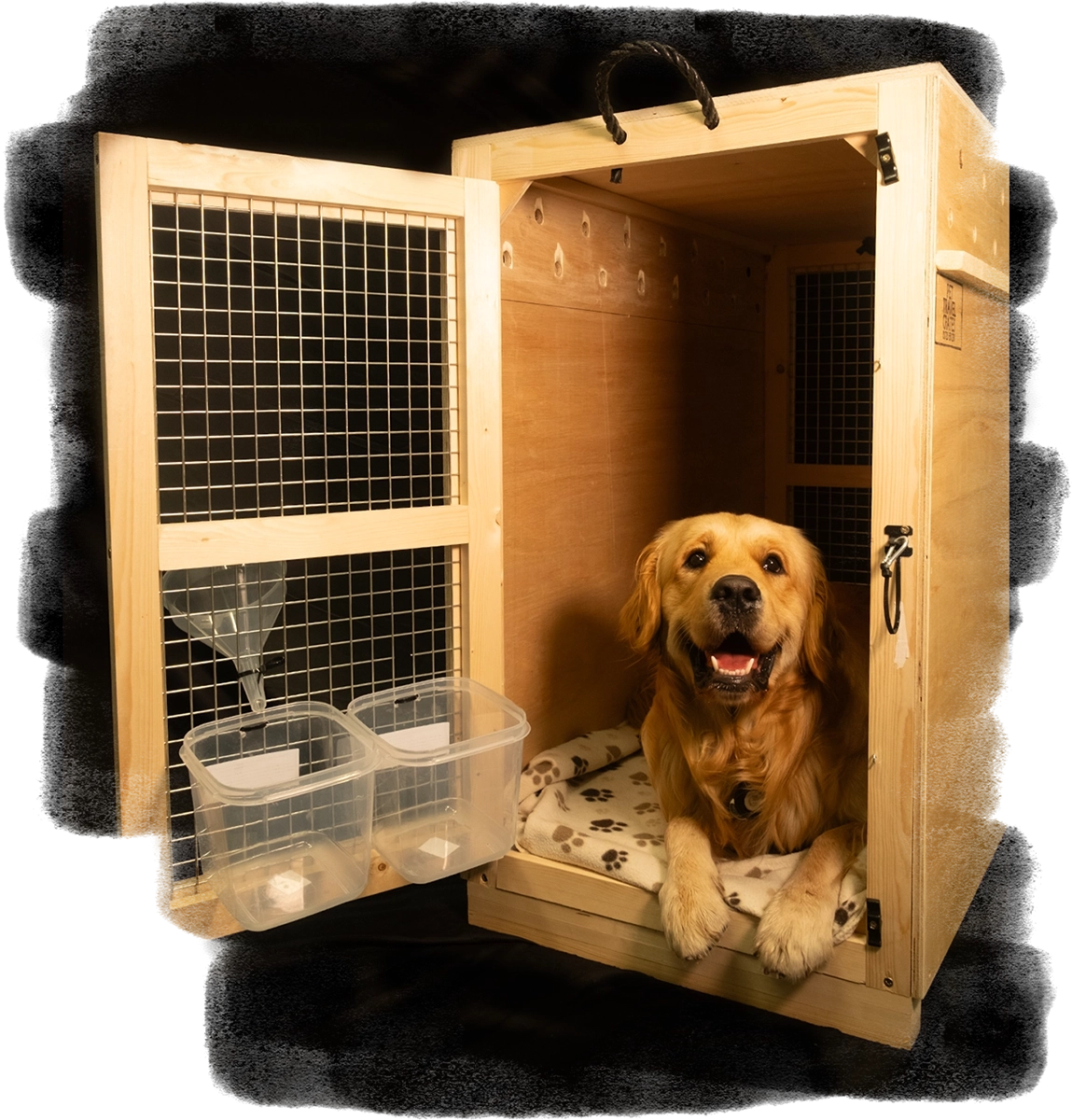
Credit: www.petsbyplane.com
Frequently Asked Questions
How Big Should A Dog Crate Be?
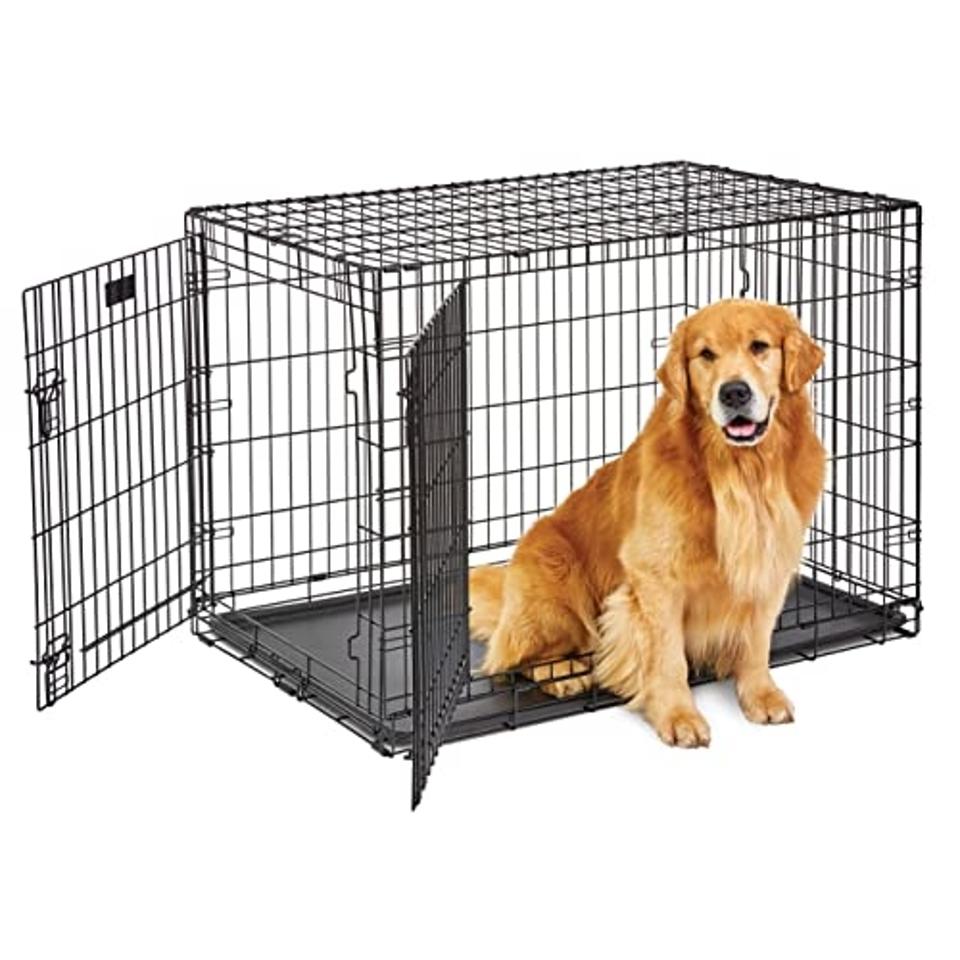
A dog crate should be large enough for your dog to stand, turn around, and lie down comfortably. Measure your dog's height and length, then add a few inches for comfort. Proper size ensures safety and promotes positive crate training.
Can A Dog Crate Be Too Small?
Yes, a crate that is too small restricts movement and causes discomfort. It can lead to stress and anxiety in dogs. Always choose a crate size that allows your dog to move freely without feeling cramped.
Should A Dog Crate Fit The Dog Snugly?
The crate should fit snugly but not tightly. It should provide enough space for your dog to change positions comfortably. A snug fit makes the crate feel like a den, which helps dogs feel secure and relaxed.
How To Measure Your Dog For A Crate?
Measure from the tip of the nose to the base of the tail for length. Measure from the floor to the top of the head or ears for height. These measurements help select the appropriate crate size for your dog.
Conclusion
Ensuring a dog fits well in a crate is crucial. It must be comfortable. A snug fit helps them feel secure and relaxed. Dogs need space to stand, turn, and lie down. Crates should never feel cramped or too spacious.
Measure your dog carefully before choosing a crate. Observe your dog’s behavior in the crate. Adjust the crate size if needed. This helps reduce stress and anxiety. Remember, a happy dog makes a happy home. Proper crate fitting supports their well-being.
Prioritize comfort and safety for your furry friend. Your dog deserves the best care.