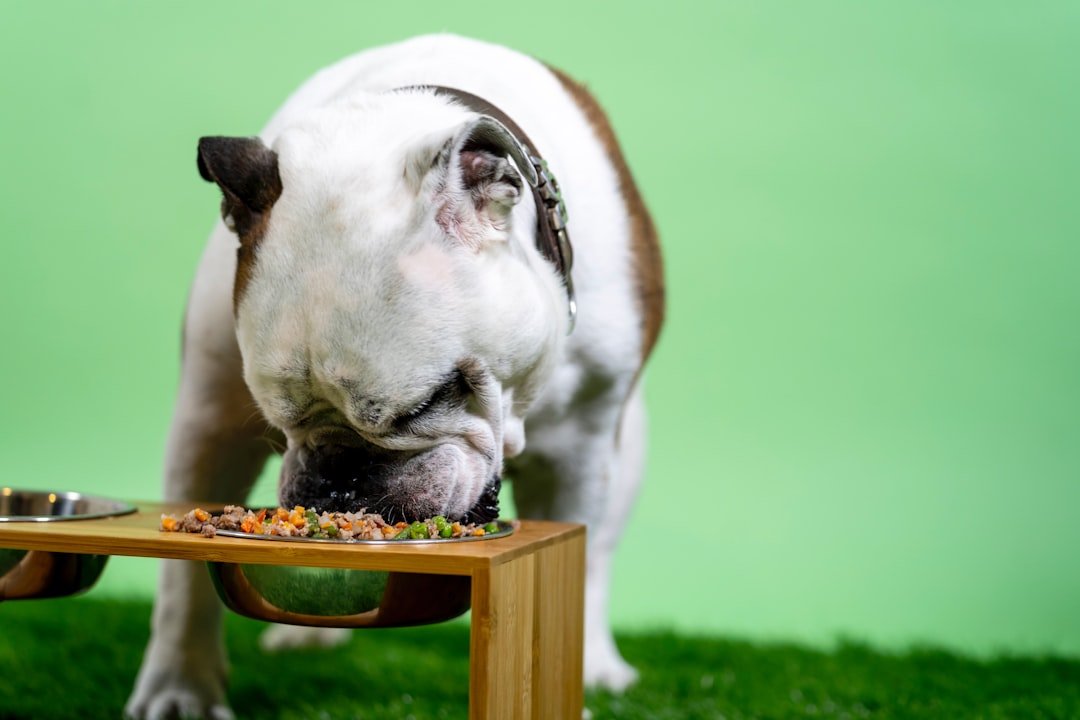
Is your dog gobbling up wet food so fast that you worry about choking or stomach problems? You’re not alone.
Many pet owners face this challenge and wonder how to help their furry friends eat more slowly and safely. Eating too quickly can lead to discomfort and even health issues for your dog. But don’t worry—you can change this behavior with simple, effective steps.
Keep reading to discover easy ways to slow down your dog’s wet food eating habits and improve their mealtime experience. Your dog’s health and happiness depend on it!
Reasons Dogs Eat Too Fast
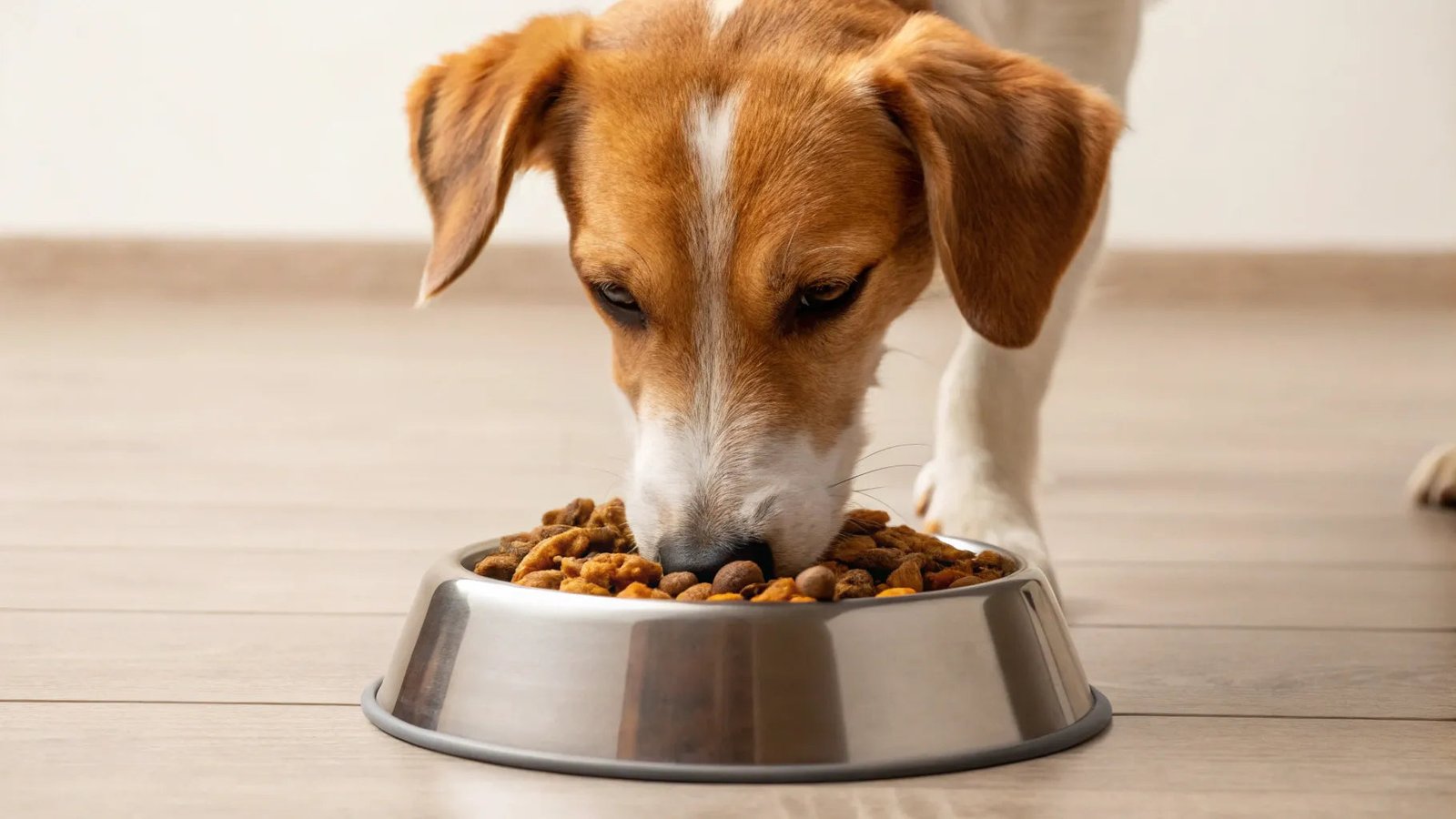
Many dogs eat their wet food too fast. This habit can cause health and behavior problems. Understanding why dogs eat quickly helps in slowing them down. Some dogs eat fast out of excitement or stress. Others may have learned to compete for food. Knowing the reasons behind this behavior is key to helping your dog eat at a healthier pace.
Health Risks Of Rapid Eating
Eating too fast can lead to choking. Dogs may also swallow large food chunks. This causes digestion problems and stomach pain. Rapid eating increases the risk of bloat, a serious condition. Bloat can be life-threatening if not treated quickly. Dogs may vomit or develop gas after eating too fast. Rapid eating also makes dogs less likely to absorb nutrients well.
Behavioral Causes
Some dogs eat fast due to anxiety or stress. They may feel food could be taken away. A history of food scarcity can cause quick eating habits. Dogs that live with other pets may race to eat first. Some dogs eat fast because it is exciting. Repetitive fast eating can become a learned behavior. Understanding these causes helps in guiding dogs to slower eating.

Credit: www.k9sovercoffee.com
Choosing The Right Feeding Tools
Choosing the right feeding tools can help slow down your dog’s eating. Fast eating can cause stomach problems and choking. Using special tools makes mealtime healthier and more enjoyable. These tools encourage your dog to eat slowly and stay focused during meals.
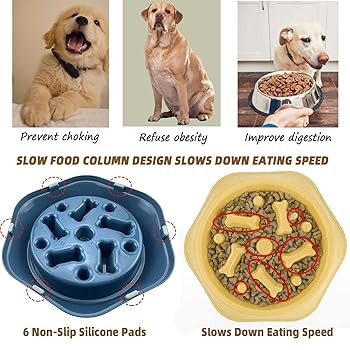
Slow Feeder Bowls
Slow feeder bowls have ridges and obstacles inside. These features make your dog work to get the food. It reduces the speed of eating by forcing your dog to eat around the obstacles.
- Helps prevent gulping and choking
- Improves digestion by slowing food intake
- Made from safe, durable materials
- Easy to clean and dishwasher safe
Choose a slow feeder bowl that fits your dog's size. Some bowls have fun designs to keep your dog interested. This tool turns mealtime into a puzzle, making your dog eat calmly.
Food Dispensing Toys
Food dispensing toys release small amounts of wet food as your dog plays. This makes eating a fun activity. Dogs focus on the toy, slowing their eating naturally.
- Encourages mental stimulation during feeding
- Keeps your dog busy for longer periods
- Promotes slower eating habits
- Available in different shapes and sizes
Select a toy suitable for your dog’s chewing strength. Avoid toys that are too hard or too soft. Food dispensing toys also help reduce boredom and destructive behavior.
Portion Control Techniques
Portion control techniques help manage how fast your dog eats wet food. Slowing down eating improves digestion and prevents choking. These techniques also reduce overeating and related health issues.
Smaller, Frequent Meals
Serve your dog smaller amounts of wet food more often during the day. This stops your dog from gobbling large portions quickly. Smaller meals keep your dog feeling satisfied without rushing through food.
Try dividing the daily food amount into three or four portions. Feed these portions at set times. This routine encourages slower eating and better digestion.
Measuring Food Accurately
Use a kitchen scale or measuring cup to give precise food amounts. Avoid guessing portions, as this can lead to overeating or underfeeding. Accurate portions help control the speed your dog eats.
Track how much your dog eats daily. Adjust portions based on activity level and weight. Proper measurement ensures your dog gets the right amount of nutrition.

Credit: www.brightkins.com
Creating A Calm Feeding Environment
Creating a calm feeding environment can make a big difference in slowing down how fast your dog eats wet food. When your dog feels relaxed and focused, they’re less likely to gulp their meal. This approach not only helps with digestion but also reduces the risk of choking or bloating.
Reducing Distractions
Dogs pick up on all kinds of noises and movements around them. If your dog’s eating area is noisy or busy, it can cause them to eat quickly out of excitement or anxiety.
Try to feed your dog in a quiet spot away from loud TVs, household traffic, or other pets. You might even experiment with playing soft, calming music if your dog responds well to it.
Have you noticed your dog eating faster when visitors are around? Minimizing these interruptions can encourage a slower, more mindful eating pace.
Establishing Feeding Routines
Dogs thrive on routine, and this applies to meal times too. Feeding your dog at the same times every day helps set expectations and reduces mealtime stress.
Consistent routines make your dog feel secure, which can naturally slow down their eating. Keep the feeding spot consistent as well to build a sense of familiarity.
You can also try smaller, more frequent meals instead of one large serving. This approach often helps dogs pace themselves better and prevents overeating.
Interactive Feeding Methods
Interactive feeding methods can transform mealtime from a rushed routine into an engaging activity for your dog. These techniques slow down eating by making your pet work a little for their food, which can improve digestion and reduce choking risks. Plus, they add mental stimulation that many dogs find rewarding.
Puzzle Feeders
Puzzle feeders turn mealtime into a game. Instead of just dumping wet food into a bowl, you place it inside compartments or behind small obstacles your dog must figure out. This makes your dog use their brain and paws, slowing down their eating pace naturally.
Try a simple puzzle feeder with sliding covers or removable pieces. Watch how your dog learns to get each bite, which can take significantly longer than eating from a regular bowl. You might notice your dog becoming more focused and less greedy during meals.
Hand-feeding Sessions
Hand-feeding is a personal way to slow down your dog’s eating while strengthening your bond. Offer small spoonfuls or bite-sized pieces of wet food directly to your dog’s mouth or paw. This method encourages calmness and patience.
It also gives you control over the pace and allows you to observe any signs of discomfort or allergies more closely. Have you tried this approach? Many pet owners find it helps their dogs appreciate their food more and reduces gulping.
Training Tips To Slow Eating
Training your dog to eat wet food more slowly can transform mealtime from a rushed event into a calm, enjoyable routine. It requires patience and clear communication between you and your pet. Focusing on specific training techniques helps your dog understand expectations while building better eating habits.
Teaching 'wait' Commands
Teaching your dog the 'wait' command can effectively slow down their eating pace. Before offering the wet food, hold the bowl and say "wait" firmly but kindly. Only place the bowl down once your dog remains calm and still for a few seconds.
This practice creates anticipation and control around mealtime. You can gradually increase the wait time before allowing your dog to eat. It’s a simple way to train patience and reduce gulping.
Positive Reinforcement Strategies
Rewarding your dog for eating slowly encourages them to repeat the behavior. Use treats, praise, or gentle petting when your dog takes small bites or pauses during eating. This positive feedback helps your dog associate slow eating with good things.
Try breaking meals into smaller portions throughout the feeding time. Offer a reward after each portion is finished calmly. This technique keeps your dog motivated to maintain slower eating habits over time.
Monitoring Progress And Adjusting
Monitoring your dog’s progress while slowing down eating wet food is important. It helps you see if the methods you use are working. Adjustments might be needed to make sure your dog eats at a healthy pace. Careful observation ensures your dog stays safe and comfortable.
Tracking Eating Speed
Watch how long your dog takes to finish a meal. Use a timer or note the start and end times. Track eating times daily to find patterns. Write down any changes in behavior or speed. Observe if your dog seems stressed or anxious during eating. Small improvements show your efforts are helping. If your dog eats too fast, try different techniques like smaller portions or special bowls.
When To Seek Veterinary Advice
Contact a vet if your dog coughs or gags while eating. Sudden changes in appetite or weight loss need attention. Persistent vomiting or choking signs require immediate care. Your vet can check for health problems causing fast eating. They can also suggest safe feeding strategies or medical tests. Don’t delay if your dog shows discomfort or unusual symptoms during meals. Professional help ensures your dog stays healthy and happy.

Credit: www.amazon.com
Frequently Asked Questions
How Can I Slow Down My Dog Eating Wet Food?
Use a slow feeder bowl or puzzle feeder to slow eating. Portion meals into smaller servings. Hand-feed your dog to encourage slower eating. These methods help prevent choking and improve digestion.
Why Is My Dog Eating Wet Food Too Fast?
Dogs often eat fast due to hunger, competition, or anxiety. Eating quickly can cause choking, vomiting, or digestive issues. Identifying the reason helps apply the right solution to slow their eating.
Are Slow Feeder Bowls Effective For Wet Food?
Yes, slow feeder bowls work well with wet food. They create obstacles that make dogs eat slower. This reduces gulping and improves digestion, preventing health problems related to fast eating.
Can Feeding Smaller Portions Slow My Dog's Eating?
Yes, smaller portions help your dog eat more slowly. Smaller meals reduce excitement and urgency. Feeding multiple small meals daily also controls pace and prevents overeating.
Conclusion
Slowing your dog's eating can improve their health. Try using a slow feeder bowl. It encourages smaller bites. Spread out their meal on a flat surface. It helps them eat slower. Consistent practice makes them eat calmly. Patience is key to success.
Always monitor their eating habits. Changes can take time. Keep their meals enjoyable and stress-free. You care about their well-being. Enjoy the journey with your furry friend.