Ever wondered if you're feeding your furry friend the right amount of food? You're not alone.
Knowing how many pounds of food your dog should eat can be confusing, but it's crucial for their health and happiness. Feeding your dog too much or too little can lead to various health issues, just like it would for you.
So, how do you get it just right? We’ll unravel the mystery of canine nutrition and help you understand exactly what your dog needs. Stick around to discover how to keep your dog healthy and full of energy.
Factors Affecting Dog Food Amount
Determining how much food a dog needs depends on several key factors. These factors shape the daily feeding amount to keep dogs healthy and energetic. Understanding them helps provide the right nutrition for every dog.
Breed And Size
Small breeds eat less food than large breeds. Larger dogs need more calories to support their bigger bodies. Some breeds have faster metabolisms, requiring more food. For example, a Chihuahua eats much less than a German Shepherd. Knowing your dog's breed and size guides proper portion sizes.
Age And Life Stage
Puppies need more food per pound of body weight than adult dogs. They grow fast and use energy quickly. Adult dogs require balanced portions to maintain weight. Senior dogs often eat less because they are less active. Life stage affects how much food your dog should eat daily.
Activity Level
Active dogs burn more calories and need extra food. Working dogs or those who exercise daily require more nutrition. Less active or indoor dogs need fewer calories to prevent weight gain. Adjust feeding amounts based on how much your dog moves each day.
Health Conditions
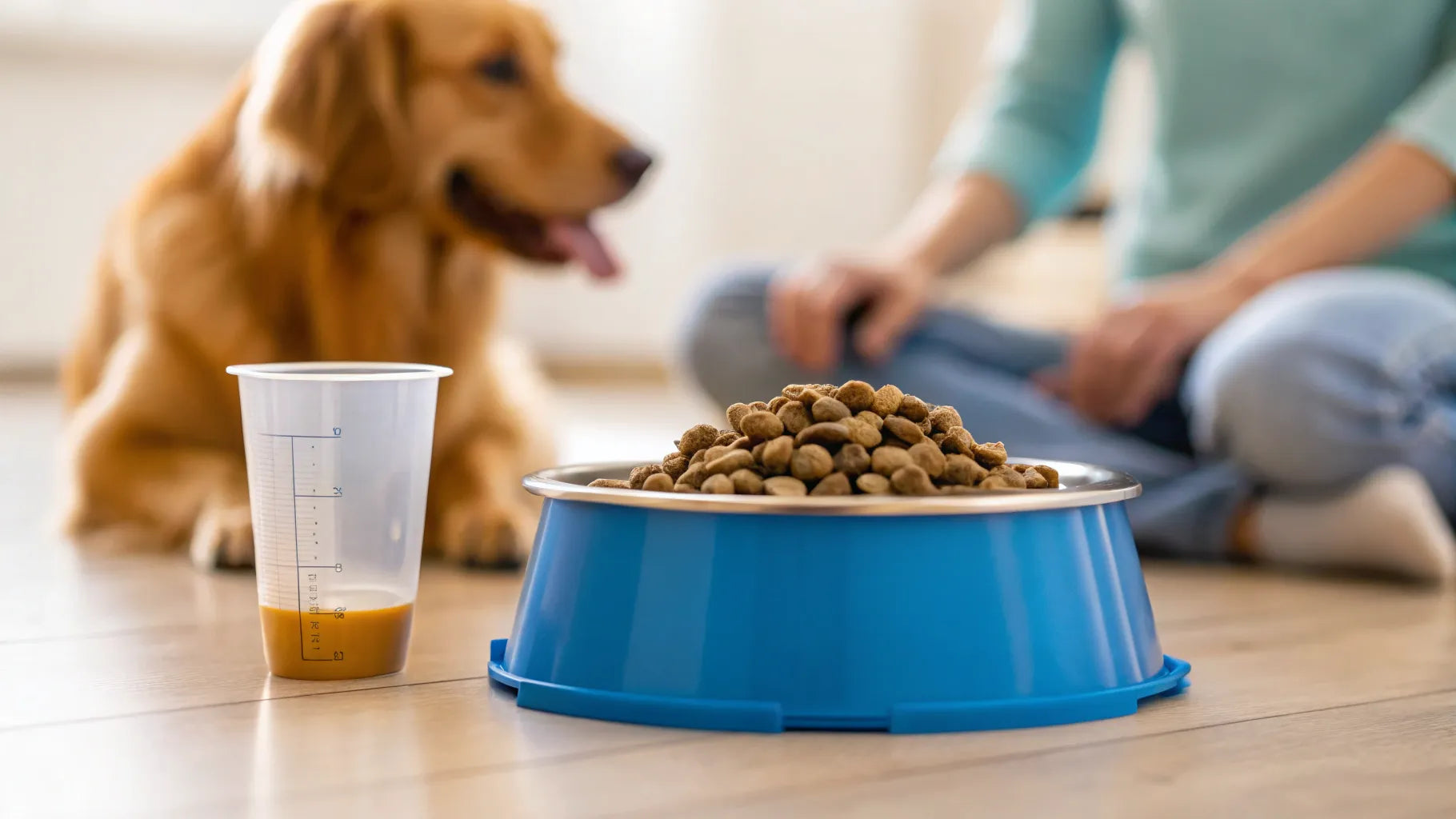
Health issues can change food needs. Dogs with illnesses may need special diets or controlled portions. Overweight dogs require smaller amounts to lose weight. Dogs with high energy or recovery needs might need more food. Always consider your dog's health when deciding food quantity.
Credit: www.houndsy.com
Calculating Daily Food Intake
Calculating your dog's daily food intake helps keep them healthy and active. Proper feeding supports growth, energy, and overall well-being. Knowing the right amount prevents underfeeding or overfeeding.
Several factors influence how much food your dog needs each day. These include their size, age, activity level, and metabolism. Use simple methods to estimate daily food needs accurately.
Using Body Weight
Body weight is a basic way to estimate food amounts. Most dogs need about 2-3% of their body weight in food daily. For example, a 50-pound dog might eat 1 to 1.5 pounds of food each day.
Adjust this amount based on your dog's activity and health. Puppies and active dogs need more food, while older or less active dogs need less.
Calorie Requirements
Calories are the energy dogs get from food. Each dog needs a certain number of calories daily. This depends on their weight, age, and activity.
Use this formula to estimate calorie needs:
- Resting Energy Requirement (RER) = 70 × (body weight in kg)0.75
- Multiply RER by an activity factor (usually 1.2 to 1.8)
This gives the total calories your dog should eat daily. Check your dog food label for calories per cup to find the right portion.
Portion Size Guidelines
Portion sizes depend on the food type and calorie content. Dry kibble and wet food vary in calories and weight.
| Food Type | Calories per Cup | Typical Daily Portion |
|---|---|---|
| Dry Kibble | 300-400 | 1 to 3 cups |
| Wet Food | 150-200 | 1 to 2 cans |
Divide the daily portion into two or three meals. This keeps digestion steady and avoids overeating.
Types Of Dog Food And Their Impact
Choosing the right type of food affects your dog’s health and how much they eat daily. Different foods have different water, calorie, and nutrient levels. These factors change your dog’s appetite and weight needs. Understanding these types helps you feed your dog properly and keep them healthy.
Dry Kibble Vs Wet Food
Dry kibble is easy to store and usually cheaper. It has less water, so dogs eat more by weight. Kibble helps clean teeth but may lack moisture. Wet food has high water content and smells stronger. It can be easier to chew and more filling. Wet food is often higher in calories per bite. Mixing both types can balance hydration and nutrition.
Raw Diet Considerations
Raw diets include uncooked meat, bones, and vegetables. This diet mimics what dogs ate in the wild. It can improve coat shine and energy levels. Raw food needs careful handling to avoid bacteria. It may cause digestive upset if not balanced correctly. Consult a vet before starting a raw diet to ensure safety and nutrition.
Homemade Meals
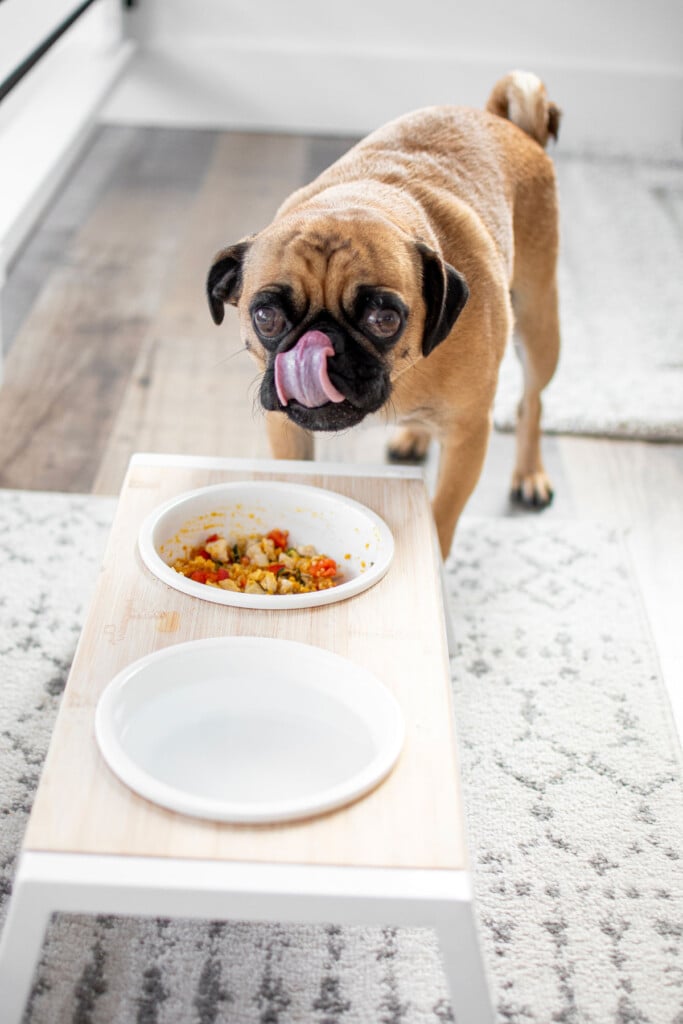
Homemade meals let you control ingredients and quality. They can include cooked meat, rice, and vegetables. Homemade food must have the right vitamins and minerals. Without balance, dogs can miss essential nutrients. Recipes from experts help keep meals healthy. Cooking can make food easier to digest and tastier for picky eaters.
Credit: mimisorganiceats.com
Adjusting Food Amounts Over Time
Adjusting the amount of food your dog eats over time is key to keeping them healthy and happy. Dogs don’t need the same calories every day or throughout their lives. Paying attention to changes in their weight, activity, and life stages helps you feed them just right.
Monitoring Weight Changes
Regularly checking your dog's weight is the easiest way to know if you should adjust their food. If you notice your dog gaining or losing weight without a clear reason, it’s time to tweak their portions. Keep a simple journal or use a scale at home to track progress and stay on top of their health.
Have you ever caught your dog sneaking extra snacks? Those little treats add up and can affect their weight too. Balance treats with meal portions to avoid overfeeding.
Seasonal Variations
Dogs often eat differently depending on the season. In colder months, they might need more calories to stay warm and active. During summer, their energy needs may drop, so less food might be necessary.
Watch your dog’s behavior closely. Are they more or less active when the seasons change? Adjust their food amounts accordingly to match their energy use and keep them comfortable year-round.
Pregnancy And Lactation
Pregnant and nursing dogs need extra nutrition to support their puppies and maintain their own health. Their food intake should increase gradually during pregnancy and peak while nursing. Feeding high-quality, nutrient-rich food during this time is essential.
If you’ve cared for a mother dog, you know how quickly her appetite can grow. Don’t hesitate to offer more food but divide it into smaller meals to avoid digestive upset. Are you prepared to adjust feeding routines during this demanding phase?
Common Feeding Mistakes To Avoid
Feeding your dog the right amount of food is more than just measuring pounds; it’s about avoiding common mistakes that can affect their health. Many pet owners unintentionally harm their furry friends by making simple errors in feeding routines. Understanding these pitfalls helps you keep your dog healthy, happy, and at the right weight.
Overfeeding Risks
Giving your dog too much food can quickly lead to obesity, which increases the risk of diabetes, joint problems, and heart disease. It’s easy to assume more food means a happier dog, but excess calories only add extra pounds. Have you ever noticed your dog gaining weight despite eating the same meals? This often happens because of unnoticed overfeeding.
Keep an eye on portion sizes and follow the feeding guidelines on your dog’s food packaging. Remember, treats and snacks add calories too, so factor those in.
Ignoring Treats And Snacks
Treats are a great way to reward your dog, but many owners forget to count them as part of the daily food intake. Small bites here and there can add up to a significant calorie surplus. If your dog’s weight is creeping up, look closely at how many treats they get each day.
Try using healthy, low-calorie treats or reduce their meal portions slightly to balance out the extra snacks. Can you identify how many treats your dog really needs versus wants?
Inconsistent Feeding Times
Feeding your dog at irregular times can disrupt their metabolism and make portion control harder. Dogs thrive on routine, and consistent feeding schedules help regulate their hunger and digestion. Skipping or delaying meals may cause your dog to overeat later, which is a common mistake many owners overlook.
Set specific times for meals and stick to them. This simple habit supports your dog’s overall health and weight management.
Tips For Feeding Success
Feeding your dog the right amount of food is only part of the equation. Creating good habits and choosing the right food are just as important. These tips help ensure your dog stays healthy and happy. Consistency and care make all the difference.
Establishing A Routine
Dogs thrive on routine. Feeding your dog at the same times every day helps regulate digestion and behavior. Avoid leaving food out all day. Instead, offer meals at set times. This prevents overeating and supports weight control.
Measure portions carefully. Use a standard cup or scoop. This helps keep servings consistent. Adjust portions based on your dog’s activity and age.
Choosing Quality Food
Quality food fuels your dog’s energy and health. Look for foods with real meat as the first ingredient. Avoid fillers like corn or soy, which add little nutrition. Check for added vitamins and minerals to support overall well-being.
Consider your dog’s breed, size, and health needs. Some foods suit puppies better. Others work well for senior dogs. Choose food that matches your dog’s life stage.
Consulting Your Veterinarian
Your veterinarian knows your dog best. Regular checkups help track weight and health changes. Ask about the right food type and portion size. Share details about your dog’s activity and health issues.
Vets can recommend special diets for allergies or conditions. Follow their advice to avoid feeding mistakes. This keeps your dog safe and nourished.
Credit: www.houndsy.com
Frequently Asked Questions
How Many Pounds Of Food Should A Dog Eat Daily?
A dog's daily food intake depends on weight, age, and activity. Generally, dogs eat 2-3% of their body weight in food. Consult your vet for precise portions tailored to your dog's needs and health.
Does Dog Breed Affect Food Quantity Needed?
Yes, breed influences food quantity. Larger breeds require more food, while smaller breeds need less. Activity level and metabolism also impact feeding amounts. Adjust food portions based on your dog's specific breed and lifestyle.
How To Calculate Dog Food Based On Weight?
To calculate dog food, multiply your dog's weight by 2-3%. This gives an approximate daily food amount in pounds. Divide this into meals. Always check the food packaging and adjust based on your dog's condition.
Can Overfeeding Cause Health Problems In Dogs?
Overfeeding can lead to obesity, joint issues, and diabetes in dogs. Maintain proper portion sizes to keep your dog healthy. Regular vet check-ups help monitor your dog's weight and dietary needs.
Conclusion
Feeding your dog the right amount keeps them happy and healthy. Every dog needs a different amount based on size, age, and activity. Watch your dog’s weight and energy to adjust food portions. Consult your vet for the best advice about your dog’s diet.
Balanced meals help your dog live a long, active life. Small changes can make a big difference in your dog’s health. Feeding correctly shows you care and helps your pet thrive.