
Are you wondering how much food your 100-pound dog should be eating? You're not alone.
Ensuring your furry friend gets the right amount of nutrition can be a bit confusing. Too much food can lead to obesity, while too little can leave your dog lacking energy. You want the best for your pet, but where do you start?
This article will guide you through the essentials of feeding your large dog, helping you make informed choices. Discover the factors that influence their diet and learn simple tips to keep them healthy and happy. Continue reading to unlock the secrets to a balanced diet for your beloved canine companion.

Credit: www.k9sovercoffee.com
Calorie Needs For A 100lb Dog
Understanding the calorie needs of a 100-pound dog is essential for maintaining their health. Proper calorie intake supports energy, growth, and overall well-being. Giving too much or too little food can cause health problems.
Calorie needs depend on various factors like activity, age, and metabolism. Knowing these helps to provide the right amount of food every day. This section explains the daily calorie requirements and what affects them.
Daily Calorie Requirements
A 100-pound dog generally needs between 1,200 and 2,000 calories per day. The exact number varies based on their activity level. Less active dogs need fewer calories, while active dogs need more.
| Activity Level | Calories Needed per Day |
|---|---|
| Low activity (couch potato) | 1,200 - 1,400 calories |
| Moderate activity (daily walks) | 1,500 - 1,700 calories |
| High activity (working or active dog) | 1,800 - 2,000 calories |
Factors Affecting Calorie Needs
- Age:Puppies and young dogs need more calories to grow.
- Activity Level:Active dogs burn more energy and need more food.
- Health:Sick or injured dogs may need fewer calories.
- Breed:Larger or muscular breeds may require extra calories.
- Metabolism:Some dogs naturally burn calories faster than others.
Adjust food amounts based on these factors to keep your dog healthy. Monitor weight and energy to find the right balance.
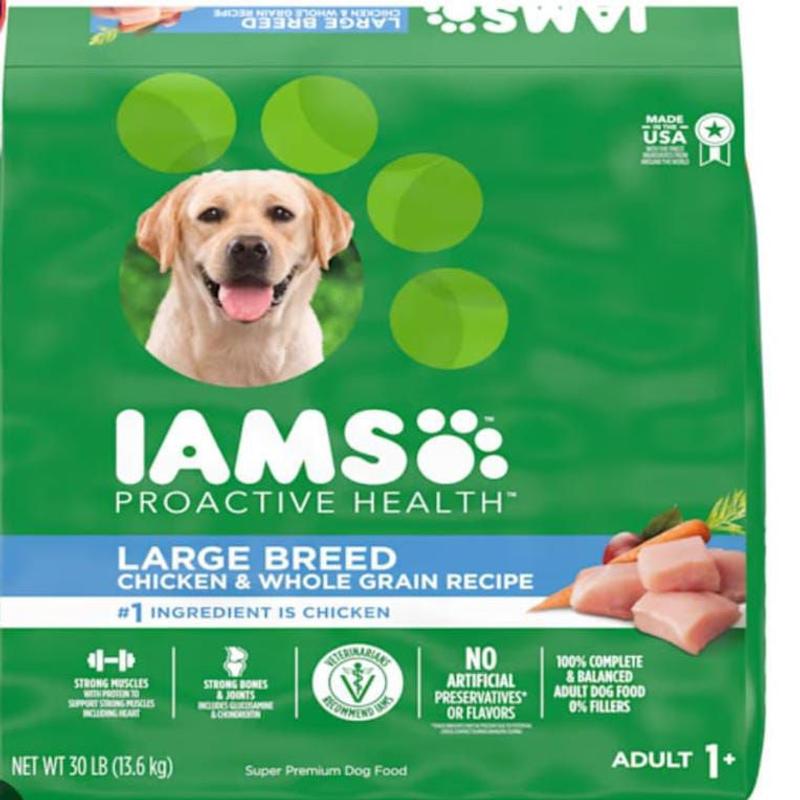
Credit: www.iams.com
Portion Sizes By Food Type
Portion sizes for a 100lb dog depend on the type of food you choose. Each food type has a different weight, calorie content, and moisture level. These factors affect how much your dog needs to stay healthy and full. Understanding the right portions helps avoid overfeeding or underfeeding. It also supports your dog’s energy and weight management.
Dry Kibble Portions
Dry kibble is the most common dog food. It is easy to store and measure. A 100lb dog typically needs between 3 to 4 cups of dry kibble daily. This amount depends on the kibble’s calorie count, which varies by brand.
- Check the package for calories per cup.
- Feed around 20 to 30 calories per pound of body weight.
- Split the daily portion into two meals.
Wet Food Portions
Wet food contains more water and fewer calories per gram than kibble. A 100lb dog usually eats about 2 to 3 cans (13 oz each) per day. Feeding wet food means your dog gets extra hydration from meals.
- Each can has about 300 to 400 calories.
- Divide the daily amount into two or three meals.
- Adjust portions based on your dog’s activity level.
Raw Diet Portions
A raw diet includes fresh meat, bones, and organs. It is less processed and more natural. For a 100lb dog, feed about 2% to 3% of its body weight daily. This equals 2 to 3 pounds of raw food each day.
- Include muscle meat, bones, and organ meats.
- Balance the diet to cover all nutrients.
- Divide the daily portion into two meals.
Feeding Frequency And Schedule
Establishing a proper feeding frequency and schedule is key to keeping your 100lb dog healthy and happy. The right routine supports digestion, energy levels, and weight management. It also helps you spot any changes in appetite that might indicate health issues.
Adult Dogs
Adult dogs typically do well with two meals a day—once in the morning and once in the evening. This schedule helps maintain consistent energy and prevents overeating. You might notice your dog is more eager at meal times when feeding is regular and predictable.
If your dog seems sluggish or gains weight easily, try splitting their food into smaller portions throughout the day. This can keep metabolism steady and reduce hunger-driven behavior. Have you tried adjusting feeding times to match your dog’s activity level?
Puppies And Seniors
Puppies need more frequent meals because they burn energy quickly and are growing fast. Feeding them three to four times a day keeps their blood sugar stable and supports healthy development. It's amazing how much their appetite can change even within a few weeks.
Seniors, on the other hand, often benefit from smaller, more frequent meals to aid digestion and prevent bloating. Their metabolism slows down, so spreading food intake can help avoid weight gain and digestive discomfort. Watching how your older dog reacts to different feeding schedules can reveal what works best for their comfort and health.
Adjusting Food Amounts
Adjusting the amount of food your 100lb dog eats is important. Dogs' needs change over time. Food portions should match these changes to keep your dog healthy and happy.
Activity Level Changes
Active dogs burn more calories. They need more food to stay energetic. Less active dogs need fewer calories. Adjust food portions based on daily exercise. For example, a dog playing outside all day needs more food than one resting most of the time.
Health Conditions
Some health issues affect appetite and nutrition. Dogs with illnesses might need special diets. Talk to your vet about food changes. They can suggest the right amount and type of food. Never change food amounts without advice if your dog has health problems.
Weight Management
Maintaining a healthy weight is key. Overweight dogs need fewer calories. Underweight dogs may need more food or richer nutrients. Watch your dog's weight regularly. Adjust the food portion to support a healthy size. Use a scale or check rib visibility to guide you.
Choosing The Right Dog Food
Choosing the right food for a 100lb dog is key to their health. The right diet supports energy, growth, and overall well-being. Dogs need balanced meals with the right mix of nutrients. Quality dog food helps maintain a healthy weight and strong muscles. It also supports a shiny coat and good digestion.
Nutritional Content
Check for balanced nutrients in dog food. Protein is essential for muscle health and energy. Carbohydrates provide fuel for daily activities. Fats support brain function and skin health. Vitamins and minerals boost immunity and bone strength. Look for food with clear labels listing these nutrients.
Quality Ingredients
Choose dog food with real meat listed first. Avoid fillers like corn or wheat that add little nutrition. Whole foods like vegetables and fruits add fiber and antioxidants. Avoid artificial colors, flavors, and preservatives. Quality ingredients improve digestion and nutrient absorption.
Special Diets
Some dogs need special diets due to allergies or health issues. Weight management formulas help keep large dogs fit. Grain-free options suit dogs with sensitivities. Senior dog foods support aging joints and organs. Consult a vet for the best diet plan for your dog.
Monitoring Your Dog's Weight
Keeping a close eye on your 100lb dog’s weight helps maintain their health. Regular monitoring prevents weight gain or loss problems. It also helps adjust food portions correctly. Small changes in weight can signal health issues early. Use simple methods to track and assess your dog’s condition.
Regular Weigh-ins
Weigh your dog at least once a month. Use the same scale each time for accuracy. Record the weight to notice any changes over time. Sudden weight gain or loss needs attention. Regular weigh-ins help keep feeding amounts just right.
Body Condition Scoring
Body condition scoring is a quick way to check your dog’s shape. Feel your dog’s ribs; they should be easy to feel but not visible. Look at your dog from above and the side. A healthy dog has a visible waist and a tucked belly. Use a simple scale from 1 (too thin) to 9 (too heavy). Aim for a score between 4 and 5 for a healthy dog.
Credit: www.petmd.com
Frequently Asked Questions
How Many Cups Of Food Should A 100lb Dog Eat Daily?
A 100lb dog typically needs 4 to 6 cups of dry dog food daily. This depends on the dog's age, activity level, and metabolism. Always check the dog food package guidelines and adjust portions to maintain a healthy weight.
What Factors Affect Food Quantity For A 100lb Dog?
Food quantity depends on age, activity, metabolism, and health status. Active dogs burn more calories and need more food. Puppies require more nutrients for growth. Consult your vet to tailor food amounts for your dog's specific needs.
Can Feeding Too Much Harm A 100lb Dog?
Yes, overfeeding can cause obesity, joint problems, and diabetes. It reduces life expectancy and quality of life. Always measure food portions carefully and avoid excessive treats to keep your dog healthy and active.
How Often Should A 100lb Dog Be Fed Each Day?
Most adult 100lb dogs do well with two meals daily. Puppies may need three to four smaller meals. Regular feeding times support digestion and energy levels. Avoid free-feeding to prevent overeating and weight gain.
Conclusion
Feeding a 100lb dog the right amount keeps them healthy and happy. Watch their weight and energy to adjust food as needed. Quality food supports strong muscles and good digestion. Treats are okay but should not replace meals. Regular vet visits help track your dog’s health.
Feeding well shows you care. Small changes make a big difference over time. Keep learning and stay patient. Your dog will thank you with love and loyalty.