How often should you bathe your dog? It’s a question every pet owner wonders about.
You want your furry friend to be clean and happy, but bathing too much can dry out their skin. Too little, and they might start to smell or get itchy. Finding the right balance is key to keeping your dog healthy and comfortable.
You’ll discover the simple rules that make bathing your dog easy and stress-free. Keep reading to learn how often you should wash your dog to keep their coat shining and their tail wagging.
Factors Influencing Bath Frequency
Bathing your dog is not a one-size-fits-all task. Several factors decide how often a bath is necessary. These include the dog’s breed, daily activities, skin health, and the climate they live in. Understanding these can help keep your dog clean and healthy without over-bathing.
Breed And Coat Type
Different breeds have different coat types. Dogs with thick or double coats usually need fewer baths. Their coats protect them from dirt and water. Short-haired dogs might need more frequent baths to stay fresh. Hairless or thin-coated breeds can get oily faster and need regular cleaning.
Activity Level
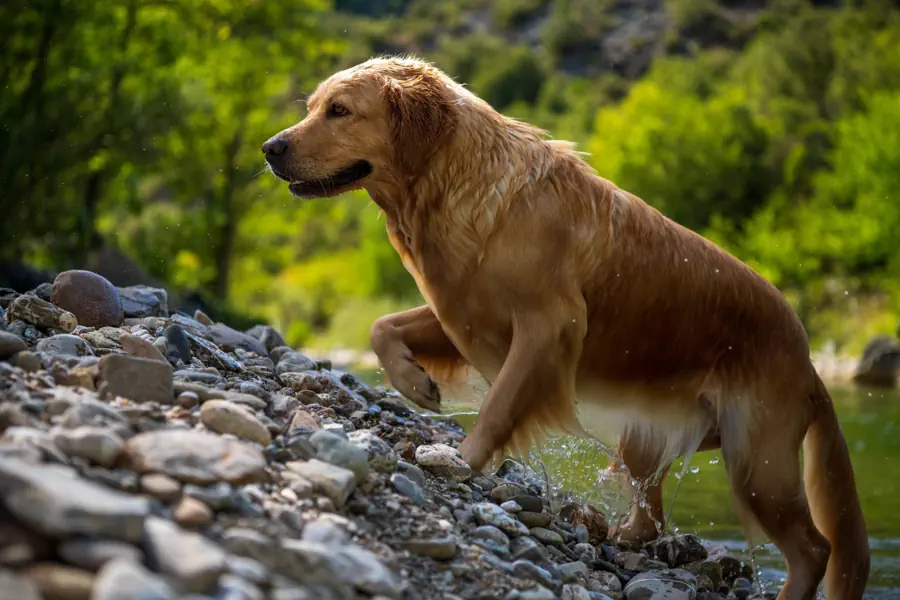
Active dogs that play outside often get dirtier. Dogs who swim or roll in mud need more baths. Less active dogs or indoor dogs stay cleaner longer. Their bath schedule can be more relaxed. Activity level directly affects how often dirt and odors build up.
Skin Conditions
Some dogs have sensitive or dry skin. Over-bathing can cause irritation or dryness. Dogs with skin allergies might need special shampoos and fewer baths. Regular baths with proper products help manage some skin problems. Always follow vet advice for skin care routines.
Climate And Environment
Hot, humid climates can make dogs sweat and smell faster. Dusty or muddy environments cause dogs to get dirty quickly. Cold climates might reduce the need for frequent baths. Environmental factors impact how often dogs need washing to stay clean and comfortable.

Credit: www.reddit.com
Recommended Bathing Schedules
Bathing your dog is important for their health and comfort. The right bathing schedule depends on factors like age, coat type, and skin sensitivity. Establishing a proper routine keeps your dog clean without drying out their skin.
Different dogs need different bathing frequencies. Too many baths can remove natural oils. Too few baths may cause odor or skin problems. Finding balance is key.
Puppies Vs Adult Dogs
Puppies need fewer baths than adult dogs. Their skin is delicate and can dry out easily. Bathing puppies once a month is usually enough. Use gentle puppy shampoo made for sensitive skin.
Adult dogs can be bathed every 3 to 4 weeks. Active dogs that get dirty may need baths more often. Always watch for signs of skin irritation.
Short-haired Vs Long-haired Breeds
Short-haired dogs often need less frequent baths. Their coat dries faster and traps less dirt. Bathing every 4 to 6 weeks works well for them.
Long-haired breeds require more regular baths. Their fur can hold dirt and oils longer. Bathing every 3 to 4 weeks helps prevent matting and odor.
Dogs With Sensitive Skin
Dogs with sensitive skin need careful bathing schedules. Bathing too often can cause itching or dryness. Use mild, hypoallergenic shampoos designed for sensitive skin.
Bathing every 4 to 6 weeks is usually best. Avoid harsh soaps and hot water. Always rinse thoroughly to remove shampoo residues.
Choosing The Right Shampoo
Choosing the right shampoo for your dog is essential for healthy skin and coat. A good shampoo cleans without causing dryness or irritation. It suits your dog's specific needs, such as coat type and skin condition. Using the wrong shampoo can cause itching, redness, or dull fur. Understanding the ingredients helps in making the best choice.
Ingredients To Look For
- Natural oils like oatmeal or aloe soothe the skin.
- Chamomile calms irritation and redness.
- Vitamin E promotes healthy skin and shiny fur.
- Gentle cleansers clean without stripping natural oils.
- Hypoallergenic formulas reduce allergic reactions.
Avoiding Harmful Chemicals
- Stay away from shampoos with parabens or sulfates.
- Artificial fragrances can cause allergies or irritation.
- Alcohol-based shampoos may dry out the skin.
- Harsh detergents strip natural oils and damage fur.
- Check labels for harmful preservatives or dyes.
Medicated Shampoos
Medicated shampoos treat skin problems like infections or allergies.
They contain special ingredients such as chlorhexidine or ketoconazole.
Use only as directed by a vet to avoid side effects.
These shampoos help relieve itching and reduce inflammation.
Regular shampoos cannot replace medicated ones for skin conditions.
Credit: www.mygoldenretrieverpuppies.com
Bathing Techniques For Dogs
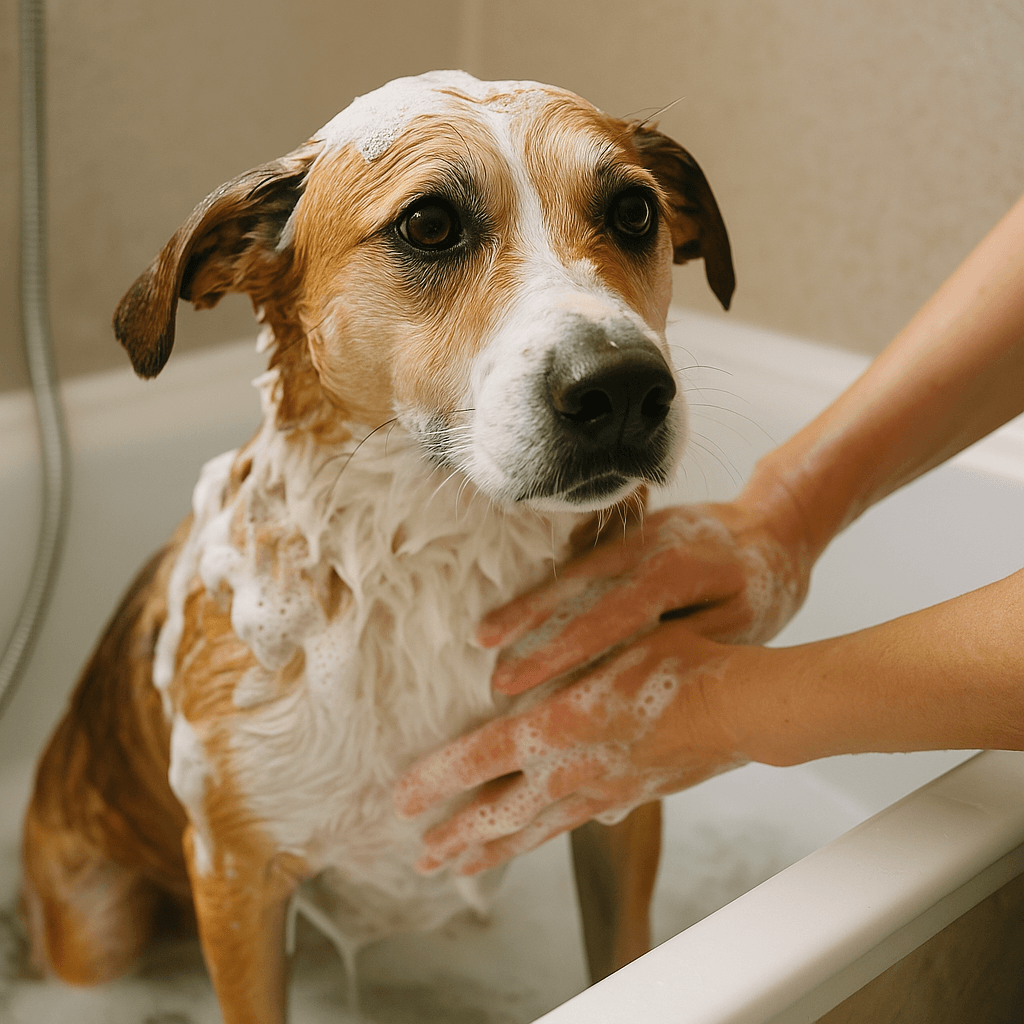
Bathing your dog can be a bonding experience, but it requires the right techniques to keep your furry friend comfortable and clean. Understanding how to prepare your dog, manage water temperature and pressure, and properly dry them is key to a stress-free bath time. These steps ensure your dog stays happy and healthy without the bath turning into a battle.
Preparing Your Dog
Before the bath, brush your dog thoroughly to remove loose fur and tangles. This helps the shampoo reach the skin more effectively and reduces shedding in your tub.
Make sure your dog is calm by speaking softly and offering treats. This sets a positive tone and makes the experience less scary for them.
Gather all your supplies—shampoo, towels, and a cup or sprayer—within arm’s reach so you don’t leave your dog unattended.
Water Temperature And Pressure
Use lukewarm water; too hot or too cold water can upset your dog’s skin and make them anxious. Test the temperature on your wrist before starting.
Keep water pressure low to avoid startling your dog. A gentle flow is enough to rinse away dirt without causing discomfort.
Spray water slowly, starting from the neck and moving down the body. Avoid spraying directly on the face to protect their eyes and ears.
Drying Methods
Use a soft towel to gently pat your dog dry. Avoid rubbing harshly as it can tangle their fur or irritate their skin.
If your dog tolerates it, use a blow dryer on a low, cool setting. Hold it at a distance and move it constantly to prevent overheating any spot.
Let your dog air dry in a warm room if they don’t like blow dryers. Just make sure they don’t stay wet for too long to avoid chills or skin issues.
Signs You Need To Bathe Your Dog
Knowing when to bathe your dog is just as important as how often you do it. Bathing too frequently can strip natural oils, while too rarely can lead to discomfort and health issues. Paying attention to clear signs your dog needs a bath helps keep them clean, healthy, and happy.
Odor And Dirt
Does your dog have a noticeable smell that lingers even after playtime outside? A strong, unpleasant odor often means it’s time for a bath. Dirt and mud buildup not only look messy but can trap bacteria, which leads to that “doggy” smell you want to avoid.
Think about the last time your dog rolled in something unpleasant. Waiting too long to wash them off can make the smell worse and harder to remove. You don’t want to live with that reminder of your dog’s adventures every day, right?
Skin Irritations
If your dog is scratching more than usual or seems uncomfortable, their skin might be telling you it’s time for a bath. Dirt, oils, and allergens can build up, causing redness or irritation. Bathing with the right shampoo can soothe the skin and reduce itching.
Keep an eye out for flaky or dry patches too. These are often signs of skin problems that a good bath can help manage or prevent from worsening. Ignoring these signs might mean your dog is dealing with avoidable discomfort.
Excessive Shedding
Shedding is normal, but if you notice more hair than usual around your home, a bath might help. Bathing loosens dead hair and removes dirt, which can reduce shedding. It also helps keep your dog’s coat healthy and shiny.
Have you ever noticed how your dog’s fur looks after a bath? It’s usually softer and less tangled, making brushing easier and less painful for them. Regular baths tailored to your dog’s needs can make shedding a lot more manageable for both of you.

Credit: www.scenthound.com
Common Bathing Mistakes To Avoid
Bathing your dog might seem straightforward, but many pet owners unknowingly make mistakes that can harm their furry friend. These errors affect your dog's skin health, coat shine, and overall comfort. Recognizing common pitfalls helps you avoid unnecessary problems and keeps your dog happy and healthy.
Overbathing Risks
Bathing your dog too often strips away natural oils that protect their skin. This can lead to dryness, itching, and even skin infections. Think about how your skin feels after frequent washing—your dog's skin reacts similarly.
Ask yourself: Does your dog really need a bath every week, or would every few weeks be enough? Unless your dog gets into something particularly dirty or smelly, less frequent baths often work better.
Improper Rinsing
Leaving shampoo residue on your dog's coat is more common than you might think. This residue can cause irritation and attract dirt faster. Always rinse thoroughly with clean water until the water runs clear.
Try using a handheld shower or a cup to rinse carefully around sensitive areas like ears and under the belly. Your dog will thank you with less scratching and a fresher smell.
Using Human Products
Human shampoos are not designed for a dog’s skin pH and can cause dryness or allergic reactions. You might notice redness, flakiness, or excessive scratching soon after using these products. Stick to shampoos made specifically for dogs—they are formulated to be gentle and safe.
Consider shampoos that match your dog's coat type or skin condition, whether it’s sensitive, oily, or prone to fleas. Choosing the right product can make a big difference in your dog’s comfort and coat quality.
Alternative Grooming Options
Bathing a dog too often can dry out their skin and coat. Alternative grooming options help keep your dog clean without frequent baths. These methods maintain hygiene and comfort between washes. They also save time and reduce stress for your pet.
Dry Shampoo And Wipes
Dry shampoo is a powder or spray that cleans without water. It absorbs oils and removes dirt quickly. Use dog-specific dry shampoo to avoid skin irritation. Wipes are handy for spot cleaning paws, face, and fur. They freshen your dog and remove surface dirt easily.
Professional Grooming Services
Professional groomers offer baths, haircuts, and nail trims. They know how to clean your dog safely and well. Groomers can handle tough mats and sensitive skin. Regular visits keep your dog looking neat and feeling good. This service suits busy owners or dogs needing special care.
Regular Brushing Benefits
Brushing your dog removes loose hair and dirt. It spreads natural oils, making the coat shiny. Brushing prevents mats and tangles that cause discomfort. It also helps check for skin problems early. Daily or weekly brushing keeps your dog cleaner longer.
Frequently Asked Questions
How Often Should You Bathe A Dog Weekly?
Most dogs should be bathed once every 1 to 3 weeks. This frequency keeps their coat clean without drying their skin. Adjust based on breed, activity, and skin condition for best results.
Can Bathing Too Often Harm My Dog’s Skin?
Yes, bathing too frequently can strip natural oils. This causes dry, irritated skin and a dull coat. Stick to recommended intervals to maintain healthy skin balance.
What Factors Affect How Often To Bathe A Dog?
Breed, coat type, activity level, and skin health influence bathing frequency. Dogs with oily coats may need weekly baths. Less active or short-haired dogs require fewer baths.
Should Puppies Be Bathed Differently Than Adult Dogs?
Puppies need gentler care and fewer baths. Bathing a puppy once a month is usually enough. Use mild, puppy-specific shampoo to protect their sensitive skin.
Conclusion
Bathing your dog depends on breed and lifestyle. Some dogs need frequent baths. Others, not so much. Observe your pet's needs. Check their coat and skin. Regular grooming keeps them healthy and happy. Always use dog-friendly products. Human shampoos can harm their skin.
Routine baths prevent odor and keep them clean. Consult your vet for personalized advice. They know best about your dog's health. Consistent care makes a difference. Happy and clean dogs are a joy. Keep them fresh and full of life.
Your furry friend deserves the best care.