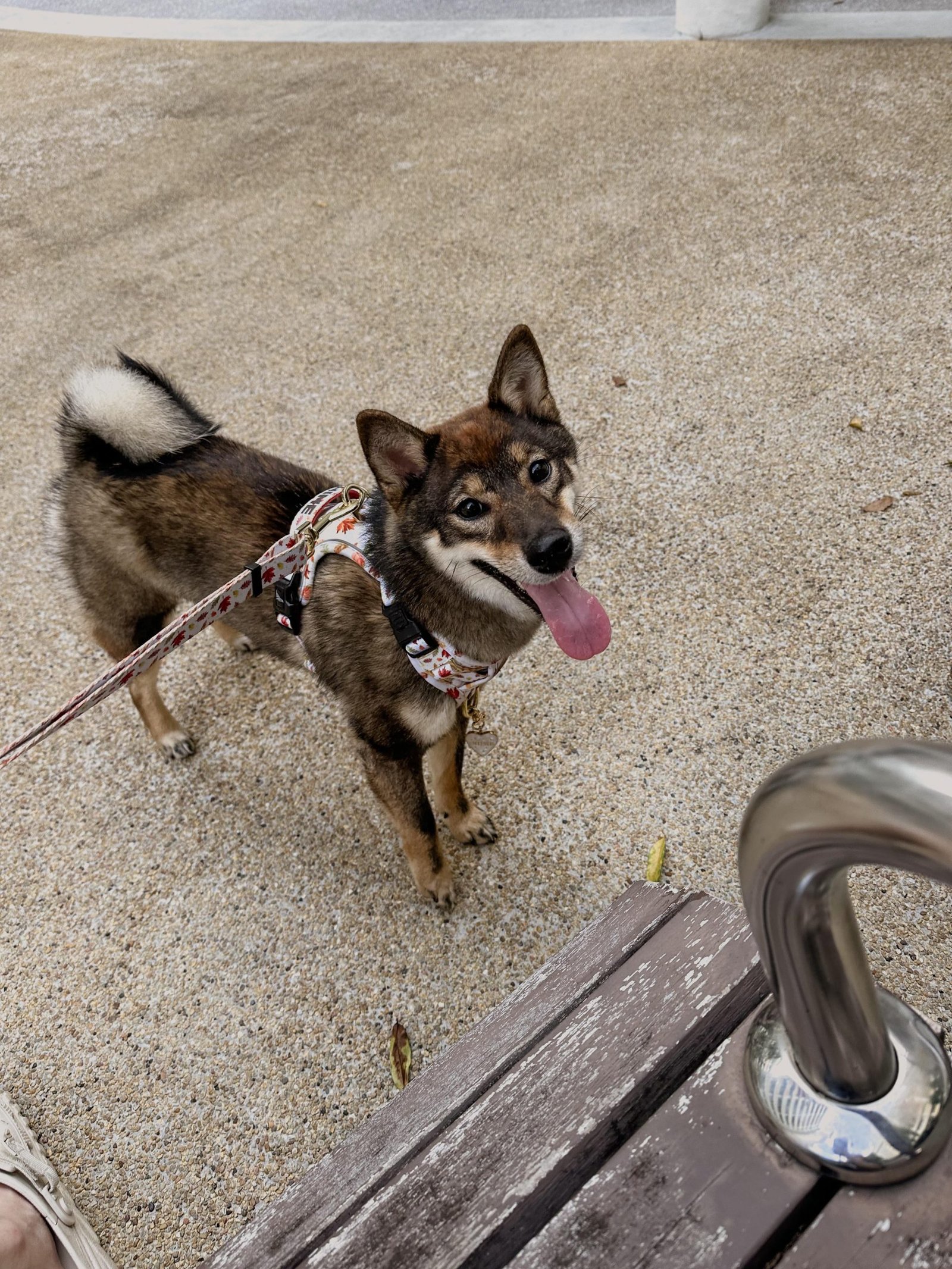
Are you struggling with potty training your dog and wondering if spaying could make a difference? You’re not alone.
Many dog owners ask if spaying helps with housebreaking and if it can speed up the process. The good news is, understanding how spaying affects your dog’s behavior might just be the key you need. Keep reading to discover the surprising connection between spaying and potty training—and how it can make your life easier.

Credit: petparentsbrand.com
Spaying And Dog Behavior
Spaying a dog can influence its behavior in several ways. The procedure removes the ovaries and usually the uterus, which changes hormone levels. These hormonal changes often lead to shifts in how a dog acts. Understanding these effects helps owners manage their dog's behavior better.
How Spaying Affects Hormones
Spaying stops the production of key hormones like estrogen and progesterone. These hormones control the dog's heat cycle and reproductive behaviors. Without them, many behaviors linked to mating and heat disappear.
Reduced hormone levels can lower the urge to roam or mark territory. This can make dogs calmer and less distracted. It also reduces the risk of certain health problems caused by hormones.
Behavioral Changes After Spaying
After spaying, many dogs show less aggressive or dominant behavior. They may become more relaxed and easier to train. The changes depend on the dog's age and personality.
Spayed dogs usually stop showing signs of heat like whining or restlessness. This can help with potty training since the dog is less likely to urinate to mark territory. Training may become quicker and less stressful.
Some dogs might gain weight after spaying. This happens because their metabolism slows down slightly. Regular exercise and a balanced diet can prevent this.

Credit: k9connoisseur.com
Potty Training Basics
Potty training your dog is one of the first major challenges every pet owner faces. It requires patience, consistency, and a clear understanding of your dog’s needs and habits. Getting the basics right sets the foundation for smooth training and fewer accidents in your home.
Key Principles Of Successful Training
Consistency is the backbone of potty training. Set regular times for bathroom breaks, especially after meals, naps, and playtime. Your dog learns best when routines are predictable.
Positive reinforcement helps your dog connect good behavior with rewards. Praise, treats, or playtime immediately after your dog goes potty outside reinforces the habit effectively.
Watch your dog closely for signs like sniffing or circling, which often indicate they need to go. Respond quickly to these cues to prevent accidents indoors.
Common Challenges In Potty Training
One frequent hurdle is accidents happening despite your efforts. Remember, accidents are part of the learning process, not a failure. Avoid punishment; it can confuse your dog and slow progress.
Another challenge is inconsistent schedules, especially if multiple people care for your dog. Make sure everyone follows the same routine and rules to avoid mixed signals.
Some dogs may have medical issues or anxiety affecting potty training. If progress stalls, consult your vet to rule out health problems or get advice on managing stress-related behaviors.
Link Between Spaying And Potty Training
Understanding the link between spaying and potty training helps pet owners manage their dog's behavior better. Spaying can affect a dog's hormones, which may influence how they learn and control bathroom habits. It is important to explore how spaying impacts training and the best time to perform the surgery for positive results.
Does Spaying Improve Training Results?
Spaying removes the dog's ability to reproduce and lowers hormone levels. This can reduce some behaviors linked to mating, like marking territory indoors. Many dogs become calmer after spaying, which may help them focus during potty training. Spaying alone does not teach a dog where to go, but it can make training easier by reducing distractions.
Dogs that are not spayed may have more accidents due to hormonal urges. These urges can cause them to mark or urinate in the house. After spaying, these urges often decrease, leading to fewer potty problems. Still, training consistency and patience remain key to successful potty training.
Timing Spaying For Best Potty Training Outcomes
The age at which a dog is spayed can affect potty training progress. Many vets recommend spaying before the dog reaches sexual maturity. This timing can prevent hormone-driven behaviors from developing fully. Spaying too early may interfere with growth, so consulting a vet is important.
Spaying after the puppy starts learning potty rules is common. This allows training to begin without hormonal distractions. Owners should maintain a regular training routine before and after the surgery. Careful timing supports smoother behavior changes and better potty habits.
Credit: www.lemon8-app.com
Proven Potty Training Tips
Potty training your dog can feel like a daunting task, but certain proven tips make the process smoother and more effective. These tips focus on creating consistency, rewarding good behavior, and managing mistakes in a calm way. Are you ready to see how small changes in your routine can lead to big progress?
Establishing A Routine
Dogs thrive on consistency, so set a schedule for bathroom breaks and stick to it. Take your dog outside first thing in the morning, after meals, and before bedtime. Regular timing helps your dog learn when and where to go, reducing accidents indoors.
Try to use the same spot for bathroom breaks every time. This helps your dog associate that area with potty time. How might your dog’s behavior improve if you kept a strict routine for a week?
Positive Reinforcement Techniques
Reward your dog immediately after they go potty outside to reinforce good habits. Use treats, praise, or playtime as positive feedback. Timing is crucial—if you wait too long, your dog won’t connect the reward with the right behavior.
Keep training sessions upbeat and short to maintain your dog’s interest. Have you noticed how your dog responds differently to praise versus treats? Tailor your rewards to what motivates your dog the most.
Handling Accidents Effectively
Accidents will happen, especially during the early days of training. Avoid scolding your dog, as it can create fear or confusion. Instead, calmly clean the area with an enzymatic cleaner to remove odors that might attract repeat accidents.
Observe your dog’s signals and consider if the accident was due to a missed schedule or health issue. What changes can you make to your routine to prevent future mishaps?
Health Benefits Of Spaying
Spaying a dog offers many health benefits. It helps prevent certain behaviors and serious illnesses. These benefits can also support easier potty training. Knowing the health advantages gives a clearer view of why spaying is important.
Reducing Marking And Spraying
Spaying lowers a dog's urge to mark territory. Intact females often spray urine to attract mates. This behavior can cause accidents inside the home. After spaying, hormone levels drop, reducing this urge. Less marking means fewer potty training challenges.
Preventing Reproductive Diseases
Spaying removes the risk of uterine infections and cancers. Pyometra is a common and dangerous infection in female dogs. Spaying eliminates the uterus and ovaries, stopping these diseases. Early spaying can also reduce the chance of breast tumors. Healthy dogs learn potty habits more easily and stay active longer.
Expert Advice And Owner Experiences
Spaying a dog is often discussed as a way to improve potty training. Many pet owners and experts share their views on this topic. Understanding their insights can help you make better decisions for your dog’s training journey.
This section presents advice from veterinarians and real stories from dog owners. Their experiences show how spaying may affect potty training results.
Veterinarian Insights
Veterinarians explain that spaying can influence a dog’s behavior. After spaying, hormone levels drop, which may reduce some marking habits. This can make potty training easier for some dogs.
However, vets stress that spaying is not a magic fix for potty training. Training consistency and patience remain the most important factors. Spaying helps by lowering distractions linked to heat cycles.
Some vets note that spaying before puberty might reduce the chance of accidents inside the house. But they remind owners to combine spaying with proper training routines.
Real-life Training Success Stories
Many dog owners share positive experiences after spaying their pets. They report fewer accidents and faster learning of potty rules.
- One owner said spaying stopped her dog’s frequent marking indoors.
- Another owner noticed calmer behavior, which helped focus on training.
- Some owners mentioned that spaying helped reduce anxiety related to heat cycles.
These stories show that spaying can support potty training. Still, owners emphasize that patience and clear routines are key. Each dog reacts differently, so results may vary.
Frequently Asked Questions
Does Spaying Improve A Dog's Potty Training?
Spaying can reduce hormonal behaviors linked to marking. However, it doesn't directly teach potty training. Consistent training remains essential for success.
When Is The Best Age To Spay For Training?
Spaying is often recommended between 6 to 9 months. Early spaying may help reduce some behavioral issues but doesn’t replace training.
Can Spaying Stop A Dog From Marking Indoors?
Spaying lowers the chance of marking, especially in females. But some dogs may still mark due to habits or stress.
How Does Spaying Affect A Dog’s Behavior?
Spaying can calm hormone-driven behaviors like roaming or aggression. It indirectly supports potty training by reducing distractions and anxiety.
Conclusion
Spaying a dog can influence behavior and health. It's not a guaranteed fix for potty training. Each dog is unique. Training requires patience and consistency. Spaying might help some dogs focus better. But don't rely on it alone. Consider other training methods too.
Consult with a vet for guidance. Understand your dog's needs and habits. Build a strong bond through training. Success comes with time and effort. Happy training!