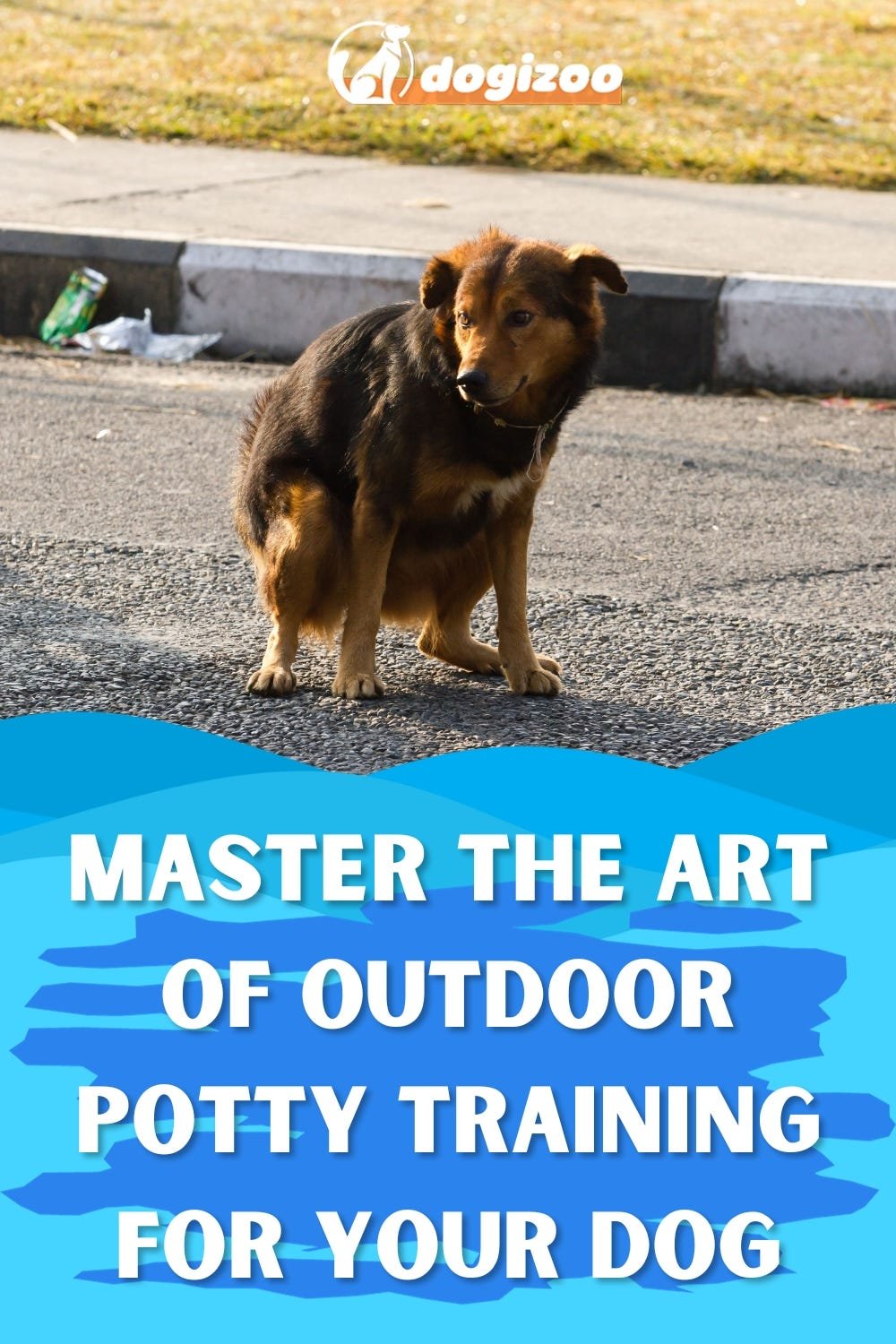
Training your dog to go potty outside can feel like a big challenge. But imagine the relief of no more accidents in your home and the joy of spending more quality time with your furry friend.
You want a clean house and a happy dog, right? The good news is, with the right steps, you can teach your dog this important habit faster than you think. Keep reading, and you’ll discover simple, effective tips that make potty training easier for both you and your dog.
Choose A Designated Potty Spot
Choosing a designated potty spot is a key step in training your dog to go outside. This spot becomes your dog's go-to bathroom area, helping them understand where it’s appropriate to relieve themselves. Picking the right place can make potty training smoother and reduce accidents inside your home.
Pick A Consistent Location
Consistency is crucial. Dogs learn best when they have a clear and steady routine. Choose one spot outside where you will always take your dog to potty.
By always bringing your dog to the same area, you help them associate that place with bathroom time. This reduces confusion and speeds up the training process. Have you noticed how your dog reacts when taken to a new place? Staying consistent avoids those moments of hesitation.
Consider Accessibility And Safety
Make sure the potty spot is easy for your dog to reach. If it’s too far or hard to get to, your dog might hold it too long or have accidents on the way.
Safety matters too. Avoid spots near busy roads or places with harmful plants or chemicals. A quiet, secure area gives your dog confidence and reduces distractions.
Think about your daily routine as well. Is the potty spot accessible during bad weather? Can you get there quickly when your dog signals they need to go? Choosing a convenient and safe location sets both you and your dog up for success.
Establish A Routine
Creating a consistent schedule helps your dog learn where and when to go potty. Dogs thrive on routine. It makes them feel safe and understand what to expect each day. Establishing a regular potty routine reduces accidents inside the house. It also builds good habits that last a lifetime.
Set Regular Potty Times
Take your dog outside at the same times every day. Common times include:
- First thing in the morning
- After meals
- Before bedtime
- Every two to three hours for puppies
Consistent timing helps your dog’s body get used to a schedule. They will start to feel the urge to go at these times. Praise your dog immediately after they go outside. This positive feedback encourages them to keep going in the right place.
Monitor Feeding And Drinking Schedule
Feed your dog at set times daily. Avoid free-feeding. A regular feeding schedule means predictable potty needs. Watch how much your dog drinks. Limit water intake before bedtime to reduce nighttime accidents. Keeping food and water on a schedule supports your potty training goals. This balance helps control when your dog needs to relieve itself.
Use Clear Commands
Using clear commands helps your dog understand what you want. Dogs learn best when instructions are simple and repeated. Clear words make potty training faster and less confusing. You want your dog to link words with actions quickly. Consistency in commands builds trust and good habits.
Select Simple Potty Words
Choose short and easy words for potty time. Words like “potty,” “go,” or “outside” work well. Keep commands the same every time. Avoid using different phrases for the same action. Simple words are easier for dogs to remember. Use the chosen word right before your dog goes outside.
Reinforce Commands Consistently
Say your potty command every time before going outside. Use the same tone and volume to avoid confusion. Praise your dog immediately after they go potty outside. Positive feedback helps dogs connect the command with the action. Repeat this routine daily for the best results. Consistency makes potty training clear and effective.

Credit: www.youtube.com
Positive Reinforcement Techniques
Positive reinforcement is a gentle and effective way to teach your dog where to go potty. This method uses rewards to encourage good behavior. Dogs learn best when they associate actions with positive outcomes. Positive reinforcement builds trust and makes training a happy experience for both of you.
Reward Immediately After Success
Timing matters a lot in training. Give your dog a reward right after they go potty outside. This helps your dog connect the action with the reward. A delay can confuse your dog, making training less effective. Use a calm voice to say “Good job” as soon as they finish. Quick rewards create clear and strong learning signals.
Incorporate Treats And Praise
Treats and praise work together to motivate your dog. Choose small, tasty treats your dog loves. Offer a treat along with a cheerful “Well done!” or “Good dog!” This combination makes your dog feel happy and proud. Over time, your dog will want to repeat the behavior to get more rewards. Keep treats handy during training sessions for quick use.
Handle Accidents Calmly
Handling accidents calmly is one of the most important parts of training your dog to go potty outside. Dogs don’t understand punishment or anger—they only pick up on your emotions. Staying calm helps your dog feel safe and less anxious, which actually speeds up the learning process.
Avoid Punishment
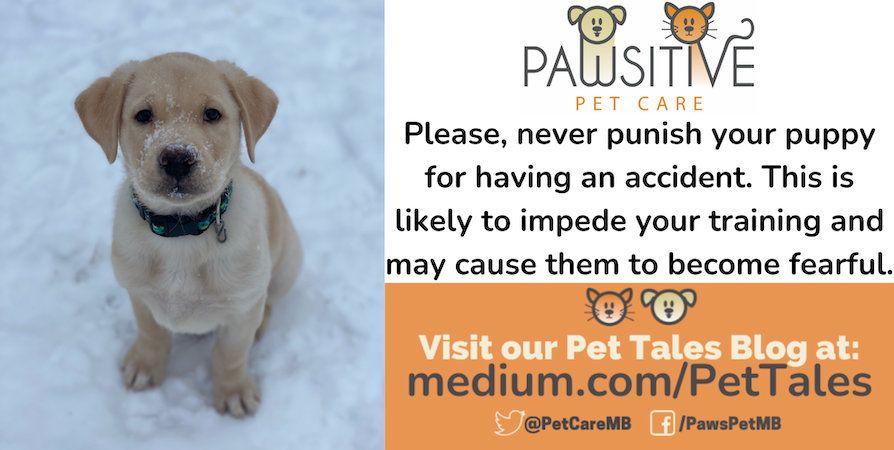
Have you ever snapped at your dog after finding a puddle on the floor? It might feel natural, but punishment can confuse your dog and make them scared. Instead of understanding what they did wrong, your dog might start hiding when they need to go or become anxious around you.
Try to focus on positive reinforcement. Praise your dog immediately after they go outside. Use treats, gentle pats, or happy words so they connect going potty outside with good things.
Clean Up Properly To Remove Odors
Dogs have a strong sense of smell, and leftover odors can invite repeat accidents in the same spot. It’s important to clean any indoor accidents thoroughly. Use enzymatic cleaners designed to break down urine and feces odors completely.
Regular household cleaners often mask the smell but don’t eliminate it. If you don’t clean properly, your dog will keep returning to that spot. Have you noticed your dog going back to the same corner? It’s usually because the smell is still there.
Keep a cleaning kit handy with:
- Enzymatic cleaner spray
- Paper towels or cloths
- Gloves to protect your hands
Cleaning quickly and thoroughly helps your dog learn to choose the outdoors instead.
Credit: medium.com
Gradually Increase Independence
Helping your dog gain independence in potty training is key to long-term success. It builds their confidence and reduces your workload. Gradually stepping back allows your dog to learn when and where to go without constant supervision.
Extend Time Between Potty Breaks
Start by increasing the time between potty breaks slowly. If your dog usually goes out every hour, try waiting 75 minutes instead. This helps your dog hold it longer and understand bladder control.
Watch for signs your dog needs to go, like sniffing or circling, rather than rushing them out on a strict schedule. This shift teaches your dog to communicate their needs. Have you noticed how your dog signals before needing a potty break?
Encourage Self-initiated Potty Trips
Let your dog decide when to go outside by making the door accessible. Use a doggy door or leave the main door slightly open if safe. This freedom encourages your dog to take potty trips on their own.
Reward your dog with praise or treats when they go outside without being prompted. This positive feedback reinforces the behavior. How might your dog’s confidence improve if they feel trusted to manage their potty needs?
Troubleshooting Common Issues
Training your dog to go potty outside is rewarding, but it can come with challenges. You might hit a few bumps like reluctance to step outdoors or sudden setbacks. Knowing how to troubleshoot these issues can keep your training on track and your bond strong.
Address Reluctance To Go Outside
Sometimes your dog may resist going outside for potty breaks. This could be because of fear, bad weather, or unfamiliar surroundings. Watch for signs like hesitation at the door or whining.
Try making the outdoor space more inviting:
- Use treats or toys near the door to create a positive association.
- Choose a quiet, sheltered spot for potty time to avoid distractions or loud noises.
- Go outside with your dog and offer praise when they explore the area.
Have you noticed if your dog is uncomfortable because of noise or other animals? Addressing those factors can make a big difference.
Manage Regression Or Setbacks
Even well-trained dogs can have accidents or regress occasionally. This can happen during changes like moving homes, new pets, or health issues. Don’t get discouraged—it’s part of the process.
Handle setbacks by:
- Revisiting the potty training routine with consistent timing.
- Cleaning accidents thoroughly to remove odors that might encourage repeat behavior.
- Rewarding your dog immediately after they go outside to reinforce the habit.
If your dog suddenly starts having accidents, ask yourself: Has anything changed recently in their environment or routine? Identifying triggers helps you fix problems faster.
Credit: www.lemon8-app.com
Frequently Asked Questions
How Long Does Potty Training Take For Dogs?
Potty training time varies by dog age and breed. Most dogs learn within 4 to 6 weeks with consistent training. Puppies may take longer due to smaller bladder control. Patience and regular schedules speed up the process effectively.
What Is The Best Time To Take Dogs Outside?
Take dogs outside first thing in the morning, after meals, and before bedtime. Frequent trips every 1-2 hours help puppies learn faster. Consistent timing builds a reliable potty routine, reducing accidents indoors and encouraging outdoor elimination.
How To Prevent Indoor Accidents During Training?
Supervise your dog closely indoors and use crate training. Interrupt accidents gently and immediately take your dog outside. Clean accidents with enzymatic cleaners to remove odors. Reward outdoor potty to reinforce positive behavior and minimize indoor mistakes.
What Commands Should I Use For Potty Training?
Use simple, consistent commands like “Go potty” or “Do your business. ” Say the command each time you take your dog out to potty. Reward immediately when your dog relieves outside. Consistent command use helps dogs associate words with the desired action.
Conclusion
Training your dog to potty outside takes patience and consistency. Celebrate small successes. Use rewards to motivate your furry friend. Keep a regular schedule for feeding and bathroom breaks. Always supervise your dog during the process. Clean accidents promptly to prevent repeat behavior.
Stay positive and calm, even during setbacks. Every dog learns at their own pace. It may take time, but your efforts will pay off. A well-trained dog brings peace to your home. Enjoy the bonding experience with your pet. Happy training!