Is your cat peeing on your dog’s bed? It’s frustrating, confusing, and maybe even a little gross.
You wonder why your furry friend is acting this way and what you can do to stop it. This behavior isn’t just about being naughty—it often means something deeper is going on. You’ll discover the real reasons behind this puzzling habit and find simple, effective solutions to bring peace back to your home.
Keep reading, because understanding why your cat is doing this can save you time, stress, and protect your pets’ comfort.

Credit: www.reddit.com
Cat Behavior And Territory
Understanding your cat's behavior and sense of territory is key to figuring out why they might be peeing on your dog's bed. Cats use various signals and actions to mark their space and communicate with other animals. This behavior often relates to how they perceive their environment and the presence of other pets.
Territorial Marking Habits
Cats mark their territory to feel secure and in control. Urine marking is one of their ways to establish boundaries, especially if they sense competition from your dog. Your cat might see the dog's bed as a prime spot to claim because it carries your dog's scent, which can be seen as a challenge.
Have you noticed your cat rubbing its face on furniture or doorways? That’s another form of marking using scent glands. Urine marking, however, is more intense and often signals that your cat is stressed about territory.
Stress And Anxiety Triggers
Stress can push your cat to act out in ways that seem confusing or frustrating, like peeing outside the litter box. Changes in your home environment, new pets, or even shifts in your schedule can cause anxiety. This stress often leads your cat to mark areas they consider important or contested.
Consider if any recent changes might be unsettling your cat. Has your dog started using a new bed or space? Your cat might be responding to this change by marking the bed to reassert their presence.
Addressing these triggers requires patience and observation. Providing separate spaces and consistent routines can help reduce tension between your pets.
Pet Relationship Dynamics
Understanding the dynamics between your cat and dog can reveal why your cat chooses to pee on your dog's bed. Pets share a unique bond, but this relationship can be complex and sometimes tense. Observing their interactions offers clues to behaviors that might seem puzzling at first.
Cat And Dog Interaction
Cats and dogs communicate very differently, which can lead to misunderstandings. Your cat might feel threatened or stressed by your dog’s presence, even if your dog is friendly. This stress can cause your cat to mark the dog’s bed as a way to claim their own space.
Have you noticed if your cat avoids eye contact or hides when near your dog? These subtle signs can indicate discomfort that leads to territorial marking. Creating separate safe zones for each pet can reduce this tension and prevent unwanted behavior.
Jealousy And Attention Seeking
Pets are sensitive to how you divide your attention. If your cat feels overlooked because you spend more time with your dog, they might urinate on the dog’s bed to get noticed. This behavior is a clear signal of jealousy and a plea for your focus.
Try observing when the peeing happens—does it coincide with times you’re cuddling or playing with your dog? Increasing quality time with your cat alone can ease their need to compete. Using interactive toys or scheduled play sessions can help your cat feel valued and secure.
Health Issues To Consider
Health problems can cause your cat to pee on your dog's bed. Cats often show changes in behavior when they feel unwell. Urinating outside the litter box may signal pain or discomfort. Checking your cat's health is important to find the cause. Early care can prevent serious issues and stop this behavior.
Urinary Tract Infections
Urinary tract infections (UTIs) are common in cats. UTIs cause pain during urination. Your cat may urinate more often and in unusual places. The dog's bed might smell like a safe spot or a good place to mark. A vet can test for UTIs with a simple urine check. Treatment usually involves antibiotics and plenty of water.
Other Medical Conditions
Other health issues can make your cat pee outside the box. Kidney problems affect urination patterns. Diabetes can increase thirst and urination. Bladder stones cause pain and discomfort. Stress from illness can also change behavior. A vet visit is needed to diagnose these conditions. Proper treatment can reduce accidents and help your cat feel better.
Environmental Factors
Environmental factors can strongly influence your cat’s behavior, including why it urinates on your dog’s bed. Cats are sensitive to changes around them. Their surroundings affect their comfort and stress levels. Stress or discomfort can lead to marking or inappropriate urination as a way to cope.
Understanding these factors helps you address the problem effectively. By adjusting the environment, you can reduce your cat’s stress and discourage unwanted behaviors.
Changes In The Household
Any change in the home can unsettle your cat. New people, pets, or furniture can cause anxiety. Moving to a new house or rearranging rooms also creates stress.
Your cat may mark familiar spots to feel safe. Urinating on the dog’s bed might be a way to claim territory. This behavior signals insecurity or a need for control in the cat’s environment.
Litter Box Problems
Litter box issues often cause cats to pee outside the box. The box might be dirty, too small, or in a noisy spot. Cats dislike dirty or smelly litter boxes and avoid using them.
Sometimes, the type of litter or box location matters. Your cat may prefer a different litter texture or a quieter, private place. If the litter box is near the dog’s bed, your cat might confuse the areas.
Regular cleaning and proper placement of litter boxes can reduce accidents. Providing multiple boxes in different locations helps, especially in multi-pet homes.
Solutions And Prevention
Finding your cat peeing on your dog's bed can be frustrating. Solutions and prevention focus on changing your cat’s environment and habits. Small adjustments help stop this behavior. It also keeps both pets comfortable and happy.
Improving Litter Box Appeal
Make sure the litter box is clean and inviting. Scoop it daily and wash it weekly. Use unscented, clumping litter to attract your cat. Place the box in a quiet, easy-to-access spot. Provide one more litter box than the number of cats. This reduces the chance your cat avoids the box.
Reducing Stress For Pets
Stress causes many unwanted behaviors in pets. Create a calm space for each pet. Use calming sprays or diffusers designed for cats. Keep routines consistent to reduce anxiety. Give your pets separate feeding and resting areas. Spend time playing and bonding with both pets.
Behavioral Training Tips
- Gently redirect your cat to the litter box after accidents.
- Reward your cat with treats and praise for using the box.
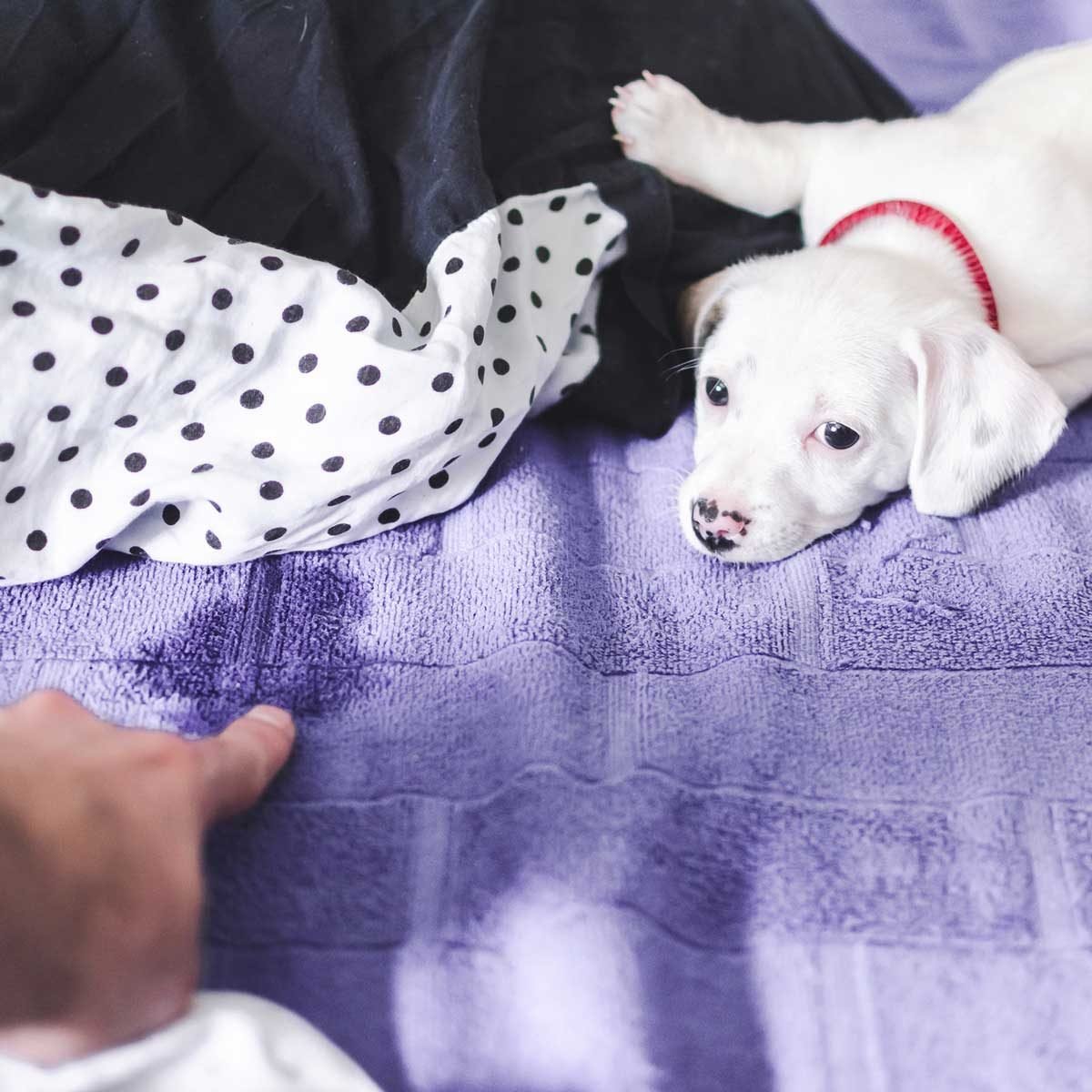
- Clean soiled areas with enzyme cleaners to remove odors.
- Avoid punishment, which can increase stress and worsen behavior.
- Consult a vet or animal behaviorist for persistent problems.
Credit: animals.howstuffworks.com
Credit: www.familyhandyman.com
Frequently Asked Questions
Why Is My Cat Peeing On My Dog's Bed?
Cats often pee on a dog's bed to mark territory or express stress. It can also signal medical issues or behavioral conflicts between pets.
How Can I Stop My Cat From Peeing On Dog’s Bed?
Clean the area thoroughly, use enzyme cleaners, and provide separate spaces. Address stress, medical problems, and use deterrents to prevent recurrence.
Is Cat Peeing On Dog’s Bed A Medical Issue?
Yes, urinary tract infections or bladder problems can cause inappropriate urination. Consult a vet to rule out health concerns before behavioral solutions.
Does Stress Cause Cats To Pee On Dog’s Bed?
Stress and anxiety can lead cats to mark territory by peeing. Changes in environment, new pets, or conflicts often trigger this behavior.
Conclusion
Solving your cat's peeing problem requires patience and understanding. Observe their behavior closely. Identify any stressors affecting them. Regular vet check-ups can help rule out medical issues. Make sure both pets feel comfortable and secure. Clean accidents promptly to remove odors.
Use pet-friendly cleaners. Consider adding more litter boxes in different locations. Encourage positive interactions between your pets. With the right approach, harmony is achievable. Remember, it's a process. Stay patient and consistent. Your pets will appreciate your efforts. Soon, you'll enjoy a peaceful home environment.