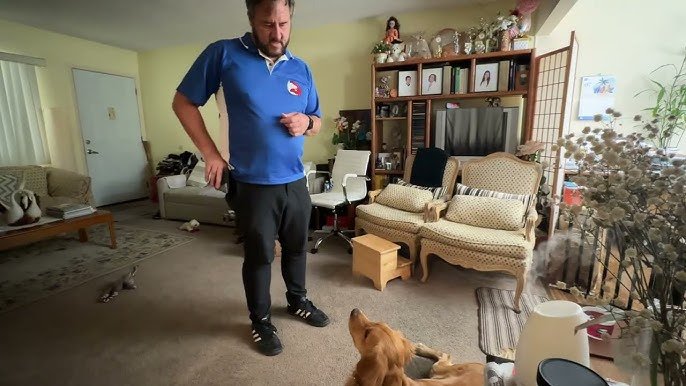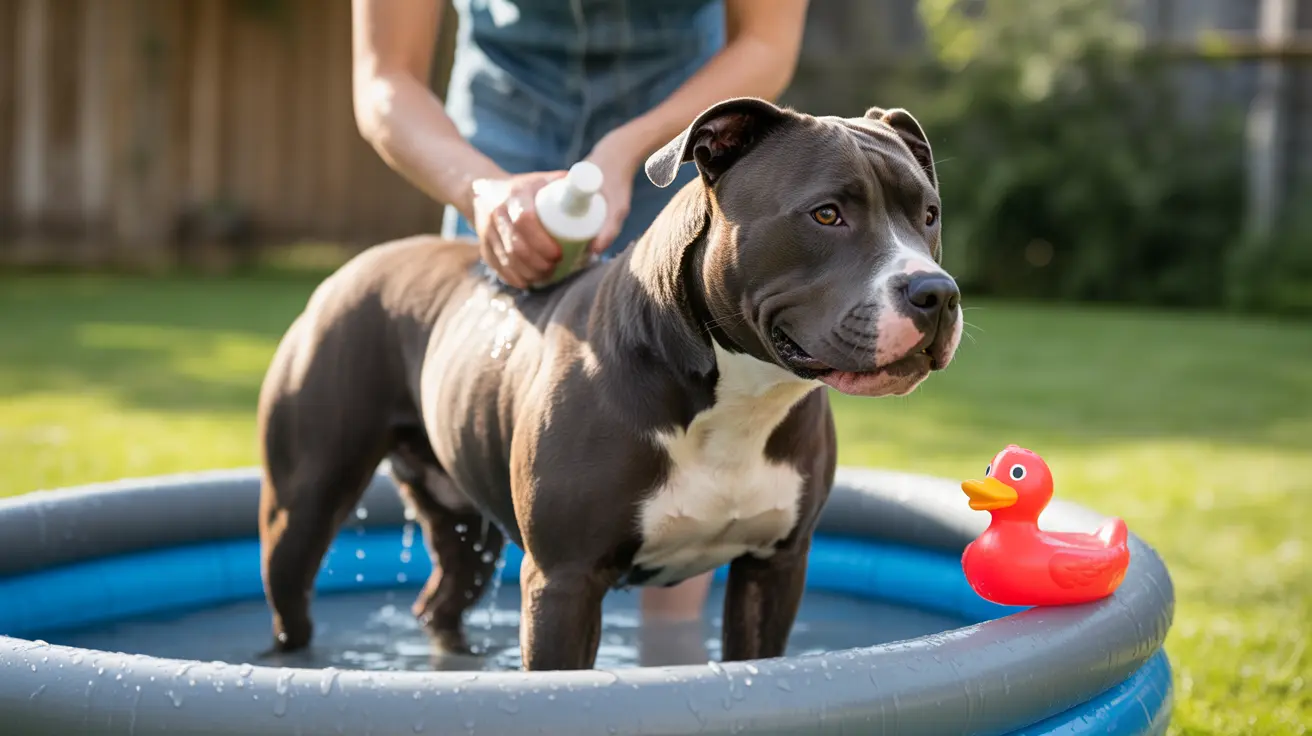
Have you ever noticed how your dog reacts after a bath? Some pups seem to love the fresh, clean feeling, while others act like they just survived a storm.
If you’ve ever wondered, “Do dogs like being clean after a bath? ” you’re not alone. Understanding your furry friend’s true feelings about bath time can help you make the experience better for both of you. Keep reading to discover surprising facts about your dog’s post-bath behavior and how you can keep them happy and comfortable after every wash.
Dogs' Natural Grooming Habits
Understanding your dog's natural grooming habits can change how you approach bath time and aftercare. Dogs have instincts and behaviors that guide how they keep themselves clean. Recognizing these habits helps you support their comfort and well-being.
How Dogs Clean Themselves
Dogs use their tongues as their primary tool for cleaning. Their rough tongues help remove dirt and loose fur from their coats. You might notice your dog licking themselves after a bath to dry off or restore their natural scent.
Besides licking, dogs also use scratching and rubbing against surfaces like grass or furniture. These actions help remove dead skin and dirt. Have you ever seen your dog roll on the ground right after a wash? It’s often their way of refreshing their coat.
Role Of Scent In Dog Behavior
Scent plays a huge role in how dogs perceive themselves and others. After a bath, a dog’s natural scent may be masked by shampoo or soap. This can feel strange or uncomfortable to them, leading to behaviors like scratching or rubbing to bring back their familiar smell.
Dogs also use scent to communicate and mark territory. When their natural odor is altered, they might try to reapply it quickly. Next time you bathe your dog, observe if they try to sniff or lick themselves more than usual afterward—it’s their way of feeling “normal” again.

Credit: www.parklandanimalclinic.com
Dogs' Reactions To Baths
Dogs react differently to baths depending on their personality and past experiences. Some love the feeling of being clean, while others find baths stressful. Understanding these reactions helps make bath time easier and more pleasant for your pet.
Common Signs Of Discomfort
- Whining or barking during the bath
- Trying to escape or resist getting wet
- Shaking their body constantly
- Tucked tail or lowered ears
- Avoiding eye contact with the owner
These signs show your dog may not enjoy the bath. They might feel scared or uneasy. Watching for these signals helps you know when to stop or try a gentler approach.
Enjoyment And Relaxation Factors
- Calm breathing and relaxed muscles
- Standing still or sitting quietly
- Tail wagging gently or softly
- Leaning into your touch
- Playful behavior after the bath
Some dogs find baths soothing and refreshing. Warm water and gentle massage can calm nerves. Positive experiences build trust and make future baths easier.
Benefits Of Bathing For Dogs
Bathing your dog is more than just a way to keep them smelling fresh. It plays a crucial role in maintaining their overall well-being. Understanding the benefits of bathing can help you appreciate why your furry friend might actually enjoy the clean feeling after a bath.
Health And Hygiene
Bathing removes dirt, allergens, and bacteria that accumulate on your dog’s skin and fur. This can prevent infections and reduce the risk of illnesses caused by harmful germs. Have you noticed your dog scratching less after a bath? That’s often because bathing helps wash away irritants that cause itching and discomfort.
Regular baths also help control parasites like fleas and ticks. Using the right shampoo can make a big difference in keeping these pests at bay. Plus, a clean dog is less likely to bring dirt and germs into your home, protecting your whole family’s health.
Skin And Coat Care
Bathing supports a healthy skin and shiny coat by removing excess oils and dead skin cells. It can also hydrate the skin if you use a moisturizing shampoo designed for dogs. You might have seen how your dog’s fur looks brighter and feels softer right after a bath—that’s the effect of proper coat care.
Baths can help spot skin problems early, like redness or bumps, so you can address them quickly. How often you bathe your dog depends on their breed and lifestyle, but keeping their skin clean is key to avoiding dryness or irritation. Have you ever noticed how your dog seems more comfortable and lively after a bath? That’s the skin and coat care working in action.
Why Some Dogs Resist Baths
Many dog owners wonder why some dogs seem to dread bath time despite the comfort and cleanliness that follows. Understanding the reasons behind this resistance helps you handle the situation better and create a more positive experience for your furry friend. It’s not just about getting them clean; it’s about easing their worries and building trust.
Fear And Anxiety Triggers
Dogs can associate baths with fear or anxiety due to unfamiliar sounds, slippery surfaces, or water temperature. The sound of running water or the splash can startle them, making bath time a stressful event. If your dog struggles during a bath, ask yourself if the environment feels safe and calm from their perspective.
Some dogs dislike the sensation of water on their skin or feel insecure on slick surfaces like a wet bathtub floor. You can try placing a non-slip mat to help your dog feel steadier and more confident. Have you noticed your dog’s body language changing during baths? Signs like trembling or trying to escape might signal deeper anxiety.
Past Negative Experiences
Dogs remember bad experiences vividly, and a rough bath in the past can make them wary of future ones. If a dog was forced into a bath or accidentally hurt by hot water or harsh shampoo, they will likely resist next time. Think about your dog's history—have they had any unpleasant encounters with baths before you adopted or rescued them?
Building new, positive associations with bath time takes patience. Start with gentle introductions to water and praise your dog for calm behavior. Small steps can change your dog's attitude, showing them that baths can be safe and even enjoyable.
Tips To Make Bath Time Enjoyable
Bath time doesn’t have to be a struggle for you or your dog. Making the experience pleasant can transform a dreaded chore into a bonding moment. Here are some practical tips to help your dog feel comfortable and even enjoy being clean after a bath.
Choosing The Right Products
Your dog’s skin and coat need gentle care, so pick shampoos and conditioners made specifically for dogs. Avoid human products, which can irritate their skin.
Look for options with natural ingredients like oatmeal or aloe vera that soothe and moisturize. If your dog has sensitive skin, hypoallergenic formulas work best.
Test a small amount first to check for any reactions. Have you noticed how your dog reacts to certain scents or textures? Use that to guide your choices.
Creating A Calm Environment
Bath time can be stressful if your dog feels overwhelmed. Keep the area quiet and free of distractions to help your dog stay relaxed.
Use warm water, not hot or cold, to avoid discomfort. A non-slip mat in the tub or sink prevents slipping and adds a sense of security.
Soft, slow talking reassures your dog throughout the bath. Consider playing calming music if your dog responds well to it. Have you tried dimming the lights to create a soothing atmosphere?
Positive Reinforcement Techniques
Reward good behavior with treats, praise, or a favorite toy. This links bath time with positive outcomes, encouraging your dog to cooperate.
Start with short baths and gradually increase the time as your dog gets used to the routine. Celebrate small victories, like staying still or allowing water on their paws.
Patience is key—never punish your dog for being nervous or fidgety. Instead, focus on what makes your dog feel safe and rewarded. What treats or rewards does your dog find most motivating during bath time?

Credit: www.theshowerheadstore.com
Signs Your Dog Feels Clean And Comfortable
Knowing if your dog feels clean and comfortable after a bath helps you care better for their needs. Dogs show clear signs that reveal their comfort level. Paying attention to these signs can strengthen your bond. Watch closely for changes in their body language and behavior. These clues tell you if your dog enjoys being clean or feels uneasy.
Body Language After A Bath
Clean dogs often appear relaxed and calm. Their tail may wag gently, showing happiness. Ears held in a natural position indicate comfort. Bright, soft eyes reflect contentment. A dog that shakes off water and rolls on a clean surface feels good. They may also stretch or lie down quietly. Avoidance of scratching or biting the skin shows no irritation.
Changes In Behavior And Mood
A happy dog after a bath is more playful and active. They may seek attention or cuddles from you. Calm dogs rest peacefully and sleep well. Some dogs may lick their fur gently, which means they like the clean feeling. If your dog is restless or hides, they might feel stressed. A clean dog usually avoids excessive scratching or biting. Positive mood changes signal comfort and freshness.

Credit: pawspharma.com
Frequently Asked Questions
Do Dogs Enjoy Feeling Clean After A Bath?
Most dogs feel refreshed and comfortable after a bath. Clean fur helps prevent skin issues and odors. However, some dogs may dislike the bathing process but appreciate the cleanliness afterward.
Why Do Some Dogs Dislike Baths But Like Being Clean?
Dogs often dislike water and bathing noise, causing stress. Yet, the clean feeling post-bath is usually pleasant. Positive reinforcement can help dogs associate baths with comfort and cleanliness.
How Does Cleanliness Affect A Dog's Health?
Cleanliness prevents skin infections, parasites, and bad odors. Regular baths keep the coat healthy and shiny. Clean dogs are less likely to develop health problems linked to dirt and bacteria.
Can Bathing Too Often Harm A Dog's Skin?
Yes, frequent bathing can strip natural oils, causing dry skin. It's best to bathe dogs every 4-6 weeks or as recommended. Proper shampoo selection also helps maintain skin health.
Conclusion
Dogs often feel refreshed after a bath. Clean fur can make them happy. They might shake or run around. This shows their joy and energy. Regular baths can keep your dog healthy. It helps remove dirt and pests. Some dogs enjoy bath time more than others.
Make sure to use gentle products. Comfort your dog during bath time. A clean dog is often a happy dog. Bathing strengthens the bond between you and your pet. Remember, a little patience goes a long way.