

If your dog has been diagnosed with struvite crystals, you’re probably wondering what to feed them to keep them healthy and comfortable. What you put in their bowl can make a big difference in managing this condition and preventing painful urinary issues.
You’ll discover simple, effective diet tips that can help dissolve these crystals and support your dog’s well-being. Keep reading to learn exactly what foods and nutrients will make a positive impact on your furry friend’s health.

Credit: www.hillspet.com
Causes Of Struvite Crystals
Struvite crystals form in a dog’s urinary tract due to specific chemical changes. These crystals can cause discomfort and health problems. Understanding the causes helps in managing a dog’s diet and health better.
How Struvite Crystals Form
Struvite crystals develop when minerals in urine combine and crystallize. High levels of magnesium, ammonium, and phosphate lead to crystal formation. Urine that is too alkaline also encourages these crystals to grow. Bacteria from urinary infections can raise urine pH, speeding up crystal formation.
Common Risk Factors
- Poor hydration leading to concentrated urine
- Urinary tract infections caused by bacteria
- Diet high in magnesium and phosphorus
- Genetic predisposition in some dog breeds
- Obesity and lack of exercise
- Gender, with females being more prone
Symptoms To Watch For
Recognizing the symptoms of struvite crystals in your dog is essential for quick action and effective care. These crystals can cause discomfort and urinary issues that, if ignored, may lead to serious health problems. Watch closely for signs that indicate your dog might be struggling with this condition.
Signs Of Discomfort
Your dog may show subtle or obvious signs of pain. Look for frequent licking around the genital area, which often signals irritation or discomfort. Sudden restlessness or reluctance to move can also be a red flag.
Has your dog started to whine or yelp unexpectedly? This could mean they are experiencing pain during urination or abdominal discomfort. Notice if they seem more tired or less playful than usual.
Changes In Urination
Struvite crystals often cause noticeable changes in your dog’s bathroom habits. You might see your dog urinate more often but produce smaller amounts each time. Straining or difficulty urinating is another common symptom to watch for.
Is there blood in the urine or a strong, unpleasant smell? These signs suggest irritation or infection linked to the crystals. Keeping a close eye on these changes can help you get veterinary help before the problem worsens.
Dietary Goals For Struvite
Dietary goals for dogs with struvite crystals focus on managing their urinary health. The right diet helps control crystal formation and supports overall bladder function. Feeding your dog correctly can ease symptoms and prevent future problems.
Effective diet plans target two main objectives: promoting urine acidification and reducing crystal formation. Both goals work together to maintain a healthy urinary tract and reduce discomfort.
Promoting Urine Acidification
Struvite crystals form more easily in alkaline urine. Lowering urine pH makes the environment less favorable for these crystals. Diets designed for struvite control aim to keep urine slightly acidic.
Foods rich in animal proteins help acidify urine. Ingredients like chicken, turkey, and fish are good choices. Avoid high-alkaline foods such as vegetables and grains that raise urine pH.
Special veterinary diets often include acidifiers. These help maintain a safe, acidic urine level. Regular monitoring of urine pH is important to adjust the diet as needed.
Reducing Crystal Formation
Lowering the concentration of minerals in urine reduces crystal risks. Feeding your dog a diet with controlled magnesium, phosphorus, and calcium is key.
High moisture content in food helps dilute urine. Wet or canned foods increase water intake, flushing out minerals.
Limiting treats and table scraps prevents excess mineral buildup. Balanced feeding supports urinary health and controls crystal growth.
Foods To Include
Choosing the right foods for a dog with struvite crystals is key to helping them heal and avoid future issues. You want to focus on ingredients that support urinary health without feeding components that might worsen the condition. Let’s look at some specific foods that can make a positive difference in your dog’s diet.
High-quality Proteins
Proteins should come from sources that are easy to digest and low in minerals that can contribute to crystal formation. Chicken, turkey, and lean cuts of beef are excellent choices because they provide essential nutrients without overloading your dog's system.
Fish like salmon can also be a good option, offering omega-3 fatty acids that reduce inflammation. Avoid protein sources high in magnesium and phosphorus, such as lamb or organ meats, as they can worsen struvite crystals.
Low-magnesium Ingredients
Magnesium can encourage the growth of struvite crystals, so limiting it in your dog's diet is crucial. Foods like white rice, sweet potatoes, and carrots are naturally low in magnesium and offer good energy and fiber.
Many commercial dog foods designed for urinary health focus on lowering magnesium content, but you can also prepare homemade meals using these ingredients. Have you checked the magnesium levels on your current dog food label lately? It might surprise you.
Hydrating Foods
Keeping your dog well-hydrated helps dilute urine and prevent crystal buildup. Wet foods, such as canned dog food or homemade stews with broth, add moisture directly to their diet.
Adding plain water-rich vegetables like cucumber or zucchini as treats can also encourage hydration. If your dog isn’t a big drinker, mixing water into their dry food can make a significant difference.
Foods To Avoid
Choosing the right foods for a dog with struvite crystals is vital. Certain ingredients can worsen the condition. Avoid these foods to help manage your dog's health and comfort. Careful selection supports proper urine pH and reduces crystal formation.
High-magnesium Sources
Magnesium plays a key role in struvite crystal development. Limit foods rich in magnesium to prevent flare-ups. Common high-magnesium ingredients include:
- Spinach
- Beets
- Whole grains
- Nuts and seeds
Check pet food labels for magnesium content. Opt for low-magnesium options to protect your dog’s urinary health.
Excessive Calcium
Too much calcium can contribute to crystal formation. Avoid feeding your dog foods with high calcium levels, such as:
- Raw bones
- Milk and dairy products
- Calcium supplements without vet advice
Balanced calcium is important but excess may harm dogs with struvite crystals.
High-ph Ingredients
Struvite crystals form more easily in alkaline urine. Avoid foods that increase urine pH. These include:
- Vegetables like kale and broccoli
- Alkaline-forming fruits such as melons
- Some legumes
A diet that keeps urine slightly acidic helps reduce crystal risk.

Credit: www.petscare.com
Commercial Diet Options
Choosing the right commercial diet can help manage struvite crystals in dogs. These diets focus on controlling urine pH and reducing minerals that form crystals. They support urinary health and prevent future issues.
Prescription Diets
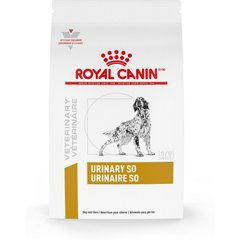
Veterinarians often recommend prescription diets for dogs with struvite crystals. These foods are specially formulated to dissolve crystals and stop new ones from forming. They have controlled levels of magnesium, phosphorus, and calcium.
Prescription diets also help keep urine acidic, which prevents crystal growth. Brands like Hill's Prescription Diet, Royal Canin Urinary SO, and Purina Pro Plan Veterinary Diets offer reliable options. Feeding only the prescribed food is important for best results.
Over-the-counter Alternatives
Over-the-counter diets can support dogs prone to struvite crystals but are less strict than prescription foods. These options often have balanced minerals and promote healthy urine pH. They can be useful when prescription diets are not available.
Look for products labeled for urinary health or crystal support. Common brands include Blue Buffalo Natural Veterinary Diet, Nutro Ultra, and Wellness CORE Reduced Fat. Always check with a vet before switching diets to ensure safety.
Home-cooked Meal Tips
Preparing home-cooked meals for a dog with struvite crystals requires care and attention. The goal is to create food that supports urinary health and reduces crystal formation. This means focusing on the right balance of nutrients and choosing safe ingredients. Cooking at home allows control over what your dog eats, helping to keep them healthy and comfortable.
Balancing Nutrients
Meals should have the right amounts of protein, fat, and carbohydrates. Protein helps maintain muscle but should come from high-quality, lean sources. Too much protein can increase urine pH, which may worsen struvite crystals.
Carbohydrates provide energy and fiber, which aid digestion. Use whole grains or vegetables for this. Fat should be moderate and come from healthy oils like fish oil, which supports inflammation control.
Maintaining a slightly acidic urine pH is important. This can be supported by feeding balanced meals and avoiding excess minerals like magnesium, phosphorus, and calcium.
Safe Ingredient Choices
- Lean meats such as chicken, turkey, or lean beef provide good protein without excess fat.
- Vegetables like carrots, green beans, and pumpkin add fiber and nutrients without raising urine pH.
- Rice and oats are gentle carbohydrates that help maintain energy levels and digestive health.
- Avoid high magnesium foods such as spinach, nuts, and certain fish, as they can worsen crystals.
- Do not use salty or processed ingredients; these can increase water loss and concentrate urine.
- Fresh water must always be available to help flush the urinary tract.
Credit: www.petmd.com
Hydration Importance
Hydration plays a key role in managing struvite crystals in dogs. Water helps dilute urine and flush out minerals that cause crystals. Without enough water, crystals can form and cause discomfort or infections. Keeping your dog well-hydrated supports urinary tract health and prevents crystal buildup.
Encouraging Water Intake
Offer fresh water several times a day. Change the water often to keep it appealing. Place multiple water bowls around your home. Some dogs prefer running water from pet fountains. Adding a splash of low-sodium broth can entice dogs to drink more. Praise your dog when they drink to encourage the habit.
Wet Vs. Dry Food
Wet food contains more moisture than dry kibble. Feeding wet food increases your dog's overall water intake. This helps keep urine dilute and lowers crystal risk. Dry food alone may not provide enough moisture. Mixing wet food with dry can balance hydration and nutrition.
Monitoring And Adjusting Diet
Keeping a close eye on your dog's diet is key when managing struvite crystals. Diet changes might be needed based on your dog’s health and test results. Monitoring helps catch problems early and keeps your dog comfortable.
Regular Vet Checkups
Schedule vet visits often to track your dog’s progress. The vet will check urine pH and crystal levels. Blood tests may also be done to assess overall health. These checkups guide diet adjustments and treatment plans. A steady routine helps prevent crystal buildup and infections.
Signs Diet Needs Change
Watch for signs that suggest diet changes. These include:
- Increased urination or accidents inside the house
- Signs of pain or discomfort while urinating
- Cloudy or bloody urine
- Loss of appetite or lethargy
Any of these signs mean a vet visit is needed. Your dog’s diet may need modifying to reduce crystal formation. Adjustments keep your dog healthy and prevent repeat problems.
Frequently Asked Questions
What Foods Help Dissolve Struvite Crystals In Dogs?
Foods low in magnesium and phosphorus help dissolve struvite crystals. Wet, balanced diets with controlled minerals and increased water intake are best. Avoid high-magnesium ingredients like fish and legumes to prevent crystal formation and support urinary health in dogs effectively.
Can I Feed My Dog Homemade Meals For Struvite Crystals?
Yes, homemade meals can be safe if balanced. Use vet-approved recipes low in magnesium and phosphorus. Include lean meats, rice, and vegetables. Always consult your vet before switching diets to ensure nutritional balance and manage struvite crystals effectively.
Is Wet Food Better Than Dry For Dogs With Struvite Crystals?
Yes, wet food is better as it increases water intake. More hydration helps dilute urine, reducing struvite crystal formation. Wet food also supports urinary tract health. Consult your vet for suitable wet food options for dogs prone to struvite crystals.
How Much Water Should A Dog With Struvite Crystals Drink?
Dogs with struvite crystals should drink plenty of fresh water daily. Aim for at least one ounce per pound of body weight. Increased hydration helps flush the urinary tract, preventing crystal buildup and promoting overall urinary health.
Conclusion
Feeding a dog with struvite crystals needs careful planning. Focus on balanced nutrition. Choose low-magnesium, phosphorus, and protein foods. Consult your vet for tailored advice. Hydration is crucial; ensure your dog drinks plenty of water. Wet food can help increase fluid intake.
Regular vet check-ups are important to monitor progress. Read labels for ingredients that suit your dog's needs. Consistent care and the right diet can promote a healthier life for your pet. Keep their well-being a top priority. Your furry friend will thank you.