
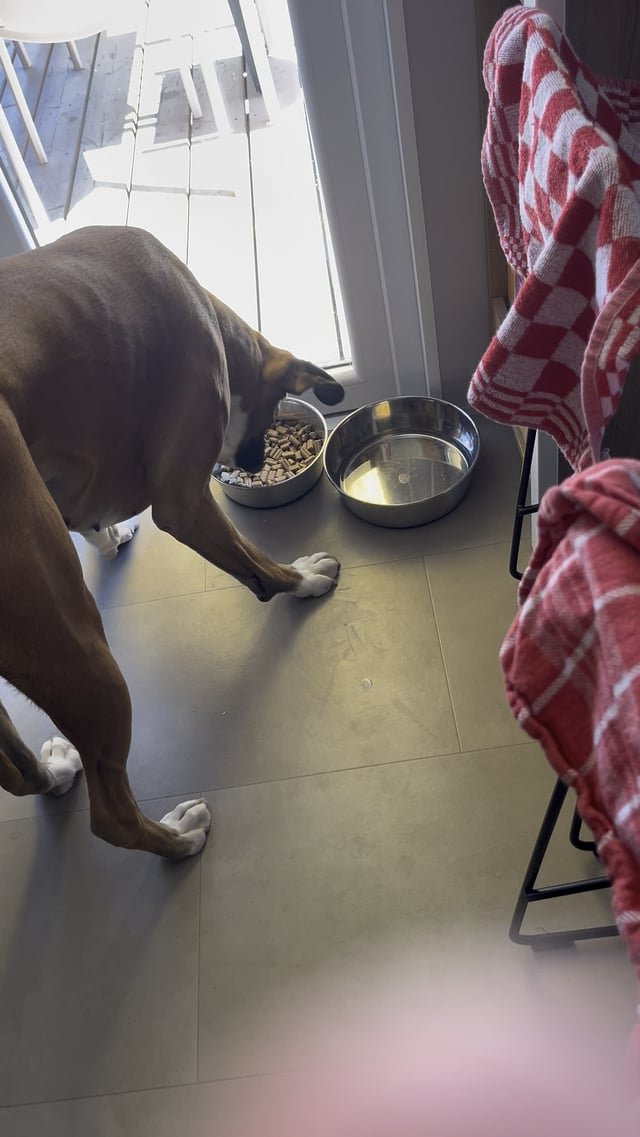
Do you ever wonder why your furry friend insists on pushing her food around with her nose before eating? It might seem like a quirky habit, but there's more to it than meets the eye.
Understanding your dog's behavior can strengthen your bond and improve her overall well-being. Imagine knowing exactly what your dog is trying to communicate with this seemingly odd action. We'll explore the intriguing reasons behind this behavior, uncovering insights that could transform your approach to feeding time.
Ready to dive into the mind of your four-legged companion? Let's unravel this mystery together.
Credit: www.dogster.com
Common Dog Eating Habits
Understanding common dog eating habits helps explain curious behaviors. Dogs show unique ways of interacting with their food. Some habits come from instincts, while others develop over time. Recognizing these behaviors can improve feeding routines and strengthen the bond with your dog.
Typical Feeding Behaviors
Dogs often eat quickly, a trait from wild ancestors. They may:
- Sniff the food before eating
- Push food around the bowl
- Eat in small bites or large mouthfuls
- Drop pieces and pick them up again
These actions show how dogs explore their food and feel safe. Some dogs guard their food or eat nervously. Others prefer a quiet place to eat without distractions.
How Dogs Use Their Noses
A dog’s nose is highly sensitive. It helps them understand their food’s smell and quality. Pushing food with the nose can mean:
- Testing the food’s texture
- Moving pieces to find tastier bits
- Clearing the bowl to reach hidden food
- Expressing curiosity or confusion
This behavior is natural and shows how dogs engage with their environment. Their noses guide them through eating and exploring new tastes.
Reasons Behind Nose Pushing
Dogs may push their food with their nose for different reasons. This behavior can seem strange but often has simple explanations. Understanding why your dog does this helps you meet their needs better. It can relate to how they feel about their food, their mood, or even their health.
Food Preferences And Texture
Some dogs dislike the texture or taste of certain foods. They might push food away to avoid eating it. Changing the food's texture or brand can help. Sometimes, dogs prefer fresh or softer food over dry kibble. Pushing food can be a way to test or reject it.
Exploring And Scent Marking
Dogs use their noses to explore everything, including their food. Pushing food helps them smell it better. It can also be a way to mark their food with their scent. This behavior is natural and shows they are curious or claiming their meal.
Seeking Attention Or Play
Some dogs push food to get your attention. They might want you to interact or play. This behavior can be a fun way to invite you to join them. Your reaction encourages them to keep doing it.
Health Issues And Discomfort
Health problems can cause nose pushing during mealtime. Mouth pain, dental issues, or nausea might make eating uncomfortable. Dogs may push food to avoid pain or signal discomfort. A vet check is important if this happens often.
Behavioral Insights
Understanding why your dog pushes food with her nose requires insight into her behavior. Dogs communicate and explore their environment in unique ways. Pushing food can signal different feelings or learned habits. Observing these actions closely helps reveal what your dog might be experiencing or trying to express.
Anxiety And Stress Effects
Dogs under stress often show unusual eating behaviors. Pushing food away might mean your dog feels anxious or overwhelmed. Changes in the home, loud noises, or new people can cause stress. This behavior might be a way to cope or delay eating. Watching for other signs of anxiety can help you support your dog better.
Learned Behaviors And Training
Sometimes, dogs push food because they learned it gets a response. If you react by giving more attention or a different treat, your dog may repeat the action. Dogs also explore food by moving it around to find preferred pieces. Consistent training and gentle guidance can change this habit if needed. Understanding these learned behaviors improves your bond and communication with your dog.
When To Consult A Vet
Noticing your dog pushing food with her nose can be confusing. Sometimes, this behavior signals something more serious than just picky eating. Knowing when to consult a vet ensures your dog stays healthy and happy.
Signs Of Medical Concerns
Watch for changes in your dog's eating habits beyond nose pushing. Look for:
- Loss of appetite lasting more than a day
- Vomiting or diarrhea
- Weight loss
- Excessive drooling
- Difficulty chewing or swallowing
- Swelling around the mouth or face
These signs may point to dental issues, digestive problems, or other illnesses. A vet visit can help diagnose and treat these conditions quickly.
Dietary Adjustments Needed
Sometimes, your dog pushes food due to diet dissatisfaction or allergies. A vet can suggest changes such as:
- Switching to a different food brand
- Trying softer or smaller kibble
- Introducing a special diet for allergies
- Adding supplements for better nutrition
Proper diet adjustments can improve your dog’s eating behavior and overall health. A professional opinion ensures your dog gets the right nutrients.
Tips To Manage The Behavior
Managing your dog's habit of pushing food with her nose can feel puzzling, but small adjustments can make a big difference. By changing her feeding environment, trying out new feeding tools, and encouraging positive eating habits, you can guide her towards better mealtime behavior. Each tip is designed to create a more enjoyable and stress-free experience for both you and your dog.
Changing Feeding Environment
Sometimes your dog’s surroundings affect how she eats. Try moving her feeding spot to a quieter, low-traffic area where she feels safe and undistracted. Bright lights or noisy locations might cause her to push food away instead of eating it.
Have you noticed if she behaves differently in various rooms? Experiment with different spots and observe where she’s most comfortable. A calm space can encourage her to focus on eating rather than playing with her food.
Introducing New Feeding Tools
Switching to a different bowl can change how your dog interacts with her food. Elevated bowls or ones with non-slip bases can reduce frustration if she’s pushing food around. Puzzle feeders or slow feeders can also turn mealtime into a stimulating activity, keeping her engaged and less likely to push her food away.
Try using a shallow dish if your dog has a sensitive nose or whiskers, as deep bowls might feel uncomfortable. Have you tried mixing dry and wet food to see if texture influences her behavior? Sometimes, a small change in feeding tools can make mealtime more appealing.
Encouraging Positive Eating Habits
Reward your dog when she eats without pushing her food. Positive reinforcement, like gentle praise or a small treat, helps her understand the desired behavior. Avoid scolding, as it might increase anxiety and worsen the habit.
Set regular feeding times and stick to a routine. Dogs thrive on consistency, and knowing when to expect meals can reduce food-related stress. If she pushes food out, gently guide her back to the bowl and patiently encourage her to eat.
Credit: www.dogster.com
Credit: www.dogster.com
Frequently Asked Questions
Why Does My Dog Push Food With Her Nose?
Dogs push food with their nose to explore or move it. They might be curious about the texture or scent. Sometimes, it’s a way to slow down eating or check if the food is fresh.
Is Nose Pushing A Sign Of Food Dislike?
Yes, nose pushing can indicate your dog dislikes the food. They may be testing or rejecting it. If this behavior is frequent, consider changing their diet to something more appealing.
Can Pushing Food With Nose Indicate Health Issues?
Occasionally, yes. Dogs with dental pain or oral discomfort may push food away. If nose pushing is paired with other symptoms, consult a vet to rule out health problems.
How To Stop My Dog From Pushing Food Around?
Try feeding smaller portions or using puzzle feeders. This reduces boredom and encourages slower eating. Also, ensure the food is fresh and suits your dog’s preferences to avoid rejection.
Conclusion
Dogs push food with their noses for many reasons. They might be curious or want to move food around. Sometimes, it means they do not like the taste or texture. Other times, they want attention or feel playful. Watching your dog’s behavior helps you understand their needs.
Try changing the food or feeding routine if needed. Patience and care build a stronger bond with your pet. Keep observing, and your dog will feel happier and healthier.