You notice your furry friend is drinking more water than usual, making frequent trips outside, or having accidents indoors. These could be signs of a urinary tract infection (UTI), a common issue in dogs that can cause discomfort and worry for both you and your pet.
But before you rush to the vet, did you know there are simple and effective ways to treat a dog UTI at home? Imagine the peace of mind knowing you can help your beloved pet feel better without leaving your house.
By understanding a few key strategies and natural remedies, you can offer immediate relief and promote a swift recovery. Keep reading to discover how you can become your dog’s hero and nurture their health with confidence.
Symptoms Of Dog Uti
Recognizing the symptoms of a urinary tract infection (UTI) in dogs is important for quick care. UTIs can cause discomfort and lead to serious health problems if untreated. Early detection helps prevent complications and supports faster healing.
Common Signs To Watch For
- Frequent urination in small amounts
- Straining or crying while urinating
- Blood or cloudy urine
- Strong or unusual urine odor
- Accidents inside the house
- Licking the genital area excessively
- Redness or swelling around the urinary opening
Behavioral Changes In Dogs
Dogs with UTIs may act differently. They might seem tired or less active than usual. Some dogs become irritable or restless. Loss of appetite can also occur. Watch for signs of discomfort or pain when your dog moves or sits.
Causes Of Dog Uti
Understanding the causes of a dog UTI helps in treating and preventing it effectively. Urinary tract infections occur when bacteria invade the urinary system. Several factors can increase the chance of these infections in dogs. Knowing these causes allows pet owners to spot symptoms early and take action.
Bacterial Infections
Most dog UTIs result from bacterial infections. Bacteria enter the urinary tract through the urethra. Common bacteria include Escherichia coliand other gut flora. These bacteria multiply, causing inflammation and discomfort. Infections can affect the bladder, kidneys, or urethra. If untreated, they can lead to serious health issues.
Risk Factors And Triggers
Several factors increase the risk of UTIs in dogs. Female dogs get UTIs more often due to a shorter urethra. Older dogs and those with weak immune systems are also vulnerable. Poor hygiene or infrequent urination can contribute to infections. Certain medical conditions like diabetes raise the chance of UTIs. Stress and changes in environment may trigger infections too.
Home Remedies For Dog Uti
Treating a dog’s urinary tract infection (UTI) at home requires careful attention and simple remedies. These home treatments help ease symptoms and support healing. Always watch your dog closely during treatment. If symptoms worsen, contact a vet immediately. Here are effective home remedies to try.
Hydration And Water Intake
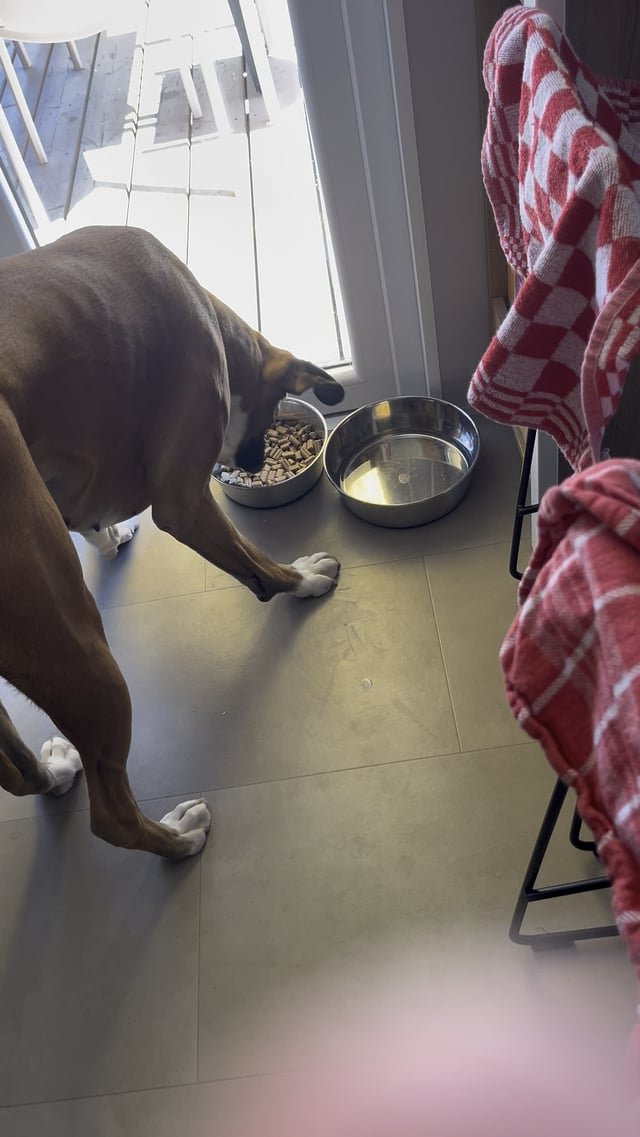
Encourage your dog to drink plenty of water. Water helps flush out bacteria from the urinary tract. Fresh, clean water should be available at all times. Some dogs prefer running water, so try a pet water fountain. You can also add a little low-sodium broth to water for taste. Avoid sugary drinks or milk as they may irritate the bladder.
Dietary Adjustments
Feeding a balanced diet supports your dog’s immune system. Include foods rich in antioxidants and vitamins. Avoid salty or processed treats that can worsen UTI symptoms. Wet food can increase water intake, helping flush the bladder. Cranberries or cranberry supplements may prevent bacteria from sticking to the urinary tract lining. Consult your vet before adding new foods.
Natural Supplements And Herbs
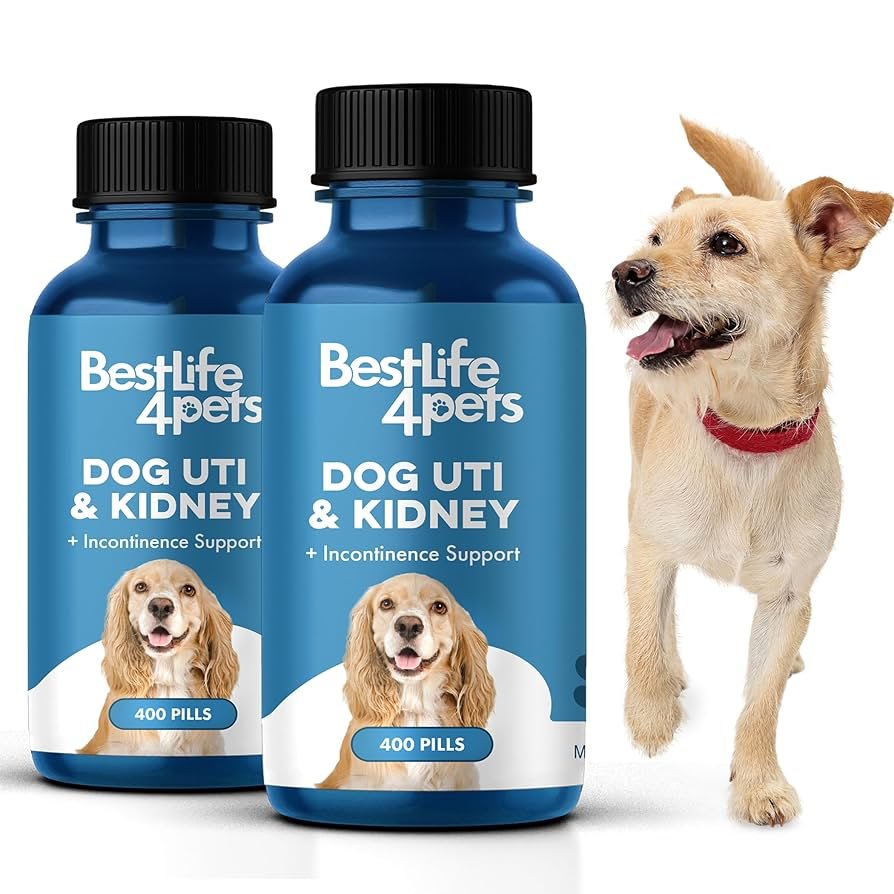
Some natural supplements can ease UTI symptoms. Probiotics help balance bacteria in the gut and urinary tract. D-mannose is a natural sugar that may prevent bacteria from attaching to the bladder walls. Herbal options like parsley or marshmallow root support urinary health. Use supplements under veterinary guidance to ensure safety and proper dosage.

Credit: www.amazon.com
Hygiene Practices
Maintaining good hygiene is key when treating a dog UTI at home. Cleanliness helps reduce bacteria around your dog’s urinary area, which can speed up healing and lower the chance of re-infection. Simple daily habits can make a big difference in your dog’s comfort and recovery.
Cleaning Techniques
Start by gently cleaning your dog’s genital area with warm water and a soft cloth. Avoid harsh soaps or chemicals that might irritate sensitive skin. Pat the area dry thoroughly after cleaning to prevent moisture buildup, which can encourage bacterial growth.
If your dog allows, consider using a vet-approved antiseptic wipe designed for pets. These wipes help remove dirt and bacteria without causing irritation. Regularly check for redness, swelling, or discharge and keep the area as clean as possible.
Preventing Re-infection
Keeping your dog’s environment clean reduces the risk of UTI returning. Wash your dog’s bedding regularly in hot water to kill any lingering bacteria. Also, clean food and water bowls daily to avoid contamination.
Encourage your dog to urinate frequently by taking them outside often. Holding urine for too long can increase bacterial buildup in the bladder. Have you noticed your dog holding back or appearing uncomfortable? This could be a sign to increase bathroom breaks.
Lastly, keep an eye on your dog’s grooming. Trim hair around the urinary area to prevent dirt and bacteria from getting trapped. You might be surprised how much this small step helps in managing hygiene effectively.
When To Seek Veterinary Help
Knowing when to seek veterinary help is crucial for treating a dog’s urinary tract infection (UTI). Some symptoms may seem mild but can quickly worsen. Prompt action can prevent serious health problems and ease your dog’s discomfort.
Warning Signs Of Complications
- Frequent or painful urination that gets worse
- Blood in urine or cloudy, foul-smelling urine
- Lethargy and loss of appetite
- Vomiting or diarrhea
- Fever or shivering
- Accidents inside the house despite house training
- Straining to urinate or inability to urinate
These signs may indicate the infection has spread or become severe. Immediate veterinary care is necessary to avoid kidney damage or other complications.
Importance Of Professional Diagnosis
Veterinarians use urine tests to identify the infection type. This helps in choosing the right treatment. At-home care might not fully clear the infection without proper medication.
Professional diagnosis ensures your dog receives safe and effective treatment. It also helps detect other possible health issues that mimic UTI symptoms.

Credit: belovedpets.com
Preventing Future Utis
Preventing future urinary tract infections (UTIs) in dogs helps keep them healthy and happy. Simple steps can lower the risk of infections coming back. Consistent care and attention to your dog's health play a big role in prevention. Below are key practices to maintain a healthy urinary tract.
Regular Check-ups
Routine vet visits catch infections early. Your vet can perform urine tests to spot issues. Early detection means quicker treatment and fewer complications. Keep a schedule for annual or bi-annual check-ups. Discuss any changes in your dog's bathroom habits with the vet. This helps in monitoring their urinary health closely.
Lifestyle Tips For Healthy Urinary Tract
- Provide fresh water at all times. Hydration flushes out bacteria.
- Feed a balanced diet suited for urinary health. Special diets can reduce infection risk.
- Encourage regular bathroom breaks to avoid urine buildup.
- Keep your dog clean, especially around the genital area.
- Limit exposure to dirt and chemicals that irritate the urinary tract.
- Maintain a healthy weight to reduce stress on organs.
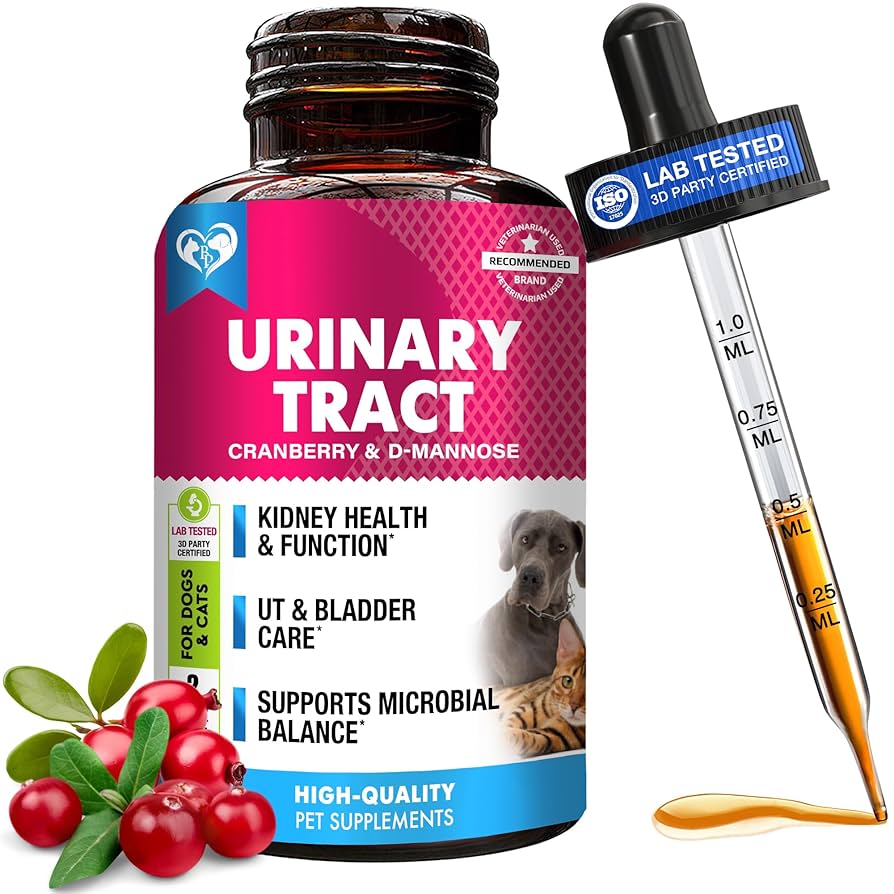
Credit: www.amazon.com
Frequently Asked Questions
What Are The Common Symptoms Of A Dog Uti?
Common symptoms include frequent urination, straining, blood in urine, and licking the genital area. Dogs may also show signs of discomfort or accidents indoors.
Can I Treat My Dog's Uti At Home Safely?
Mild cases may improve with increased water intake and hygiene. However, consulting a vet for diagnosis and antibiotics is essential for safe, effective treatment.
What Home Remedies Help Relieve A Dog Uti?
Encouraging hydration, providing cranberry supplements, and maintaining cleanliness can help. These support healing but do not replace veterinary prescribed antibiotics.
How Long Does It Take To Cure A Dog Uti?
With proper treatment, symptoms usually improve within 3-5 days. Full recovery may take up to two weeks depending on severity and treatment.
Conclusion
Treating a dog UTI at home requires care and attention. Keep your dog hydrated with plenty of fresh water. Clean the affected area gently and watch for signs of discomfort. Use natural remedies only after consulting your vet. Remember, quick action helps your dog feel better fast.
Monitor your dog’s health closely during treatment. If symptoms worsen or last long, seek professional help. Early care can prevent serious problems. Your dog’s comfort and health matter most every day.