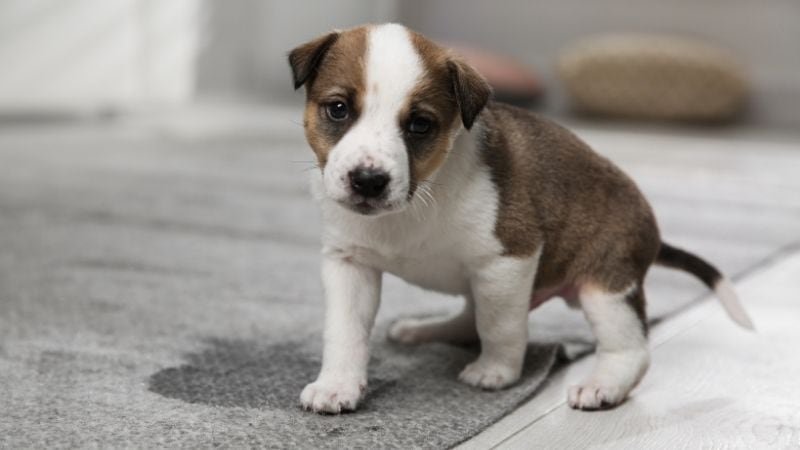
Have you ever found a wet spot on your dog’s bed and wondered, “Why does my dog pee on his bed?” It’s frustrating, confusing, and sometimes even embarrassing. You love your dog, but this behavior can feel like a mystery you just can’t solve.
Understanding why this happens is the first step to fixing it. Keep reading, because uncovering the reasons behind this habit can help you protect your dog’s comfort and your home’s cleanliness—without stress or guesswork.
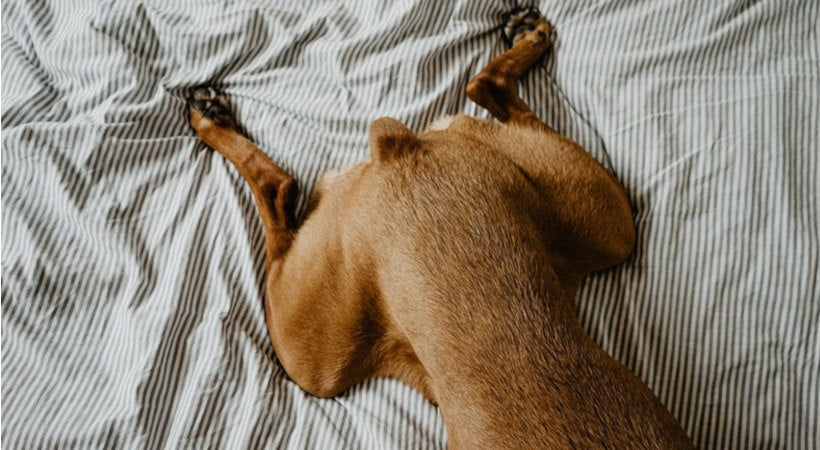
Credit: walkinpets.com
Common Reasons For Bed Wetting
Understanding why your dog pees on his bed can feel frustrating and confusing. There are several common reasons behind this behavior, and identifying the root cause is key to fixing it. Let’s break down the most frequent causes so you can help your furry friend feel more comfortable and secure.
Medical Issues
Sometimes, bed wetting is not about behavior but health. Urinary tract infections, bladder stones, or diabetes can cause your dog to urinate in unusual places. If your dog suddenly starts peeing on the bed, a quick visit to the vet can rule out these problems and get your pet the treatment needed.
Have you noticed if your dog drinks more water than usual or seems uncomfortable while peeing? These signs are important clues that medical issues might be at play.
Behavioral Causes
Dogs don’t always pee on their bed because of illness; sometimes, it’s a learned habit or a response to changes. Puppies and newly adopted dogs may not be fully house-trained yet, leading to accidents. Older dogs might forget their training due to cognitive decline.
Think about any recent changes at home or disruptions in routine. Could these be confusing your dog and causing accidents?
Marking Territory
Marking is a natural behavior, especially in intact males, but it can happen in any dog. Your dog might pee on his bed to mark it as his personal space. This behavior can increase if there are other animals nearby or new smells that trigger territorial instincts.
Have you introduced a new pet or noticed unfamiliar animals around your home? These might be prompting your dog to mark his bed.
Anxiety And Stress
Stressful situations can make dogs lose control of their bladder. Separation anxiety, loud noises, or changes in the household can lead to bed wetting. Your dog’s bed is a place of comfort, but anxiety might cause him to urinate there as a way to cope.
Observe your dog’s behavior during stressful events. Does the bed wetting increase during thunderstorms or when you leave the house? Identifying these triggers can help you support your dog better.
Identifying The Root Cause
Finding out why your dog pees on his bed is key to stopping this behavior. Dogs do not pee on their beds just for fun. There is usually a reason behind it, such as stress, health problems, or habits. Understanding the root cause helps you fix the problem quickly and gently.
Observing Your Dog’s Behavior
Watch your dog closely for signs of discomfort or anxiety. Notice when and where the peeing happens. Check if your dog acts restless or avoids certain areas. Observe any changes in eating, drinking, or sleeping habits. These clues point to the cause of the bed-wetting.
Consulting A Veterinarian
Visit a vet to rule out medical issues. Urinary tract infections, bladder problems, or kidney disease can cause accidents. The vet will do tests to check your dog’s health. Early diagnosis prevents serious problems and helps your dog feel better.
Keeping A Pee Diary
Write down each accident to track patterns. Note the time, place, and any triggers. Record food and water intake as well. This diary helps you see trends and share clear information with your vet. It guides you in managing your dog’s behavior effectively.
Effective Cleaning Techniques
Cleaning your dog’s bed effectively after an accident is crucial not only for hygiene but also to prevent your dog from peeing there again. It’s about more than just visible stains; odors can linger and invite repeat behavior. Let’s look at how to clean thoroughly and keep your dog’s bed fresh and inviting.
Removing Odors Completely
Simply washing the bed might not remove all the smells. Dog urine contains proteins and ammonia that cling to fabrics and padding. Using an enzymatic cleaner breaks down these molecules, eliminating odors at the source.
After treating the bed, let it air dry completely. Odors trapped in damp materials can encourage your dog to mark the spot again. Have you noticed how some smells fade only to come back stronger? That’s often because the cleaning wasn’t deep enough.
Choosing The Right Cleaning Products
Not all cleaners are safe or effective for pet messes. Avoid ammonia-based or bleach cleaners as they can worsen the smell or irritate your dog. Instead, opt for pet-specific enzymatic cleaners that are gentle but powerful.
Sometimes, natural remedies like a mix of white vinegar and water can work well to neutralize odors without harsh chemicals. Remember, your dog’s nose is far more sensitive than yours—choose products with scents that won’t repel or confuse them.
Preventing Repeat Accidents
After cleaning, consider protecting the bed with waterproof covers that are easy to wash. This step can save you time and stress in the future. Also, keep the bed in a consistent, comfortable spot to encourage your dog to use it properly.
Have you tried rewarding your dog for using the bed after a cleaning? Positive reinforcement can be a powerful tool. What small changes can you make to help your dog feel secure and less likely to mark their bed again?

Credit: heoupet.com
Training Tips To Stop Bed Wetting
Dealing with your dog peeing on his bed can be frustrating, but training can make a big difference. Consistent and thoughtful approaches help your dog understand where it’s appropriate to go. Here are some practical training tips to help stop bed wetting and create a cleaner, happier environment for both of you.
Reinforcing Potty Training
Even adult dogs sometimes need a refresher on potty rules. Take your dog back to basics by supervising him closely and taking him outside frequently. Praise him immediately when he pees outdoors to link the good behavior with a reward.
Watch for signs your dog needs to go, like sniffing or pacing. Interrupt accidents gently and redirect him outside instead of punishing. This helps your dog learn without fear.
Using Positive Reinforcement
Positive reinforcement is one of the most effective ways to change behavior. Use treats, petting, or verbal praise to reward your dog each time he pees in the right spot.
Try to catch your dog in the act or right after he finishes to give the reward. This clear connection encourages him to repeat the behavior you want. Avoid scolding, as it can increase anxiety and make problems worse.
Setting A Bathroom Schedule
Establish a regular bathroom routine to reduce accidents. Take your dog outside first thing in the morning, after meals, and before bedtime. This builds a predictable pattern your dog can rely on.
Consistency is key—stick to the schedule even when you’re busy. You might find it helpful to jot down bathroom times and note any accidents to adjust the plan as needed. Have you noticed certain times when your dog is more likely to have accidents? Tailoring the schedule can address those moments specifically.
Creating A Comfortable Bed Area
Creating a comfortable bed area can help reduce your dog’s urge to pee on his bed. A cozy space feels safe and inviting. Dogs relax better when their bedding is clean and soft. Thoughtful choices about bedding and placement improve your dog’s comfort and confidence.
Selecting Washable Bedding
Choose bedding that is easy to wash and dry. Dogs sometimes have accidents. Washable materials keep the bed fresh and hygienic. Look for covers with zippers or removable layers. This makes cleaning quick and simple.
Designating A Safe Space
Set up your dog’s bed in a quiet, calm corner. Dogs need a place where they feel secure. Avoid busy or noisy areas in your home. A safe spot helps lower stress and anxiety. Your dog will be less likely to mark his bed.
Using Waterproof Covers
Waterproof covers protect the bed from accidents. They stop urine from soaking into the cushion. Waterproof layers are easy to wipe clean. This keeps the bed smelling fresh. It also prevents stains and damage over time.
When To Seek Professional Help
Noticing your dog peeing on his bed can be frustrating and confusing. While some cases are simple to fix, others might signal deeper issues. Knowing when to seek professional help can save your dog discomfort and prevent the problem from worsening.
Signs Of Serious Health Problems
If your dog suddenly starts peeing on his bed despite being house-trained, it might be a health warning. Watch for symptoms like frequent urination, blood in urine, or signs of pain during bathroom trips.
Changes in appetite, lethargy, or excessive drinking also matter. These could indicate infections, kidney issues, or bladder stones. Ignoring these signs can lead to serious complications, so a vet visit is crucial.
Behavioral Therapy Options
Sometimes, peeing on the bed stems from anxiety, stress, or past trauma. Behavioral therapy helps your dog unlearn this habit and regain confidence.
Techniques like positive reinforcement, crate training, or desensitization can work wonders. Have you tried rewarding your dog for using the right spot? If not, a professional can guide you through effective strategies tailored to your dog's personality.
Consulting A Trainer Or Behaviorist
When the issue persists despite your best efforts, it’s time to call in an expert. Trainers and behaviorists specialize in understanding your dog’s cues and can identify hidden triggers.
They’ll observe your dog’s environment and routines, then create a clear action plan. Would you want a professional to help you decode your dog’s behavior and restore harmony at home? Getting expert advice often speeds up progress and reduces stress for both you and your dog.
Credit: bullybeds.com
Frequently Asked Questions
Why Does My Dog Pee On His Bed Suddenly?
Sudden bed urination often signals stress, anxiety, or a medical problem like a urinary infection. Consult a vet for diagnosis.
Can Medical Issues Cause Dogs To Pee On Beds?
Yes, urinary tract infections, bladder stones, or incontinence can cause bed urination. Veterinary evaluation is essential for proper treatment.
How Can I Stop My Dog From Peeing On His Bed?
Clean the bed thoroughly, provide regular potty breaks, and address any stress or health issues. Positive reinforcement helps prevent recurrence.
Is Marking Behavior Why Dogs Pee On Their Beds?
Marking is usually done to claim territory. If your dog pees on his bed, it could be marking or anxiety-related.
Conclusion
Understanding why your dog pees on his bed is crucial. It helps address the issue effectively. Look for signs of stress or medical problems. Consult a vet for guidance. Ensure your dog feels secure and comfortable. Consistent training also plays a vital role.
Patience and understanding make a difference. Every dog needs love and attention. With time, you can solve this behavior. Your dog’s happiness depends on your efforts. Stay observant and supportive. Aim for a peaceful home environment. A little effort goes a long way.
Happy pets lead to happy homes.