
Are you struggling to figure out the best way to put a harness on your furry friend? You're not alone.
Many pet owners find themselves puzzled by the various straps and clips. But don't worry, you're about to discover how simple it can be. A well-fitted harness is not just about comfort; it's key to ensuring your dog's safety during walks.
Imagine feeling confident every time you step outside with your dog, knowing the harness is secure. This guide will help you achieve just that. By the end of this article, you'll be a pro at putting on a dog harness effortlessly. Curious to know how? Let's dive in and take the guesswork out of this essential task!

Credit: www.youtube.com
Choosing The Right Harness
Choosing the right harness for your dog is key to safety and comfort. A good harness fits well and suits your dog’s size and activity. It helps control your dog without hurting them. Picking the right one can make walks easier and more fun for both of you.
Types Of Dog Harnesses
- Back-clip harness:The leash attaches on the back. It is good for calm dogs.
- Front-clip harness:The leash attaches on the chest. It helps stop pulling.
- Dual-clip harness:Has clips on front and back. Offers more control.
- Step-in harness:Your dog steps into it. Easy to put on and take off.
Measuring Your Dog
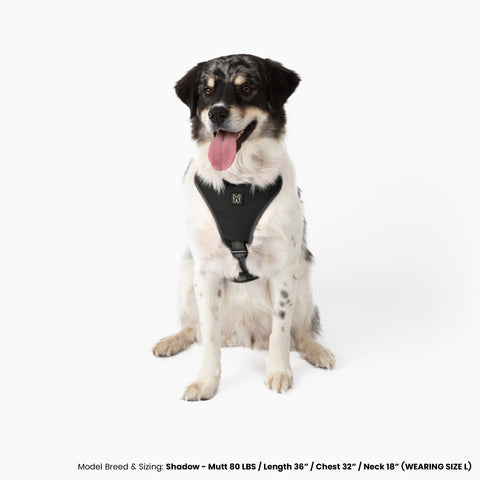
Measure your dog’s chest and neck before buying a harness. Use a soft tape measure. Measure the widest part of the chest, just behind the front legs. For the neck, measure where the collar usually sits. Check the size chart of the harness brand. A proper fit prevents chafing and slipping.
Material And Comfort
Choose a harness made from soft, breathable material. Look for padded straps to avoid rubbing. Lightweight materials keep your dog cool. Avoid harnesses with rough seams or hard plastic parts. Comfort helps your dog enjoy wearing the harness longer.
Preparing Your Dog
Getting your dog ready for a harness is more than just the act of slipping it on. How you prepare your dog sets the tone for a smooth experience. Taking time to calm your pet and build positive associations with the harness can make all the difference in how they respond.
Calming Techniques
Before you even bring out the harness, help your dog relax. You can try gentle petting or soft talking to lower their excitement or anxiety levels. Some dogs respond well to a short walk or play session to burn off excess energy.
Have you noticed if your dog reacts differently in busy or quiet environments? Choose a calm, familiar space to start. This reduces distractions and helps your dog focus on you.
Introducing The Harness
Let your dog see and sniff the harness first. Hold it out like a new toy and watch their reaction. If your dog seems hesitant, offer treats near the harness to spark curiosity.
Place the harness on the ground and encourage your dog to step toward it. This small step helps them get used to its presence without pressure. Avoid forcing the harness onto your dog; patience is key.
Positive Reinforcement
Every time your dog shows interest in the harness, reward them immediately. Use treats, praise, or gentle petting to let your dog know they’re doing well. This builds a positive connection with the harness.
Once your dog allows you to put the harness on, give them plenty of rewards and affection. If your dog pulls or tries to escape, stop and calm them down before trying again. Consistency helps your dog understand that the harness is a good thing.
Step-by-step Harness Fitting
Fitting a dog harness properly makes walks safer and more comfortable for your furry friend. The right fit prevents chafing and gives you better control. Here’s a clear, hands-on guide to get the harness on smoothly without stress for you or your dog.
Loosening The Straps
Start by loosening all the harness straps fully. This gives you enough space to slip the harness over your dog without forcing it. It also helps you avoid pinching their fur or skin, which can make them fidgety.
Think about how a backpack feels if you don’t loosen the straps before putting it on. You want your dog to feel that same ease. If your dog is nervous, loosening the harness first can help calm them by making the process quicker.
Placing The Harness Over The Head
Gently place the harness over your dog’s head, making sure the front ring or D-ring is on top of their chest. Keep your movements slow and calm to avoid startling them. If your dog hesitates, use a treat to encourage them.
Notice how your dog reacts—do they back away or lean in? Their body language will tell you if you need to pause or proceed. This part should feel natural, not forced.
Securing Around The Body
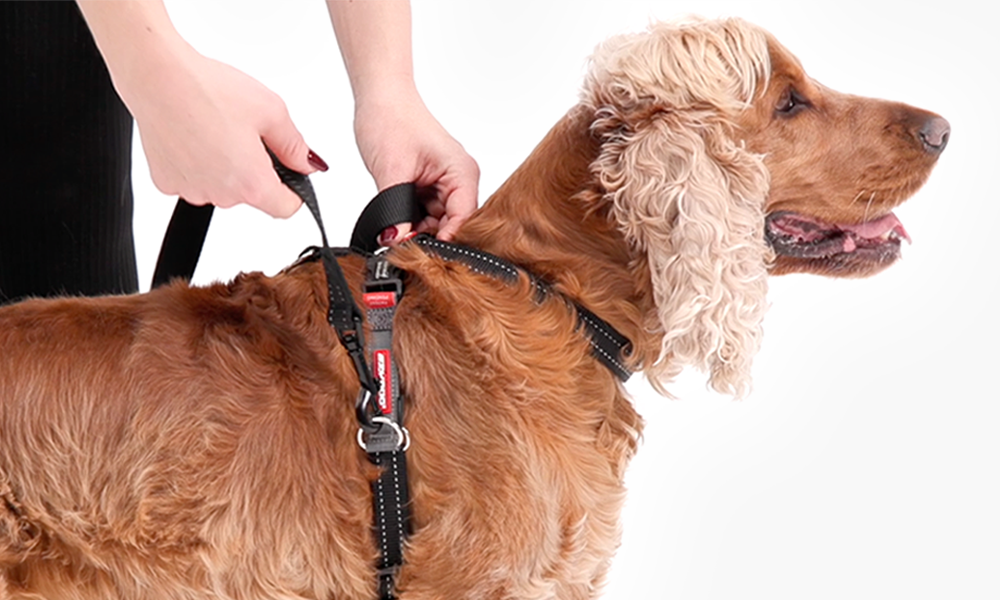
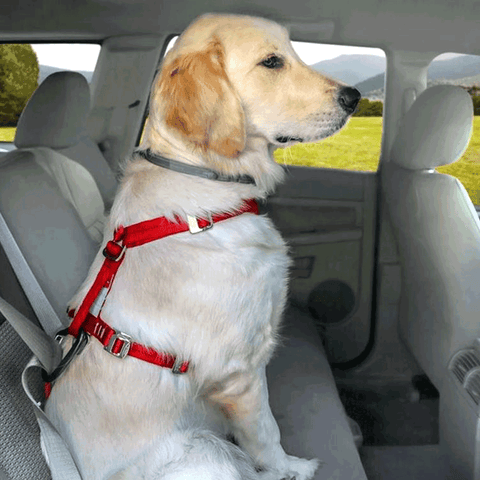
Wrap the straps around your dog’s torso, just behind the front legs. Clip or fasten the buckles securely but gently. It’s important that the harness sits flat against their body without twisting.
Check if your dog can move freely while the harness is on. Can they walk and sit comfortably? If they seem restricted, the harness might be too tight or placed incorrectly.
Adjusting For Fit
Adjust each strap so the harness fits snugly but allows room for two fingers to slide between the harness and your dog’s skin. This balance keeps your dog secure without causing discomfort. Remember, too loose means escape risk; too tight means irritation.
Watch your dog walk and play with the harness on. Do they try to scratch or bite it? If yes, tweak the straps until they seem at ease. Getting this right makes walks enjoyable for both of you.
Credit: waudog.com
Common Mistakes To Avoid
Putting on a dog harness seems simple but many owners make common mistakes. These errors can cause discomfort or even injury to your dog. Avoiding these pitfalls ensures your dog stays safe and happy during walks. Learn what to watch out for below.
Too Tight Or Too Loose
A harness too tight can pinch or rub your dog’s skin. It may restrict movement and cause pain. On the other hand, a harness too loose lets your dog slip out easily. This risks escape and accidents. Always check the fit by sliding two fingers between the harness and your dog’s body. Adjust straps to keep a snug but comfortable fit.
Wrong Harness Placement
Placing the harness in the wrong spot causes discomfort and poor control. The chest strap should sit low on the chest, not near the neck. The back strap must lie flat and not twist. Avoid harnesses that press on sensitive areas like the throat or armpits. Proper placement helps your dog move naturally and prevents chafing.
Ignoring Dog’s Comfort
Dogs show signs if a harness bothers them. Watch for scratching, biting, or refusing to walk. Never force a tight harness on a nervous dog. Choose soft, padded materials to reduce irritation. Check for signs of rubbing or sores after walks. Comfort matters as much as safety for happy walks and strong bonds.
Tips For Stress-free Use
Using a dog harness can be much easier with simple, stress-free tips. These help your dog feel safe and comfortable. The goal is to make the harness a positive part of your dog's routine. Small steps and positive rewards work best.
Gradual Wearing Time
Start by letting your dog see and sniff the harness. Next, put it on for just a few minutes. Take it off before your dog gets upset. Slowly increase the time each day. This helps your dog get used to the feel of the harness.
Using Treats And Praise
Give treats and gentle praise when your dog wears the harness. This creates a happy link with the harness. Use soft words and petting to encourage calm behavior. Reward often at first, then less as your dog adapts.
Regular Harness Checks
Check the harness often for fit and wear. Make sure it is snug but not tight. Look for signs of rubbing or discomfort on your dog's skin. Adjust straps as your dog grows or changes weight. A well-fitted harness keeps your dog safe and comfy.
Credit: www.nandog.com
Frequently Asked Questions
How Do I Choose The Right Dog Harness Size?
Measure your dog's chest and neck accurately. Choose a harness that fits snugly but allows two fingers' space for comfort and movement.
What Steps Are Involved In Putting On A Dog Harness?
Place the harness over your dog's head, secure the chest strap, then fasten the side buckles. Adjust for a comfortable fit.
How Can I Make My Dog Comfortable In A Harness?
Introduce the harness slowly. Use treats and praise to create positive associations. Ensure the harness fits well without tightness.
When Should I Use A Dog Harness Instead Of A Collar?
Use a harness for dogs that pull, have respiratory issues, or need better control during walks. It reduces neck strain effectively.
Conclusion
Putting on a dog harness can be quick and stress-free. Take your time and stay calm. Let your dog get used to the harness first. Make sure it fits well and feels comfortable. Practice a few times to build trust.
Soon, your dog will enjoy walks more. A good harness keeps your dog safe and happy. Simple steps lead to better walks together. Keep trying, and you will succeed.