Is your furniture becoming a target for your dog’s unwanted urination? You’re not alone, and this can be incredibly frustrating.
Imagine enjoying your favorite chair or couch without worrying about unpleasant stains or odors. You’ll discover simple, effective ways to stop your dog from urinating on your furniture. By understanding why your dog acts this way and learning practical solutions, you can protect your home and strengthen your bond with your furry friend.
Keep reading—your furniture and your peace of mind will thank you.

Credit: www.amazon.com
Reasons Dogs Urinate Indoors
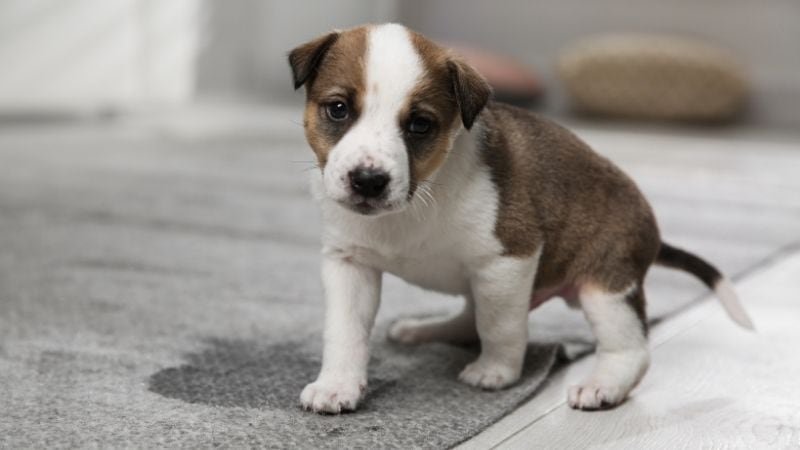
Dogs urinating indoors can frustrate any pet owner. Understanding why dogs do this helps solve the problem. Many reasons exist behind indoor urination, from health to behavior. Identifying the cause is the first step in stopping it.
Medical Causes
Health problems often lead to indoor urination. Urinary tract infections cause frequent and urgent urination. Bladder stones or kidney issues can also make dogs pee inside. Older dogs may suffer from incontinence, losing bladder control. Spaying or neutering complications might lead to accidents too. Always check with a vet to rule out medical issues.
Behavioral Issues
Stress and anxiety can cause dogs to urinate indoors. Changes in environment, loud noises, or new pets may trigger this behavior. Dogs left alone for long periods often feel lonely and anxious. Lack of proper house training also leads to indoor accidents. Training and patience help reduce this type of urination.
Marking Territory
Dogs use urine to mark their territory. This behavior is common in unneutered males but can occur in females too. New smells or animals nearby may cause marking inside the house. Marking is a way for dogs to feel secure and claim their space. Neutering and behavior training can reduce marking behavior.
Credit: mikeomearashow.com
Preventing Access To Furniture
Stopping dogs from urinating on furniture starts with limiting their access. This prevents accidents and protects your belongings. Creating physical boundaries helps your pet learn where it is not allowed to go. This simple step reduces stress for both you and your dog.
Using Barriers
Barriers keep dogs away from furniture effectively. Baby gates work well in doorways or hallways. They block the path and prevent dogs from entering certain rooms. Exercise pens create a safe play area without access to couches or chairs.
Choose barriers that fit your home and dog's size. Make sure they are sturdy and safe. Dogs should not be able to climb or push through them. Clear barriers work well, so your dog does not feel trapped.
Furniture Covers
Furniture covers protect sofas and chairs from urine damage. Waterproof materials stop liquids from soaking into cushions. Covers are easy to clean and maintain. Some come with zippers for quick removal.
Use covers made of durable fabric. Wash covers regularly to keep them fresh. Covers also act as a visual reminder for your dog to avoid the furniture. This helps in training and preventing future accidents.
Training Techniques
Training your dog to stop urinating on furniture requires patience and effective techniques. The key lies in teaching your dog the right behavior while making the learning process positive and clear. Below are some training techniques that can help you guide your dog away from indoor accidents and toward good habits.
Positive Reinforcement
Reward your dog immediately after they urinate outside or in the designated spot. Use treats, praise, or playtime as a reward to make the behavior memorable and desirable.
If your dog has an accident on the furniture, avoid punishment. Instead, calmly redirect them to the correct place and reward when they comply. This helps your dog understand what you want without fear.
Have you noticed how your dog responds better when you celebrate their good actions? Positive reinforcement builds trust and encourages repeat behavior.
Crate Training
Crate training creates a safe space for your dog and helps control their bathroom habits. Dogs naturally avoid soiling their sleeping area, so a properly sized crate can reduce indoor accidents.
Start by making the crate comfortable with bedding and toys. Gradually increase the time your dog spends inside while ensuring they get regular bathroom breaks.
Does your dog seem anxious in the crate? Try feeding meals there or tossing treats inside to make it a positive place.
Consistent Schedule
Set a regular routine for bathroom breaks throughout the day. Dogs thrive on predictability, so taking them outside at the same times helps them learn when to go.
Keep in mind that puppies and older dogs may need more frequent trips. Watch for signs like sniffing or circling and respond quickly.
How often do you currently take your dog out? Adjusting your schedule might be the missing link to stopping furniture accidents.
Cleaning And Odor Removal
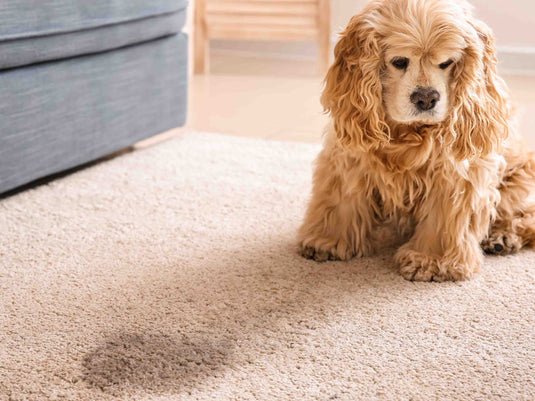
Cleaning and odor removal are crucial steps to stop your dog from urinating on furniture again. If the smell lingers, your pet will be drawn back to the same spot. You need to eliminate the scent completely to discourage repeat behavior.
Enzymatic Cleaners
Enzymatic cleaners are designed specifically to break down the proteins in urine. Unlike regular cleaners, they target the source of the smell rather than just masking it. This makes them extremely effective in removing odors that attract your dog.
When I used an enzymatic cleaner on my couch, the difference was noticeable within hours. The persistent smell disappeared, and my dog stopped returning to that spot. Always follow the instructions on the label for best results, and allow the cleaner to soak into the fabric.
Look for products that mention “urine removal” or “pet stain remover” with enzymes. These can be found at pet stores or online. Using these cleaners regularly after accidents can help reset your dog’s idea of where it’s okay to go.
Avoiding Ammonia-based Products
Many household cleaners contain ammonia, which smells similar to urine. Using these can confuse your dog and actually encourage more accidents on the furniture. It’s important to check labels and avoid products with ammonia.
If you’ve ever cleaned a spot with ammonia-based cleaner, did your dog keep sniffing or marking there again? That’s because the smell mimics their own urine and acts like a beacon. Instead, choose neutral or enzyme-based cleaners to remove odors safely.
To keep your furniture fresh, try these alternatives:
- White vinegar diluted with water
- Baking soda sprinkled on the fabric after cleaning
- Specialized pet odor neutralizers without harsh chemicals
By removing odors completely and avoiding ammonia products, you’ll help your dog learn that furniture is off-limits for urination. Have you noticed how your dog reacts to different cleaning smells? Paying attention to this can guide you in choosing the right products.
Using Deterrents
Using deterrents helps keep dogs away from furniture. These tools create an unpleasant experience for your pet. This discourages them from urinating on sofas or chairs. Deterrents work by using smells or tastes dogs dislike. Choose the right deterrent to protect your home and teach your dog better habits.
Natural Repellents
Natural repellents are safe and easy to use around pets. Many dogs dislike the smell of citrus fruits. Rubbing orange or lemon peels on furniture edges can help. Vinegar is another option; mix it with water and spray lightly. Essential oils like eucalyptus or lavender work too. Use a cloth to apply these oils carefully. Avoid strong concentrations to protect your dog’s nose. Refresh natural repellents often for lasting effects.
Commercial Sprays
Commercial sprays are designed specifically to stop dogs from urinating indoors. These products contain scents dogs find unpleasant. Most sprays are safe for furniture and pets when used properly. Spray the affected area or places your dog targets. Follow instructions on the label for best results. Some sprays also clean urine stains and odors. Choose sprays with natural ingredients to reduce chemicals in your home.
Consulting A Veterinarian
Consulting a veterinarian is an important step to stop dogs from urinating on furniture. A vet can find hidden health problems or behavior issues causing this habit. Professional advice helps keep your dog healthy and your home clean.
Health Checks
Dogs may urinate on furniture due to medical issues. Urinary tract infections cause pain and frequent urination. Kidney problems or diabetes can increase thirst and accidents. A vet will perform tests to find these problems early.
Proper diagnosis helps in giving the right treatment. Treating health issues often stops unwanted urination. Regular vet visits keep your dog’s health in check.
Addressing Anxiety
Anxiety often causes dogs to urinate indoors. Changes in routine or loud noises can stress dogs. Separation anxiety makes dogs mark furniture when alone. A vet can suggest calming methods or medicines.
Training combined with vet advice reduces anxiety-driven urination. Creating a calm environment helps your dog feel safe. Stress management improves your dog’s behavior and comfort.
Credit: pethelpful.com
Frequently Asked Questions
Why Do Dogs Urinate On Furniture Indoors?
Dogs may urinate on furniture due to stress, marking territory, or medical issues. Identifying the cause helps in addressing the behavior effectively.
How Can I Train My Dog To Stop Urinating Inside?
Consistent house training, positive reinforcement, and regular bathroom breaks help teach dogs to urinate outside. Use commands and rewards for success.
What Cleaning Methods Remove Dog Urine Smell From Furniture?
Use enzymatic cleaners designed for pet urine to eliminate odors completely. Avoid ammonia-based products, as they can attract dogs to re-mark the area.
Can Medical Problems Cause Dogs To Urinate On Furniture?
Yes, urinary tract infections or bladder issues can cause indoor urination. Consult a veterinarian to rule out health problems before behavioral training.
Conclusion
Stopping dogs from urinating on furniture is achievable with patience. Consistency in training helps build good habits. Reward positive behavior to encourage learning. Use deterrents to protect furniture. Ensure your dog has plenty of outdoor breaks. Understand their needs and behavior.
Address any health issues with a vet. With time, your dog will learn where to go. Remember, every dog is different. Stay patient and keep trying different methods. Success is possible with dedication and love. Your home can be clean and stress-free.